
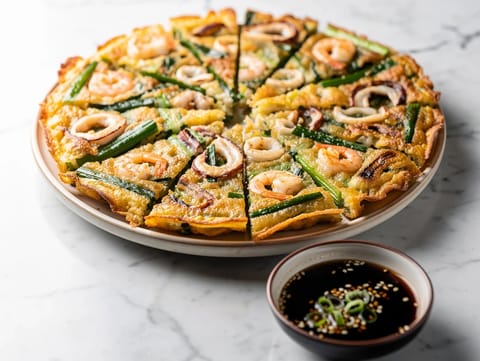
Haemul Pajeon (Seafood and Spring Onion Pancake)
Seafood and spring onion pancake with soy vinegar dipping sauce

Pancakes are a broad family: thin, lacy crêpe-style pancakes; thicker, fluffy stacks; and savoury versions built from vegetables or grains. The most useful way to choose is by texture and thickness, because that determines everything else, from pan temperature to what toppings make sense. A thin pancake is about even spreading and quick cooking, while a thick pancake needs gentler heat so the centre cooks before the outside overbrowns. Once you know which style you want, batter choices and serving ideas fall into place.
Thin pancakes are made from a pourable batter that spreads easily, giving a flexible round you can fold or roll. American-style pancakes are thicker and rely on raising agents for lift, producing a soft interior and a lightly browned surface. Drop scones and similar griddle cakes sit between the two, often smaller and a little denser. Savoury pancakes can be egg-based, batter-based, or built around grated vegetables, and they are often cooked slightly longer to set the interior. Some pancakes are designed to be crisp at the edges, others to stay tender throughout, and the fat you cook in, butter, oil or a mix, plays a quiet but important role in that finish.
Seafood and spring onion pancake with soy vinegar dipping sauce
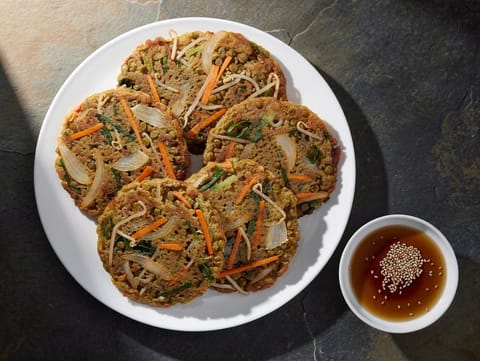
Korean mung bean pancakes with vegetables and a soy dipping sauce
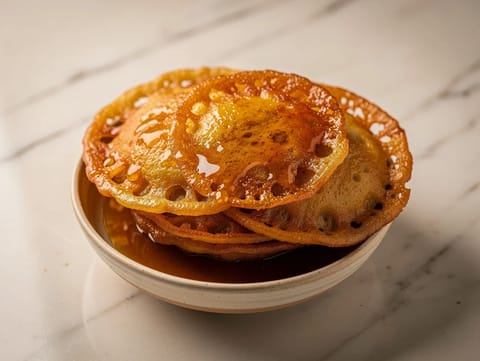
Fried pancakes dipped in cardamom syrup
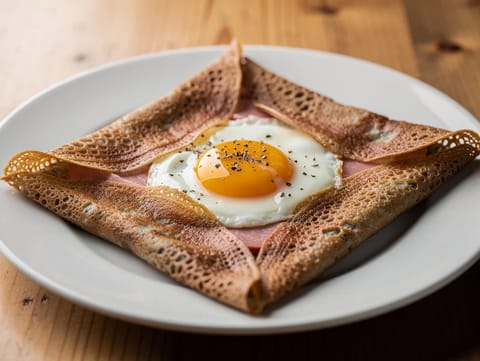
Buckwheat galette with ham and egg, folded and served hot
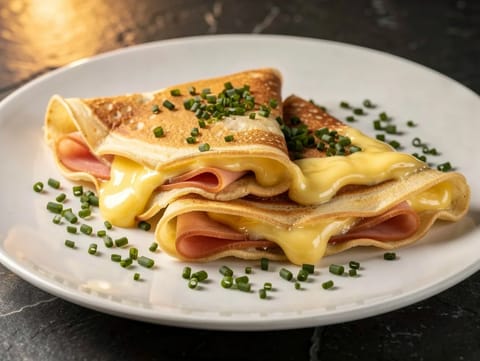
Golden savoury pancakes with ham and melted Emmental
Folded crêpes with sautéed mushrooms and ham, finished with béchamel
If you want thin pancakes, look for batters that rest, which helps the flour hydrate and makes the batter spread more evenly. For fluffy pancakes, choose recipes that keep mixing gentle, since overmixing can tighten the crumb and reduce lift. Consider sweetness: lightly sweet batters are versatile with fruit, yoghurt or syrup, while very sweet batters can limit your topping options. For savoury pancakes, pay attention to moisture, especially with vegetables, because excess water can steam the pancake and make it fragile. If you are cooking for a group, smaller pancakes are easier to keep consistent, while larger ones are better when you want to fill and roll them.
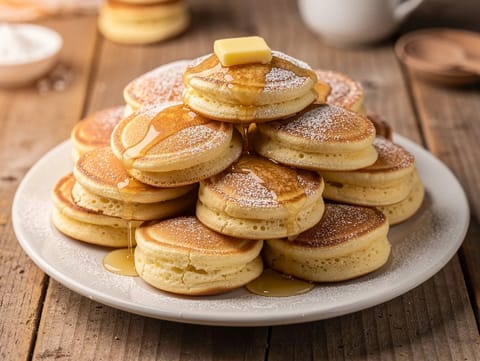
Mini yeast pancakes served with butter and icing sugar
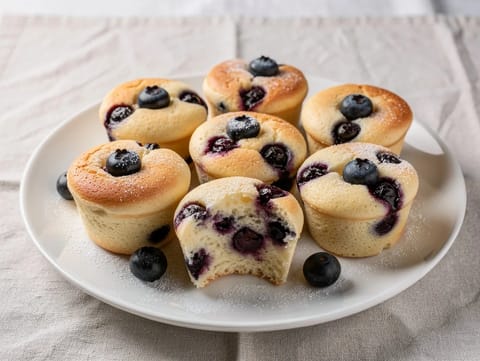
Baked pancake bites with vanilla batter and blueberries.
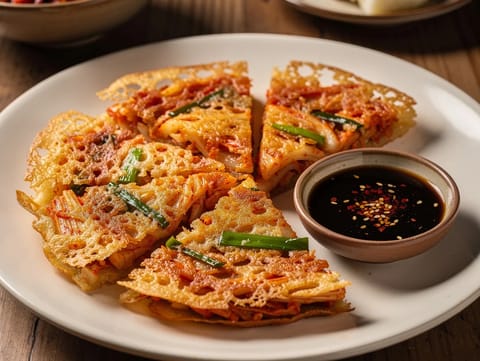
Kimchi and spring onion pancake with soy vinegar dipping sauce

Small Danish pancakes served warm with strawberry jam
Buckwheat galette with ham and egg, folded and served hot
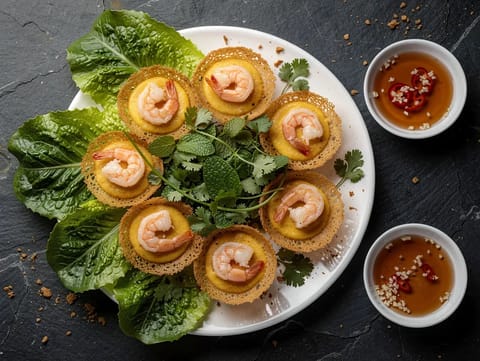
Crisp mini pancakes with prawns, coconut milk, turmeric and herbs
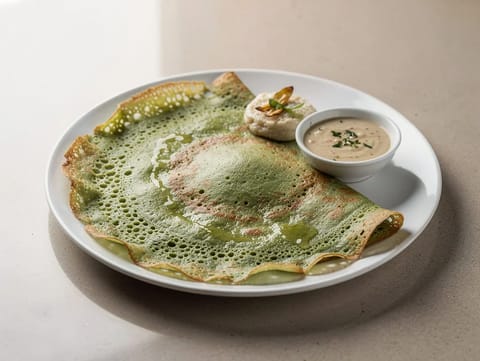
Crisp green gram dosa served with ginger chutney
Fried pancakes dipped in cardamom syrup
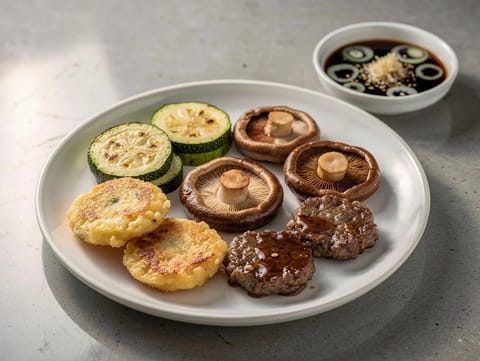
Assorted Korean pan-fried pancakes with a soy vinegar dipping sauce
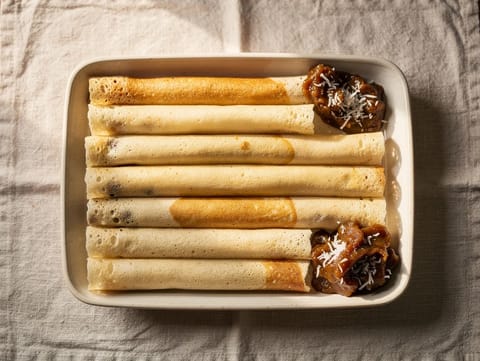
Bengali rice crêpes filled with coconut and jaggery
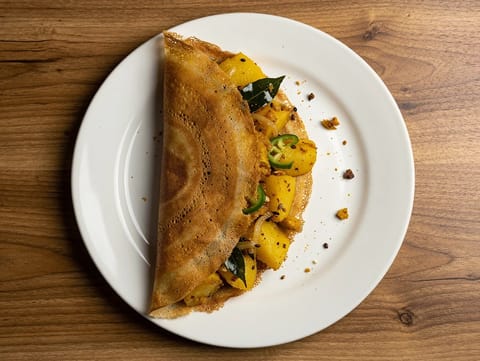
Crisp rice and lentil crêpes stuffed with spiced potatoes
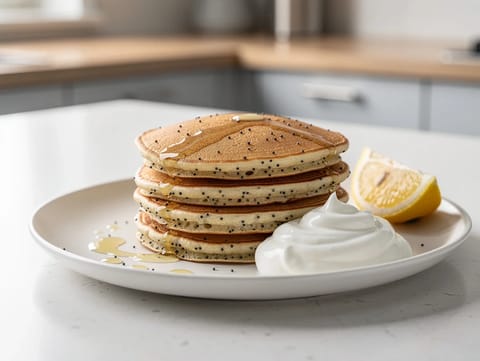
Fluffy lemon poppy seed pancakes with Greek yoghurt and honey
Thin pancakes pair naturally with spreadable fillings and sauces, such as jam, citrus curd, chocolate, or a simple sugar-and-lemon finish, because they fold neatly without cracking. Thick pancakes suit toppings that sit on the surface, like berries, sliced fruit, yoghurt, nut butters or syrup, and they benefit from something sharp to balance the richness. Savoury pancakes work well with creamy elements, soft herbs and something acidic, such as a yoghurt sauce, pickled onions or a squeeze of lemon. If pancakes are the centre of the table, keep sides simple and fresh so the meal does not become uniformly sweet or heavy.
Course can help you decide whether you’re looking for a sweet bake-style plate, a savoury main, or something that sits as a side. Cooking method is also worth exploring, since pancakes can be cooked on a hob, a griddle, or sometimes baked or finished under a grill, each changing browning and texture.
Braised chicken stew with tomatoes, peppers and potatoes
Vanilla baked custard with a crisp caramelised sugar top
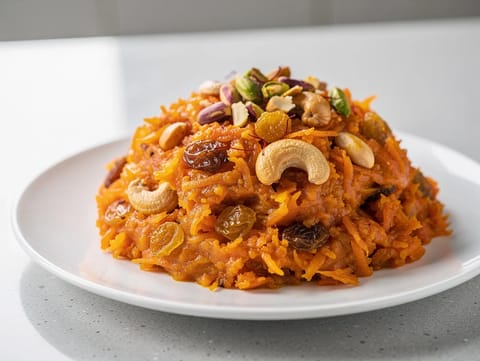
North Indian carrot pudding with milk, ghee and cardamom
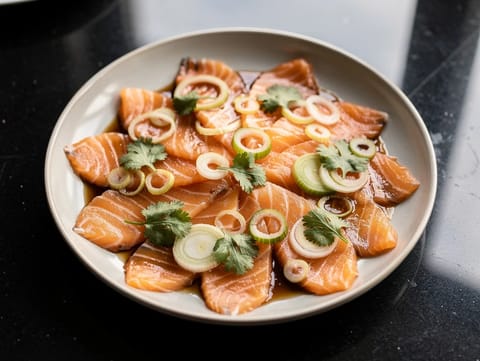
Chilled salmon tiradito with ponzu dressing and sesame oil
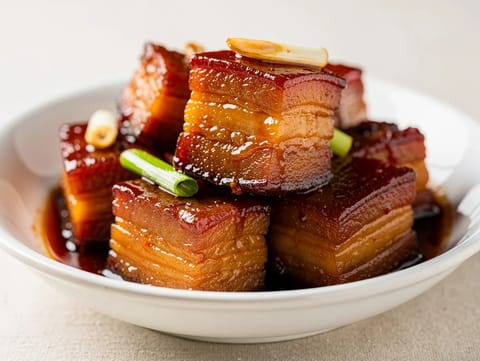
Red-braised pork belly in sweet soy glaze
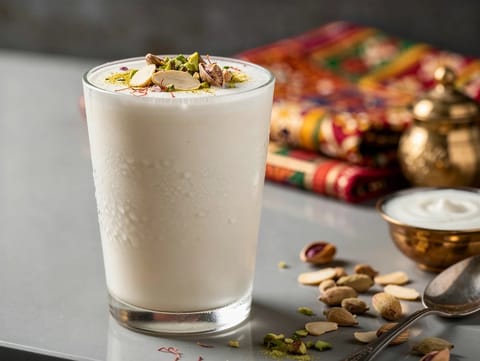
Chilled sweet lassi blended with yoghurt, milk and cardamom
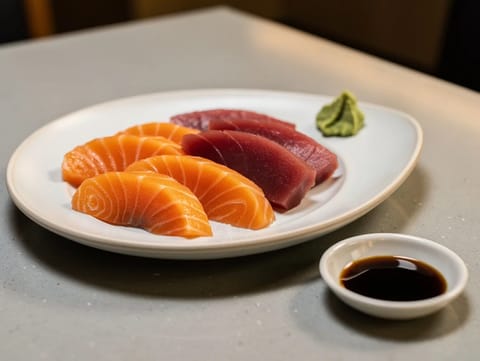
Thinly sliced sashimi with salmon and tuna
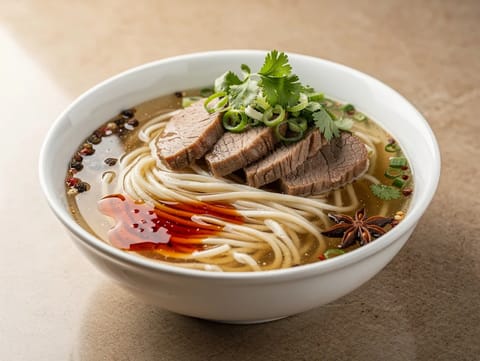
Hand-pulled noodles in clear beef broth with chilli oil
Overmixing is a common cause, especially for thicker pancakes. Mixing develops gluten, which can make the crumb chewy rather than tender.
Raising agents and gentle handling matter most. A batter that is not overmixed and a pan that is hot enough to set the outside without scorching help maintain lift.
It depends on the style. Resting is particularly helpful for thin batters, as it improves hydration and can make spreading and texture more even.
They may be too thin, not set enough, or the pan may not be properly heated and greased. A brief extra moment to set can make flipping easier.
Yes. Many pancakes are designed for savoury toppings or are made with vegetables, herbs, cheese or spices in the batter.
A low oven can hold cooked pancakes while you finish the batch. Avoid stacking very hot pancakes tightly if you want to keep edges from steaming soft.
Decide first whether you want thin and foldable, thick and fluffy, or savoury and substantial. Match the pan heat and toppings to that style, and you will get pancakes that behave the way you expect from the first batch.
