
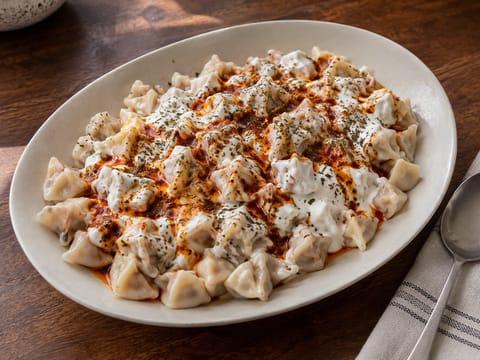
Mantı Platter (Lamb Dumplings with Garlic Yoghurt and Aleppo Butter)
Lamb filled Turkish dumplings with garlic yoghurt and Aleppo butter
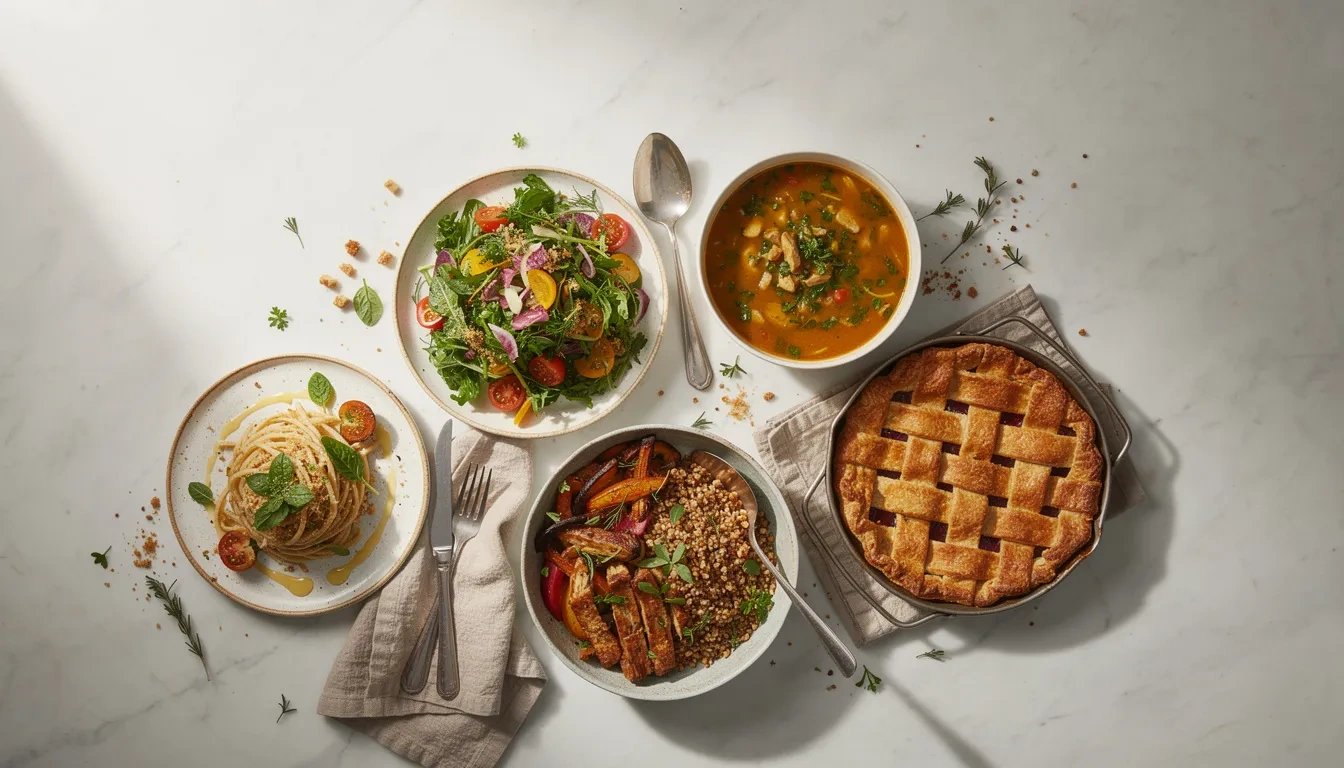
Pasta can be a fast supper, a slow-simmered sauce project, or a baked dish that improves after a rest. The useful difference is method: boiled pasta dressed at the last minute behaves very differently from pasta baked in sauce, or pasta finished in the pan with a splash of cooking water.
Use this page to choose the style that fits your timing, your pan space and whether you want a dish that holds well for later.
Pasta recipes centre on noodles or shaped pasta as the main starch, whether it is served simply dressed, layered and baked, or combined with a sauce that clings and coats. The term covers both fresh and dried pasta, and it can include filled pasta where the pasta itself is part of the structure rather than just a garnish.
What pasta does not automatically tell you is the sauce style. A pasta dish might be oil-based and glossy, tomato-forward and bright, creamy and rich, or brothier and closer to a noodle soup. It also does not guarantee speed: the pasta may cook quickly, but the sauce might be a long reduction or a slow braise.
Lamb filled Turkish dumplings with garlic yoghurt and Aleppo butter
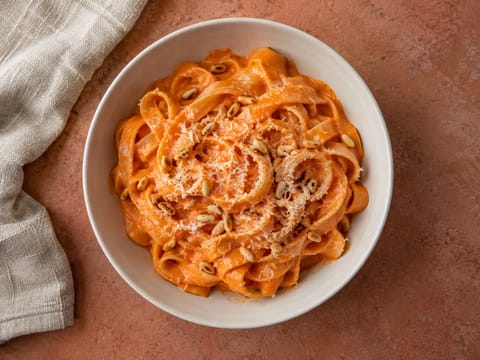
Pasta in roasted red pepper and mascarpone sauce with pine nuts
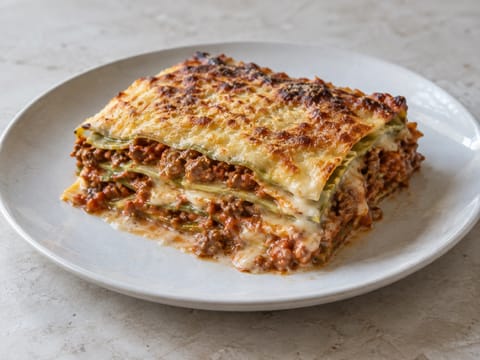
Spinach pasta lasagne with beef and pork ragù and béchamel
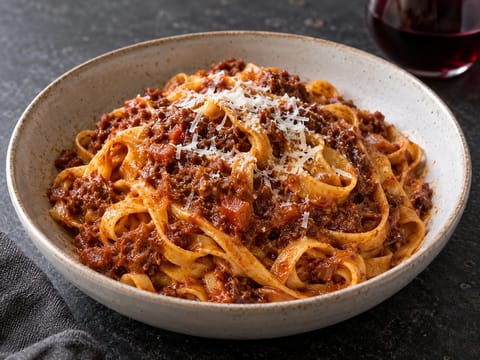
Tagliatelle with slow-simmered wild boar ragù
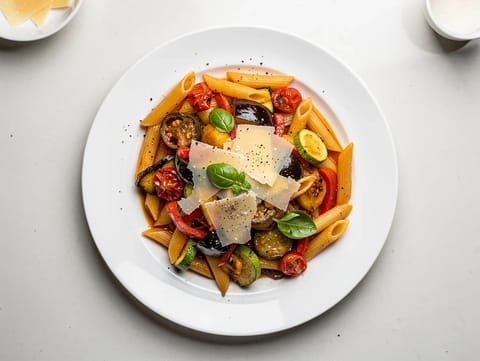
Pasta tossed with roasted aubergine, courgette, peppers and tomatoes.
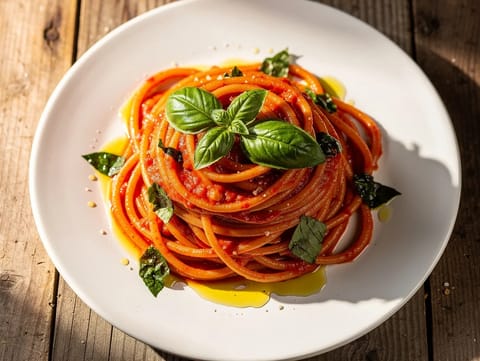
Spaghetti with a quick tomato, garlic and basil sauce
For the quickest results, look for pasta that is boiled and dressed with a sauce made in the time it takes the water to come to the boil. These often rely on good seasoning and a little starchy cooking water to help the sauce emulsify and cling.
If you want a dish that holds its shape for serving and reheats predictably, baked pasta is the dependable choice. Because the pasta continues to absorb liquid in the oven, these recipes usually start with a looser sauce and slightly undercooked pasta.
For make-ahead sauces, separate the work: cook and cool the sauce, then boil pasta close to serving. Keeping pasta and sauce apart avoids the noodles drinking up the sauce and turning soft before you eat.
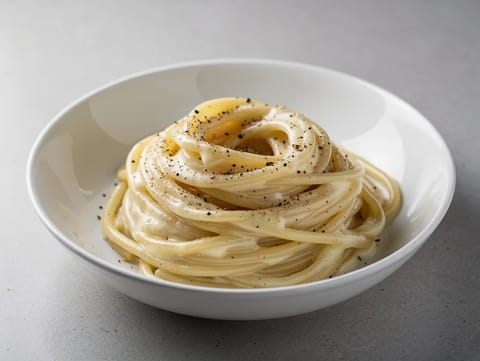
Roman spaghetti with Pecorino Romano and black pepper
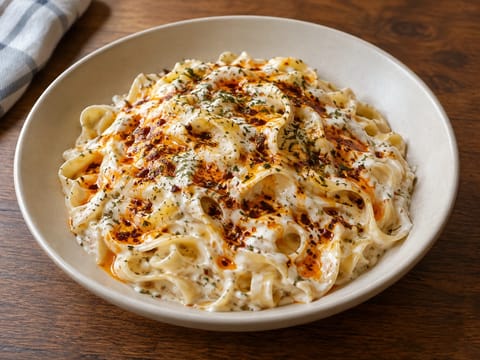
Pasta with garlicky yoghurt, Aleppo pepper butter and dried mint
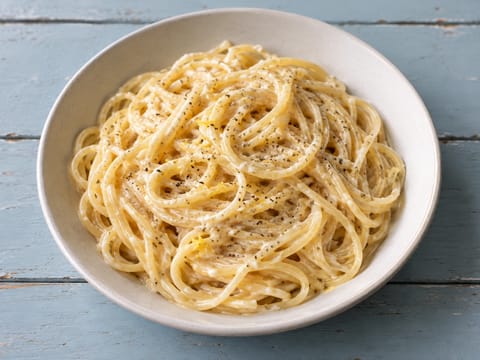
Spaghetti with ricotta, lemon and Parmesan
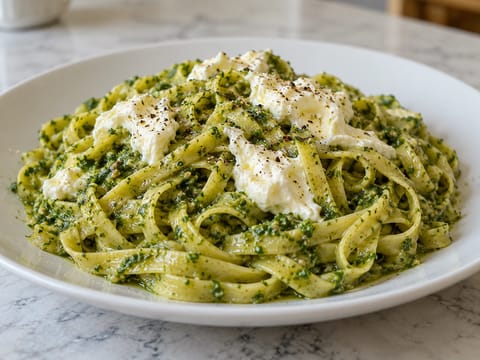
Pesto pasta topped with creamy burrata
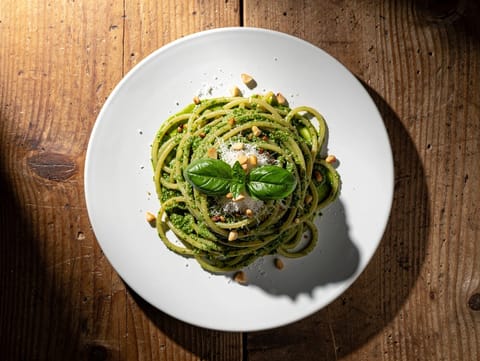
Spaghetti tossed with fresh basil pesto and Parmesan
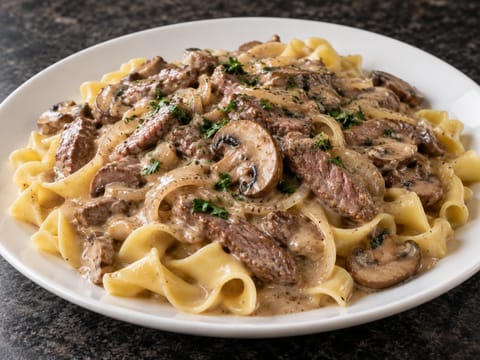
Beef and mushrooms in a creamy sour cream sauce over noodles
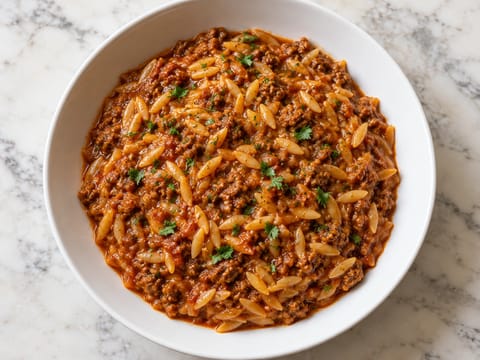
Orzo tossed with rich minced lamb ragù and warm spices
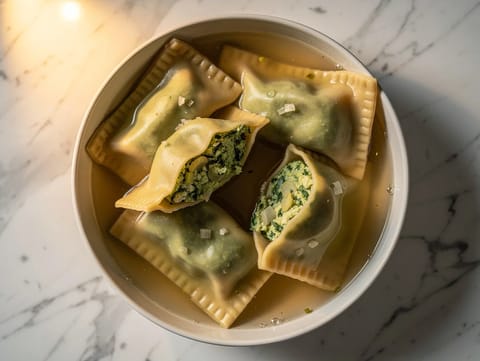
Maultaschen pasta parcels with spinach and ricotta
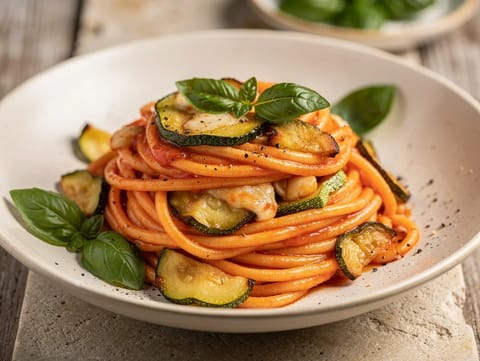
Spaghetti with fried courgettes, tomato sauce, basil and Parmesan
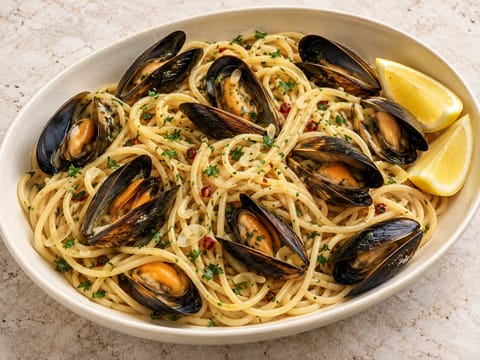
Spaghetti with mussels, garlic and white wine
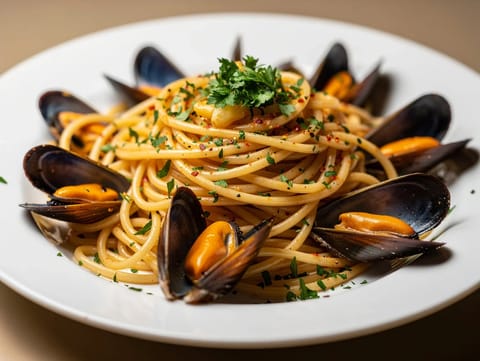
Spaghetti with mussels in garlic, white wine and parsley
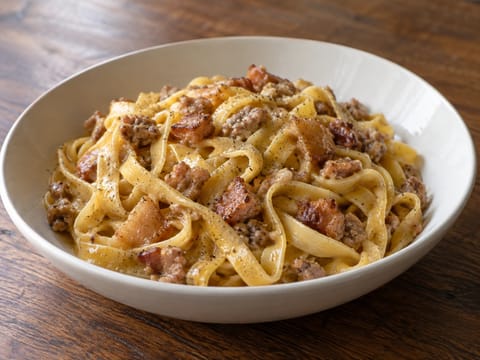
Guanciale and sausage pasta in an egg and Pecorino sauce
Shape matters because it changes how sauce behaves. Long strands suit smooth, cohesive sauces that coat evenly, while ridged tubes and twists catch chunkier sauces in their grooves. Small shapes are often chosen when the sauce includes lots of small pieces, or when the pasta is part of a spoonable dish.
When a sauce is oil-based, a finishing step in the pan helps it cling; when it is cheese-based, gentle heat and a little cooking water can prevent clumping. For baked pasta, a topping that browns, such as cheese or breadcrumbs, adds contrast to the soft interior and signals when the dish is properly heated through.
If you know the style of pasta you want, browsing by Cuisine can help you land on familiar sauce families and seasoning patterns. Cooking method is equally useful for pasta, because boiled-and-dressed, one-pan finishes and baked dishes behave differently in timing and texture.
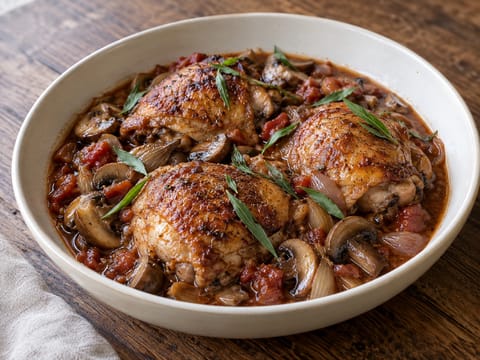
Chicken simmered with mushrooms, tomato, white wine and tarragon
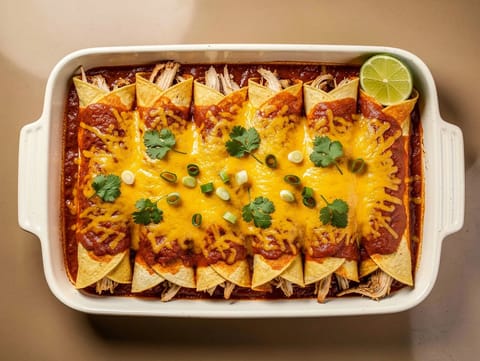
Chicken enchiladas baked with red chilli sauce
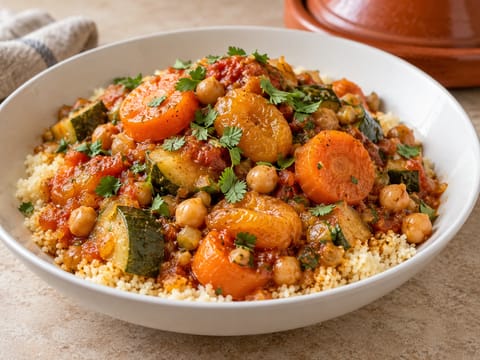
Vegetable tagine with chickpeas, tomatoes and dried apricots
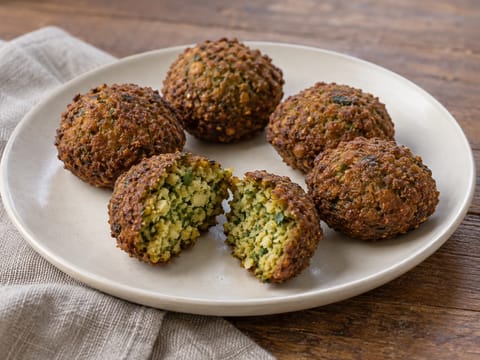
Crisp falafel made from soaked chickpeas, herbs and spices
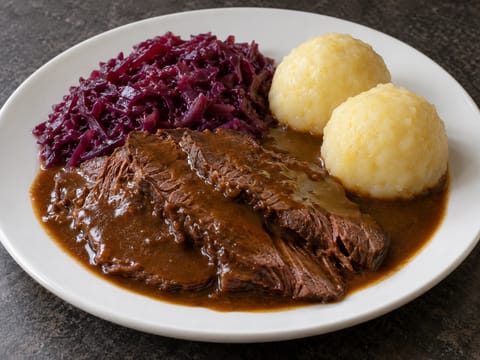
Marinated beef pot roast with red cabbage and potato dumplings
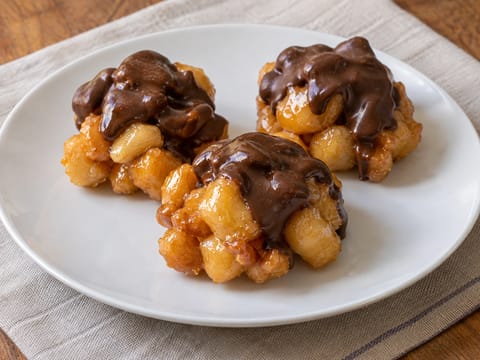
Honey and chocolate coated fried pastry clusters
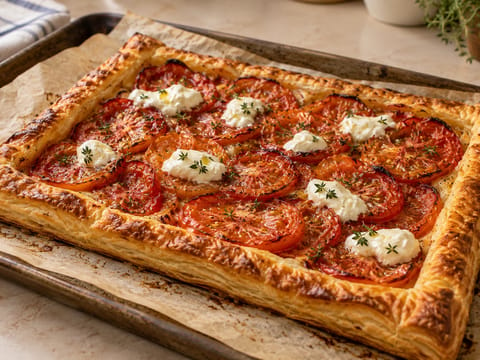
Puff pastry tart with Dijon mustard and baked tomatoes
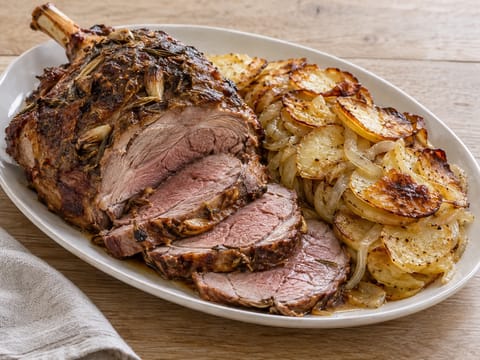
Roast leg of lamb over boulangère potatoes and onions
Not necessarily. The pasta itself may cook quickly, but the overall dish can take longer if the sauce is slow-simmered, oven-baked, or built from several components.
Finishing in the pan helps the sauce cling and can turn a thin sauce glossy by emulsifying it with starchy cooking water. Serving sauce on top keeps textures more separate and can suit thicker, spoonable sauces.
Pasta continues to soften as it bakes and absorbs liquid from the sauce. Starting slightly underdone helps it finish at a pleasant texture rather than turning mushy.
Often, yes, by making the sauce ahead and boiling the pasta close to serving. If you must cook pasta in advance, keeping it lightly oiled and separate from the sauce helps, then reheat briefly in sauce with a splash of water.
It matters most for how sauce clings. Smooth, long pasta suits silky sauces; ridged or hollow shapes catch chunkier sauces; small shapes work well in spoonable dishes.
Decide first whether you want pasta that’s dressed and eaten straight away, or a dish that can sit, travel or reheat. From there, pick a sauce style and a shape that will hold it well, and the rest of the recipe choices tend to fall into place.
