
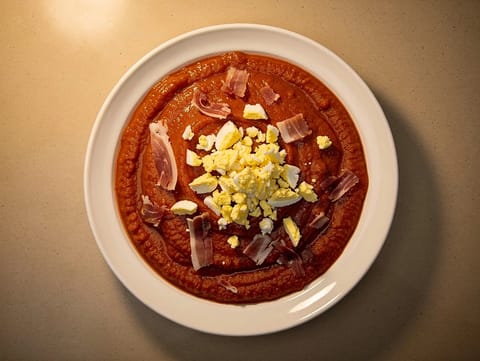
Porra Antequerana (Thick Cold Tomato Soup)
Thick cold tomato soup topped with egg and serrano ham

Soup is a broad family, but most choices come down to texture and structure: clear and brothy, thickened and creamy, or hearty with substantial pieces. That structure affects how the soup eats, how it reheats, and what you might want alongside it.
When you are comparing recipes, look for the thickening method (blending, dairy, starches or legumes), the size and amount of “bits”, and whether the flavour is built from a quick sautéed base or from a longer-simmered stock. Those details tell you more than the name alone.
Soup is a liquid-based dish served hot or cold, where the balance between broth and solids is deliberate. Some soups are essentially seasoned stock with a few additions; others are closer to a stew, with enough vegetables, pulses or meat to make the bowl feel substantial.
The category also includes puréed soups, where the body comes from blended vegetables, legumes or grains. These can taste rich without being heavy, but they rely on careful seasoning because a smooth texture can soften sharp flavours.
Soup does not automatically mean slow cooking. Many soups are built quickly from aromatics and a good base liquid, while others depend on time for extraction and depth. The recipe’s method will usually signal which it is.
Thick cold tomato soup topped with egg and serrano ham
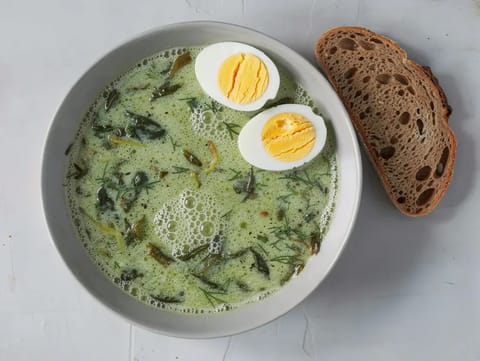
Polish sorrel soup with sour cream and hard-boiled eggs
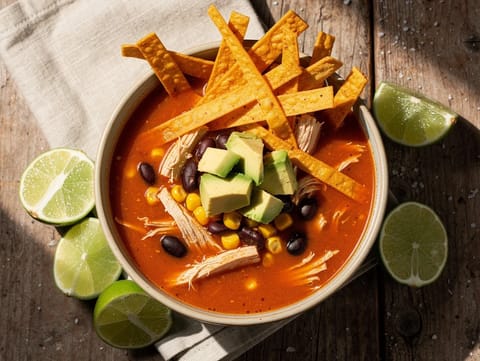
Chicken tortilla soup with black beans, sweetcorn and tortilla strips
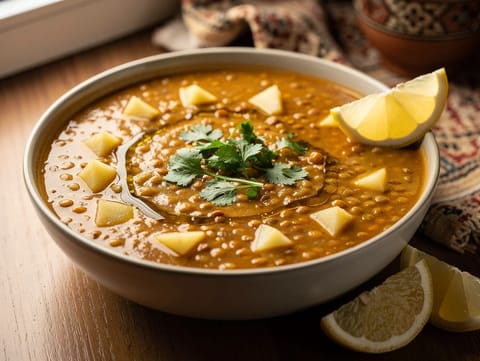
Lebanese red lentil and lemon soup with potato
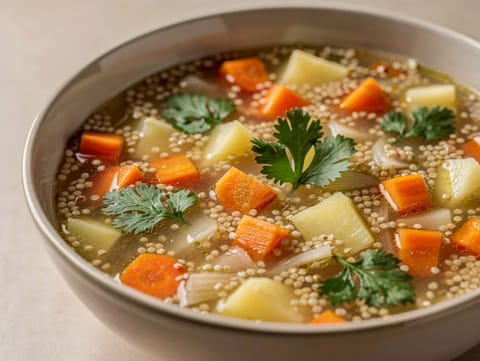
Peruvian quinoa soup with vegetables and fresh coriander
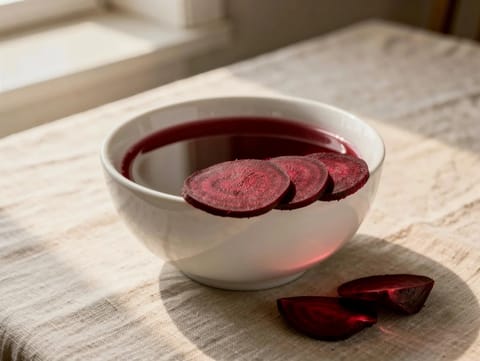
Clear Polish beetroot soup with a gently tangy finish
For a lighter bowl, choose clear soups and broths with quick-cooking additions such as leafy greens, noodles or small dumplings. These tend to taste freshest when served soon after cooking, because delicate ingredients can soften as they sit.
For a more filling soup, look for pulses, grains, potatoes or larger pieces of vegetables and meat. These soups often improve after a rest as flavours mingle, and they are commonly practical for making ahead.
If you want a creamy texture, check how it is achieved. Blended vegetable soups get thickness from the ingredients themselves; dairy-thickened soups are richer but can be more sensitive to boiling; soups thickened with flour or starch have a different, more velvety feel. Choose based on the texture you enjoy and how hands-off you need the cooking to be.
Chupe de camarones with tender prawns in a creamy ají and coriander broth
Vietnamese crab and asparagus soup in chicken stock with delicate egg ribbons
Vegan locro de papa is a creamy potato soup with beans and avocado.
Porrusalda is a gentle leek and potato soup in vegetable stock with black pepper
Tomato and white wine fish soup with mussels, prawns and parsley
Clear chicken broth with rice noodles, shredded chicken, herbs and lime
Fragrant coconut lime soup with prawns, mushrooms and lemongrass
Udon noodles simmered in dashi with chicken, shiitake mushrooms, spinach and egg
Hearty soup of cannellini beans, pork, potatoes and smoky chouriço
Rustic bread soup with garlicky coriander broth, poached eggs and olive oil
Bouillabaisse with white fish and prawns in saffron broth, served with rouille croutons
Swedish-style split pea soup simmered until thick with smoked ham
The most useful pairing is usually texture. Smooth soups welcome something crisp, such as toasted bread, croutons or a simple salad, to keep the meal from feeling one-note. Clear soups often suit a more substantial side, such as dumplings, noodles, rice or a filled flatbread, because the broth itself is light.
Acidity is another quiet helper. A squeeze of lemon, a spoon of yoghurt, a splash of vinegar or a few pickled vegetables can lift soups that taste flat, especially those built on sweet vegetables or long-simmered bases.
If the soup is already rich, think about contrast rather than more richness: herbs, chilli oil, peppery greens or a sharp relish can make the bowl feel more defined without changing the core recipe.
Cooking method is a useful next step because soup texture is closely tied to technique, whether it is simmered, blended, pressure-cooked or finished with a quick garnish. Cuisine can also help when you want a particular flavour direction, from spice-led broths to dairy-based or herb-forward soups.
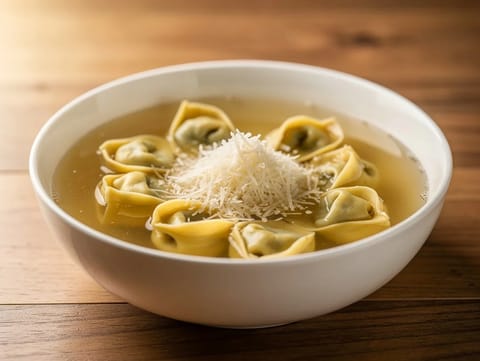
Tortellini served in clear chicken and beef broth
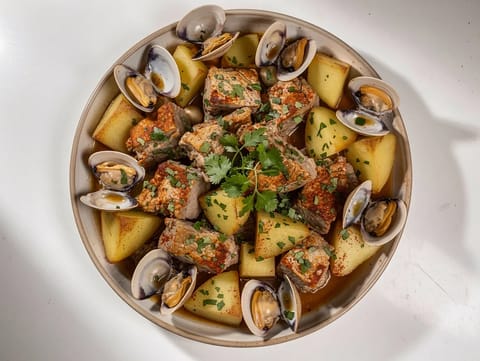
Portuguese pork with clams, garlic, white wine and fried potatoes
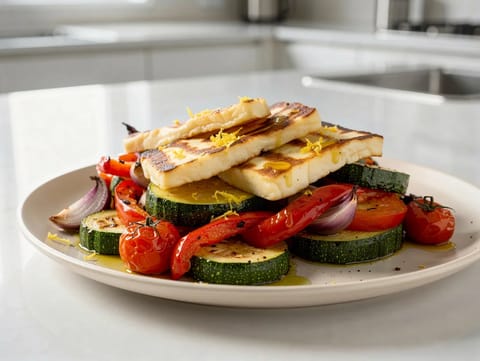
Halloumi traybake with roasted courgette, pepper and tomatoes

Polish baked cheesecake made with quark and vanilla
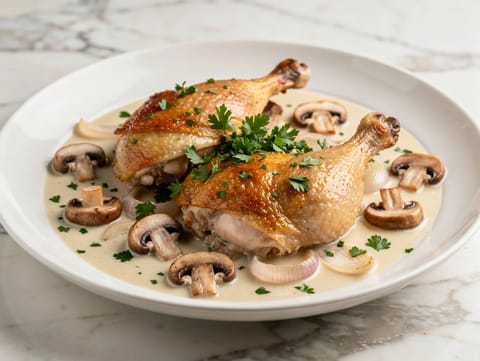
Chicken braised in white wine with mushrooms and herbs
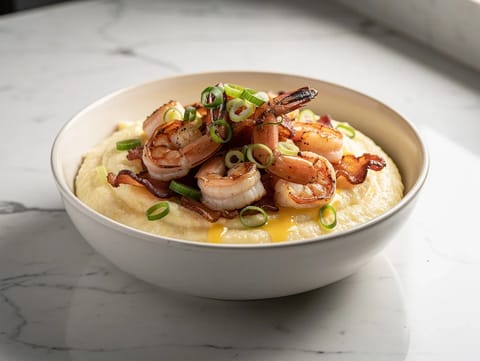
Cheddar grits topped with bacon sautéed prawns and spring onions
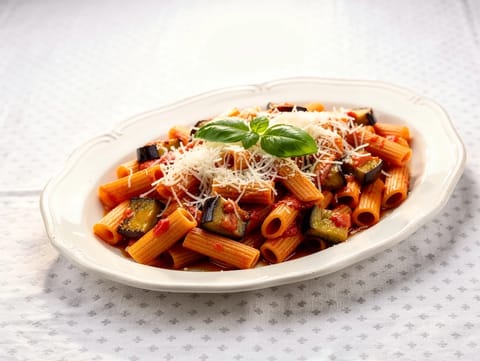
Sicilian pasta with fried aubergine, tomato and basil
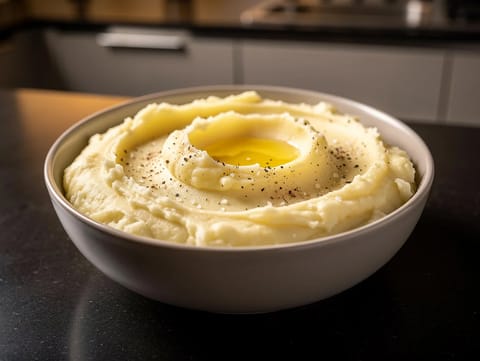
Creamy mashed potatoes with butter, milk and sour cream
The line is flexible, but soup is generally more liquid-forward, while stew is more solid-forward. Many hearty soups sit in the middle, so the recipe method and serving style matter.
In soups with robust ingredients, flavours continue to mingle as they rest. The texture can also thicken as starches from potatoes, grains or pulses settle into the broth.
They often rely on the natural starch and fibre of vegetables, legumes or grains. Blending creates a smooth texture that feels creamy even without dairy.
Some dairy-based soups can curdle or split if boiled hard or if acidic ingredients are added abruptly. Gentle heat and careful finishing usually help.
Yes. Cold soups are part of the same family, but they rely more on seasoning and acidity because chilling dulls flavour and aroma.
A contrasting topping often does the job: herbs, toasted seeds, chilli oil, croutons, grated cheese or a spoon of yoghurt can add aroma and texture without changing the base.
If you are unsure where to start, choose soup by texture: brothy and light, blended and smooth, or chunky and hearty. That single decision will usually tell you how it will eat, what it needs alongside, and whether it suits making ahead.
