
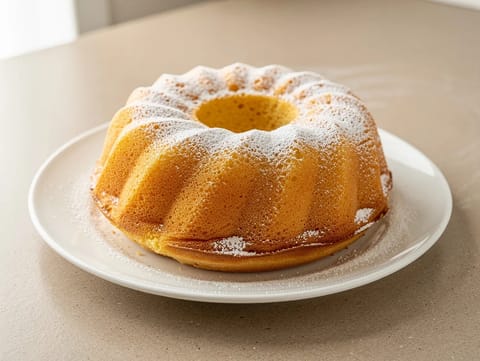
Ciambella (Italian Ring Cake)
Tender Italian ring cake with olive oil and icing sugar

A cake pan sets the shape of a bake and, just as importantly, how heat reaches the batter. A shallow tin bakes differently from a deep one; a dark pan browns faster than a light one; and a loose-bottomed tin changes how you release delicate sponges. Recipes that specify a cake pan are usually sensitive to these details, because they affect rise, crumb and baking time. Use this page to choose a sensible pan, line it confidently, and avoid the common problems of sticking, uneven baking and broken layers.
Round tins are common for layered cakes; square or rectangular pans suit tray bakes and bars; bundt-style moulds create more crust surface and need careful greasing. Depth matters because batter in a deeper pan takes longer to heat through, so the outside can colour before the centre sets. Material also changes the bake. Dark metal tends to brown more quickly; lighter metal bakes more gently; glass and ceramic heat more slowly but hold heat longer, which can affect timing and edge colour. If a recipe calls for a springform or loose-bottomed tin, it is usually because the cake is tender or delicate to turn out in one piece.
Tender Italian ring cake with olive oil and icing sugar
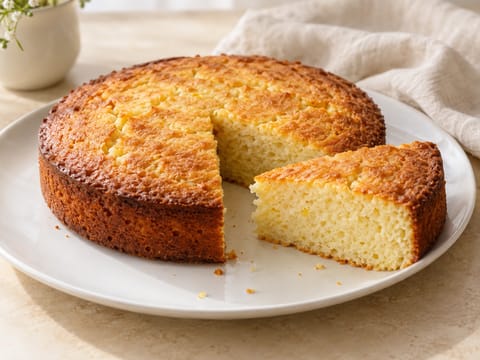
Ricotta and lemon cake with a light, moist crumb
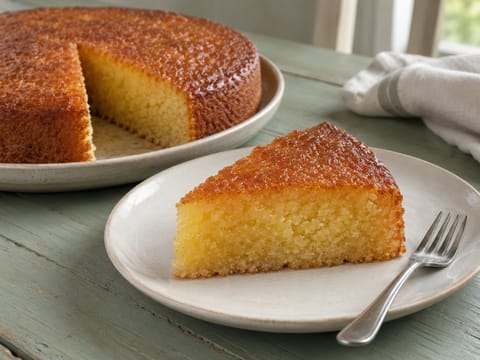
Semolina sponge cake soaked with lemon sugar syrup
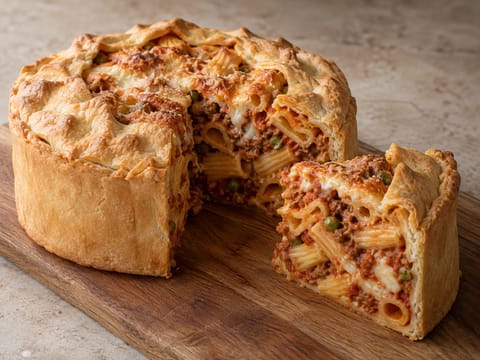
Rigatoni pasta bake in pastry with ragù, peas and mozzarella
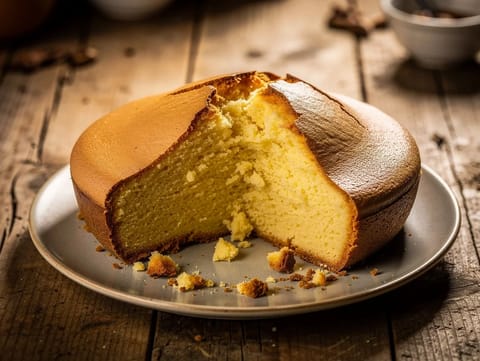
Light Portuguese sponge cake made with whisked eggs and flour
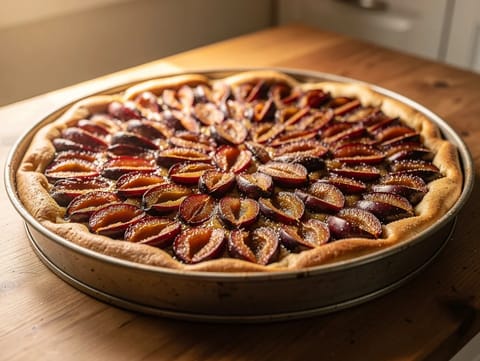
German plum cake with yeasted base and cinnamon sugar
For many cakes, the simplest insurance is to grease the pan and line the base with baking paper. That helps the cake release without tearing, especially when the crumb is fine or the cake is rich with sugar and butter. Flouring the sides can help, but it can also leave a dusty edge on lighter sponges, so some bakers prefer a paper collar for tall cakes. With intricate moulds, take time to work fat into every ridge, then dust lightly with flour or cocoa if appropriate. Whatever the pan, place it on a stable tray when moving it in and out of the oven to reduce knocks that can deflate a risen batter.
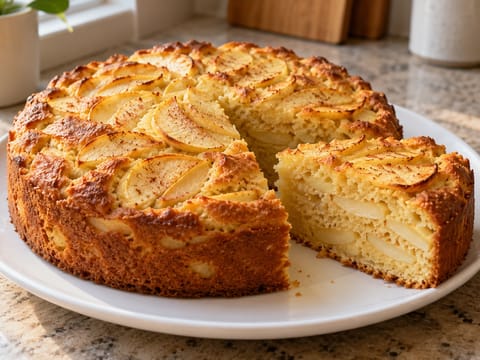
Rustic Italian apple cake with lemon zest and cinnamon
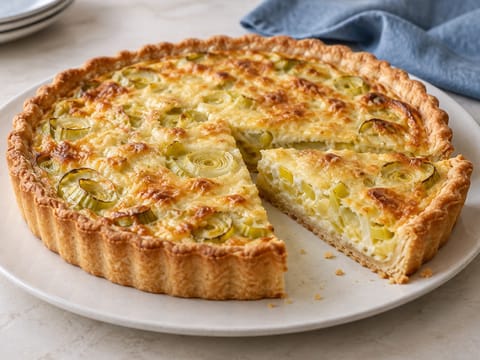
Leek and Gruyère tart with a creamy egg and cream filling
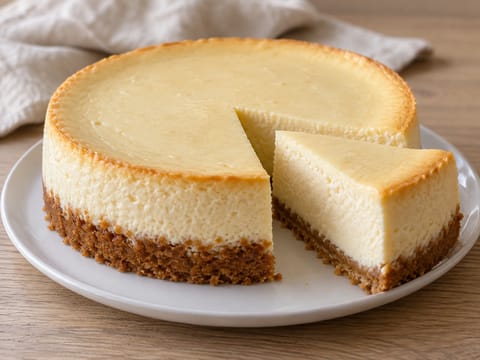
Baked New York cheesecake on a digestive biscuit base

Florentine dome cake with cocoa sponge and ricotta filling
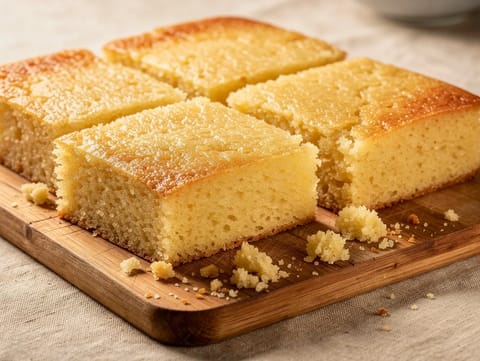
Greek revani semolina cake soaked in lemon syrup
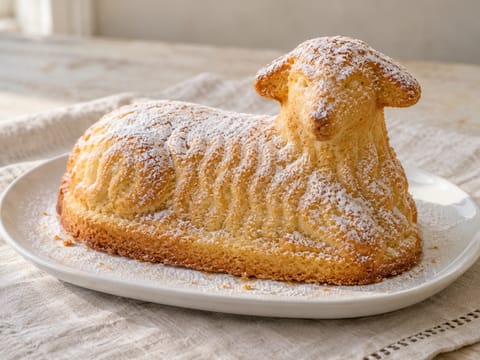
German Easter sponge cake baked in a lamb-shaped tin
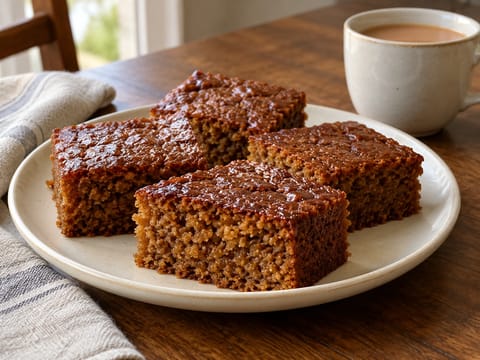
Sticky oat and treacle cake with warming ginger
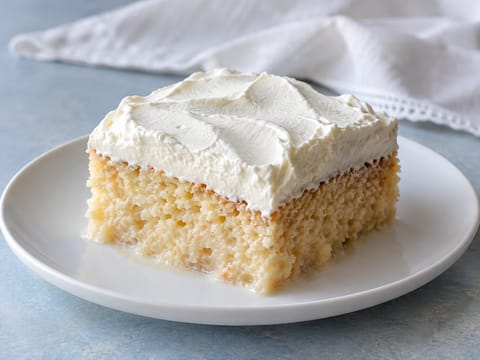
Gluten-free almond sponge cake soaked with three milks
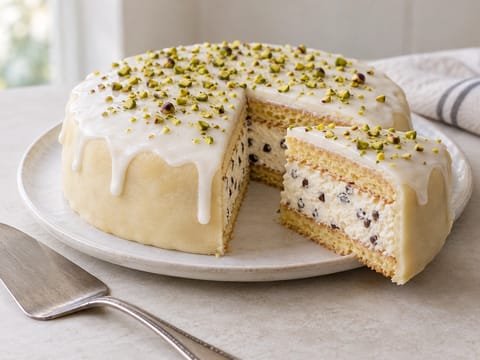
Chilled cassata cake with ricotta, marzipan and pistachios
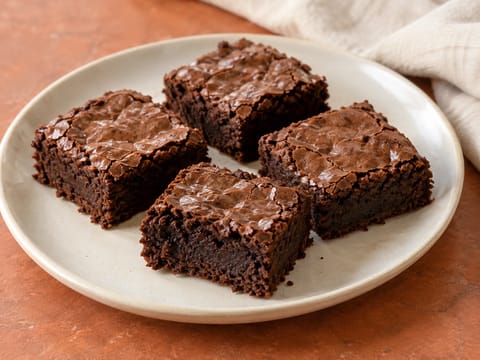
Dense air fryer fudge brownies made with dark chocolate and cocoa.
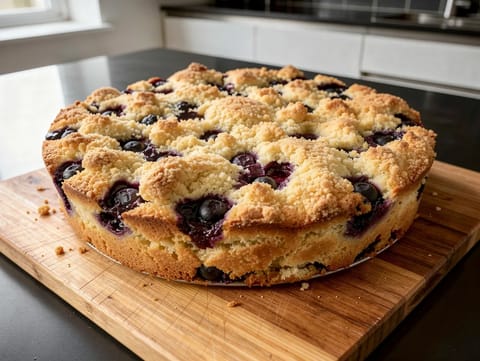
Blueberry sponge cake with a crumble topping
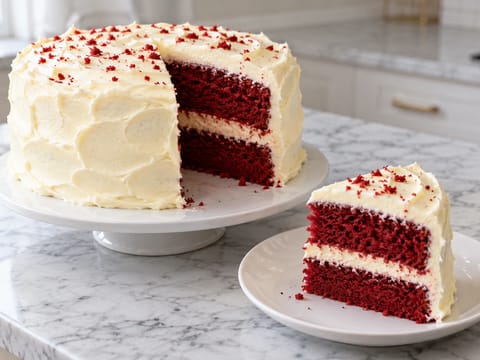
Red velvet cake with tangy cream cheese frosting
Cake pans hold heat longer than they look, particularly heavier tins and moulds. Use dry oven gloves and a stable surface when turning out. Springform pans can leak thin batters, so set them on a baking tray to protect the oven floor and reduce smoke. When releasing a cake, run a thin, blunt knife around the edge only if needed, and do it gently to avoid tearing the crumb. Let cakes cool as directed before removing from the pan; turning out too early can cause breakage, while leaving a cake in a hot tin too long can trap steam and soften the crust.
Cooking method is a useful companion for cake pans because different bakes rely on different heat patterns, from quick tray bakes to deeper, slower-baking sponges. Difficulty can also help you choose: some cakes are forgiving of pan swaps and timing, while others depend on precise sizing, careful lining and gentle handling to keep layers intact.
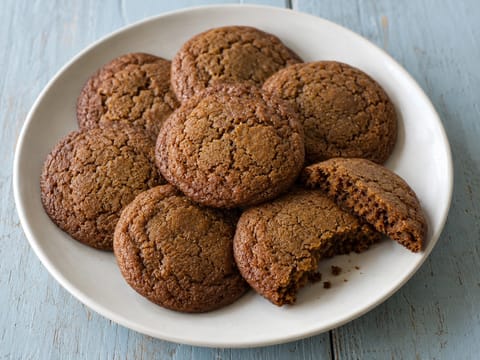
Spiced molasses cookies crisp at the edges
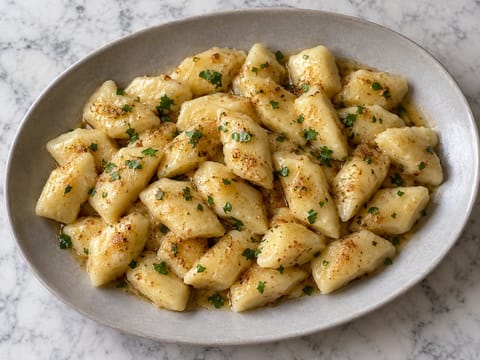
Polish potato dumplings tossed in browned butter and parsley
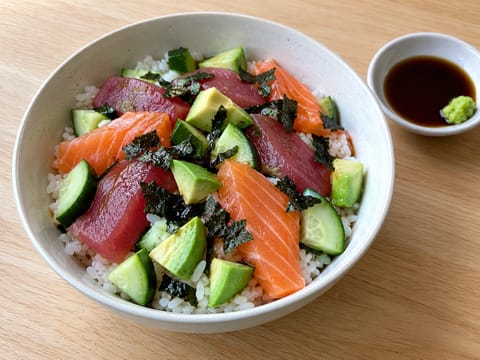
Sushi rice bowl topped with salmon, tuna, cucumber and avocado
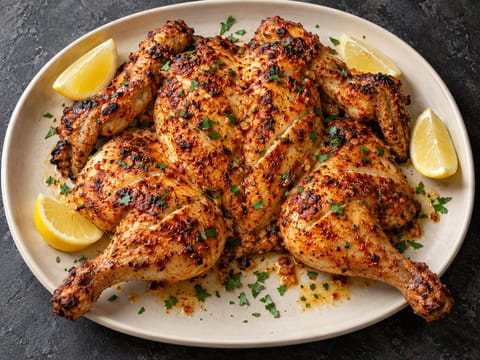
Roast peri-peri chicken with chilli, garlic and lemon
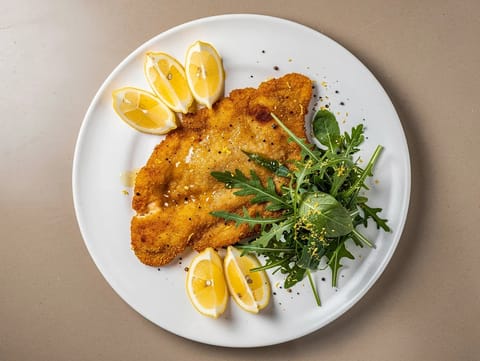
Crisp chicken Milanese served with rocket and lemon
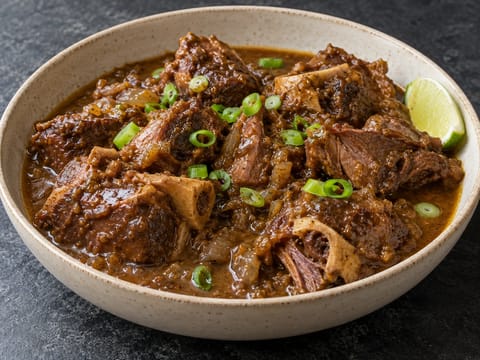
Slow-simmered goat stew with onion, garlic and warming spices
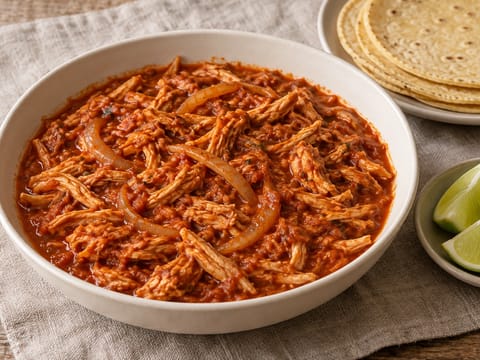
Shredded chicken in smoky chipotle tomato sauce for tortillas
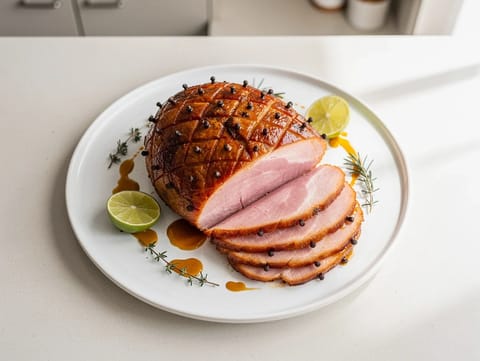
Baked Christmas ham with pineapple, rum and allspice glaze
Often, but it changes depth, baking time and sometimes texture. A larger pan makes a thinner cake that bakes faster; a smaller pan makes a deeper cake that needs longer and may brown more at the edges.
Not always, but lining the base is a reliable way to prevent sticking, especially for delicate sponges and rich cakes. Greasing alone can be enough for sturdier batters.
A springform pan has removable sides, which helps release fragile cakes. It can leak with thin batters, so it is often used for thicker mixtures or set on a tray.
Common causes include insufficient greasing, missing paper on the base, or trying to turn out too soon. Some cakes also stick more as they cool and contract, so timing matters.
Usually the oven heat is too high for the pan depth, so the outside sets before the centre finishes rising. A deeper pan or gentler heat can reduce doming, depending on the recipe.
Often yes, but expect different timing and browning. Glass and ceramic heat more slowly and hold heat longer, so the edges can cook differently from metal tins.
When you choose a pan with the right depth and release style, you give the batter a fair chance to rise evenly and turn out cleanly. If you need to substitute, think first about depth, then material.
