
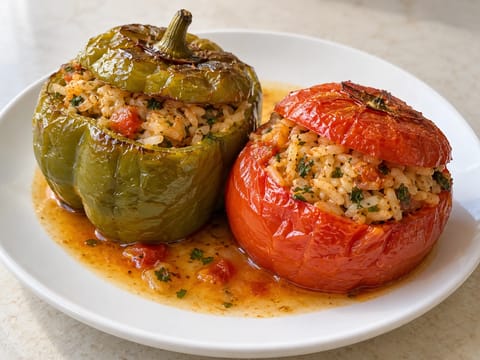
Gemista (Greek Stuffed Peppers and Tomatoes with Herby Rice)
Peppers and tomatoes stuffed with herby rice and baked

A frying pan is the workhorse for direct-heat cooking: searing, sautéing, shallow-frying and reducing sauces quickly. Recipes that specify a frying pan are usually relying on a wide base for evaporation and browning, plus enough side height to toss or stir without spilling. The details matter, though. A thin pan reacts quickly but can scorch; a heavier pan holds heat but needs a moment to recover after you add food. This guide helps you match pan type and size to the technique the recipe is asking for.
Size is the first decision. If the food is crowded, moisture builds up and you lose browning, so a larger pan often gives a better sear and crisper edges. Material comes next. Stainless steel is excellent for building fond for pan sauces, but it needs enough heat and fat to prevent sticking. Non-stick is useful for delicate foods and lower-fat cooking, though it is less suited to very high heat and aggressive deglazing. Cast iron holds heat well for steaks, chops and cornbread-style bakes, but it is slower to respond when you need to dial the heat down. Carbon steel sits between, with good heat response once seasoned. A lid turns a frying pan into a gentle steamer for finishing thicker pieces through.
Peppers and tomatoes stuffed with herby rice and baked
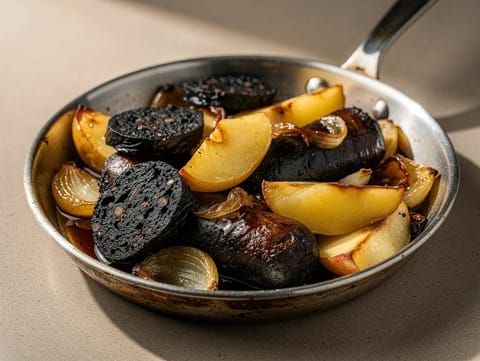
Pan-fried blood sausage served with buttery sautéed apples
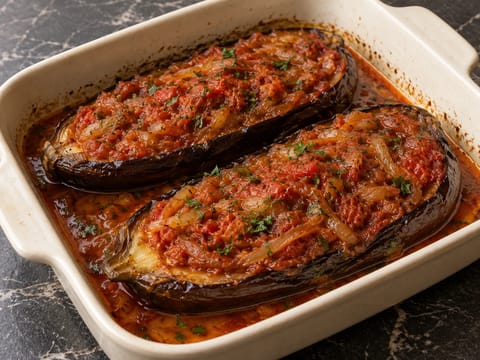
Baked aubergines stuffed with tomato, onion and garlic
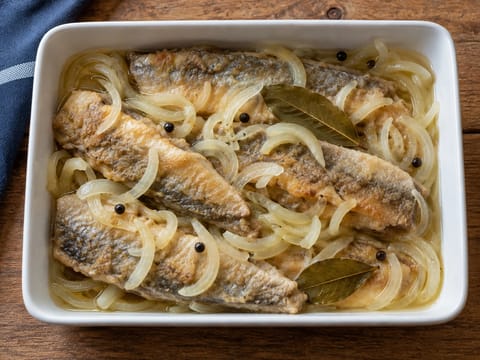
Fried herring fillets marinated in spiced vinegar with onions
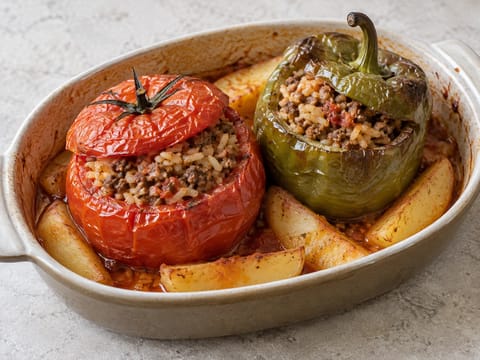
Greek stuffed tomatoes and peppers with rice and beef
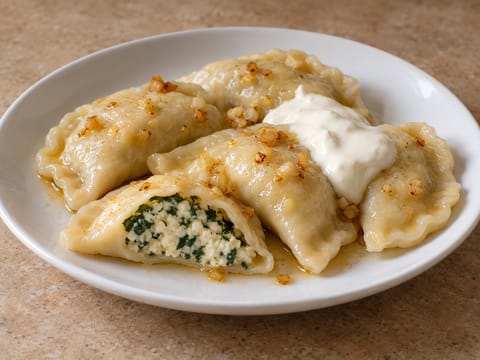
Pierogi filled with spinach and ricotta
For crisp, browned surfaces, look for recipes that cook in batches and leave space around the food. For quick sautéing, you want small, evenly cut pieces that cook at the same rate, plus a pan that is easy to toss or stir. For shallow-frying, pay attention to side height and stability: you need room for oil and for turning without splashing. For pan sauces, recipes often ask you to deglaze after searing; stainless steel is particularly cooperative here because the browned bits release into the liquid. If a recipe involves finishing in the oven, check that the handle is oven-safe and that the pan is not too shallow for bubbling sauces.
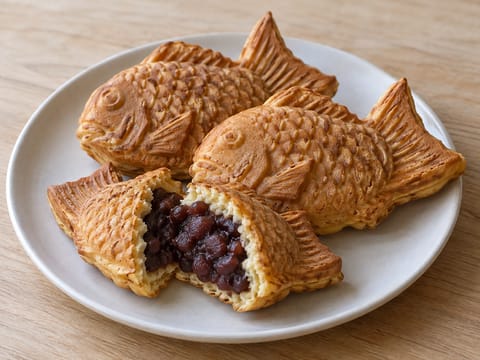
Fish-shaped cakes with sweet red bean paste filling
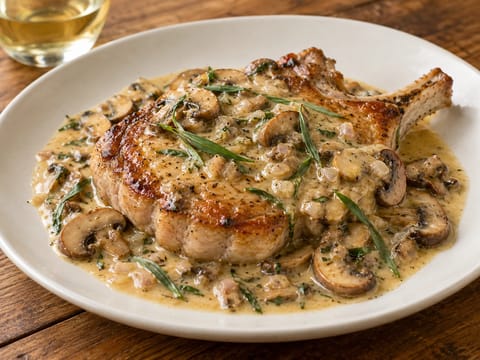
Veal chops with creamy mushroom sauce
Pan-fried blood sausage served with buttery sautéed apples
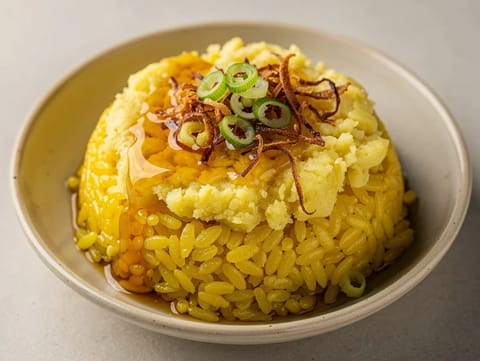
Turmeric sticky rice with mung beans and fried shallots
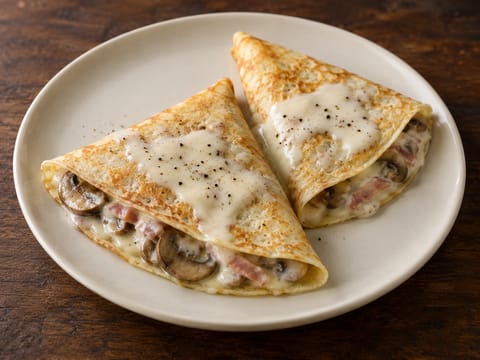
Savoury crêpes filled with ham and mushrooms in béchamel
Greek stuffed tomatoes and peppers with rice and beef
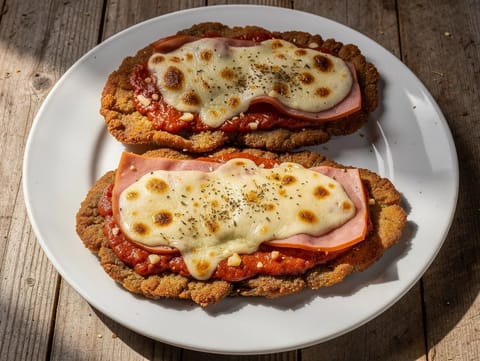
Crisp beef schnitzel topped with ham and melted mozzarella
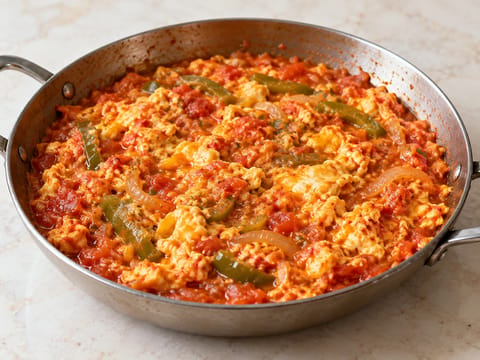
Turkish scrambled eggs with tomatoes, peppers and onion
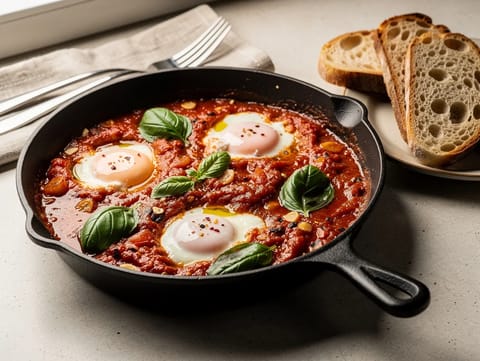
Eggs poached in garlicky tomato sauce with chilli and basil
Fried herring fillets marinated in spiced vinegar with onions
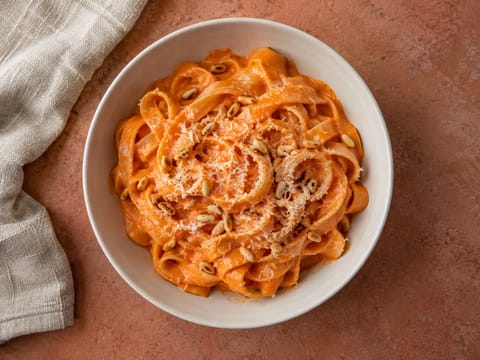
Pasta in roasted red pepper and mascarpone sauce with pine nuts
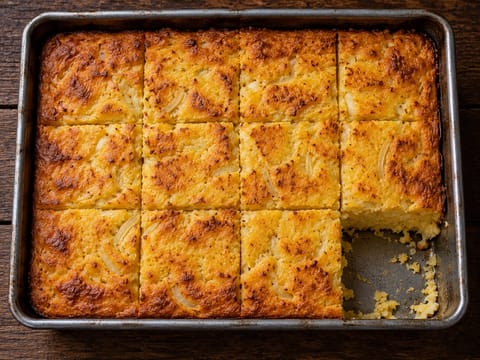
Savoury cornbread baked with cheese and softened onions
Sticking often comes from adding food before the pan and fat are properly heated, especially with stainless steel. Give the pan time to heat, then add oil, then the food. Steaming is usually overcrowding: moisture has nowhere to go, so it condenses and softens the surface. Cook in batches and keep the heat steady. Burning can be as simple as heat that is too high for the pan’s thickness, or sugar-rich marinades that darken quickly. If you are using cast iron, remember it stores heat; reduce the flame earlier than you think and use the pan’s residual heat to finish gently.
Cooking method is the natural companion to frying pan recipes, because the same pan can be used for searing, sautéing, shallow-frying or finishing with a lid, each with different cues to watch. Difficulty can also help you gauge how much attention a recipe needs at the hob, from simple flipping to timing a pan sauce and managing heat changes.
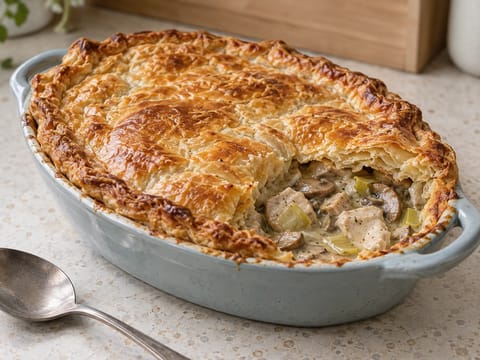
Chicken and mushroom pie with creamy leek sauce
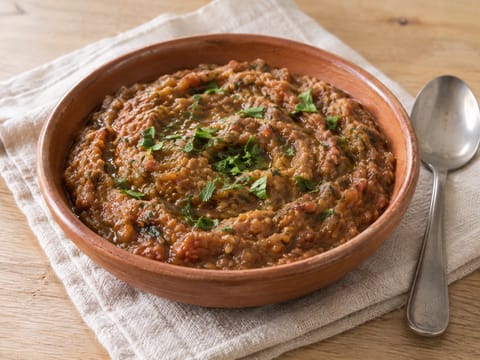
Smoky Moroccan aubergine and tomato salad served with bread
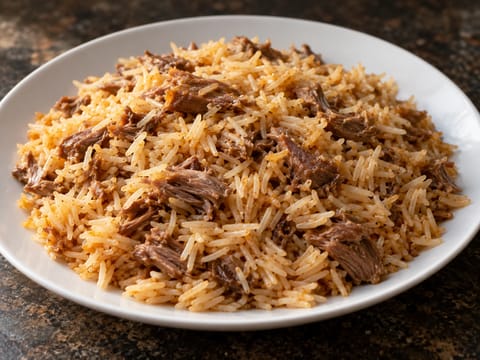
Turkish pilaf with basmati rice, lamb and warm spices
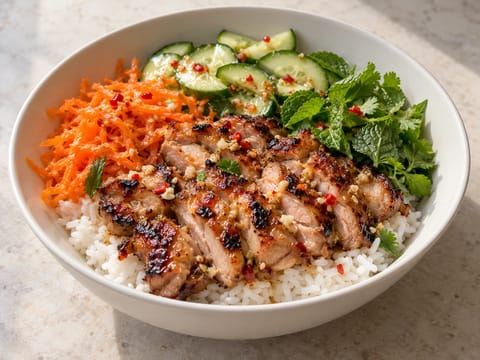
Grilled chicken bowl with jasmine rice, herbs and dressing
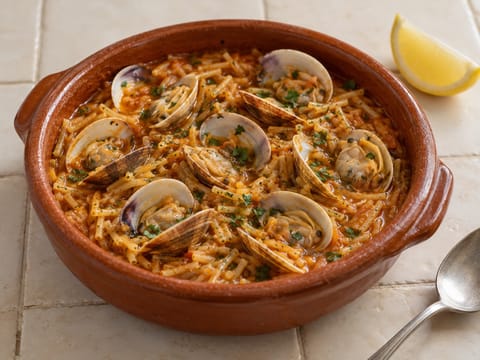
Toasted fideo noodles simmered with clams in fish stock
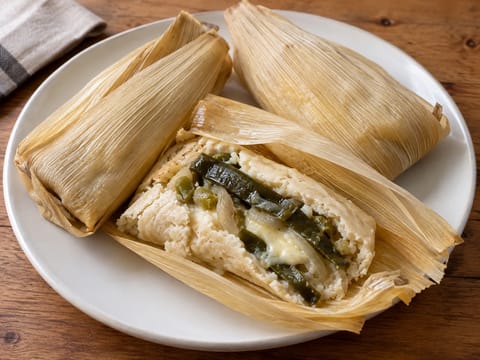
Steamed tamales filled with poblano strips and cheese
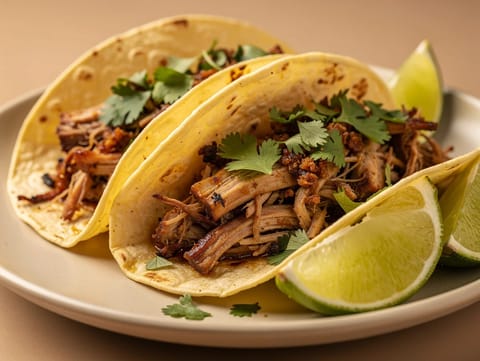
Slow-cooked pork carnitas braised with orange and spices
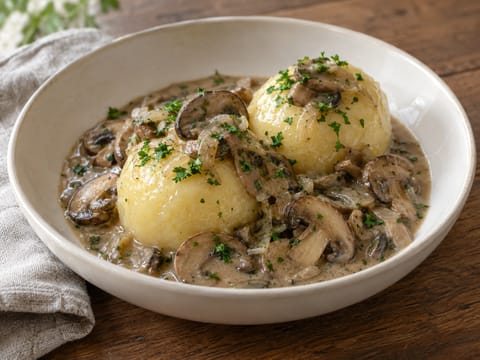
Potato dumplings served with creamy mushroom ragout
A frying pan usually has sloped sides, which makes it easier to toss and turn. A sauté pan has straighter, higher sides and often a lid, which helps with sauces and larger volumes of food.
It can be useful for eggs, fish and other delicate foods. Many cooks also keep a stainless-steel or cast-iron pan for higher-heat searing and pan sauces.
Common causes are overcrowding, heat that is too low, or food that is very wet. Dry the surface, give the pan time to heat, and cook in batches so moisture can evaporate.
Some are oven-safe, some are not. Check the handle material and any manufacturer guidance. Recipes that finish in the oven usually assume an oven-safe pan.
A sauté pan, a wok (for high-heat stir-frying), or a shallow casserole can sometimes stand in, depending on the technique. The key is a wide base for browning and enough side height to contain the food.
Many recipes sear first, then deglaze the hot pan with wine, stock or another liquid, scraping up browned bits. Reduce to concentrate, then finish with butter, cream or a splash of acid, depending on the style.
A frying pan is less about a single dish and more about a set of fast, direct-heat techniques. Once you match pan size and material to the job, recipes become easier to time and browning becomes more predictable.
