
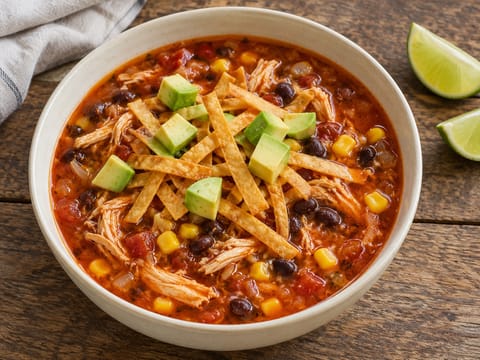
Chicken Tortilla Soup
Chicken tortilla soup with black beans, sweetcorn and tortilla strips

A frying pan is the workhorse for direct-heat cooking: searing, sautéing, shallow-frying and reducing sauces quickly. Recipes that specify a frying pan are usually relying on a wide base for evaporation and browning, plus enough side height to toss or stir without spilling. The details matter, though. A thin pan reacts quickly but can scorch; a heavier pan holds heat but needs a moment to recover after you add food. This guide helps you match pan type and size to the technique the recipe is asking for.
Size is the first decision. If the food is crowded, moisture builds up and you lose browning, so a larger pan often gives a better sear and crisper edges. Material comes next. Stainless steel is excellent for building fond for pan sauces, but it needs enough heat and fat to prevent sticking. Non-stick is useful for delicate foods and lower-fat cooking, though it is less suited to very high heat and aggressive deglazing. Cast iron holds heat well for steaks, chops and cornbread-style bakes, but it is slower to respond when you need to dial the heat down. Carbon steel sits between, with good heat response once seasoned. A lid turns a frying pan into a gentle steamer for finishing thicker pieces through.
Chicken tortilla soup with black beans, sweetcorn and tortilla strips
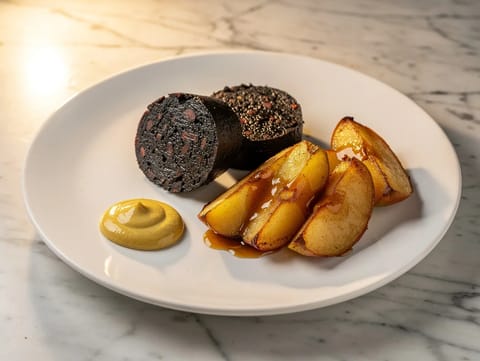
Crisp pan-fried blood sausage served with caramelised apples
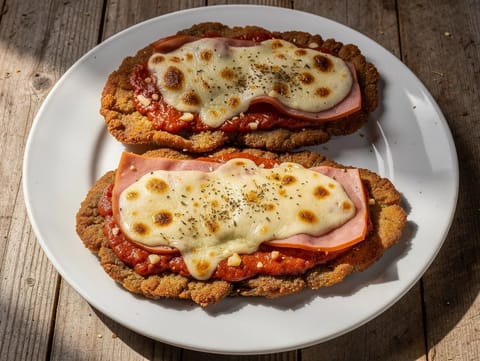
Crisp beef schnitzel topped with ham and melted mozzarella
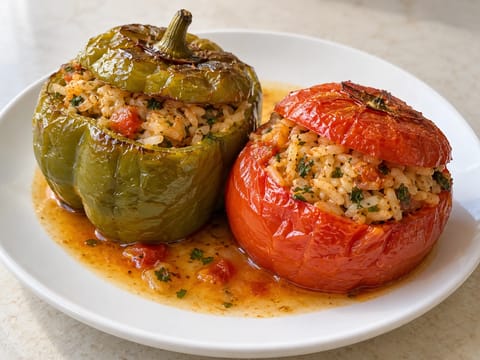
Peppers and tomatoes stuffed with herby rice and baked
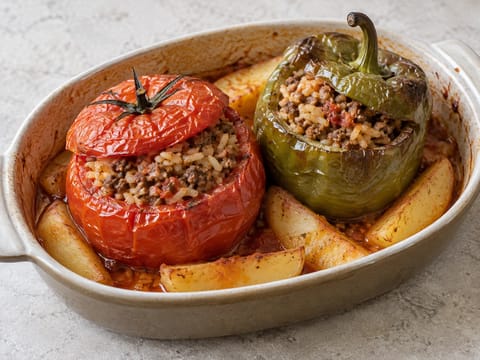
Greek stuffed tomatoes and peppers with rice and beef
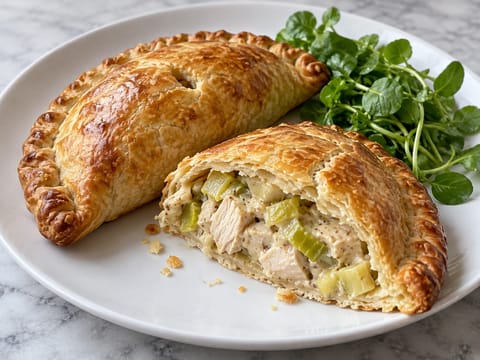
Baked chicken and leek pasty with a creamy mustard filling.
For crisp, browned surfaces, look for recipes that cook in batches and leave space around the food. For quick sautéing, you want small, evenly cut pieces that cook at the same rate, plus a pan that is easy to toss or stir. For shallow-frying, pay attention to side height and stability: you need room for oil and for turning without splashing. For pan sauces, recipes often ask you to deglaze after searing; stainless steel is particularly cooperative here because the browned bits release into the liquid. If a recipe involves finishing in the oven, check that the handle is oven-safe and that the pan is not too shallow for bubbling sauces.
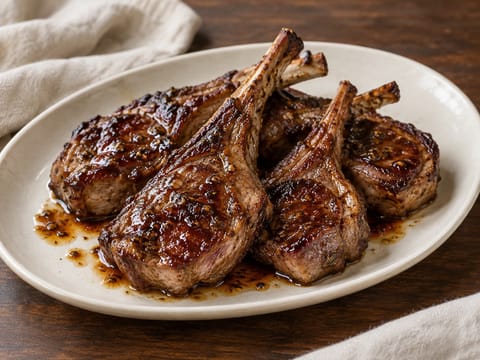
Pan-seared lamb chops with pomegranate glaze
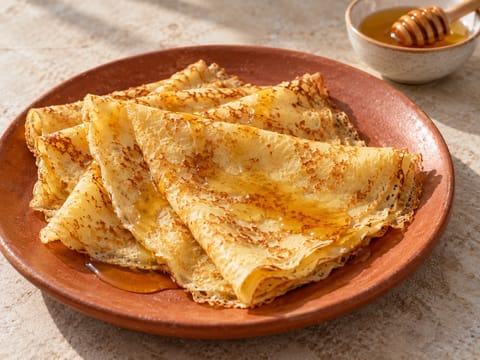
Thin Galician crepes served warm with honey
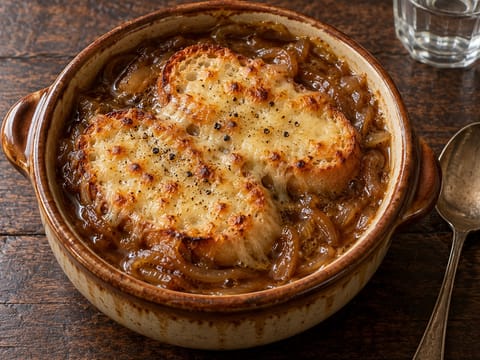
French onion soup gratin with Gruyère and baguette
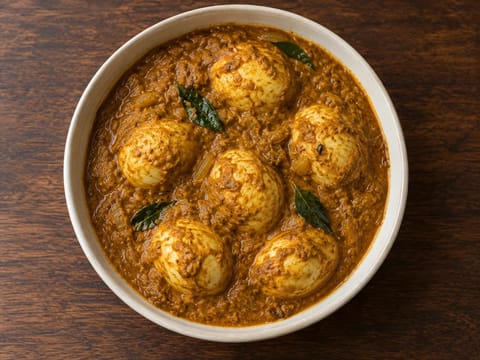
Boiled eggs in a roasted spice and coconut gravy
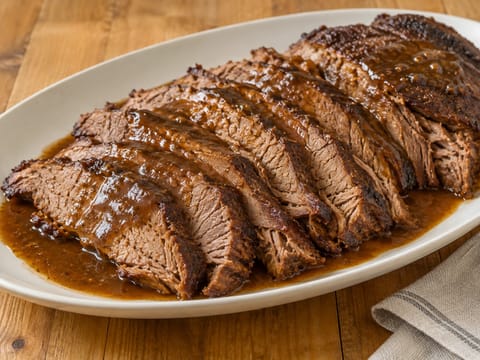
Slow-cooked beef brisket with smoky rub and gravy
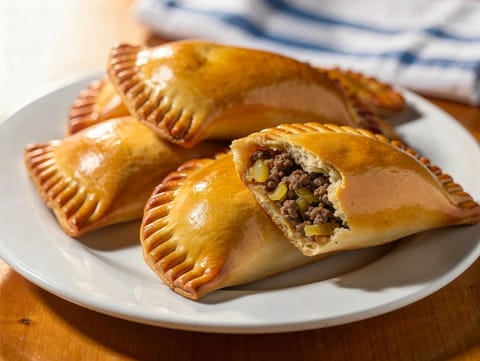
Baked pastries filled with minced beef, onion and spices
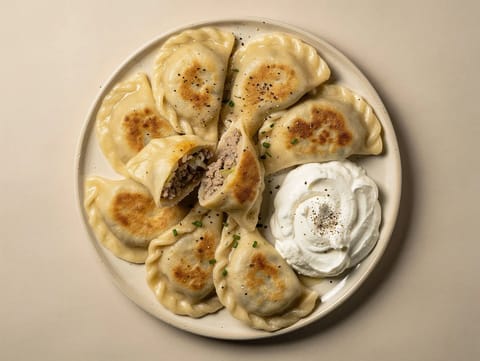
Polish meat-filled dumplings boiled then lightly fried in butter
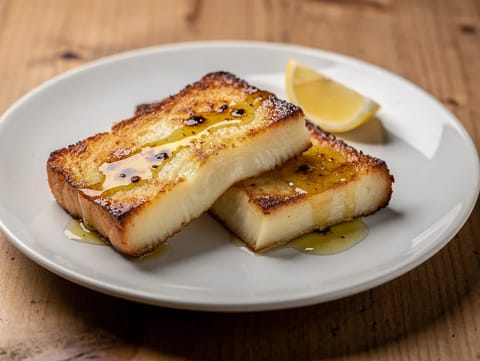
Greek fried cheese finished with a squeeze of lemon
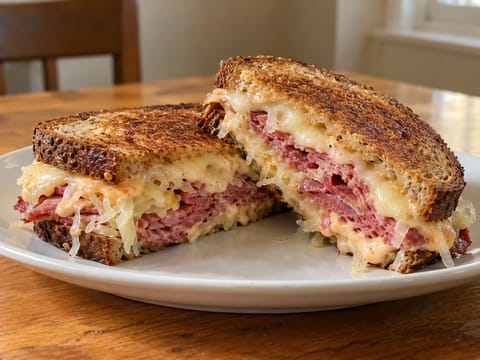
Toasted rye sandwich with corned beef, Swiss and sauerkraut
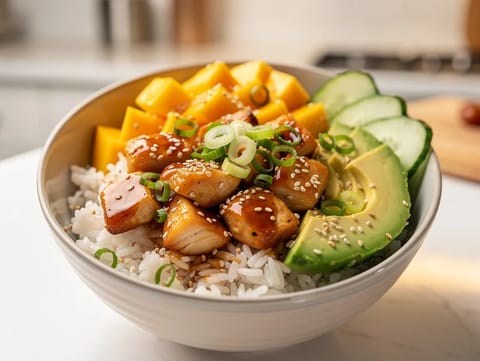
Sushi rice bowl with chicken, mango, and soy dressing.
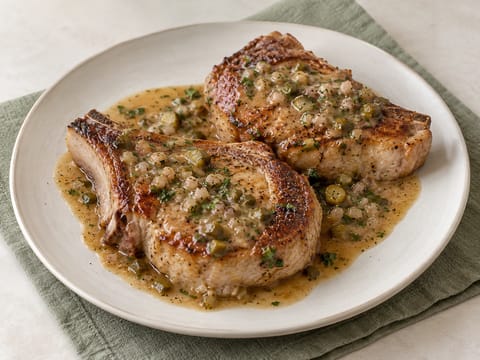
Seared pork chops with Dijon gherkin sauce
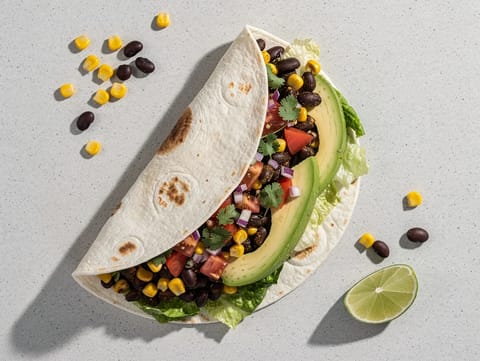
Toasted wraps filled with black beans, avocado and tomato salsa
Sticking often comes from adding food before the pan and fat are properly heated, especially with stainless steel. Give the pan time to heat, then add oil, then the food. Steaming is usually overcrowding: moisture has nowhere to go, so it condenses and softens the surface. Cook in batches and keep the heat steady. Burning can be as simple as heat that is too high for the pan’s thickness, or sugar-rich marinades that darken quickly. If you are using cast iron, remember it stores heat; reduce the flame earlier than you think and use the pan’s residual heat to finish gently.
Cooking method is the natural companion to frying pan recipes, because the same pan can be used for searing, sautéing, shallow-frying or finishing with a lid, each with different cues to watch. Difficulty can also help you gauge how much attention a recipe needs at the hob, from simple flipping to timing a pan sauce and managing heat changes.
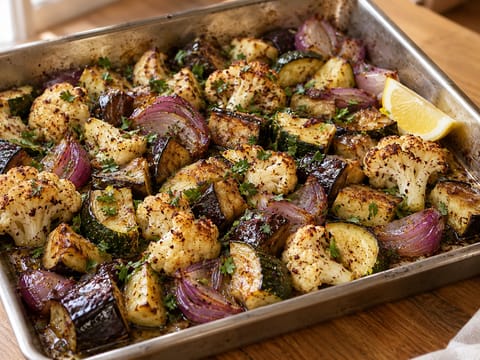
Roasted vegetables with sumac, lemon and olive oil
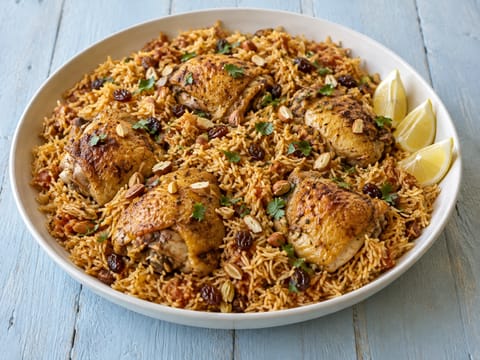
Saudi style kabsa with spiced chicken, rice, tomatoes and nuts
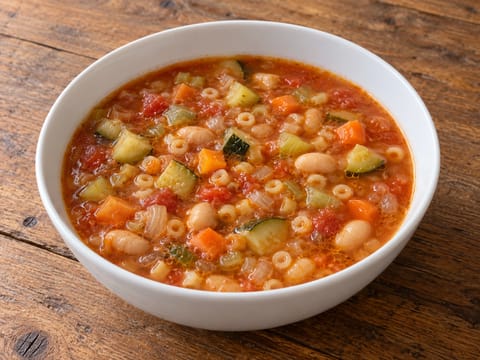
Italian minestrone with vegetables, cannellini beans and small pasta
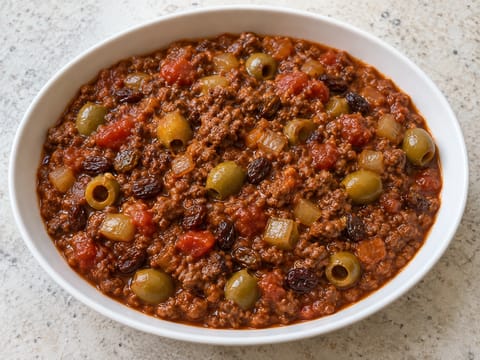
Minced beef picadillo with tomatoes, olives and raisins
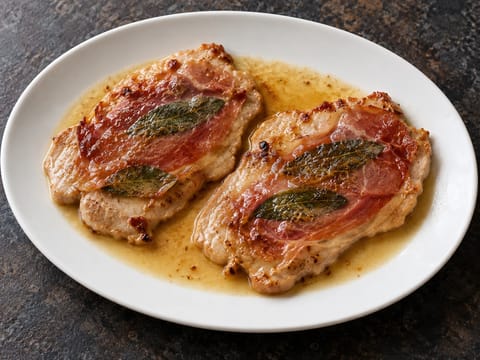
Pan-fried pork with prosciutto, sage and white wine butter sauce
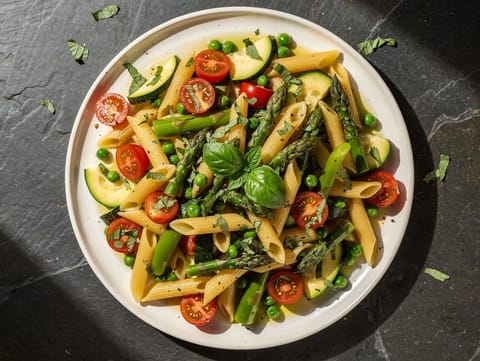
Vegan penne with sautéed spring vegetables and lemon
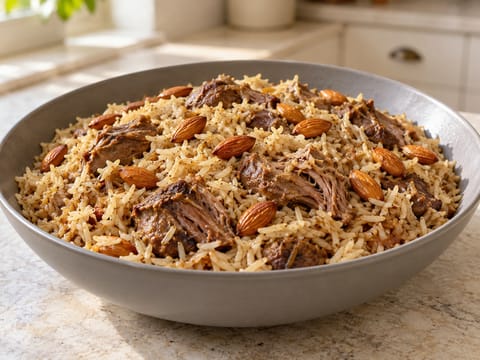
Slow-cooked lamb with spiced rice and toasted almonds
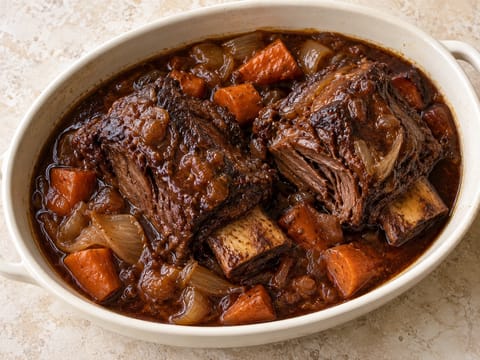
Slow-cooked beef short ribs in red wine sauce
A frying pan usually has sloped sides, which makes it easier to toss and turn. A sauté pan has straighter, higher sides and often a lid, which helps with sauces and larger volumes of food.
It can be useful for eggs, fish and other delicate foods. Many cooks also keep a stainless-steel or cast-iron pan for higher-heat searing and pan sauces.
Common causes are overcrowding, heat that is too low, or food that is very wet. Dry the surface, give the pan time to heat, and cook in batches so moisture can evaporate.
Some are oven-safe, some are not. Check the handle material and any manufacturer guidance. Recipes that finish in the oven usually assume an oven-safe pan.
A sauté pan, a wok (for high-heat stir-frying), or a shallow casserole can sometimes stand in, depending on the technique. The key is a wide base for browning and enough side height to contain the food.
Many recipes sear first, then deglaze the hot pan with wine, stock or another liquid, scraping up browned bits. Reduce to concentrate, then finish with butter, cream or a splash of acid, depending on the style.
A frying pan is less about a single dish and more about a set of fast, direct-heat techniques. Once you match pan size and material to the job, recipes become easier to time and browning becomes more predictable.
