
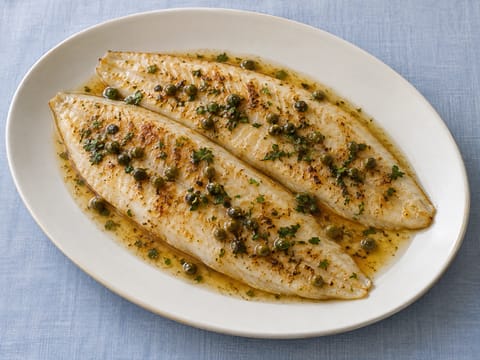
Grilled Dover Sole with Brown Butter and Capers
Grilled Dover sole with brown butter, capers and lemon

Grill recipes reward you for managing heat rather than simply turning food often. The key decisions are whether you need fierce direct heat for quick browning, gentler indirect heat for thicker pieces, or a mix of both to cook through without scorching. This page focuses on the practical pitfalls that make grilling frustrating, such as sticking, flare-ups and food that colours before it’s cooked, and the small adjustments that usually fix them.
A grill cooks with radiant heat from below (or above, depending on the design), plus convection from hot air moving around the food. That combination encourages fast surface browning and a lightly smoky, charred edge, especially when fat drips onto a hot surface and vapour rises back up. Grilling is not the same as barbecuing low and slow, and it is not the same as oven grilling (broiling), even though the flavour cues can overlap. Many grill recipes rely on two-zone cooking: a hotter area to sear and a cooler area to finish cooking more gently. If a recipe mentions a lid, it is usually aiming to trap heat so thicker foods cook through before the outside over-colours.
Grilled Dover sole with brown butter, capers and lemon
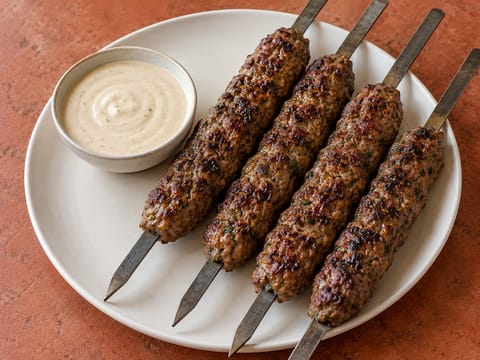
Grilled lamb kofta kebabs with tahini yoghurt sauce
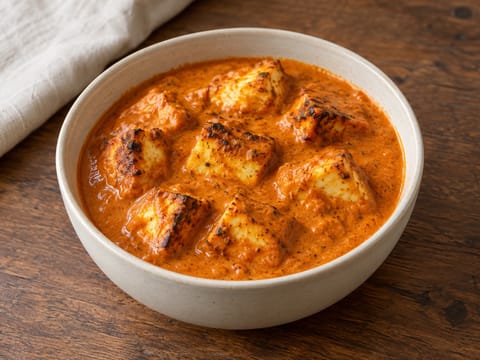
Grilled paneer in a creamy tomato and cashew masala sauce
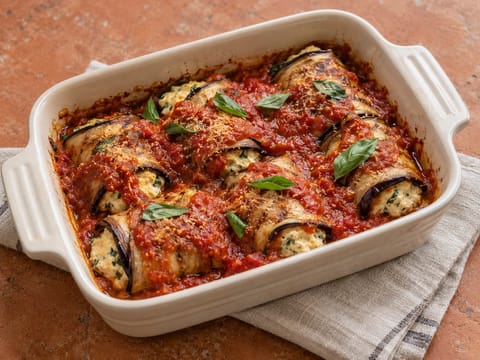
Aubergine rolls filled with ricotta and baked in tomato sauce
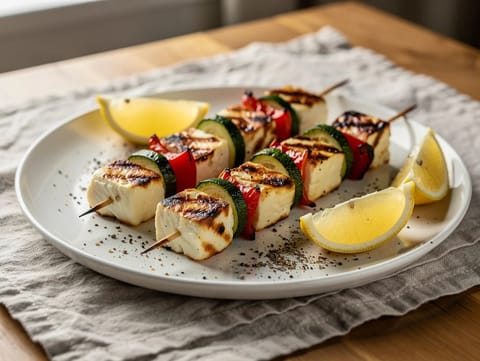
Grilled halloumi skewers with courgette, red pepper and oregano
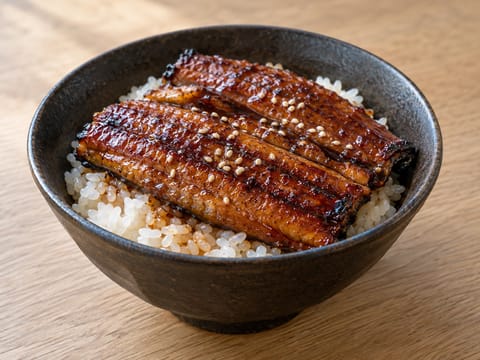
Grilled eel glazed with soy and mirin over rice
Food that sticks is often a heat and timing issue rather than a lack of oil. A properly heated grill helps proteins release once a crust forms; if you try to move them too soon, they tear. Flare-ups are usually driven by dripping fat and sugary marinades. Keep a cooler zone ready, and move food away from flames rather than repeatedly flipping in place. If the outside is charring before the centre is done, the grill is too hot for the thickness. Start on a cooler area, or sear briefly then finish with the lid down. Finally, don’t underestimate carryover heat: taking food off just before it seems “perfect” often prevents dryness, especially with lean cuts and fish.
Grilled eel glazed with soy and mirin over rice
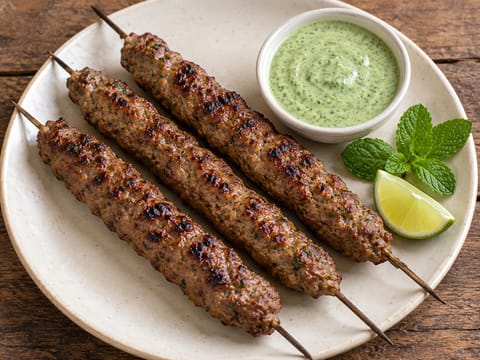
Grilled lamb seekh kebabs served with mint chutney
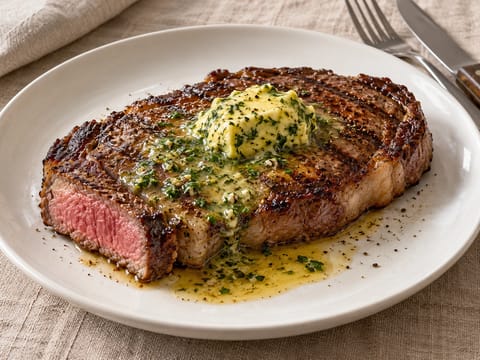
Grilled entrecôte with melting Café de Paris butter
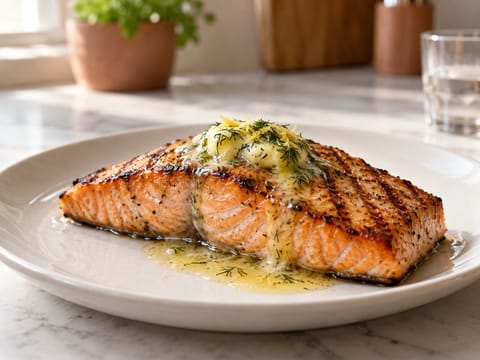
Grilled salmon topped with lemon and dill butter
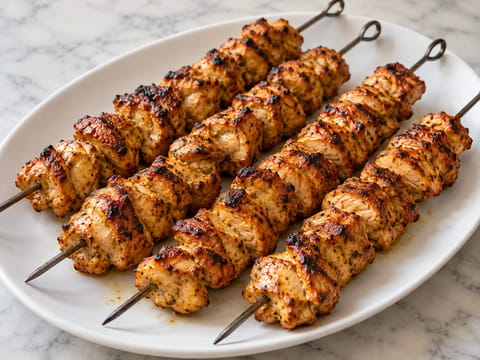
Turkish chicken skewers in a yoghurt, lemon and garlic marinade
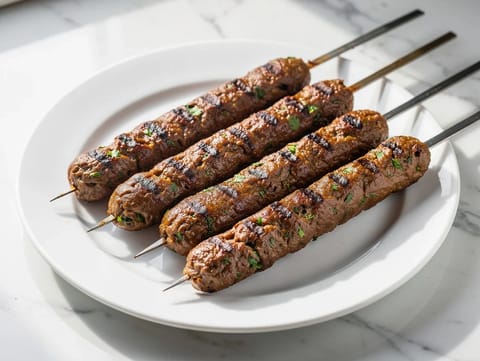
Minced lamb kefta skewers with onion, garlic and spices
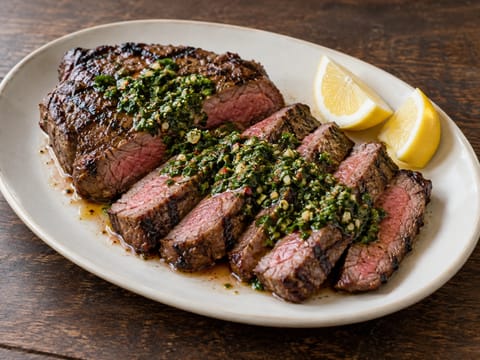
Grilled steak with parsley chimichurri, chilli and lemon
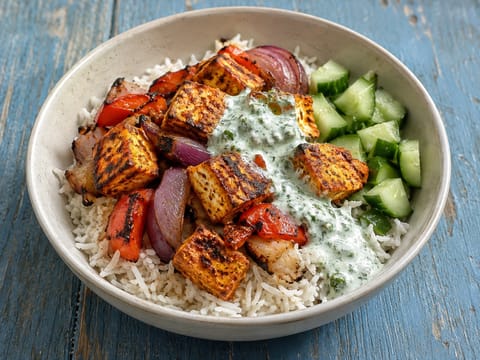
Paneer tikka bowl with rice, grilled vegetables and mint yoghurt
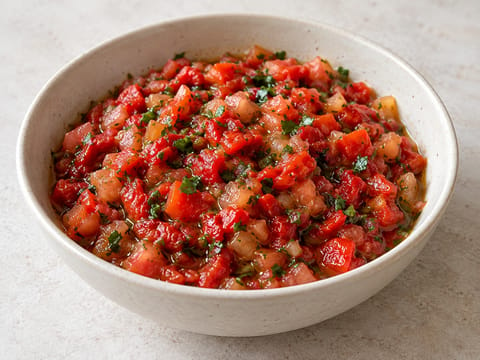
Charred red pepper salsa with tomato, garlic and sherry vinegar
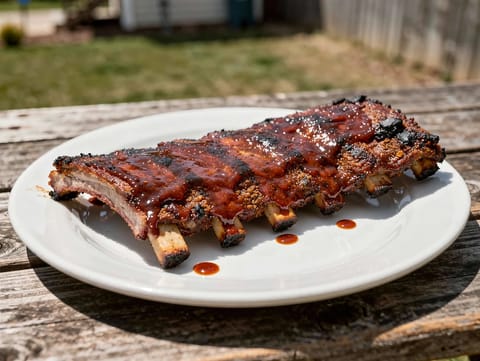
Slow-baked pork ribs with a smoked paprika brown sugar rub
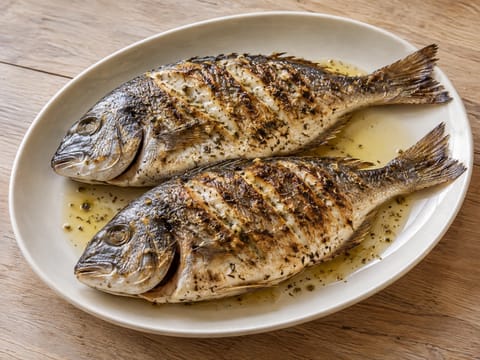
Whole grilled sea bream with lemon, oregano and garlic
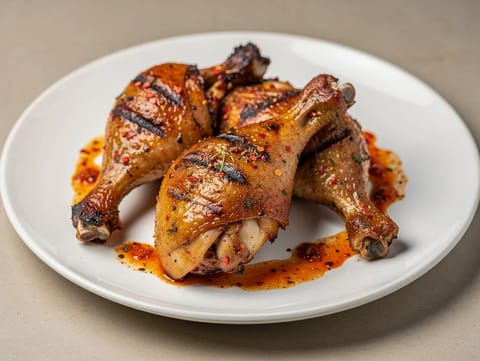
Portuguese grilled chicken marinated with piri-piri, garlic and lemon
For thin, quick-cooking foods, look for recipes that lean on direct heat and short contact time: skewers, sliced vegetables, prawns, thin steaks and flatbreads all benefit from fast browning. For thicker pieces, choose recipes that build in a gentler finish, often by using a lid, indirect heat, or a two-stage approach. If a recipe uses a glaze or sweet sauce, expect it to go on late, once the surface has already coloured, to reduce burning. For delicate foods, recipes that specify a grill basket, foil, or a plancha-style surface are usually aiming to prevent breakage and sticking. When the goal is simply even cooking with less smoke, a heavy frying pan or oven tray can be the more predictable route.
If you want to compare outcomes rather than equipment, browse by Cooking method to see when grilling is used for searing, charring or finishing. Difficulty is also useful here: some grill recipes are straightforward, while others depend on confident heat control and timing cues.
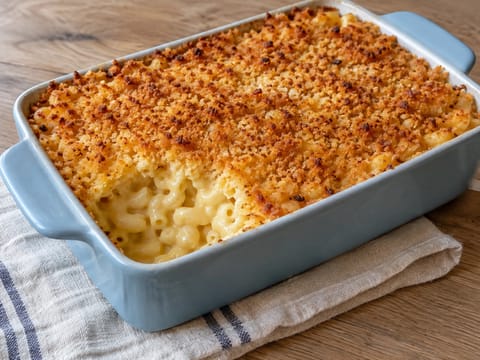
Baked macaroni cheese with a crisp breadcrumb topping
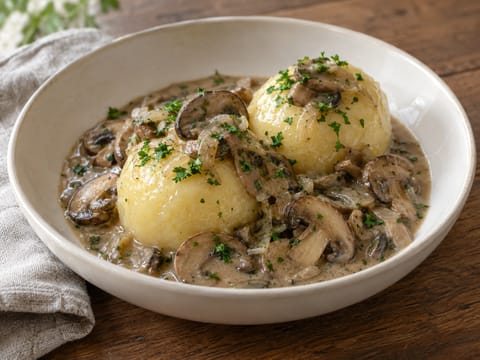
Potato dumplings served with creamy mushroom ragout
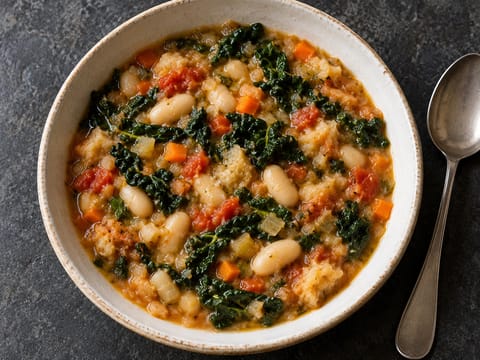
Vegan Tuscan bean and bread soup with cavolo nero
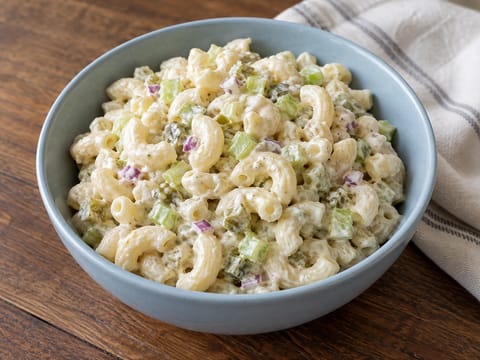
Macaroni salad with mayonnaise, celery, red onion and gherkins
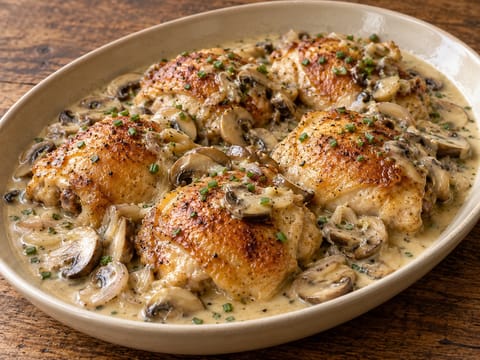
Chicken braised in Riesling with mushrooms
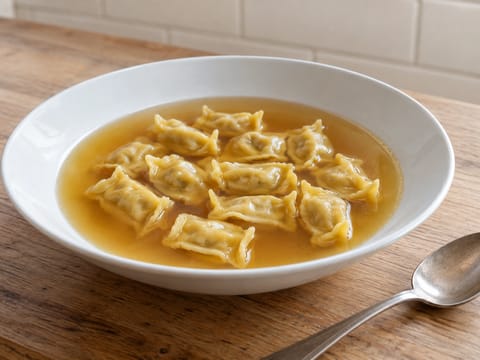
Filled agnolotti served in a clear hot beef broth
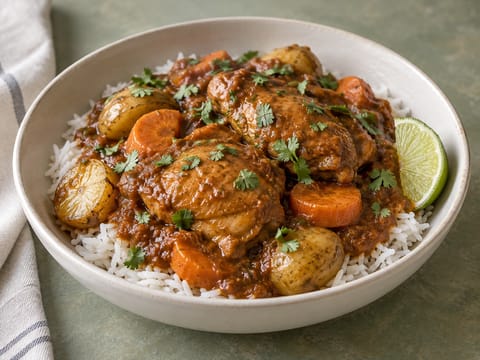
Pepián chicken served over rice with potatoes and carrots
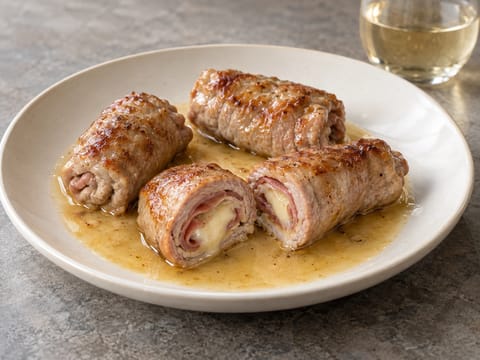
Veal rolls filled with prosciutto and melted fontina
Not necessarily. Grilling usually means cooking over relatively high heat for quicker browning, while barbecuing often refers to lower, slower cooking with smoke. Some recipes blur the line, but the heat level and time are the practical difference.
A lid helps when you need the heat to circulate so thicker foods cook through without the outside burning. For very thin foods, an open grill can be easier because you can watch browning closely.
Sticking often happens when the grill is not hot enough, or when you try to turn food before a crust has formed. Preheating and giving the food time to sear usually helps it release.
Flare-ups are commonly caused by dripping fat or sugary marinades. Keep a cooler zone, move food away from flames, and add sweet glazes towards the end rather than at the start.
Yes. Recipes may use larger cuts, skewers, a grill basket, foil, or a flat metal surface so smaller pieces don’t drop between the grates.
When you want steady, even heat with less smoke, or when the food is very delicate. A heavy pan can also give good browning without the flare-up risk of dripping fat.
The most reliable grill cooking comes from matching heat level to thickness, and keeping a cooler area ready for control. Once you know whether a recipe needs searing, gentle finishing, or both, the rest becomes simple timing and attention.
