Misen Carbon Steel Nonstick Frying Pan 12 Inch
- Works on all stovetops
- Naturally nonstick when seasoned
- Requires seasoning and maintenance
A large frying pan is mainly about surface area. More space means ingredients can sit in a single layer, moisture evaporates rather than pooling, and browning happens sooner. That changes the outcome of many pan-cooked recipes, from sautéed vegetables to seared chicken pieces, stir-fries and one-pan sauces. The limitation is depth. A frying pan is not designed for large volumes of liquid, and it can struggle with splashing or uneven simmering if you treat it like a pot. Understanding that trade-off helps you choose the right pan, or adapt the method when you do not have one.
A large frying pan is a wide, relatively shallow pan with sloped or straight sides, designed for cooking over direct heat with plenty of contact between food and hot metal. “Large” is less about a specific diameter and more about whether you can cook your ingredients without crowding. In recipe terms, it often signals that the method relies on evaporation and browning, or that you will add a sauce that needs room to bubble without boiling over. It does not automatically mean high heat all the time. Many pan recipes move between searing, sweating and gentle simmering, and the pan’s size simply gives you control over how wet or dry the cooking environment becomes.
Our recommended options if you're looking for a Large frying pan.

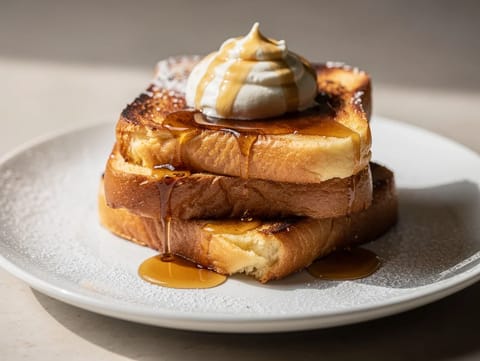
Custard-soaked brioche French toast with crème fraîche and maple syrup

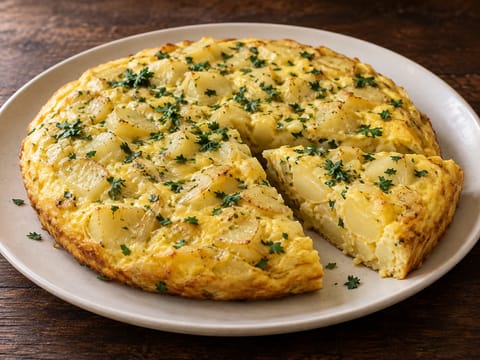
Potato frittata with onion and parmesan

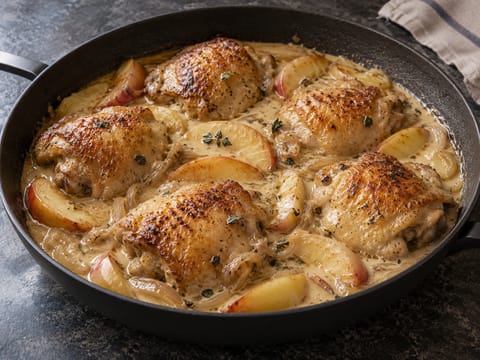
Chicken with Calvados, apples and double cream sauce

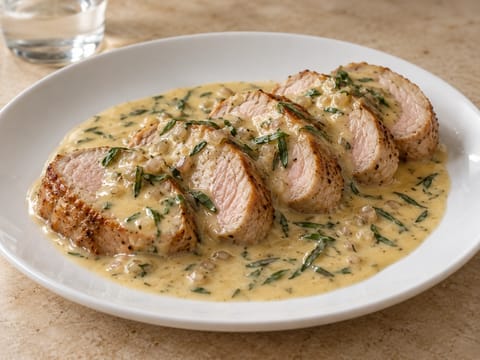
Seared pork tenderloin with Dijon and tarragon cream sauce

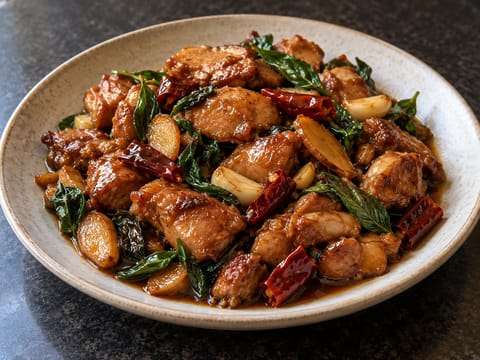
Three-cup chicken with basil, soy sauce and sesame oil

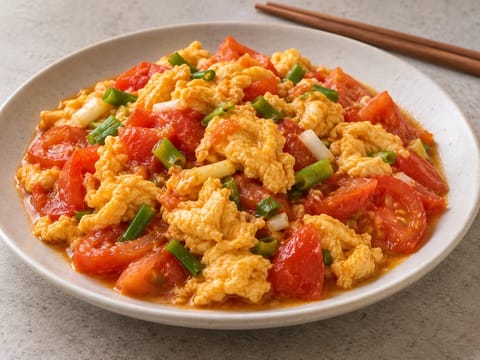
Soft eggs stir-fried with juicy tomatoes and spring onions
A large frying pan excels at quick, even cooking where you want colour and a little fond on the base: sautéing, shallow-frying, pan-roasting and reducing sauces. It is also useful for recipes that start with browning and finish with a brief simmer, because you can build flavour in the same pan and keep the sauce in contact with the browned bits. The struggle points are volume and height. If you are cooking long pasta, boiling potatoes, or making a big batch of soup, a pot is simply safer and more efficient. If a recipe involves a lot of liquid or vigorous bubbling, a deeper vessel reduces splashes and gives more even heat through the liquid.

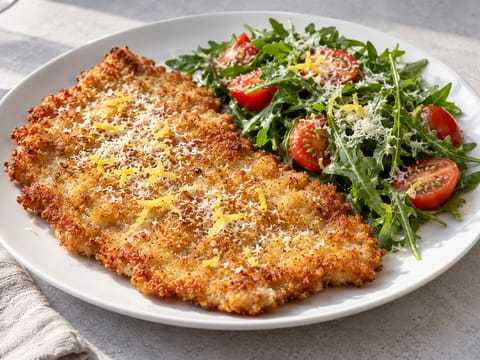
Crisp breadcrumbed veal with rocket and tomato salad

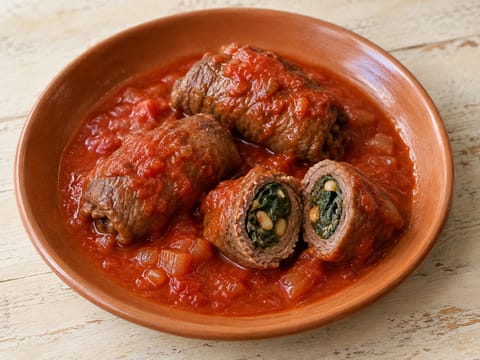
Beef rolls with spinach, pine nuts and Parmesan in tomato sauce

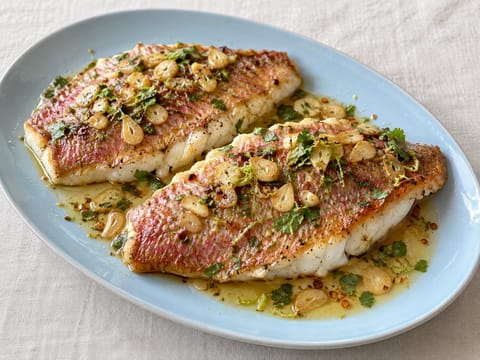
Pan-fried red snapper topped with garlic butter and lime

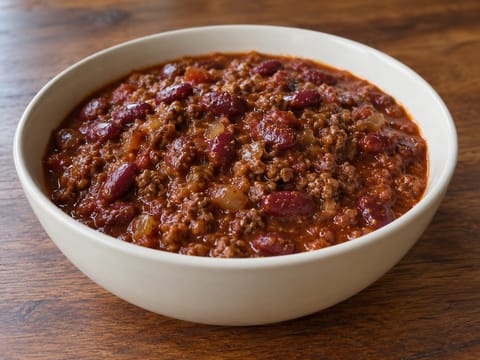
Slow-cooked beef chilli with kidney beans and tomatoes

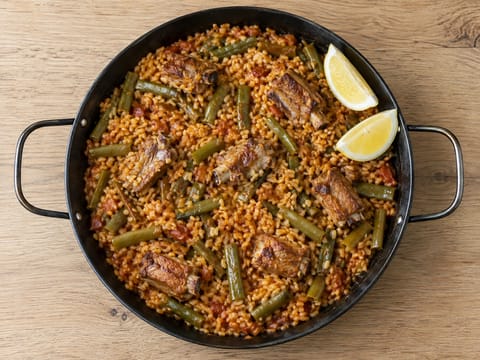
Spanish rice with pork ribs, green beans and paprika

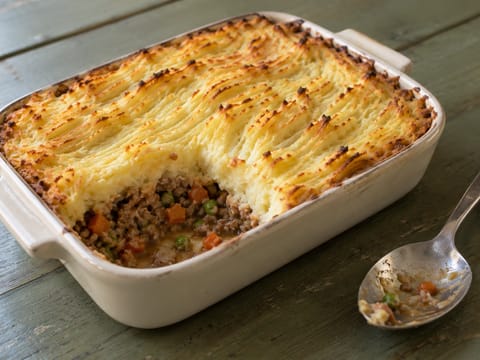
Shepherd’s pie topped with buttery mashed potatoes

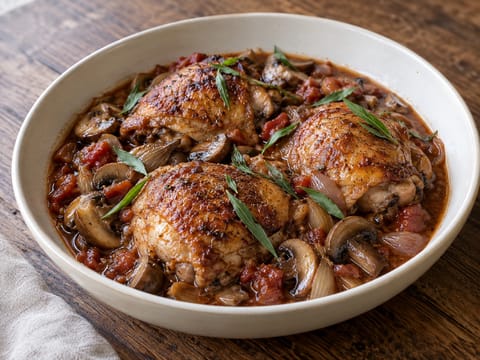
Chicken simmered with mushrooms, tomato, white wine and tarragon

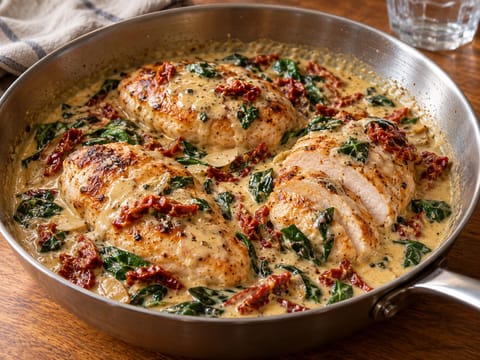
Seared chicken in creamy sauce with sun-dried tomatoes and spinach

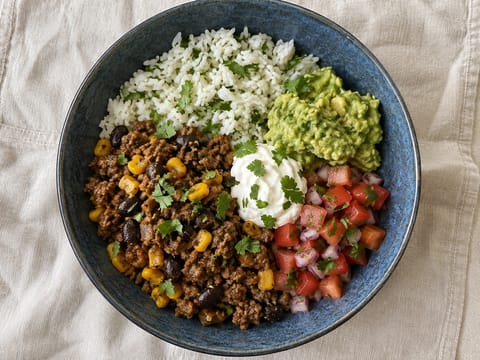
Burrito bowl with minced beef, black beans and guacamole

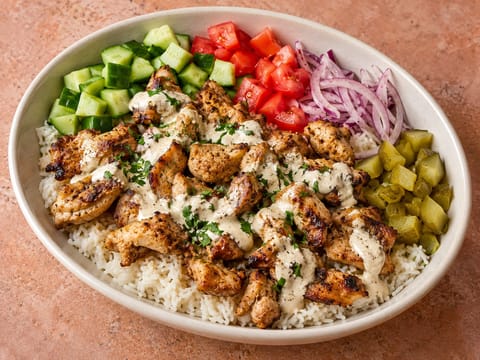
Modern shawarma bowl with spiced chicken, rice and tahini yoghurt

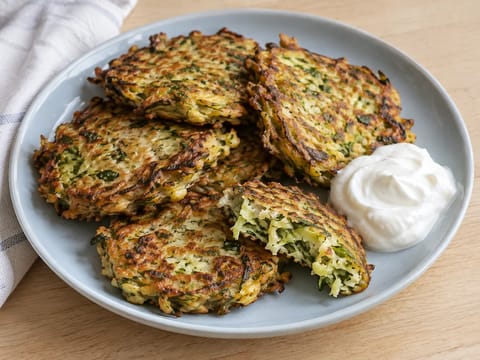
Crisp courgette fritters with herbs, served with yoghurt

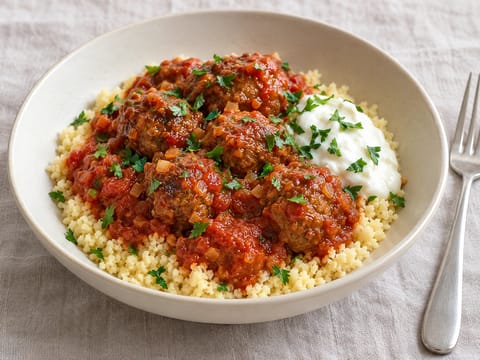
Lamb meatballs in tomato sauce served over couscous
Crowding is the big one. When the pan is too full, ingredients steam and soften before they brown, and you can end up with pale meat and watery vegetables. Cook in batches if needed, or use a second pan. Another issue is moving food too soon. Many proteins release naturally once a crust forms; if you try to flip early, they tear and stick. Finally, be cautious with heat when adding wet ingredients to a hot pan. Wine, stock or tomatoes can spit as they hit the surface. Take the pan off the heat briefly if needed, and add liquids steadily rather than dumping them in one go.
Cooking method is the most useful companion to a large frying pan, because techniques like sautéing, shallow-frying and pan-roasting depend on surface area and heat control. Difficulty can also help you choose recipes that match your confidence with timing, turning and managing heat without over-browning.

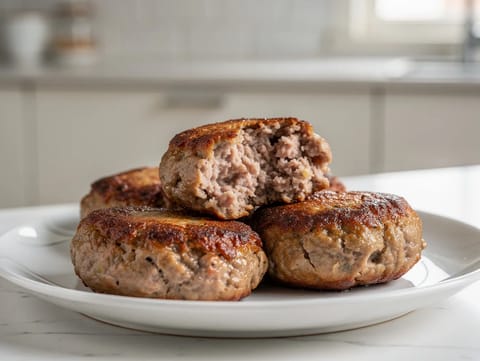
Danish pan-fried pork meatballs with onion and breadcrumbs

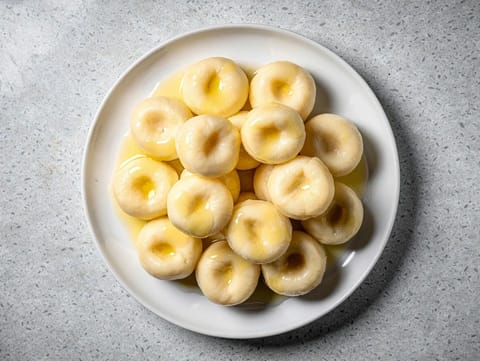
Soft Silesian potato dumplings simmered until tender

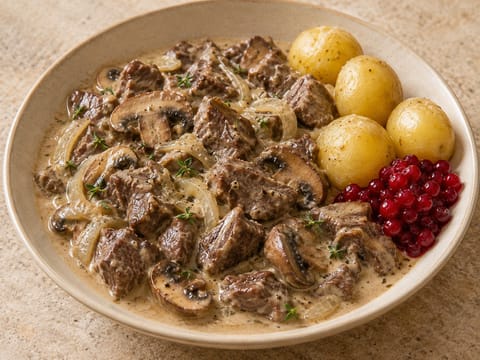
Nordic reindeer stew with cream and mushrooms

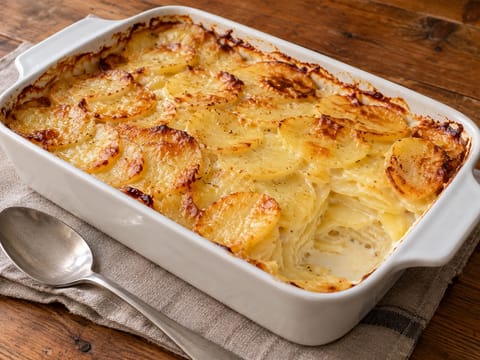
Danish creamed potatoes baked with garlic and nutmeg

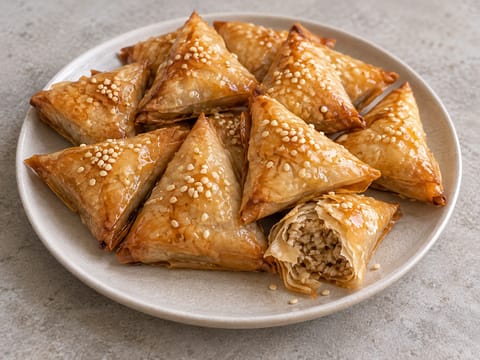
Baked almond briouats brushed with honey and sesame seeds

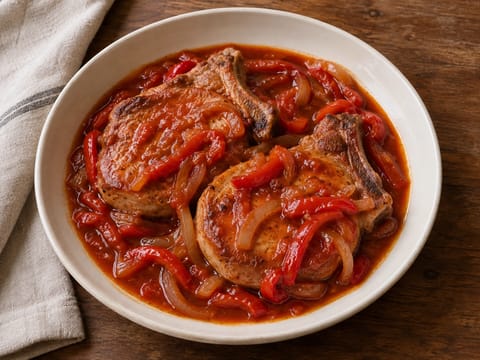
Pork chops simmered with peppers in Rioja wine sauce

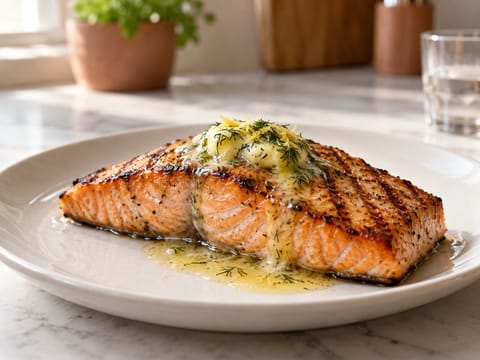
Grilled salmon topped with lemon and dill butter

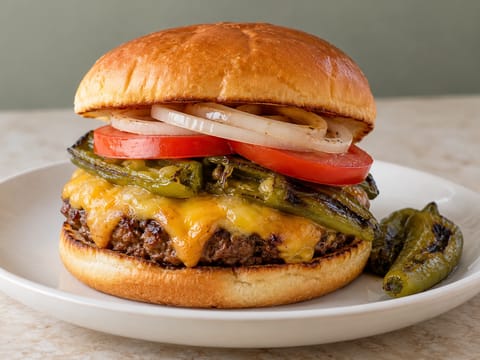
Beef burgers with roasted green chillies and cheddar
Often, yes. A wok’s shape helps with tossing and high-heat cooking, but a large frying pan can still stir-fry effectively if you keep ingredients in a single layer and cook in batches when necessary.
Reduce the batch size or cook in stages, then combine at the end. Crowding is what changes the result most, so giving ingredients space matters more than the exact pan size.
The pan may not be hot enough, or the food is being moved before it has browned. Preheat properly, add oil, then add food and give it time to form a crust before turning.
Non-stick is forgiving for delicate foods and lower-fat cooking. Stainless steel is better for developing fond and pan sauces, but it demands more attention to heat and timing to prevent sticking.
Yes, especially for reductions and quick sauces. For larger volumes or longer simmering, a deeper pan or pot is easier to manage and less likely to splash.
If the method depends on browning, choose the widest pan you have and keep ingredients spread out. If the method depends on volume and simmering, switch to a deeper pot and you will spend less time managing splashes.