
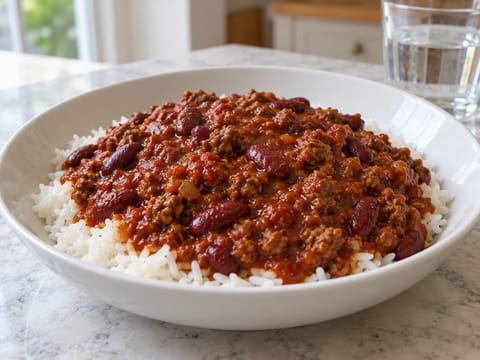
Chilli con Carne (Minced Beef and Kidney Bean Stew)
Spiced minced beef and kidney bean chilli served with rice

A large pot is about capacity and steady heat. It gives you enough depth for boiling pasta, simmering soups and stews, cooking grains, blanching vegetables, or making stock without constant topping up. The extra volume also makes cooking calmer: liquids are less likely to boil over, and you can stir without sloshing. The trade-off is responsiveness. A big pot takes longer to heat and cool, and it can be inefficient for small quantities. Knowing when a recipe genuinely needs a large pot helps you avoid watery results, scorched bases and awkward overcrowding.
Choose a large pot when the method involves a lot of water or a long, gentle simmer. Boiling pasta and potatoes works better with enough water to return to the boil quickly after you add food. Soups, stews and stocks benefit from depth because ingredients can be fully submerged and the surface can simmer without splashing. A large pot is also useful for blanching, where you want water hot enough to cook quickly and then recover its temperature. Where it is less helpful is high-evaporation cooking. If you are reducing a sauce or trying to brown ingredients, a wide, shallower pan gives faster evaporation and better contact with heat.
Spiced minced beef and kidney bean chilli served with rice
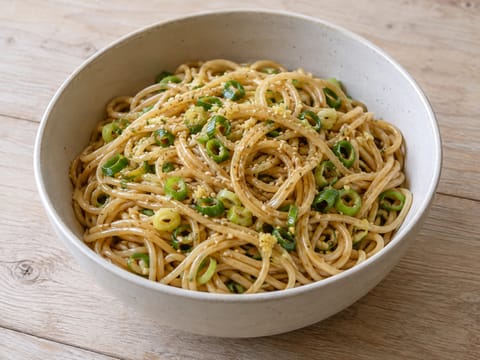
Wheat noodles with ginger spring onion oil and soy
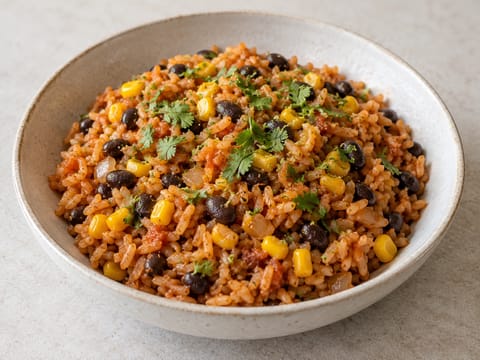
One-pot rice with black beans, sweetcorn and lime
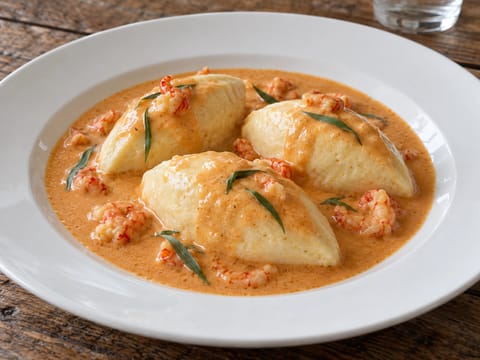
Poached pike dumplings served with creamy crayfish Sauce Nantua
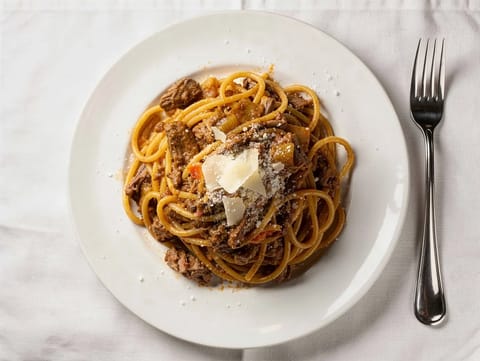
Spaghetti with onion-braised beef sauce and Parmesan
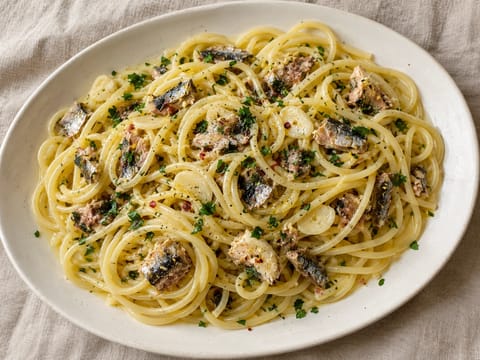
Smoked sardine pasta with lemon, garlic and parsley
Overfilling is the obvious one, but the more subtle issue is under-seasoning. Large volumes dilute salt and aromatics, so recipes often ask you to season in stages and taste as you go. Another mistake is starting with too high a heat and walking away. Big pots can take time to come up to temperature, then suddenly surge into a rolling boil and foam over, especially with starchy foods. Reduce to a steady simmer once boiling. Finally, do not ignore the base. Thick soups and porridge-like mixtures can catch if you do not stir down to the bottom, particularly on powerful burners where the heat is concentrated in the centre.
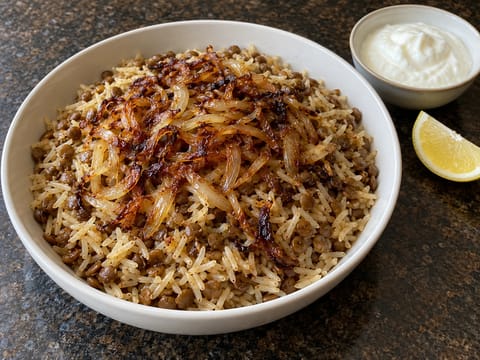
Lentils and rice topped with caramelised onions
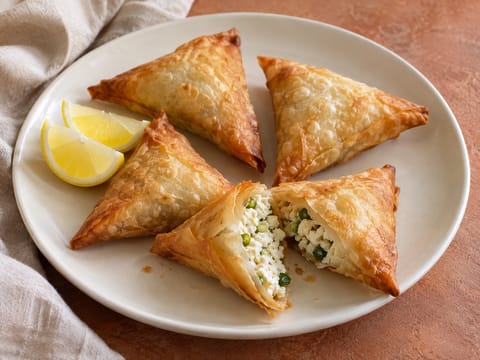
Crisp fried pastries filled with cheese, herbs and spring onion
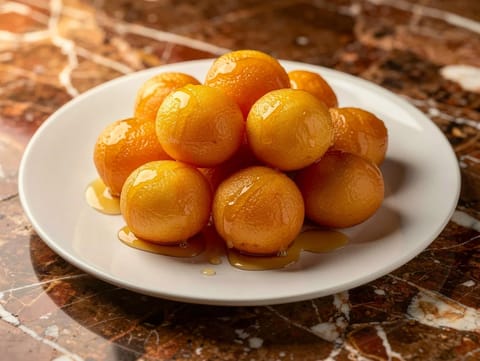
Fried dough bites soaked briefly in lemon syrup
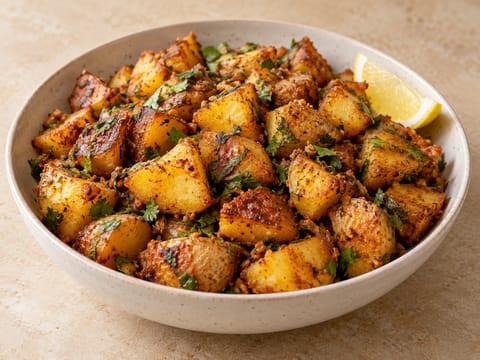
Crisp-edged potatoes seasoned with cumin, paprika and lemon
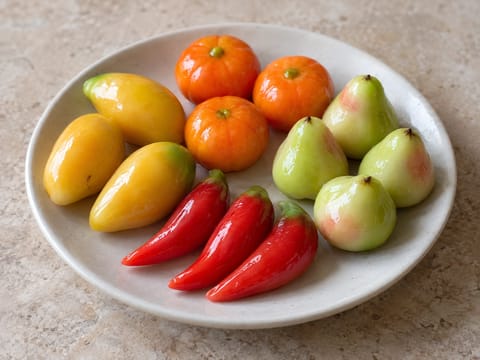
Fruit-shaped Thai mung bean sweets glazed with a clear agar coating
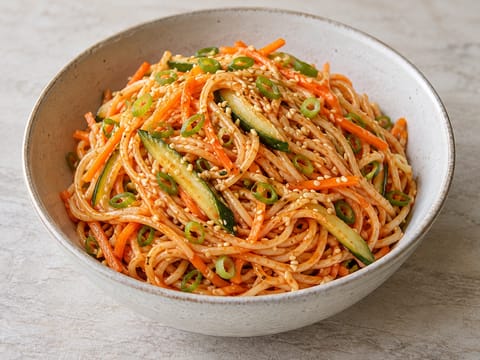
Spicy noodle salad with gochujang dressing, cucumber and carrot
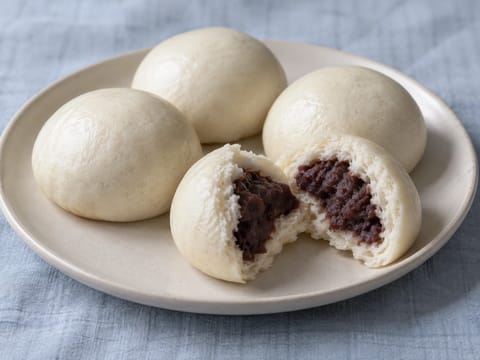
Fluffy steamed baozi filled with sweet red bean paste
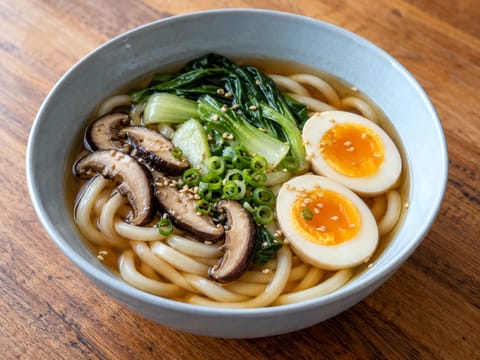
Udon noodles in soy dashi broth with egg and greens
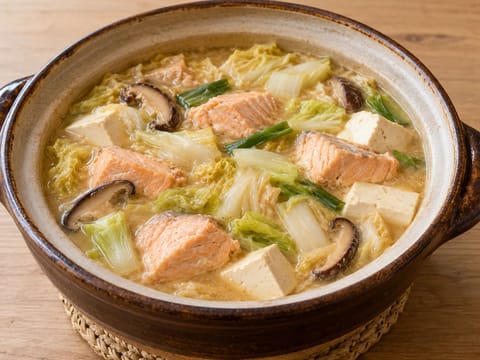
Salmon and tofu hot pot simmered in a savoury miso broth
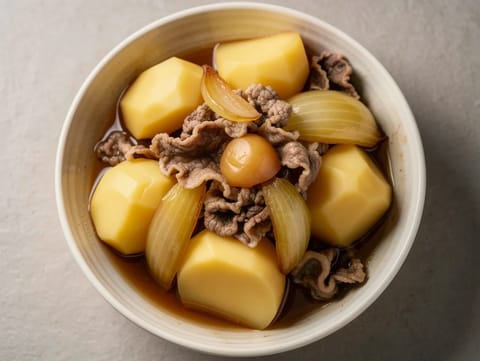
Japanese beef stew with potatoes and onion in a savoury broth
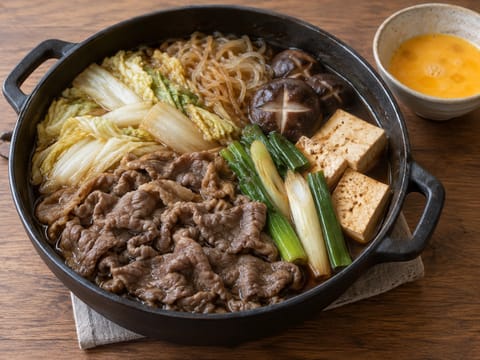
Japanese beef hot pot with tofu, cabbage and mushrooms
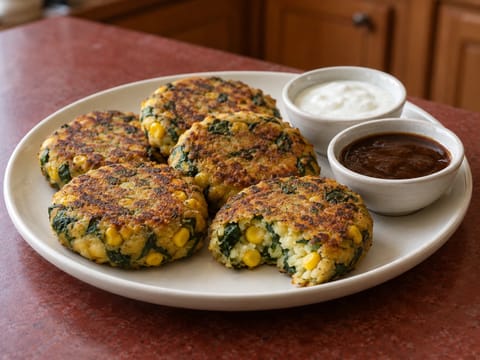
Crisp corn and spinach tikkis with yoghurt for dipping
If the recipe is about boiling, you can often split the job between two smaller pots. This keeps the water at a stronger boil and prevents crowding. For soups and stews, a deep sauté pan or a Dutch oven can substitute, though you may need to adjust the simmer to prevent excessive evaporation. If the recipe needs a large volume mainly for blanching, a wide pot is often more effective than a very tall one because it heats more evenly and is easier to retrieve food from quickly. Whatever you use, match the vessel to the behaviour you need: room for bubbling, enough depth to submerge, and a base that will not scorch.
Cooking method pairs naturally with a large pot because boiling, simmering and braising each place different demands on capacity and heat control. Difficulty can also help set expectations: some pot-cooked recipes are largely hands-off, while others need attentive stirring and careful simmering to avoid catching or boiling over.
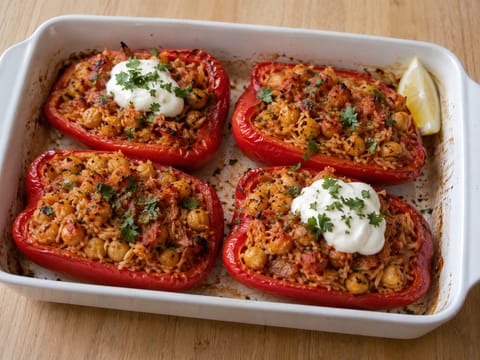
Baked peppers stuffed with spiced rice and chickpeas
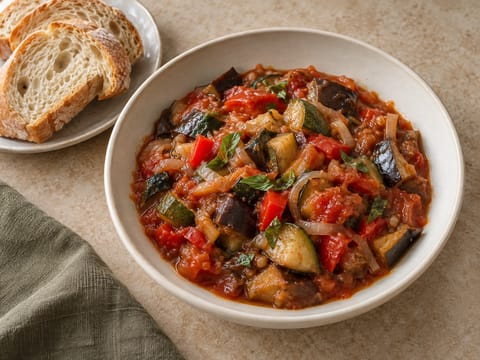
Slow-cooked ratatouille served with crusty bread
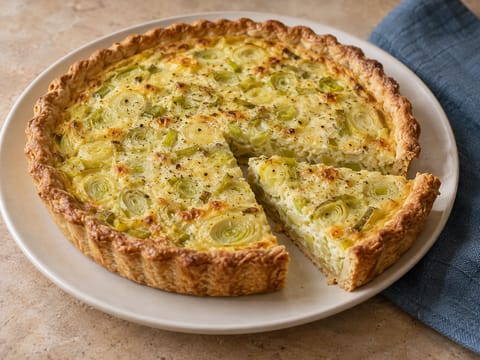
Leek and cream tart baked in shortcrust pastry
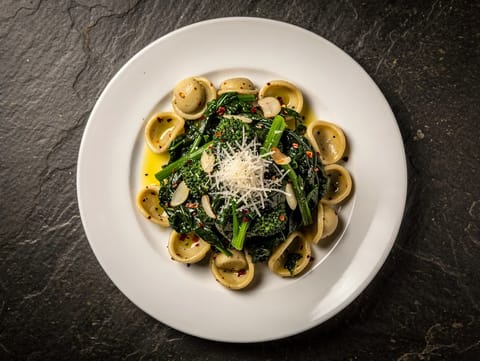
Orecchiette with broccoli rabe, garlic, chilli and pecorino
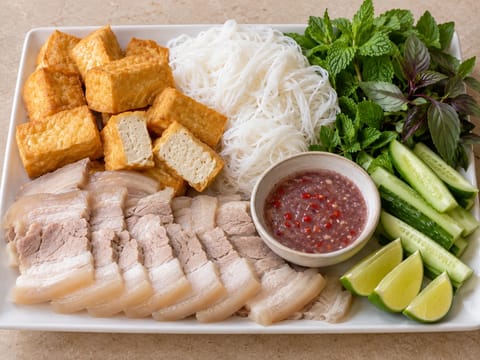
Tofu and pork belly platter with bún and mắm tôm
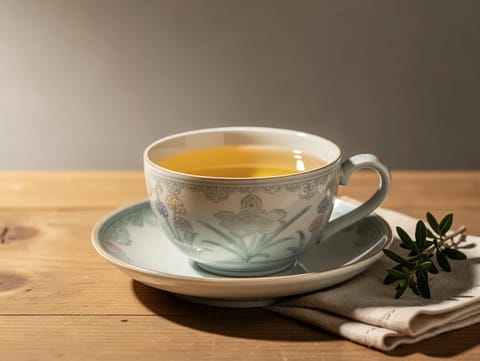
Korean corn tea simmered from toasted sweetcorn kernels
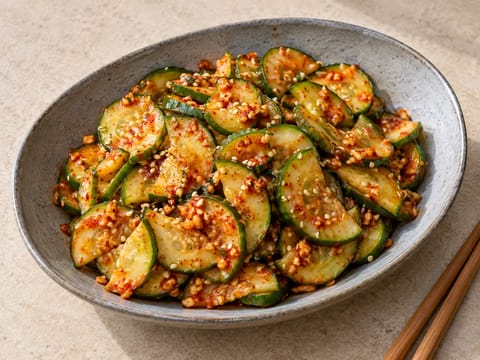
Spicy cucumber salad with gochugaru, vinegar and sesame oil
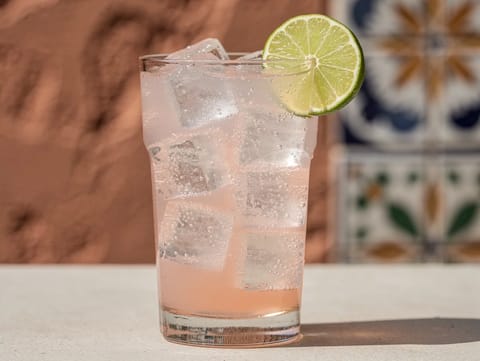
Tequila and grapefruit cocktail topped with soda water
You want headroom. For boiling, leave space for bubbling and foam. For simmering, the liquid should cover ingredients comfortably without sitting right at the rim when you stir.
Usually because it was not stirred in the first minute or two, or the water was not at a strong boil when the pasta went in. A large pot helps, but technique still matters.
Sometimes, but it depends on the pot’s width. Browning needs surface area; if the base is narrow, meat steams. Brown in batches, or use a wide pan and transfer.
A tall pot holds volume in a smaller footprint, but a wider pot is often easier for stirring, reducing, and retrieving food. The best shape depends on whether you need depth, surface area, or both.
Heat may be too high for the thickness of the soup, or stirring is not reaching the base. Lower the heat to a gentle simmer and stir more thoroughly, especially with starchy or creamy soups.
Reach for a large pot when you need stable boiling or a calm simmer with plenty of headroom. If the goal is browning or fast reduction, a wider, shallower pan will usually do the job more efficiently.
