
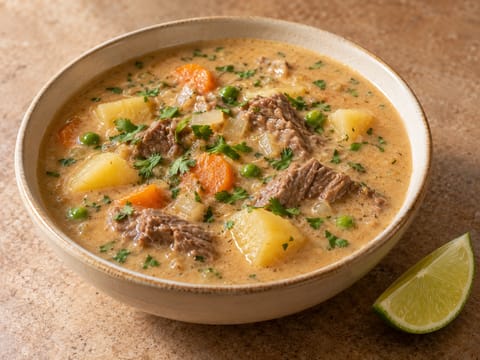
Sopa de Maní (Bolivian Peanut Soup with Beef)
Bolivian peanut soup with beef and potatoes

Measuring cups look straightforward, but most measuring errors come from using the right tool in the wrong way. Dry measuring cups are designed to be filled and levelled; liquid measuring jugs are designed to be read at eye level. Swap those roles and you can be surprisingly far off, especially with flour, sugar and sticky ingredients. If a recipe depends on ratios, as many bakes do, consistent measuring matters more than perfection. The aim is repeatability: you want the same cupful to mean the same thing every time you cook.
Dry measuring cups are usually a set of nested cups with a flat rim. You fill them to the top and level off, which gives a consistent volume. Liquid measuring cups are typically a jug with a spout and headspace above the marked line, so you can pour without spilling. They are meant to be set on the counter and read at eye level. Using a liquid jug for flour encourages scooping and packing, while trying to measure liquids in a dry cup often leads to spills and guesswork. Some ingredients sit in between, such as yoghurt or peanut butter, where the best choice depends on how thick it is and how precise the recipe needs to be.
Bolivian peanut soup with beef and potatoes
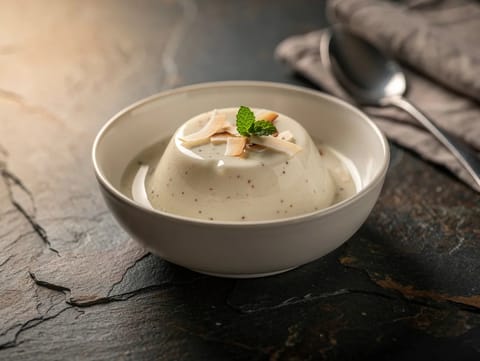
Vegan coconut panna cotta set with agar-agar and vanilla
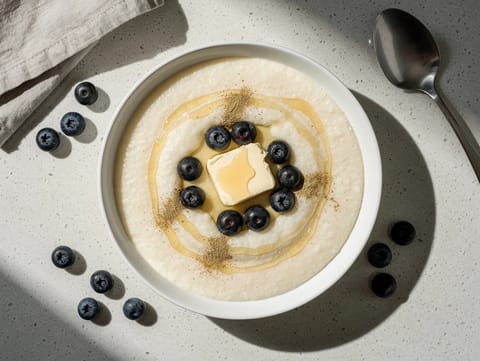
Creamy semolina porridge with honey, cardamom and blueberries
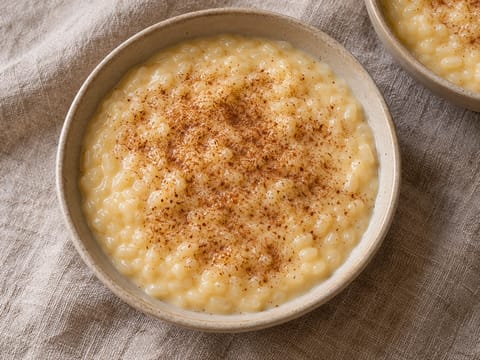
Portuguese rice pudding with cinnamon, egg yolks and lemon zest
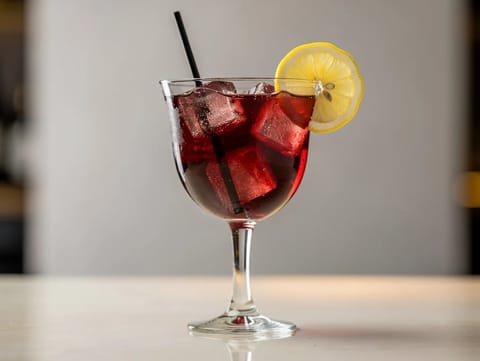
Red wine spritzer with lemonade, lemon and ice
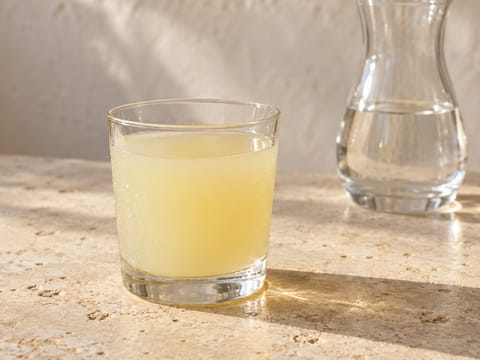
French pastis diluted with cold water until cloudy
Packing is the big one. Flour can compact dramatically if you scoop with the cup, tap it, or store it tightly, which can make a bake dry and heavy. A common approach is to spoon flour into the cup and level it, rather than digging in. Brown sugar is the opposite: many recipes expect it to be packed, so “loosely filled” can under-sweeten and change texture. With sticky ingredients, coating the cup lightly with oil or using a flexible spatula to scrape can help you get closer to the intended amount. Finally, check that you are using the correct cup size from the set; it is easy to grab the wrong one when they are stacked.
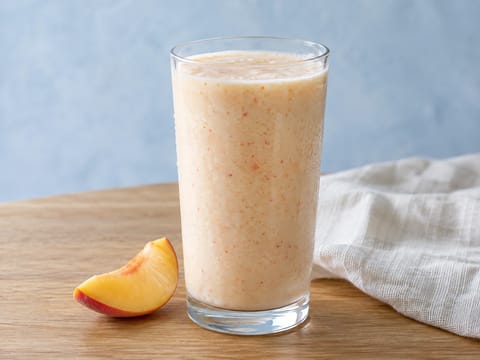
Blend peach with Greek yoghurt, milk, honey, and vanilla.
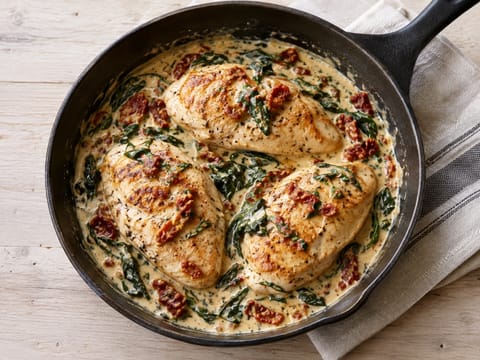
Creamy chicken with spinach, sun-dried tomatoes and Parmesan
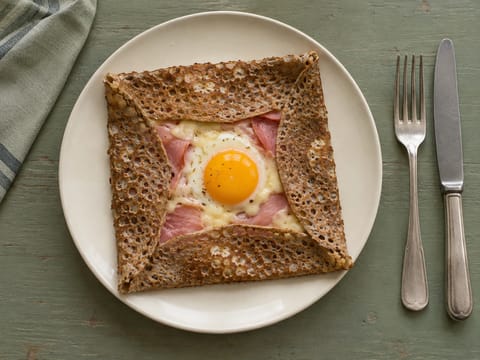
Buckwheat galettes filled with ham, Emmental and fried egg
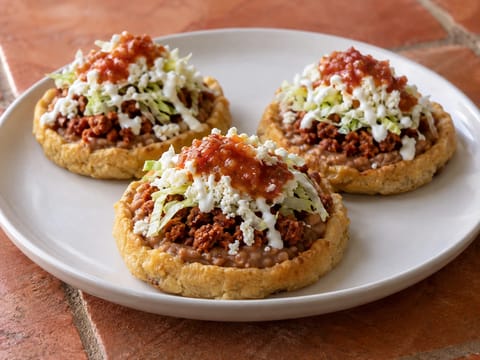
Crisp masa sopes topped with beans, chorizo and queso fresco
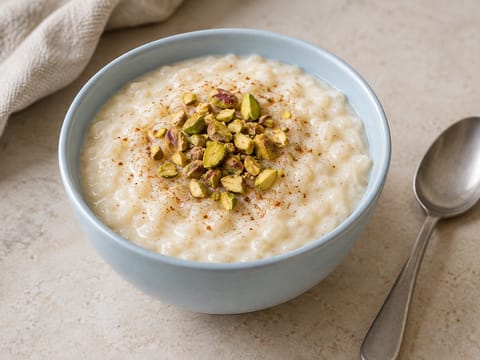
Creamy rice pudding with rose water and pistachios
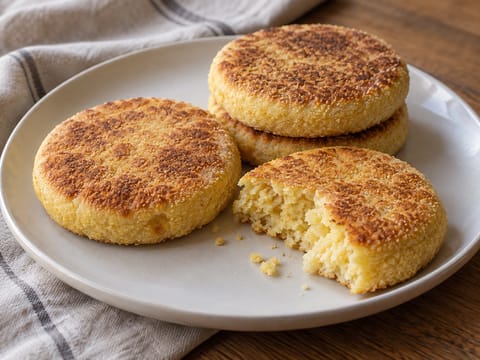
Moroccan semolina bread cooked in a pan until golden
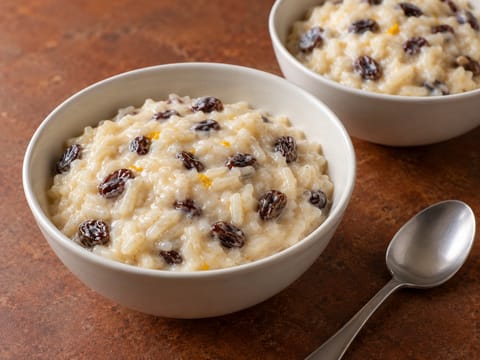
Creamy rice pudding with cinnamon, citrus zest and raisins

Crispy Vietnamese rice-flour pancakes filled with pork and prawns
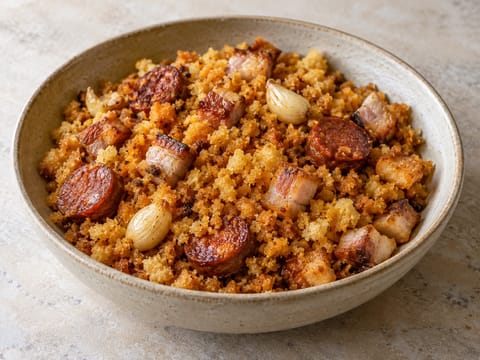
Fried bread migas with chorizo and pork belly
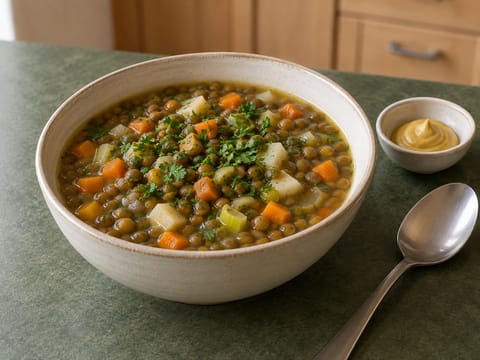
Vegan German lentil stew with root vegetables and leeks
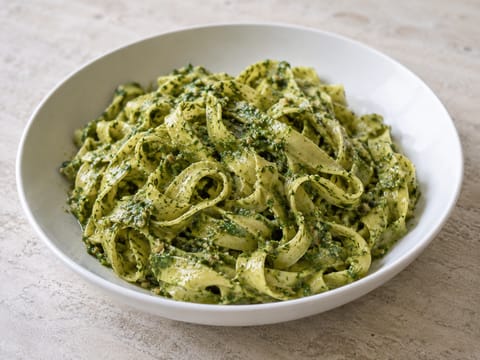
Pasta with rocket and walnut pesto

One-pot chicken and rice with peppers, peas, lime and coriander
Measuring cups are useful for quick, low-fuss cooking, and they are often the default in recipes written by volume. They are less reliable when ingredients vary in density, especially flour, grated cheese, chopped nuts and cocoa. If you bake often, a digital scale can remove a lot of uncertainty and reduces washing-up because you can weigh into one bowl. That said, you can still get consistent results with cups by using the same method each time and paying attention to how ingredients are filled, levelled and scraped. The key is not switching techniques mid-recipe.
If you are choosing recipes by how exact the measuring needs to be, Difficulty can be a helpful companion: some bakes are sensitive to small changes, while many everyday dishes are forgiving. Cooking method also adds context, because baking and confectionery tend to reward precision more than simmering a sauce or assembling a salad.
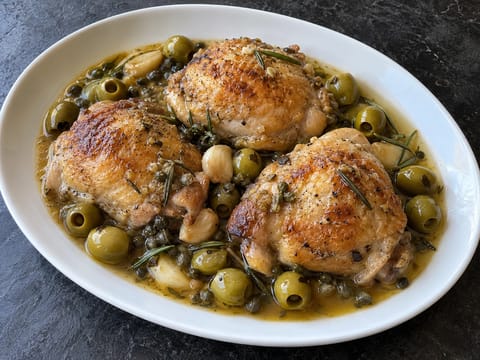
White wine braised chicken with olives and capers
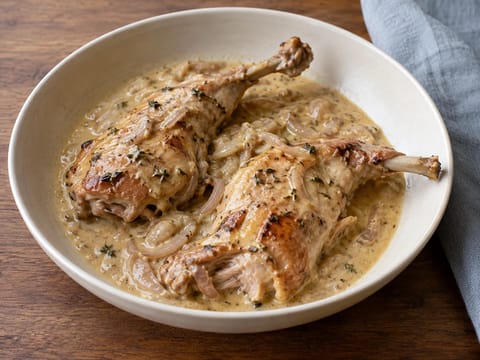
Rabbit braised in cider with Dijon mustard and crème fraîche
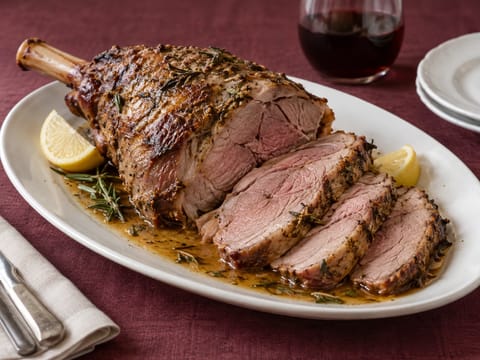
Slow-roasted leg of lamb with garlic, rosemary and pan sauce
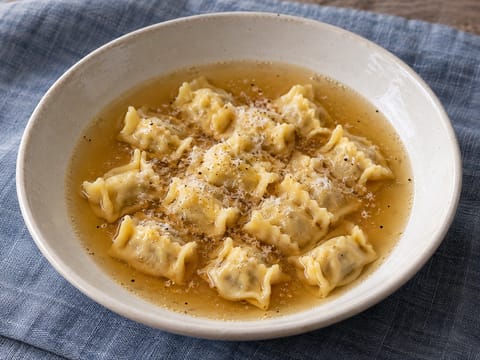
Pinched beef-filled agnolotti served in hot beef stock
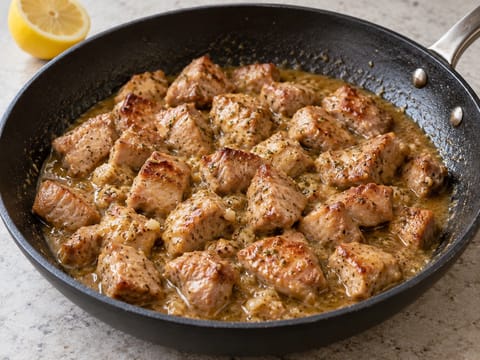
Pan-fried pork with lemon and mustard sauce
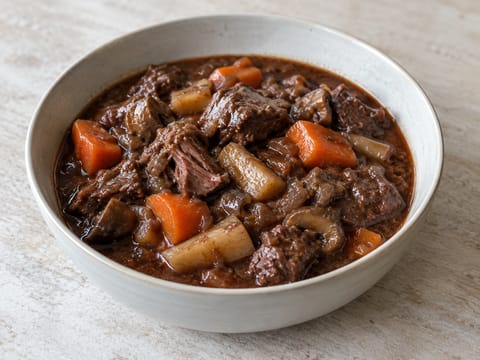
Venison stew with root vegetables in a rich gravy
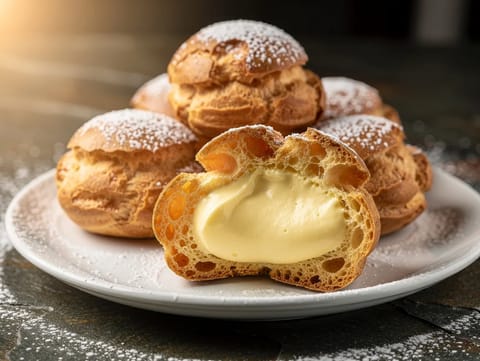
Choux cream puffs filled with vanilla pastry cream
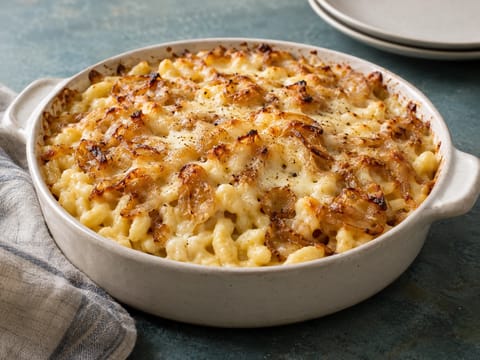
German cheese noodles with caramelised onions and black pepper
You can, but it is easier to be accurate with the right style of cup. Dry cups are meant to be levelled; liquid cups are meant to be read at eye level with headspace for pouring.
Scooping often compacts flour. Many cooks get more consistent results by spooning flour into the cup and levelling it off.
Many recipes that specify brown sugar by cup assume it is packed, because it is naturally clumpy and compressible. If a recipe wants it loose, it will often say so.
Volume measures are sensitive to how ingredients are filled and levelled, and to ingredient density. Using the same technique each time improves repeatability.
Cup measures vary by region and recipe source. If a recipe provides weights, using a scale avoids that mismatch.
Use dry cups for fill-and-level ingredients and a liquid jug for pourable ones, then stick to the same measuring habits from start to finish. That consistency is what makes recipes repeatable.
