
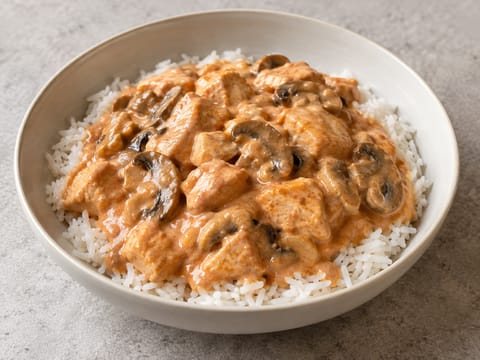
Brazilian Chicken Stroganoff (Creamy Tomato Sauce)
Chicken and mushrooms in a creamy tomato and double cream sauce

Measuring spoons are the quiet workhorses of the drawer: they make small quantities repeatable, especially when a teaspoon too much can tip a dish. They matter most for potent seasonings, raising agents and flavourings, where the difference between “a little” and “a lot” is hard to judge by eye. At the same time, they have limits. Sticky ingredients cling, heaped spoons vary wildly, and some recipes are forgiving enough that you can season to taste instead. Knowing when to measure and when to adjust is what makes them genuinely useful.
A standard set is designed for small volumes that are awkward to measure in cups: spices, salt, baking powder and soda, dried yeast, extracts and concentrated liquids. In baking, these small measures can have an outsized effect on rise and flavour, so accuracy is practical rather than fussy. Measuring spoons are less helpful for ingredients that do not level cleanly, such as honey, syrups and nut butters, unless the recipe is tolerant. They also do not replace tasting and adjusting when you are seasoning a soup or dressing, where ingredients and personal preference vary.
Chicken and mushrooms in a creamy tomato and double cream sauce
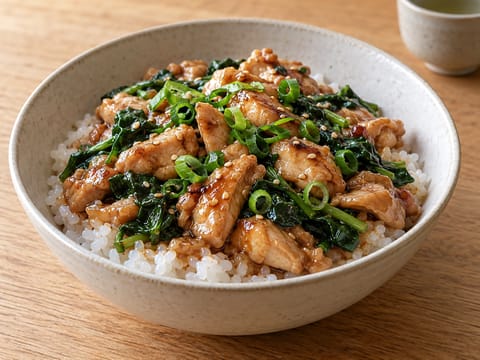
Chicken rice bowl with soy, mirin, ginger and spinach
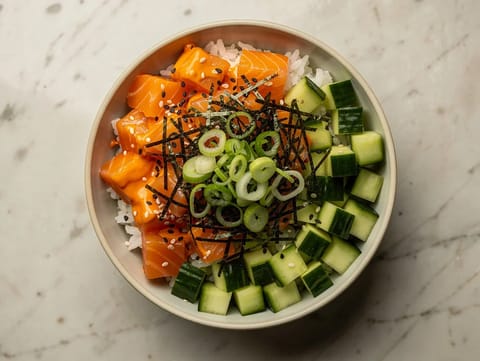
Salmon poke bowl with sushi rice and sriracha mayo.
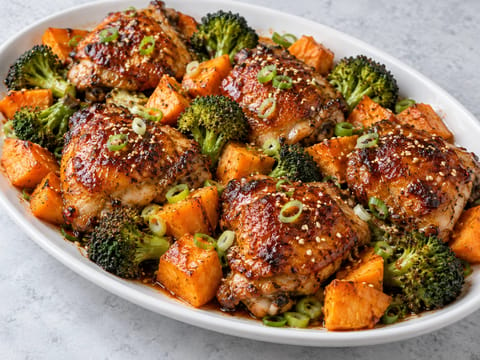
Gochujang chicken traybake with sweet potato, broccoli and sesame
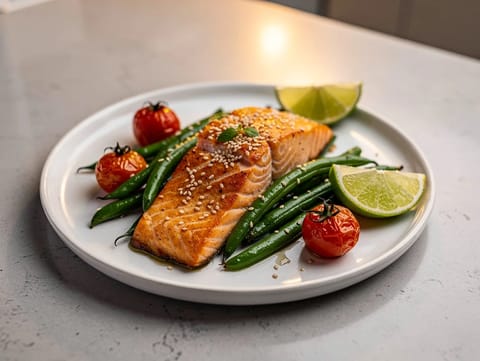
Air-fried salmon with green beans, tomatoes and soy glaze.
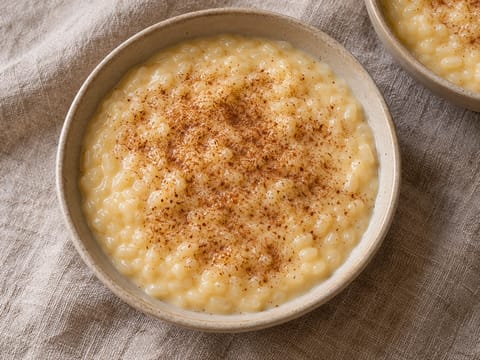
Portuguese rice pudding with cinnamon, egg yolks and lemon zest
For dry ingredients, fill the spoon and level it with a straight edge for consistency. For sticky ingredients, a small spoon can be lightly oiled or dipped in neutral oil first, which helps the ingredient slide out more cleanly. If you are measuring several spices, it is often quicker to measure into your hand or a small bowl and tip them in together, rather than stopping to wash and dry each spoon. When you do not have measuring spoons, a small set of kitchen teaspoons can work in a pinch, but the volume is not standardised, so treat it as approximate and adjust carefully.
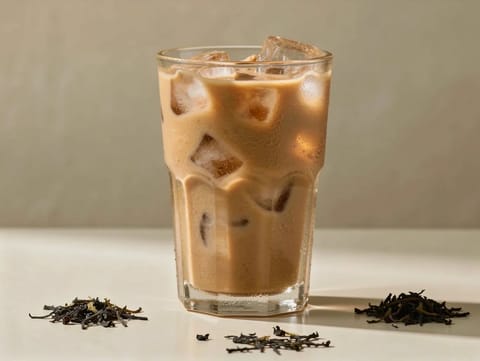
Strong black tea with evaporated milk, served hot or iced
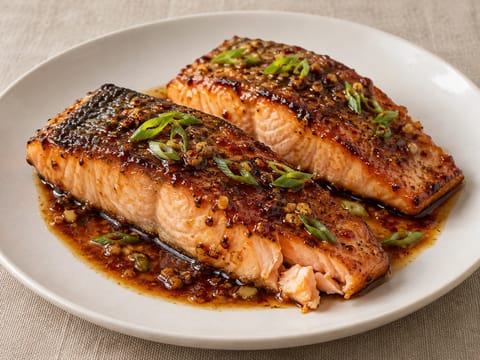
Pan-seared salmon with a sticky Sichuan-style soy glaze
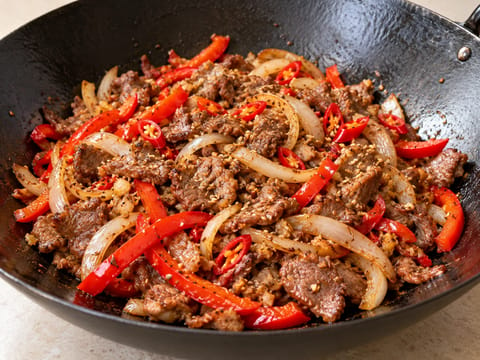
Xinjiang-style cumin lamb stir-fry with chillies, onion and peppers
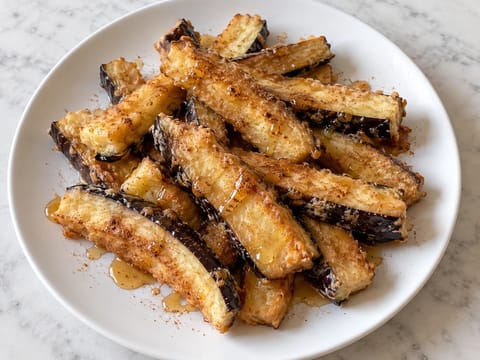
Crisp fried aubergine batons drizzled with honey
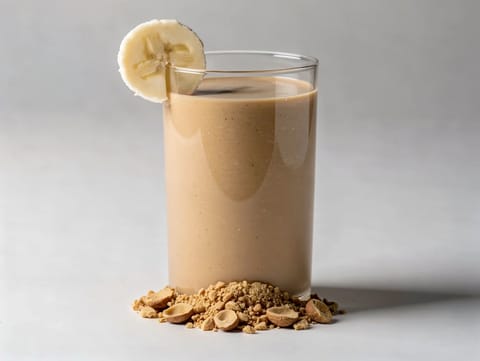
Creamy peanut butter banana smoothie with milk, yoghurt and honey
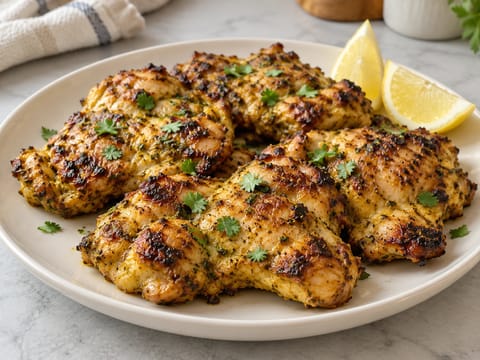
Yoghurt-marinated chicken cooked in the air fryer until charred.
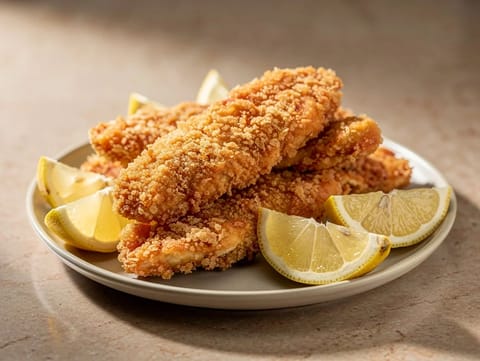
Panko-coated chicken tenders air fried until extra crispy.
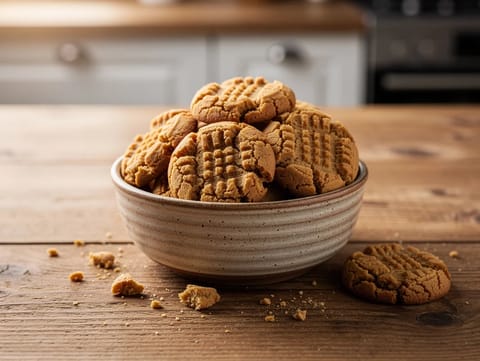
Air fryer peanut butter cookies with tender centres and set edges.
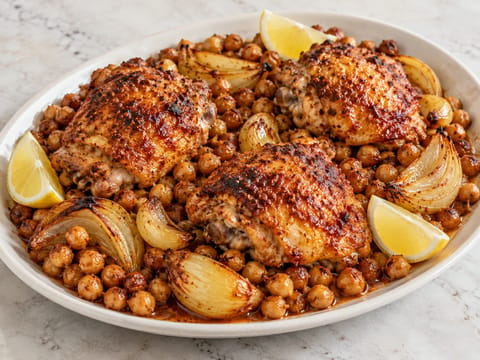
Harissa roasted chicken thighs with chickpeas
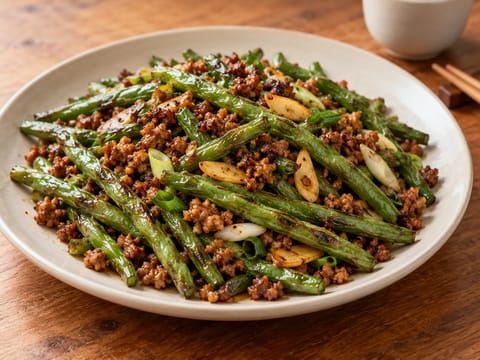
Blistered green beans stir-fried with minced pork and soy sauce
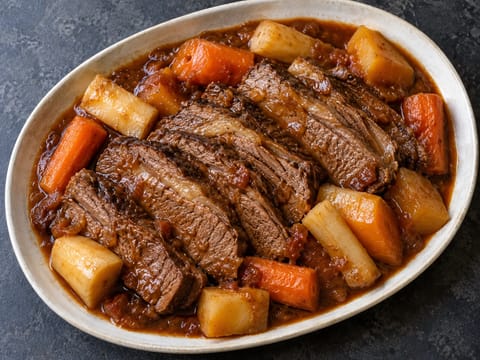
Braised brisket with red wine and root vegetables
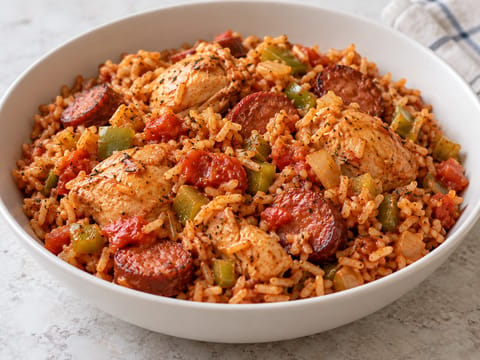
One-pot jambalaya with chicken, andouille sausage and rice
Measure precisely when the ingredient is powerful or functional: chilli powder and cayenne, salt in a small-volume sauce, and especially baking powder, bicarbonate of soda and yeast. Those are hard to correct once mixed in. Measure more loosely when the recipe invites adjustment, such as spice blends, dressings and marinades, where you can taste and rebalance. If you are scaling a recipe up or down, measuring spoons help keep ratios sensible, because “a pinch” does not scale reliably. For very small amounts, a set that includes smaller spoons can be useful, but careful pinches can also be effective when the recipe is forgiving.
Cooking method can help you judge how much precision matters: baking and quick breads often rely on exact small measures, while many stovetop dishes allow tasting and adjustment. Difficulty is another useful lens, because recipes with more steps or tighter timing often benefit from having measurements nailed down early.
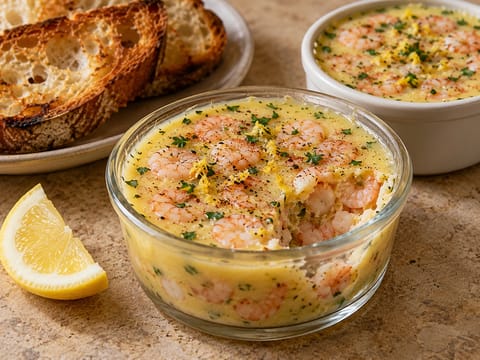
Potted shrimp set in spiced butter, served with sourdough
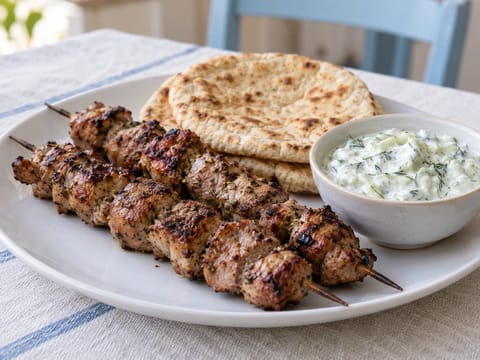
Grilled pork souvlaki with warm pitta and cucumber tzatziki
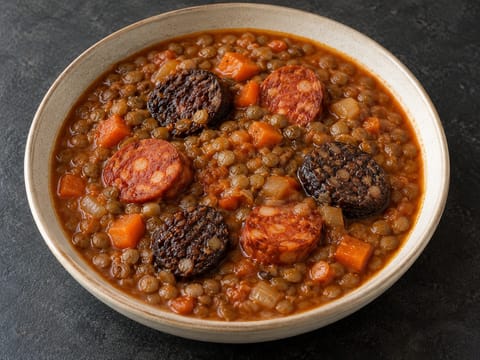
Spanish lentil stew with chorizo and morcilla
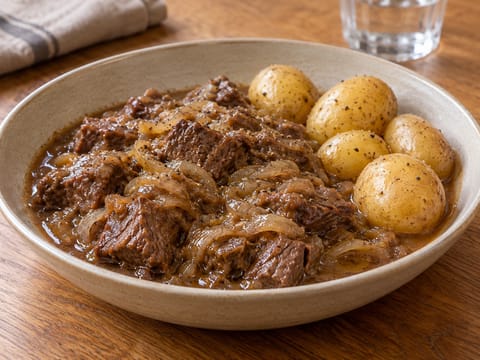
Westphalian beef stew with onions and plenty of black pepper
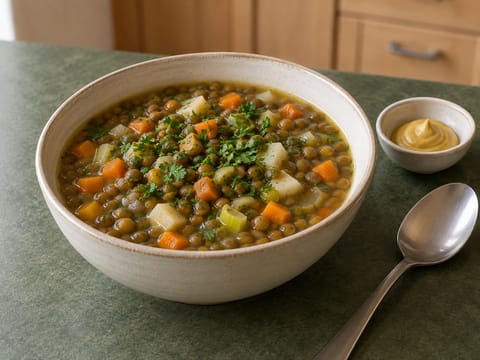
Vegan German lentil stew with root vegetables and leeks
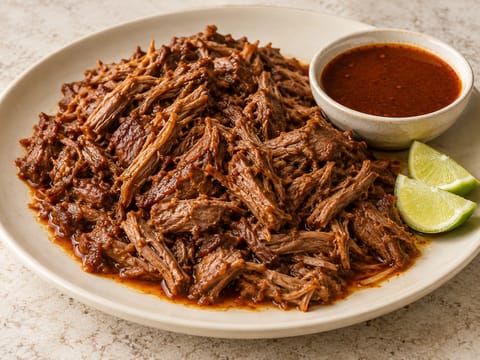
Slow-cooked lamb in guajillo and ancho chilli broth
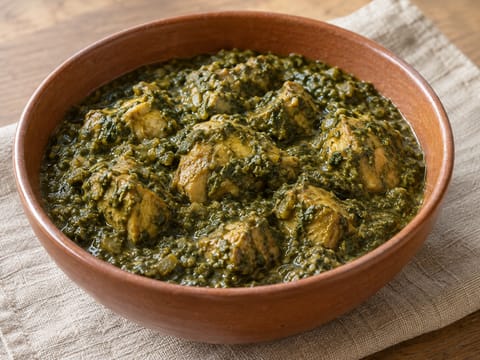
Chicken saag with a smooth spiced spinach and yoghurt sauce
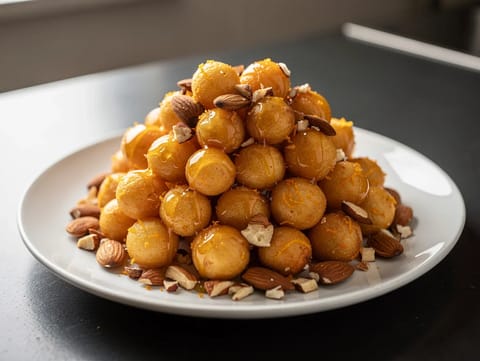
Fried dough balls coated in warm honey and citrus zest
They are still useful for spices, salt, and concentrated flavourings, but many savoury dishes can be adjusted to taste, so exact measuring is less critical.
Unless a recipe says “heaped”, assume level. Heaped spoonfuls vary a lot and can easily double the intended amount.
A light coating of neutral oil on the spoon helps, or you can measure by weight if the recipe provides it. Scraping with a small spatula also reduces waste.
Not always. Spoon sizes can vary by region and by the cutlery in your drawer, which is why standard measuring spoons are more consistent.
A pinch is inherently variable and depends on your fingers and the ingredient. It works best in recipes where you can taste and adjust.
Measuring spoons earn their keep when small amounts have a big impact. Use them for raising agents and potent seasonings, and feel free to cook more intuitively when the recipe gives you room to adjust.
