
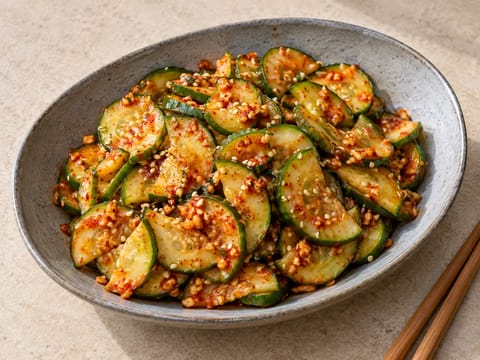
Oi Muchim (Korean Spicy Cucumber Salad)
Spicy cucumber salad with gochugaru, vinegar and sesame oil

Measuring spoons are the quiet workhorses of the drawer: they make small quantities repeatable, especially when a teaspoon too much can tip a dish. They matter most for potent seasonings, raising agents and flavourings, where the difference between “a little” and “a lot” is hard to judge by eye. At the same time, they have limits. Sticky ingredients cling, heaped spoons vary wildly, and some recipes are forgiving enough that you can season to taste instead. Knowing when to measure and when to adjust is what makes them genuinely useful.
A standard set is designed for small volumes that are awkward to measure in cups: spices, salt, baking powder and soda, dried yeast, extracts and concentrated liquids. In baking, these small measures can have an outsized effect on rise and flavour, so accuracy is practical rather than fussy. Measuring spoons are less helpful for ingredients that do not level cleanly, such as honey, syrups and nut butters, unless the recipe is tolerant. They also do not replace tasting and adjusting when you are seasoning a soup or dressing, where ingredients and personal preference vary.
Spicy cucumber salad with gochugaru, vinegar and sesame oil
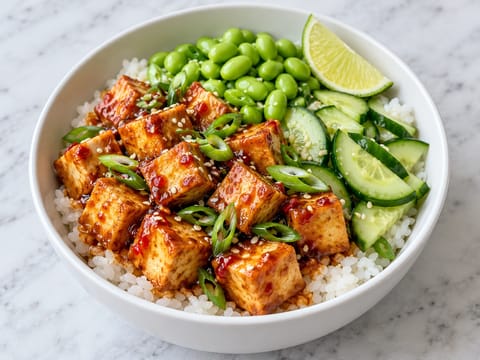
Sweet chilli tofu poke bowl with sushi rice and edamame.
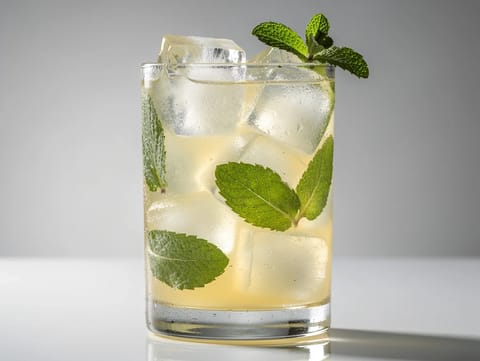
Indian lemonade with lemon juice, black salt and roasted cumin
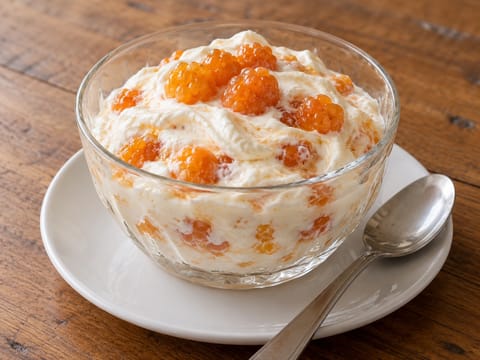
Cloudberries folded into lightly sweetened whipped cream
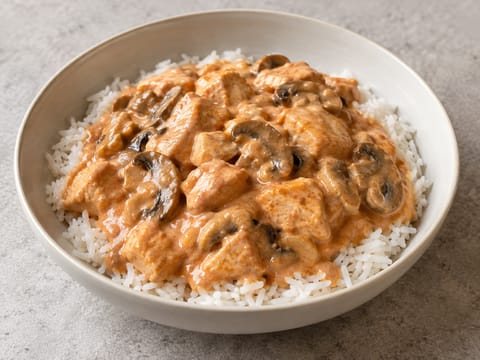
Chicken and mushrooms in a creamy tomato and double cream sauce
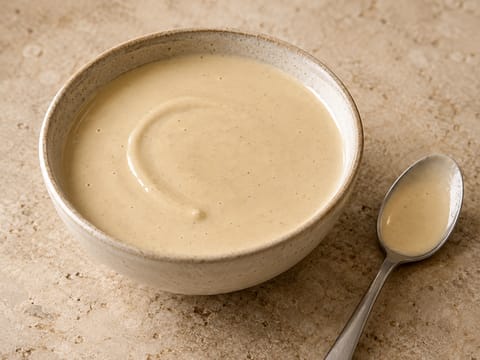
Smooth tahini sauce with lemon, garlic and water
For dry ingredients, fill the spoon and level it with a straight edge for consistency. For sticky ingredients, a small spoon can be lightly oiled or dipped in neutral oil first, which helps the ingredient slide out more cleanly. If you are measuring several spices, it is often quicker to measure into your hand or a small bowl and tip them in together, rather than stopping to wash and dry each spoon. When you do not have measuring spoons, a small set of kitchen teaspoons can work in a pinch, but the volume is not standardised, so treat it as approximate and adjust carefully.
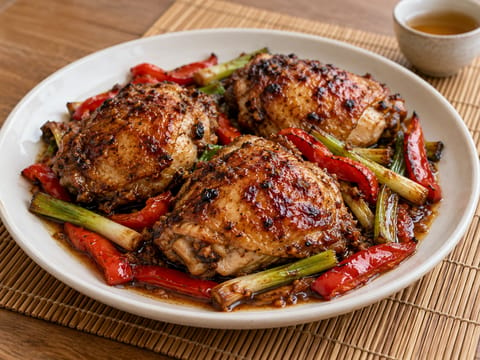
Sticky five-spice chicken traybake with soy, honey and peppers
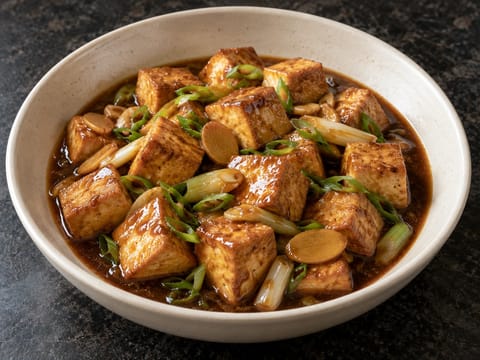
Pan-fried tofu braised in a glossy sweet soy sauce
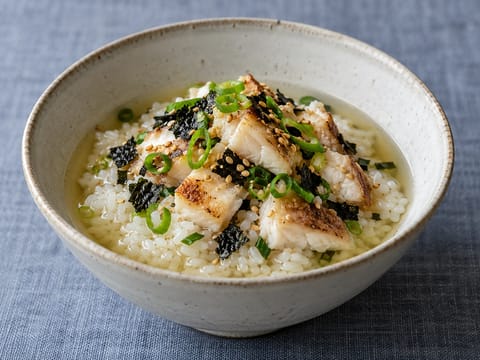
Steamed rice with sea bream finished with hot green tea
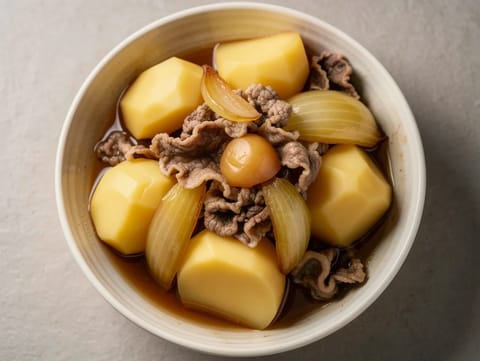
Japanese beef stew with potatoes and onion in a savoury broth
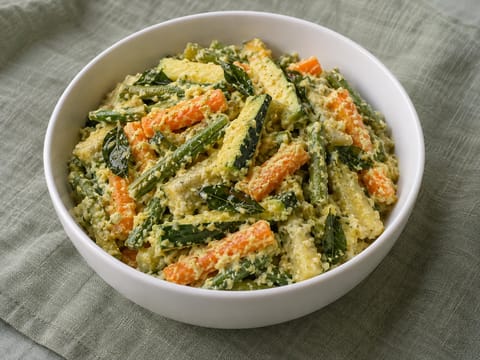
Mixed vegetables coated in coconut and yoghurt
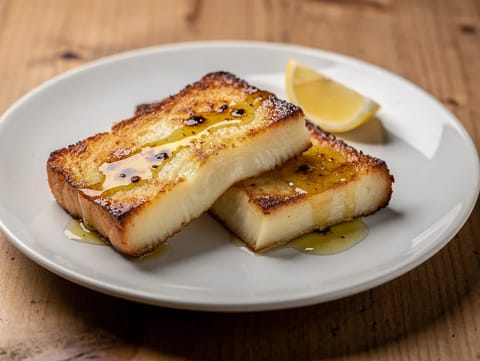
Greek fried cheese finished with a squeeze of lemon
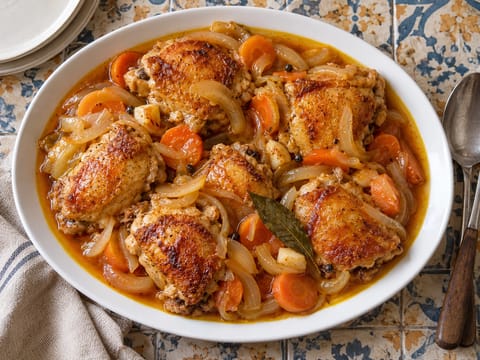
Chicken rested in a vinegar and olive oil escabeche marinade
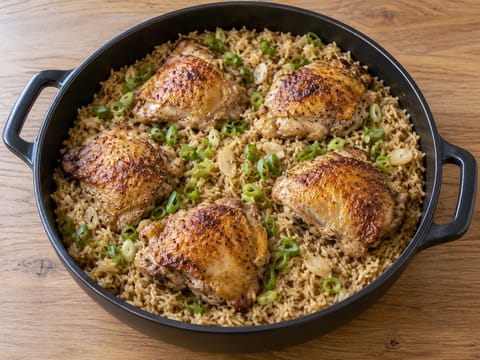
One-pot chicken and jasmine rice with soy, garlic and ginger.
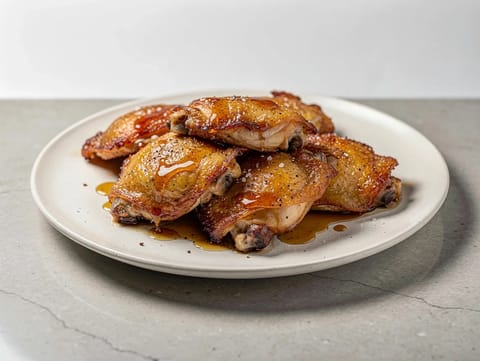
Crisp air-fried chicken drizzled with hot honey sauce.
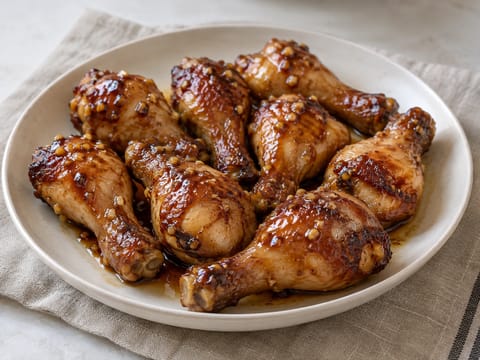
Air-fried drumsticks coated in a sticky honey garlic glaze.
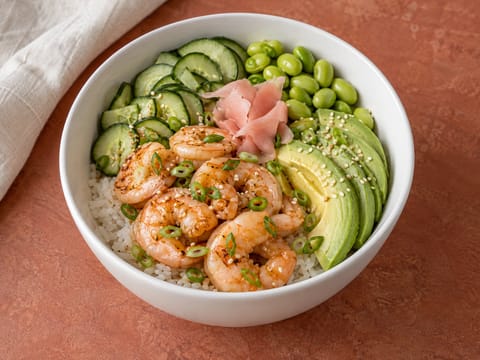
Sushi rice with prawns, avocado and a soy-lime dressing.
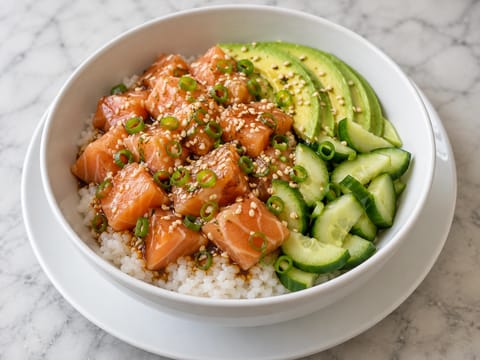
Salmon poke bowl with ponzu, sushi rice, avocado and cucumber.
Measure precisely when the ingredient is powerful or functional: chilli powder and cayenne, salt in a small-volume sauce, and especially baking powder, bicarbonate of soda and yeast. Those are hard to correct once mixed in. Measure more loosely when the recipe invites adjustment, such as spice blends, dressings and marinades, where you can taste and rebalance. If you are scaling a recipe up or down, measuring spoons help keep ratios sensible, because “a pinch” does not scale reliably. For very small amounts, a set that includes smaller spoons can be useful, but careful pinches can also be effective when the recipe is forgiving.
Cooking method can help you judge how much precision matters: baking and quick breads often rely on exact small measures, while many stovetop dishes allow tasting and adjustment. Difficulty is another useful lens, because recipes with more steps or tighter timing often benefit from having measurements nailed down early.
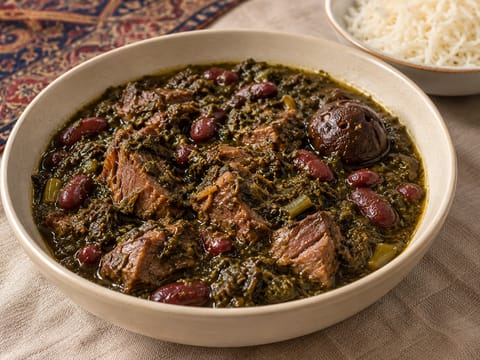
Persian herb and lamb stew with kidney beans and dried lime
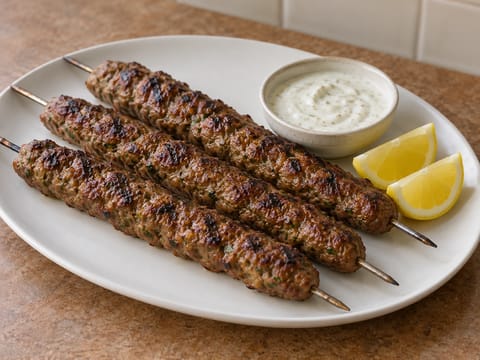
Grilled lamb kofta skewers with cumin yoghurt sauce
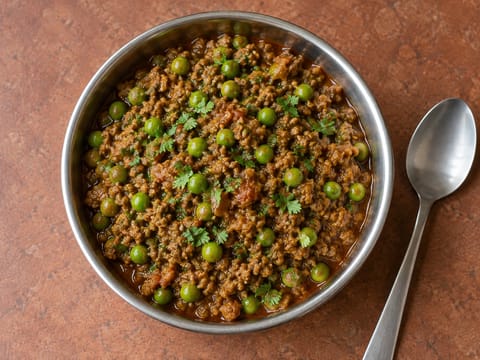
Spiced mutton mince simmered with peas in tomato masala
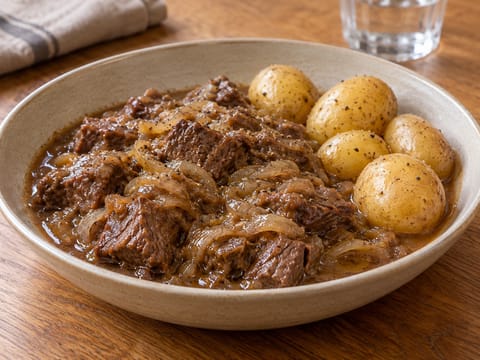
Westphalian beef stew with onions and plenty of black pepper
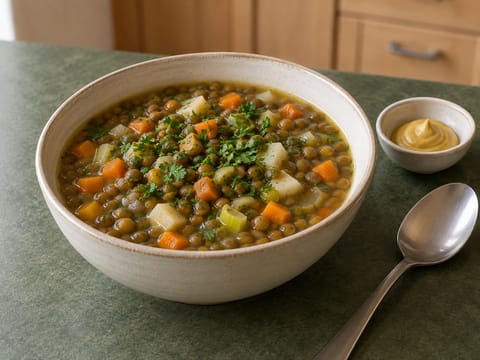
Vegan German lentil stew with root vegetables and leeks
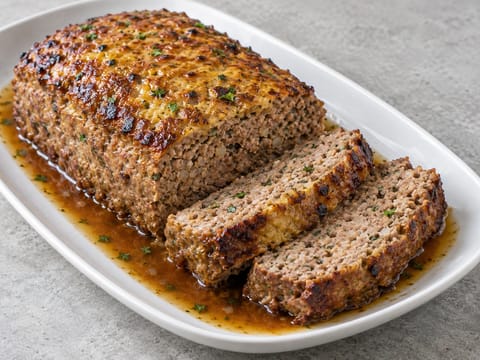
Beef and pork meatloaf with mustard crust and pan-juice gravy
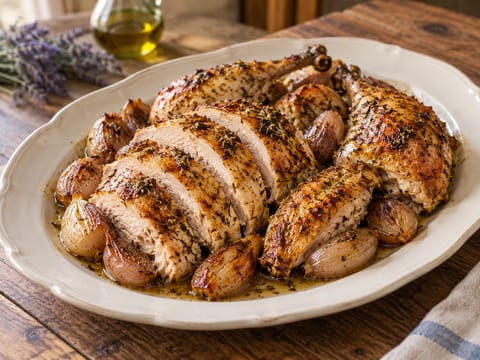
French roast chicken with herbs and lemon
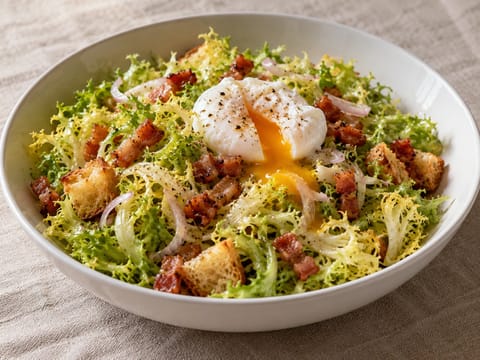
Warm frisée salad with lardons, poached egg and mustard dressing
They are still useful for spices, salt, and concentrated flavourings, but many savoury dishes can be adjusted to taste, so exact measuring is less critical.
Unless a recipe says “heaped”, assume level. Heaped spoonfuls vary a lot and can easily double the intended amount.
A light coating of neutral oil on the spoon helps, or you can measure by weight if the recipe provides it. Scraping with a small spatula also reduces waste.
Not always. Spoon sizes can vary by region and by the cutlery in your drawer, which is why standard measuring spoons are more consistent.
A pinch is inherently variable and depends on your fingers and the ingredient. It works best in recipes where you can taste and adjust.
Measuring spoons earn their keep when small amounts have a big impact. Use them for raising agents and potent seasonings, and feel free to cook more intuitively when the recipe gives you room to adjust.
