
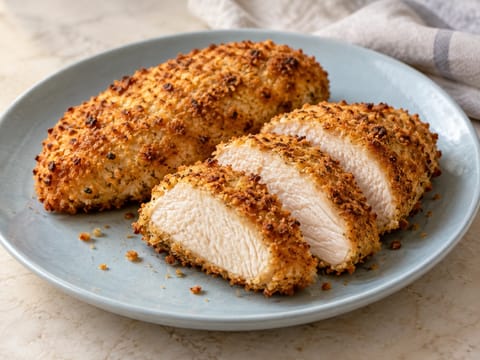
Air Fryer Breaded Chicken Breast
Breaded chicken breast air-fried until golden and crisp.

Measuring spoons are the quiet workhorses of the drawer: they make small quantities repeatable, especially when a teaspoon too much can tip a dish. They matter most for potent seasonings, raising agents and flavourings, where the difference between “a little” and “a lot” is hard to judge by eye. At the same time, they have limits. Sticky ingredients cling, heaped spoons vary wildly, and some recipes are forgiving enough that you can season to taste instead. Knowing when to measure and when to adjust is what makes them genuinely useful.
A standard set is designed for small volumes that are awkward to measure in cups: spices, salt, baking powder and soda, dried yeast, extracts and concentrated liquids. In baking, these small measures can have an outsized effect on rise and flavour, so accuracy is practical rather than fussy. Measuring spoons are less helpful for ingredients that do not level cleanly, such as honey, syrups and nut butters, unless the recipe is tolerant. They also do not replace tasting and adjusting when you are seasoning a soup or dressing, where ingredients and personal preference vary.
Breaded chicken breast air-fried until golden and crisp.
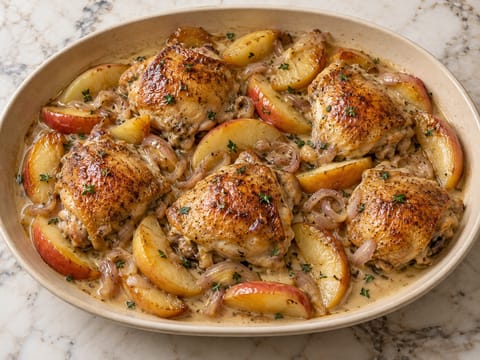
Chicken braised with apples in a cider and cream sauce
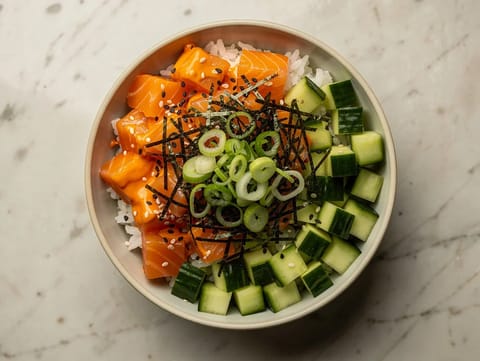
Salmon poke bowl with sushi rice and sriracha mayo.
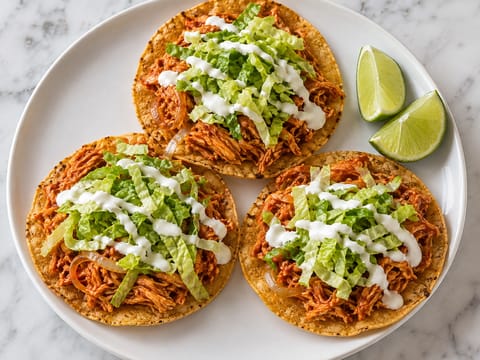
Crisp tostadas topped with chicken tinga, crema and lettuce
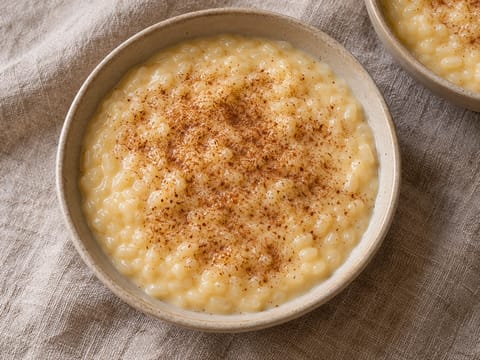
Portuguese rice pudding with cinnamon, egg yolks and lemon zest
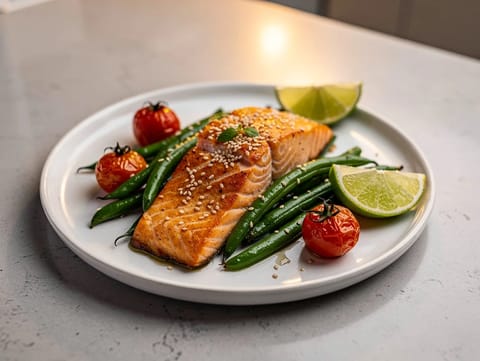
Air-fried salmon with green beans, tomatoes and soy glaze.
For dry ingredients, fill the spoon and level it with a straight edge for consistency. For sticky ingredients, a small spoon can be lightly oiled or dipped in neutral oil first, which helps the ingredient slide out more cleanly. If you are measuring several spices, it is often quicker to measure into your hand or a small bowl and tip them in together, rather than stopping to wash and dry each spoon. When you do not have measuring spoons, a small set of kitchen teaspoons can work in a pinch, but the volume is not standardised, so treat it as approximate and adjust carefully.
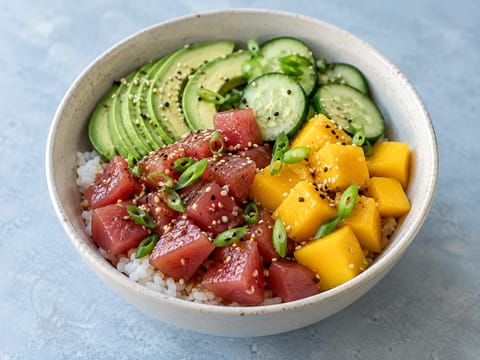
Sushi rice bowl with tuna, mango, and soy dressing.
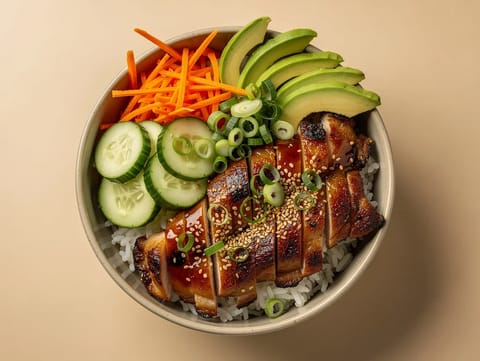
Honey garlic chicken poke bowl with rice, avocado and cucumber.
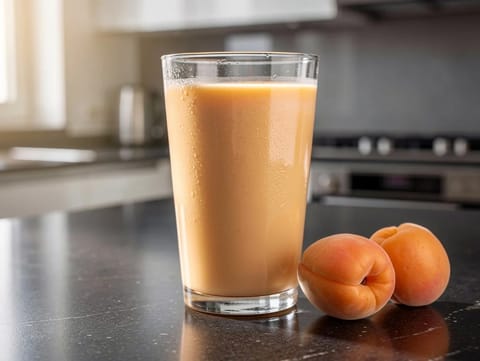
Apricots and strained yoghurt blended into a thick smoothie.
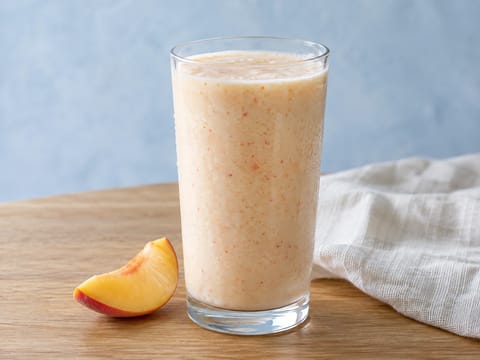
Blend peach with Greek yoghurt, milk, honey, and vanilla.
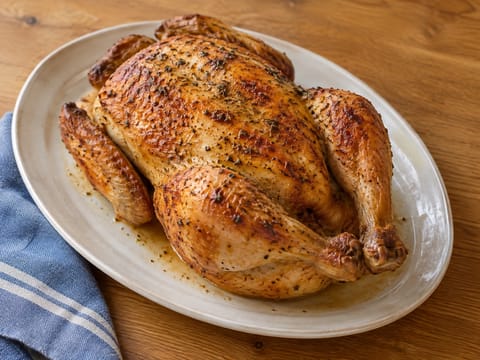
Whole chicken air-fried with garlic, paprika and lemon.
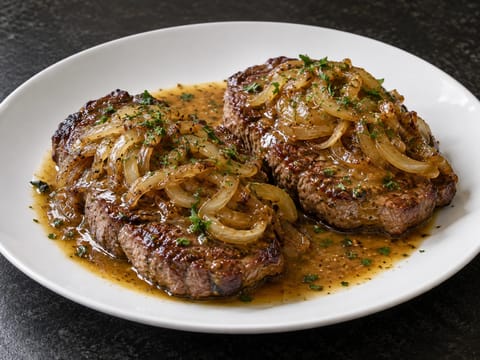
Pan-seared steak with caramelised onions and mustard pan sauce
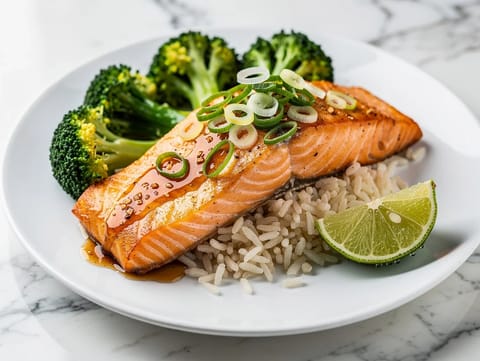
Pan-seared salmon with honey garlic glaze, rice and broccoli
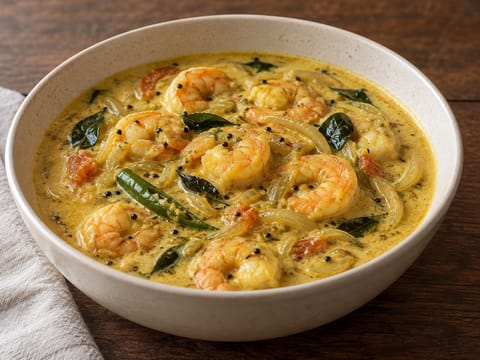
Kerala coconut milk prawn curry with curry leaves
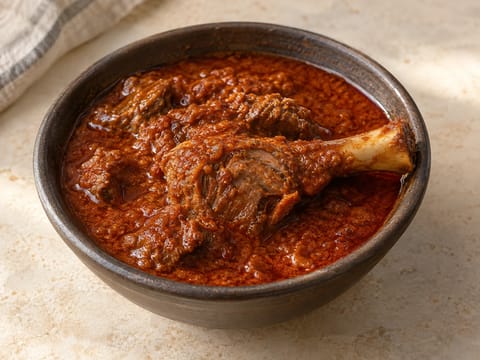
Spicy Rajasthani mutton curry with dried red chillies
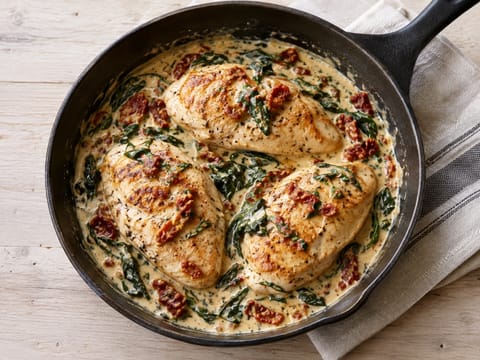
Creamy chicken with spinach, sun-dried tomatoes and Parmesan
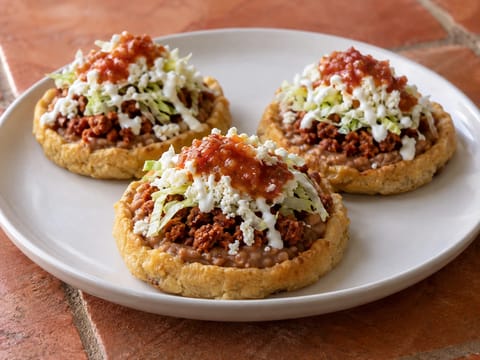
Crisp masa sopes topped with beans, chorizo and queso fresco
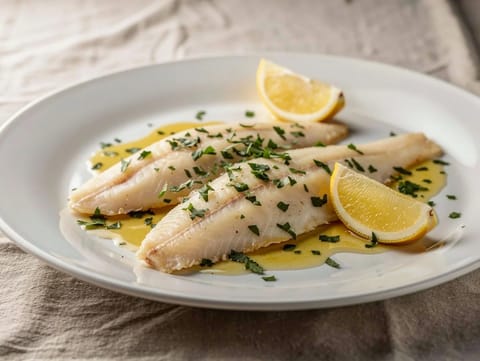
Butter-fried sole with lemon and parsley sauce
Measure precisely when the ingredient is powerful or functional: chilli powder and cayenne, salt in a small-volume sauce, and especially baking powder, bicarbonate of soda and yeast. Those are hard to correct once mixed in. Measure more loosely when the recipe invites adjustment, such as spice blends, dressings and marinades, where you can taste and rebalance. If you are scaling a recipe up or down, measuring spoons help keep ratios sensible, because “a pinch” does not scale reliably. For very small amounts, a set that includes smaller spoons can be useful, but careful pinches can also be effective when the recipe is forgiving.
Cooking method can help you judge how much precision matters: baking and quick breads often rely on exact small measures, while many stovetop dishes allow tasting and adjustment. Difficulty is another useful lens, because recipes with more steps or tighter timing often benefit from having measurements nailed down early.
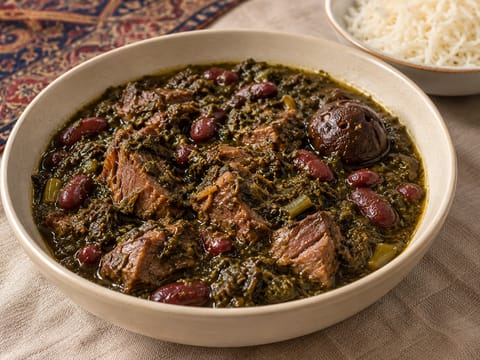
Persian herb and lamb stew with kidney beans and dried lime
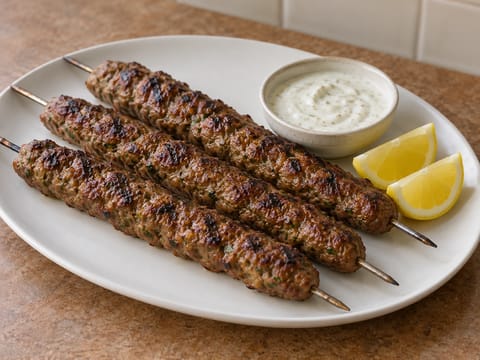
Grilled lamb kofta skewers with cumin yoghurt sauce
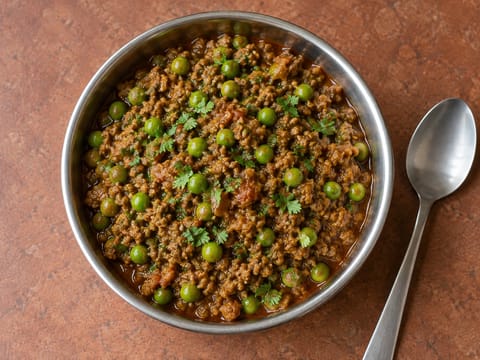
Spiced mutton mince simmered with peas in tomato masala
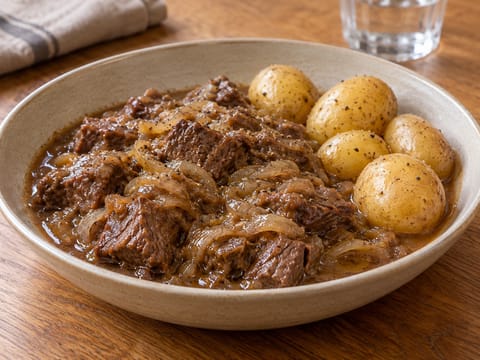
Westphalian beef stew with onions and plenty of black pepper
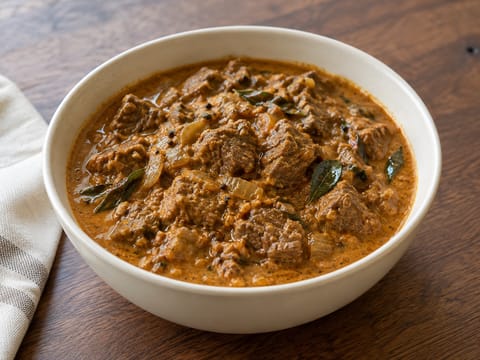
Beef curry simmered with coconut milk and curry leaves
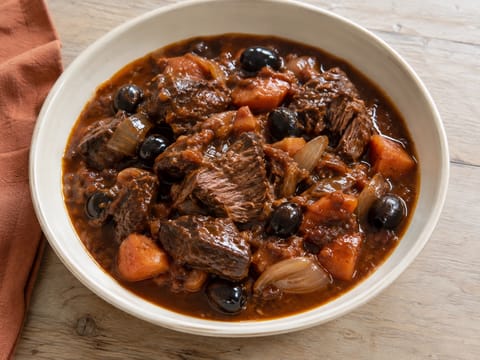
Slow-braised beef stew with olives and orange
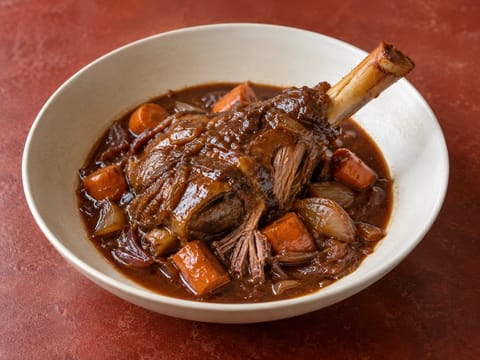
Slow-braised lamb shanks with rosemary and red wine sauce
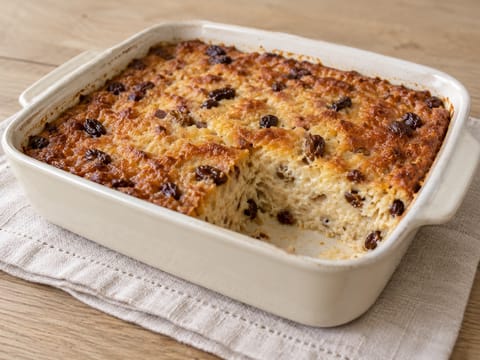
Italian bread pudding baked with milk, eggs and raisins
They are still useful for spices, salt, and concentrated flavourings, but many savoury dishes can be adjusted to taste, so exact measuring is less critical.
Unless a recipe says “heaped”, assume level. Heaped spoonfuls vary a lot and can easily double the intended amount.
A light coating of neutral oil on the spoon helps, or you can measure by weight if the recipe provides it. Scraping with a small spatula also reduces waste.
Not always. Spoon sizes can vary by region and by the cutlery in your drawer, which is why standard measuring spoons are more consistent.
A pinch is inherently variable and depends on your fingers and the ingredient. It works best in recipes where you can taste and adjust.
Measuring spoons earn their keep when small amounts have a big impact. Use them for raising agents and potent seasonings, and feel free to cook more intuitively when the recipe gives you room to adjust.
