
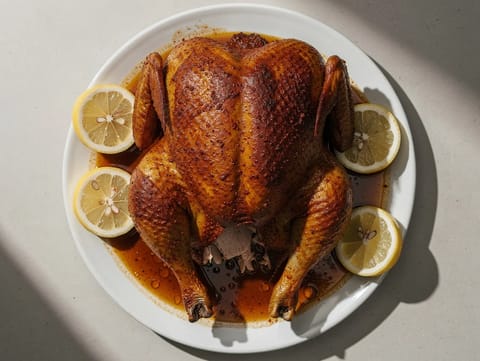
Frango Assado à Portuguesa (Portuguese-Style Roast Chicken)
Portuguese-style roast chicken with garlic, paprika, lemon and olive oil

A roasting pan is built for high oven heat, with sturdy sides that contain hot fat and juices while leaving enough surface area for browning. It can make roasting more efficient because you can cook and collect flavour in the same vessel, then turn the pan drippings into a sauce. The same features also create a few predictable hazards: heavy, sloshing pans, spitting fat and very hot handles. If you understand how depth, material and racks change airflow and evaporation, you can choose the right pan and avoid the common roasting mishaps.
A roasting pan is deeper and more rigid than a standard baking tray, which helps when you are cooking something that releases a lot of fat or juices. The depth reduces spill risk and gives you drippings for gravy or pan sauce. A shallow tray, by contrast, encourages evaporation and can brown vegetables quickly, but it is easier to overflow with a joint or a very juicy roast. A rack is useful when you want air to circulate under meat for more even browning; without a rack, the underside effectively braises in its own juices.
Portuguese-style roast chicken with garlic, paprika, lemon and olive oil
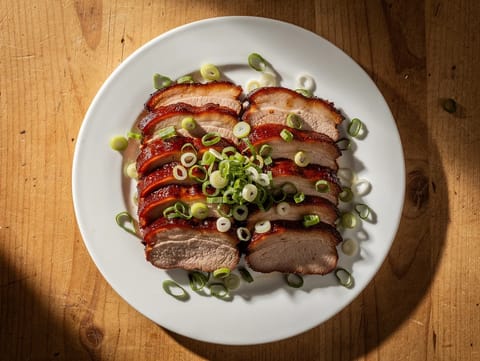
Roasted char siu pork with a glossy hoisin and honey glaze
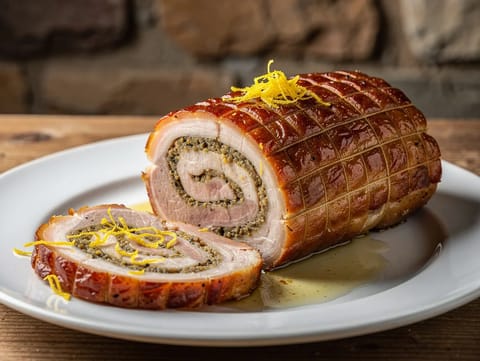
Italian rolled pork roast with fennel, rosemary and lemon
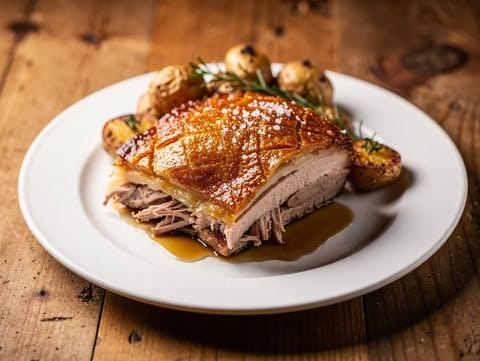
Slow-roasted pork shoulder with crisp crackling and roasting juices
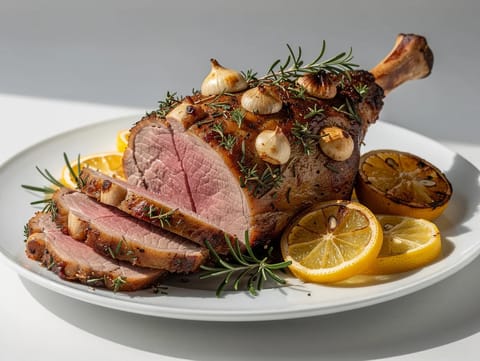
Roast leg of lamb with garlic, herbs and lemon
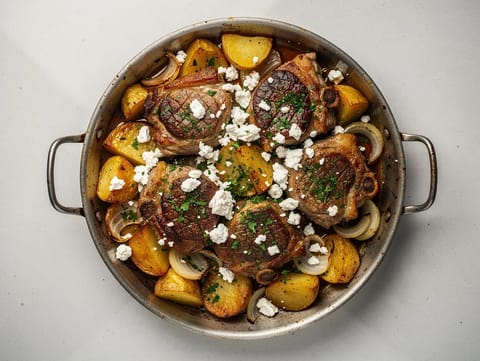
Slow-baked lamb in parchment with potatoes, lemon and oregano
Roasting pans are often large and awkward when full. Pull the oven shelf out partway before lifting the pan, and use dry, secure oven gloves so you do not lose grip. Hot fat can slosh when you turn a corner, so keep the pan level and move slowly. If you deglaze a hot pan, add liquid carefully and expect a burst of steam. Avoid putting a very hot pan onto a cold or wet surface, particularly if it is enamelled or glass-based, as sudden temperature changes can cause damage.
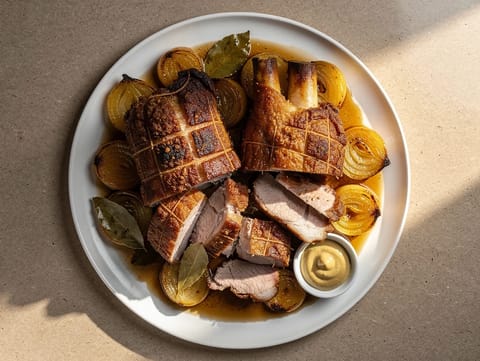
Polish roasted pork knuckle with marjoram, caraway and mustard
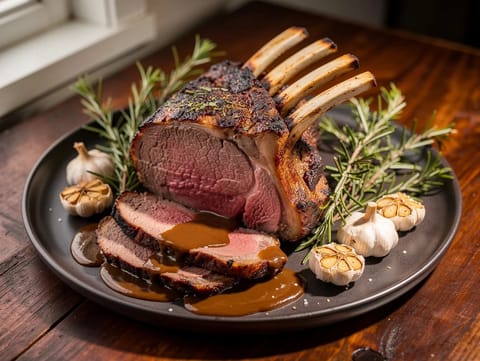
Roast prime rib with rosemary and a simple beef gravy
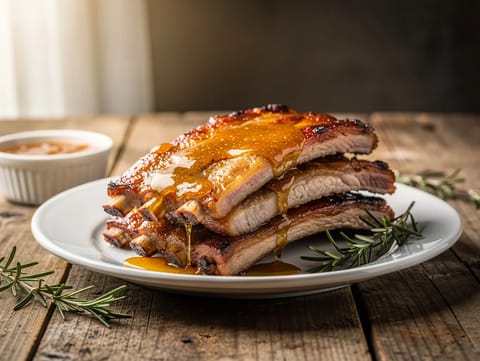
Slow-baked ribs finished with a sticky honey glaze
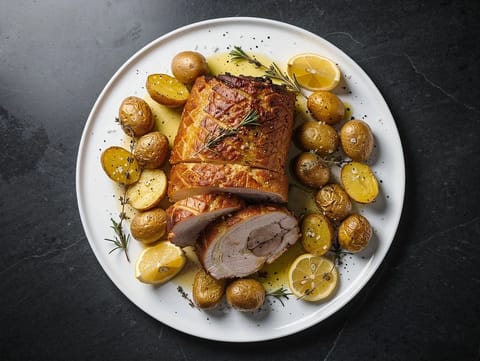
Rolled pork belly with roast potatoes and herbs
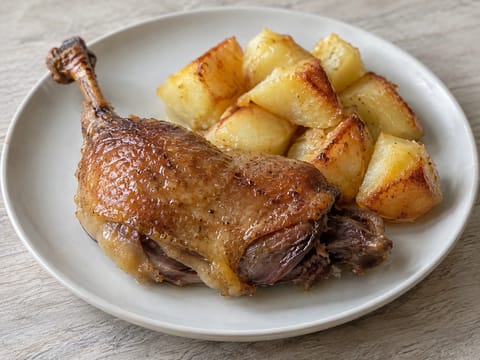
Duck leg confit with garlic, thyme and crisp skin
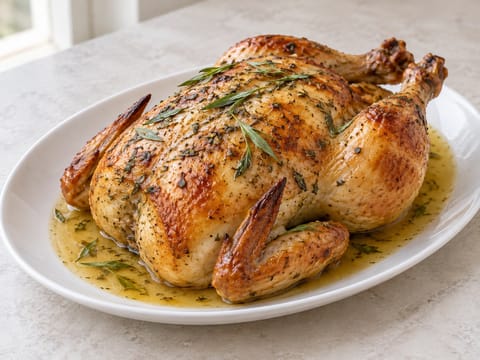
French roast chicken with tarragon, lemon and white wine juices
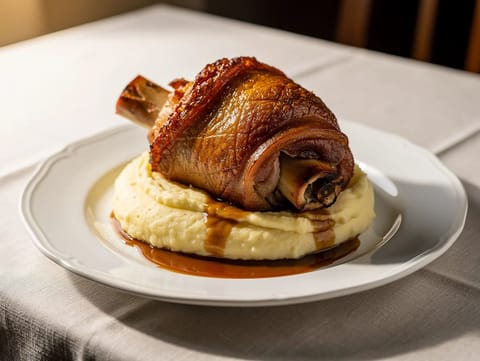
Roasted pork knuckle with crisp crackling and simple beer gravy
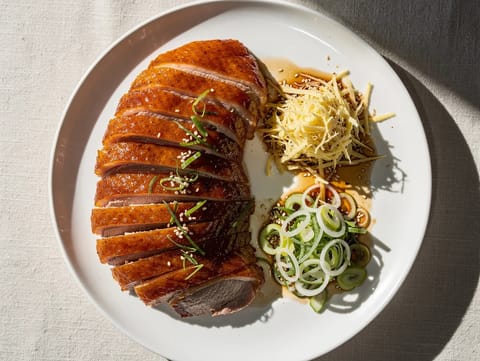
Cantonese roast duck with crisp skin and a maltose glaze
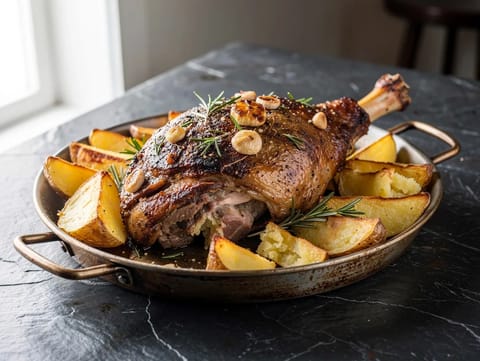
Slow-roasted leg of lamb with rosemary and garlic
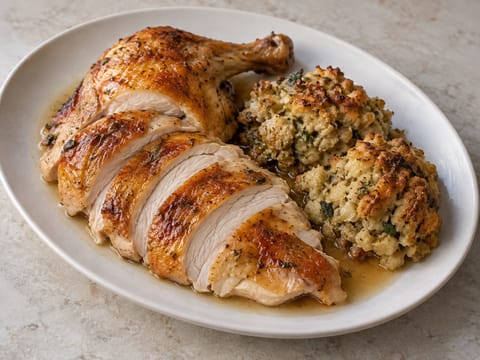
Roast chicken with baked sage and onion breadcrumb stuffing
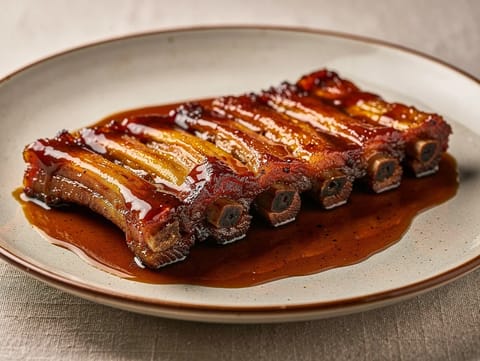
Sticky five-spice pork ribs roasted with soy and honey
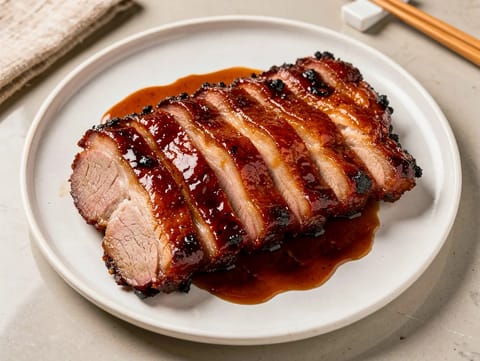
Cantonese barbecued pork with hoisin, honey and soy glaze
Crowding is the main reason roasting turns steamy. If ingredients are packed tightly, moisture cannot evaporate and the surface struggles to brown. Another issue is choosing a pan that is too deep for the food: high sides can block airflow, especially for vegetables. Conversely, a pan that is too large for a small roast can let drippings burn, creating bitter notes in the sauce. Finally, lining can be helpful for clean-up, but if foil covers the base completely it can reduce direct contact and slow browning in some setups.
Roasting is as much about method as it is about the pan. Exploring Cooking method helps you compare high-heat roasting with tray-baking, braising and other oven approaches that manage moisture differently. Time is also a useful lens, since some roasts are quick-cooking while others rely on longer, steadier heat.
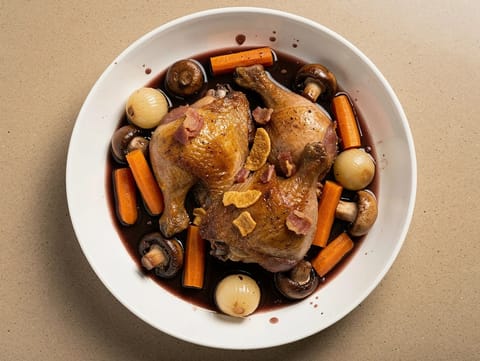
Chicken braised in red wine with pancetta and mushrooms
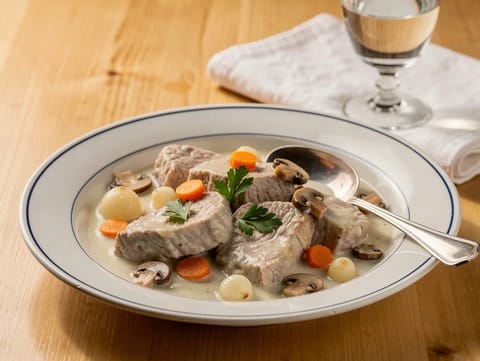
Creamy veal stew with mushrooms, carrots and a velvety sauce
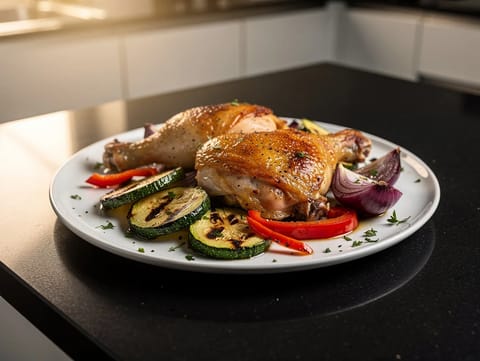
Air-fried chicken thighs with courgette, peppers and red onion.
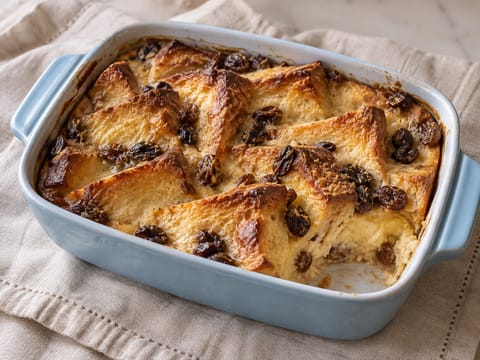
Brioche pudding baked in vanilla custard with sweet sultanas
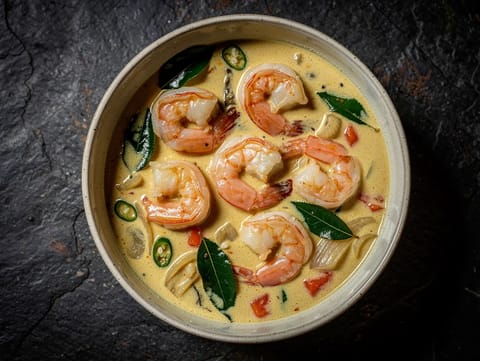
Kerala prawn curry simmered in coconut milk
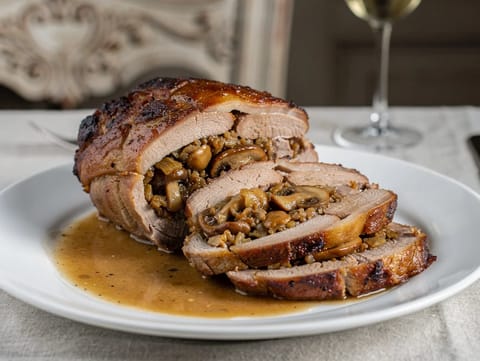
Roast veal layered with mushroom and onion stuffing
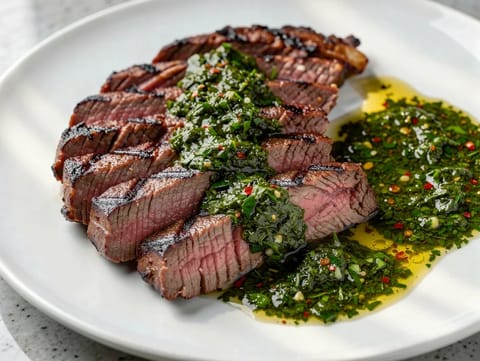
Grilled ribeye served with parsley and garlic chimichurri
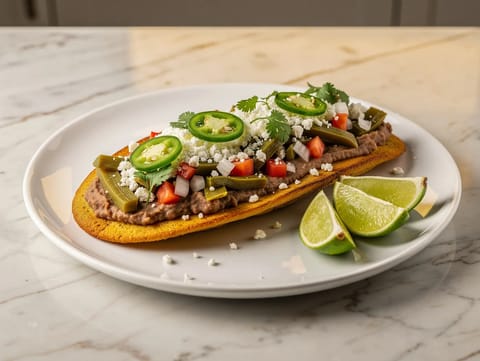
Griddled masa cakes topped with beans and nopales
Only when the recipe benefits from airflow under the food, most often for meat. For vegetables or anything you want in contact with the pan for browning, a rack can be unnecessary.
They are usually crowded or sitting in too much moisture. Use a larger surface area, leave space between pieces, and choose a shallower pan or tray if the recipe does not need high sides.
Often, yes, especially for dry roasting. Use a roasting pan when you expect a lot of fat or juices, or when you want to make a sauce from the drippings without spill risk.
Different materials behave differently: heavier pans hold heat and brown steadily, while lighter ones respond faster but can scorch drippings. The best choice depends on what you are roasting and whether you plan to make a sauce.
Use a pan that fits the roast so drippings are not spread too thinly, and consider adding a splash of water or stock if the recipe allows. Burnt drippings can make a sauce taste bitter.
It can be, but do it carefully. Add liquid slowly, expect vigorous bubbling and steam, and keep your hands and face back from the pan.
Choose a roasting pan for contained juices, steady browning and sauce-making potential. Keep an eye on airflow, avoid crowding, and handle the hot, heavy pan with the same care you would give a pot of boiling water.
