
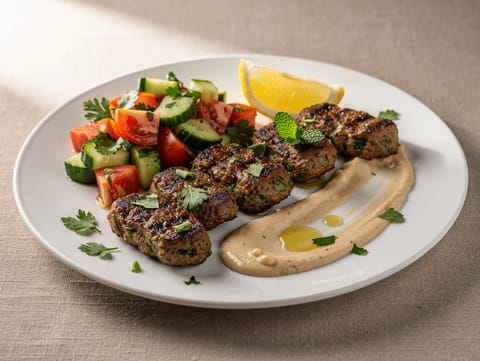
Lamb Kofta Platter with Tahini Lemon Sauce and Salad
Lamb kofta platter with tahini lemon sauce and salad

Skewers are simple tools, but they change how food cooks: pieces are exposed on all sides, heat reaches quickly, and small errors show up fast as scorching, spinning or uneven doneness. This page helps you choose between wooden and metal skewers and use either with fewer surprises, whether you’re grilling, roasting or cooking under a hot grill. The key is matching skewer type, ingredient size and heat level so the food stays put and cooks at the same pace.
Recipes in this category use skewers as the main way of holding and turning small pieces of food. That can mean classic kebabs on a barbecue, satay-style skewers cooked quickly over high heat, or skewered vegetables and seafood roasted in the oven. Skewers are not only for meat, but they do favour ingredients that cook relatively fast and can be cut into stable shapes. They also encourage a particular workflow: you prep, thread, cook and turn, often in a short window where browning happens quickly.
Lamb kofta platter with tahini lemon sauce and salad
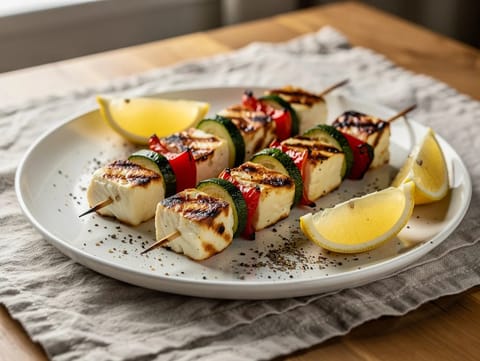
Grilled halloumi skewers with courgette, red pepper and oregano
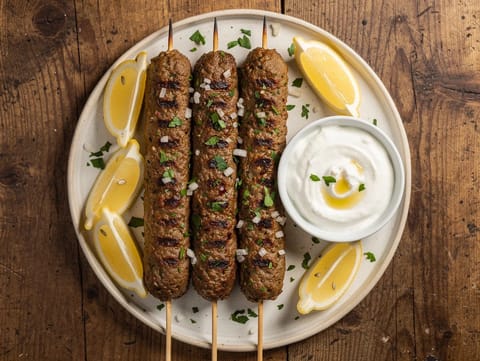
Beef kofta kebabs with onion, garlic, parsley and spices
Adana kebab made from minced lamb, shaped onto skewers and cooked until lightly charred
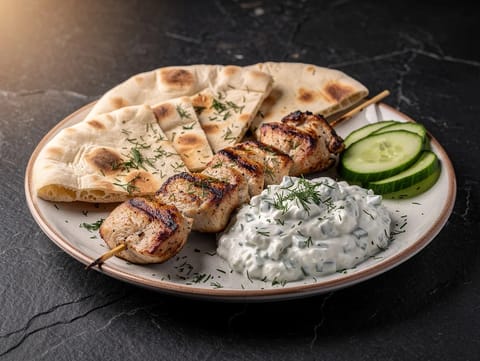
Chicken souvlaki with tzatziki and pitta
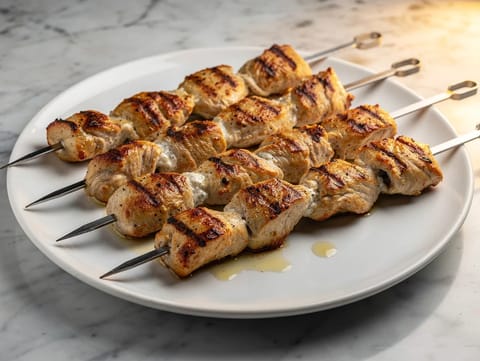
Turkish chicken skewers in a yoghurt, lemon and garlic marinade
Food that spins when you turn it is usually a sign the pieces are too smooth, too small, or threaded with too much empty space. Cut pieces with at least one flat side, thread snugly, and consider using two skewers for wider items like prawns or slices of courgette.
Burnt ends and undercooked centres often come from mixed ingredients that cook at different speeds. Keep similar items together, or cut slower-cooking vegetables smaller than quick-cooking ones.
With wooden skewers, scorching is the predictable failure point. Soak when the cooking method is very hot and exposed, and keep protruding ends away from direct flame or the hottest part of the grill.
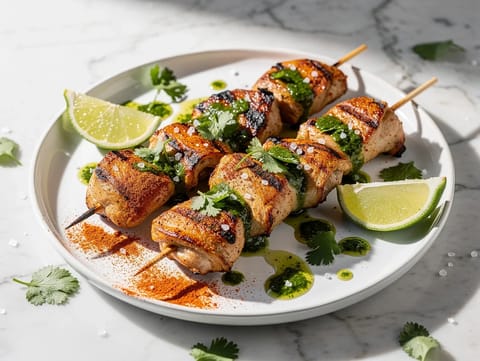
Chicken skewers with lime, garlic, cumin and smoked paprika
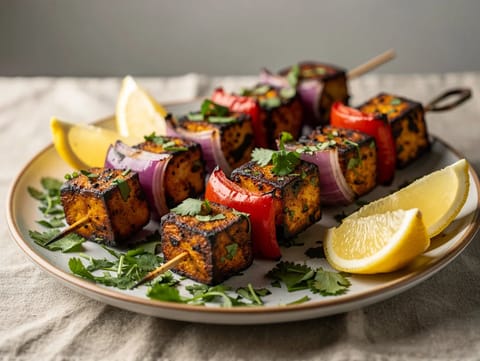
Air-fried paneer tikka with peppers and red onion.
Adana kebab made from minced lamb, shaped onto skewers and cooked until lightly charred
Sticky air fryer chicken skewers glazed with soy, mirin and brown sugar.
Vietnamese pork sausage shaped onto skewers and grilled until browned and juicy
Minced chicken kebabs air-fried with spices, served with lemon and mint yoghurt.
Greek pork souvlaki skewers with warm pitta, tzatziki, tomato and red onion
Juicy grilled lamb kofta skewers served with lemon and cumin yoghurt
Marinated pork skewers grilled until lightly charred, served with pitta and tzatziki
Juicy grilled lamb kofta skewers served with a lemony tahini and yoghurt sauce
Juicy chicken thigh skewers marinated in orange, lime, garlic and cumin, then grilled
Metal skewers conduct heat, including at the handle end, so treat them like any hot piece of cookware and use tongs or a cloth when turning. Wooden skewers can splinter if forced through hard ingredients; a gentle twist helps. If you’re cooking over open flame or under a fierce grill, keep an eye on flare-ups from dripping fat, which can char the outside before the inside is ready.
If you’re deciding between grilling, roasting or using a hot grill, browsing by Cooking method helps you predict browning and how often you’ll need to turn the skewers. Difficulty is also useful here: skewered food can be straightforward, but timing and heat management become more demanding as pieces get smaller and cook faster.
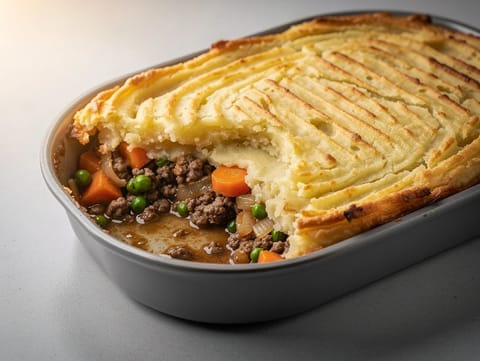
Minced beef and gravy topped with mashed potatoes
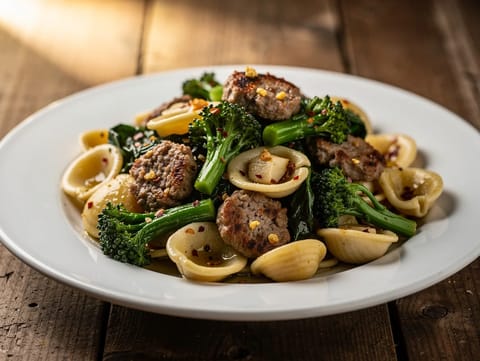
Orecchiette with broccoli rabe, sausage, garlic and chilli
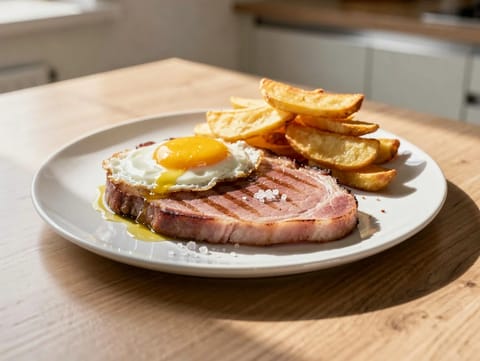
Pan-fried gammon with fried egg and crisp oven chips
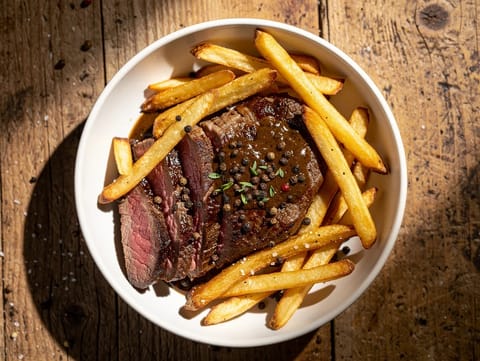
Pepper-crusted steak with cognac cream sauce and pommes frites
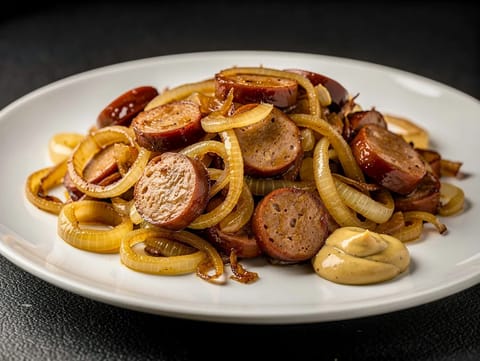
Pan-fried pork sausage served with soft, golden onions
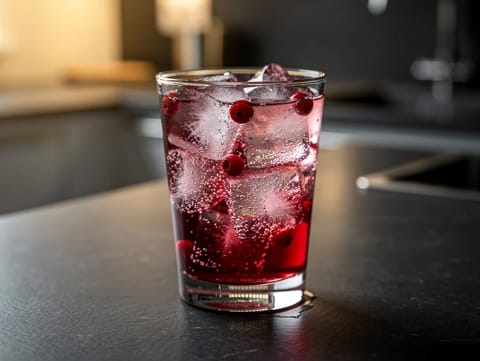
Lingonberry cordial spritzer with sparkling water, lemon and ice
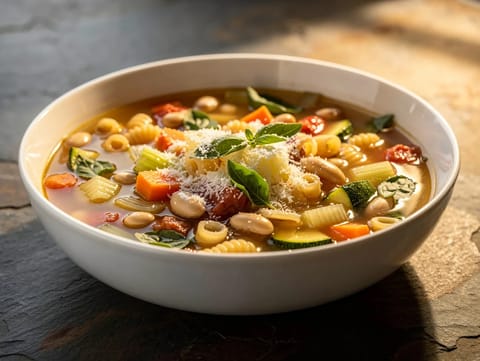
Brothy minestrone with vegetables, cannellini beans and small pasta
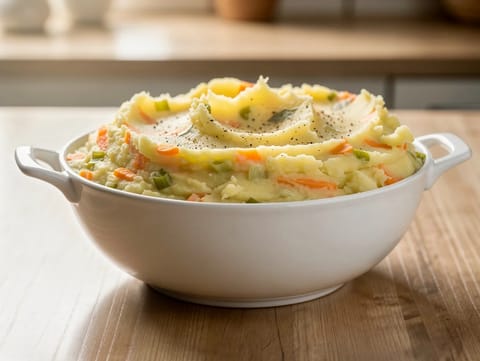
Belgian mashed potatoes with carrots, leeks, butter and milk
They behave differently. Metal skewers are reusable and don’t burn, but they heat up quickly and can over-brown delicate foods if the skewer itself gets very hot. Wooden skewers are gentler but can scorch in high, direct heat unless you manage exposure.
Soaking helps when the cooking is very hot and exposed, such as over a barbecue or close to a grill element. It is less critical for gentler oven roasting, but it still reduces the chance of charred tips.
Usually the pieces are cut too small, too round, or threaded loosely. Cut more uniform chunks with a flat side, pack them closer together, and use two skewers for items that tend to rotate.
You can, but it’s harder to cook evenly because different ingredients brown and soften at different rates. Many cooks keep similar ingredients together, or adjust the cut size so everything finishes at roughly the same time.
Sticking is more about the cooking surface than the skewer. Preheat well, oil the food lightly rather than flooding the grill, and wait until the surface has browned enough to release before trying to turn.
Yes. Oven skewers are often cooked on a tray or set across a roasting tin so heat can circulate. Watch exposed wooden ends, which can still darken in a hot oven.
Pick skewers based on heat and handling: wooden for convenience and gentler cooking, metal for durability and easy turning, especially when you want repeated use. Once you’ve matched ingredient size and cooking speed, skewers become a reliable way to get quick browning and tidy portions without much extra equipment.
