
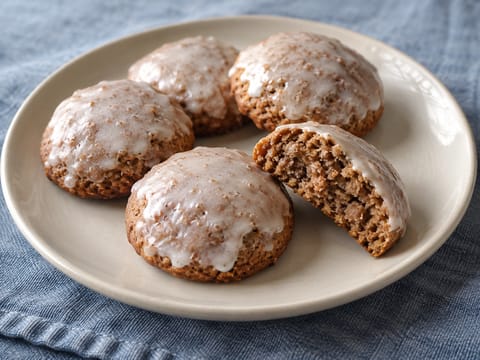
Lebkuchen (German Spiced Honey Biscuits with Nuts)
German honey biscuits with warming spices, almonds and hazelnuts

Spatula is one of those words that can mean two quite different tools: a flat turner for flipping and lifting, or a flexible scraper for folding and cleaning out bowls. Recipes that mention a spatula are usually signalling a particular kind of handling, quick turning in a hot pan, or gentle mixing without knocking out air. Knowing which spatula is meant saves time and reduces breakage, whether you’re turning fish, folding cake batter, or scraping a thick sauce from the sides of a saucepan.
A turner spatula is thin and flat, designed to slide under food and lift it cleanly. It’s the tool for pancakes, burgers, fritters and anything you need to flip without tearing. A scraper spatula is flexible, often silicone, and is meant to follow the curve of a bowl or pan so you can fold mixtures and waste less.
Some recipes use the word loosely, but the context usually tells you which is intended: “flip” and “turn” point to a turner; “fold”, “scrape” and “stir through” point to a scraper. Keeping that distinction in mind makes the method feel smoother and more controlled.
German honey biscuits with warming spices, almonds and hazelnuts
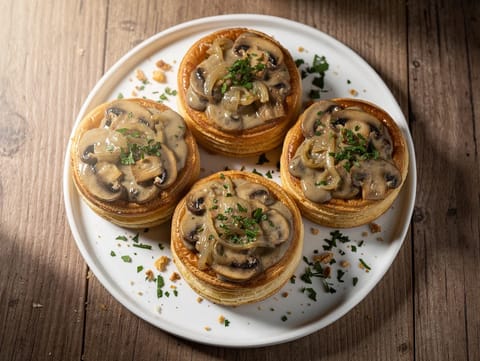
Puff pastry cases filled with creamy mushrooms
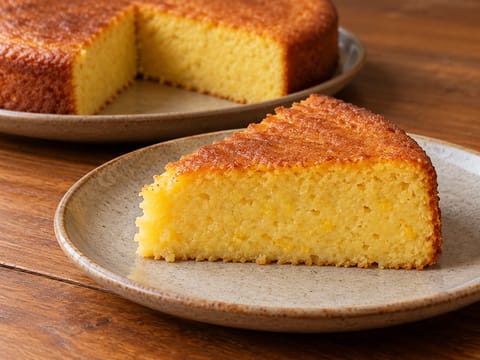
Mexican corn cake made with sweetcorn
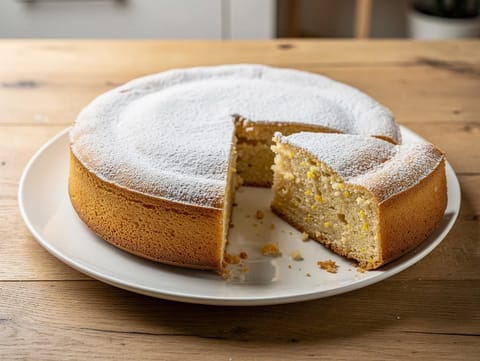
Gluten-free almond cake with lemon zest and icing sugar
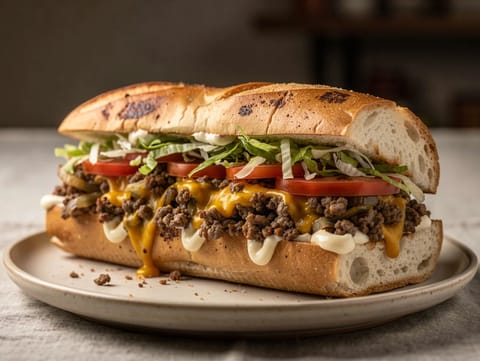
Hot minced beef and melted cheese in a toasted roll
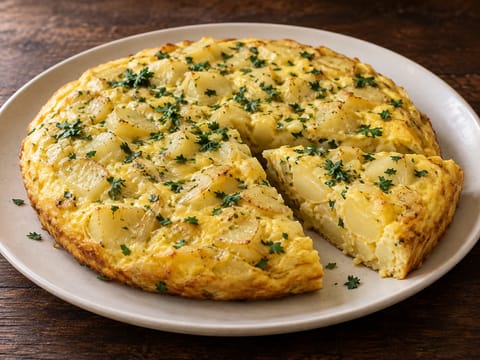
Potato frittata with onion and parmesan
For flipping in a frying pan, look for a thin leading edge that can get under browned food without forcing it. A wider blade supports fragile items like fish fillets; a narrower one is nimble for smaller pieces.
For mixing and folding, flexibility matters more than width. A scraper that bends easily will fold batters and whipped mixtures with fewer strokes, which helps when you’re trying not to deflate them.
Material affects workflow too. Silicone scrapers are useful around non-stick cookware and for sticky mixtures; metal turners are excellent for crisp-edged foods in stainless steel or cast iron, where you want a firm edge to release the crust.
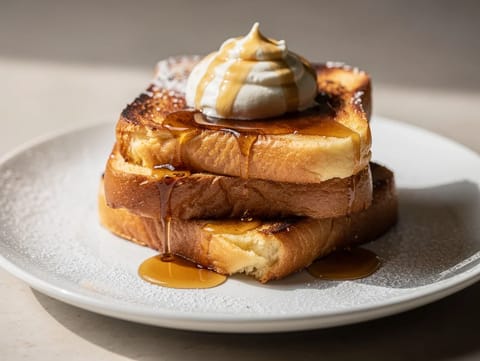
Custard-soaked brioche French toast with crème fraîche and maple syrup
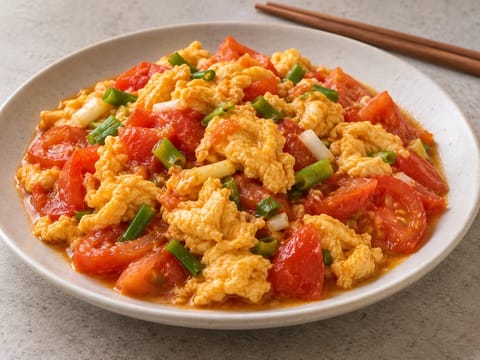
Soft eggs stir-fried with juicy tomatoes and spring onions
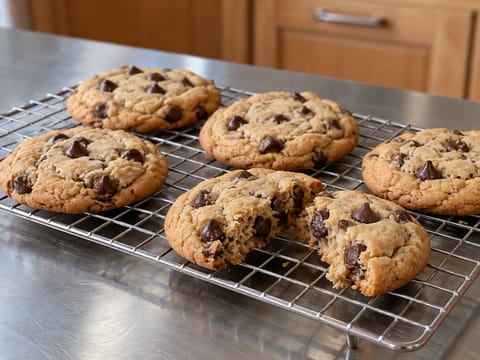
One-bowl peanut butter cookies with dark chocolate chips
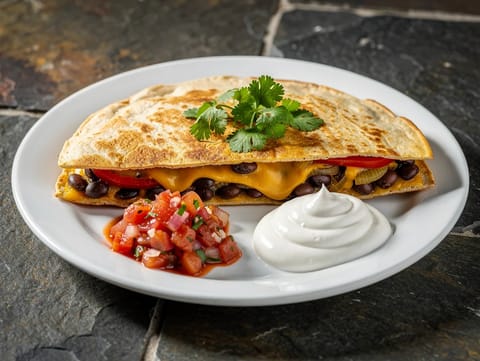
Crisp quesadilla with black beans, cheddar and peppers
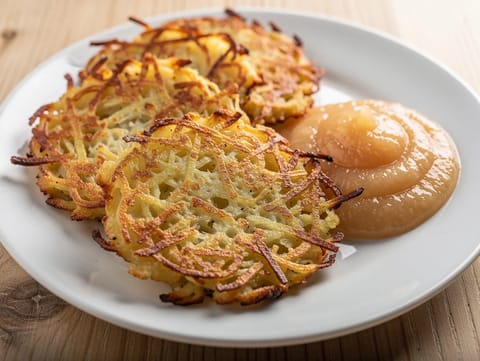
Crisp German grated potato cakes served with apple sauce
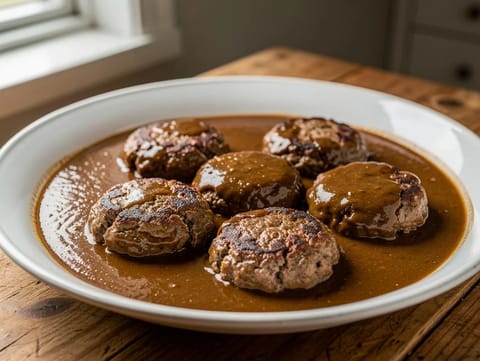
Norwegian beef meatballs served with creamy brown gravy
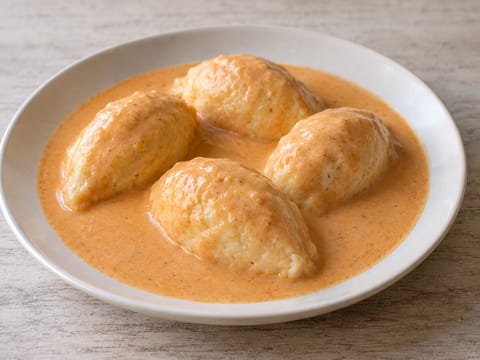
Poached pike quenelles served with a creamy crayfish Nantua sauce
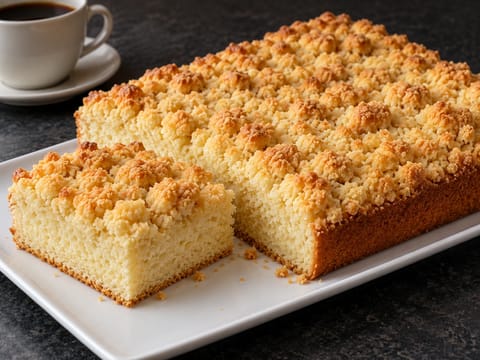
German yeasted crumb cake with a thick buttery streusel topping
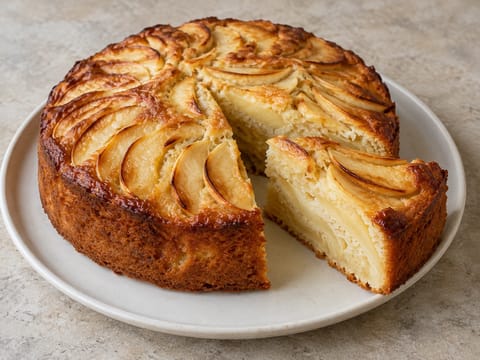
Italian apple and yoghurt cake with lemon and vanilla
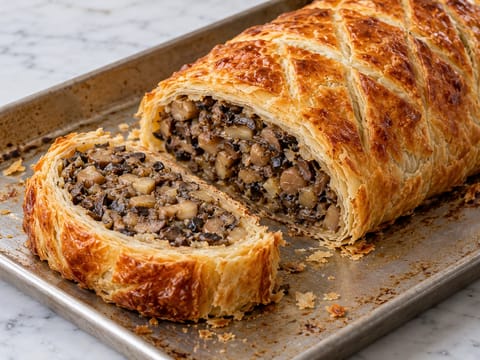
Mushroom and chestnut Wellington baked in crisp puff pastry
Gluten-free almond cake with lemon zest and icing sugar
German honey biscuits with warming spices, almonds and hazelnuts
Match the spatula to the heat and the pan. Some plastics soften near high heat, and a very flexible scraper can be awkward for turning heavy foods. With non-stick pans, avoid sharp metal edges that can scratch the coating. If you’re working with sugar syrups or very hot fat, use a utensil that’s rated for high temperatures and keep your hands clear of splatter when turning.
Cooking method pairs naturally with spatula use: flipping, folding and scraping show up differently in frying, baking and sauce-making. Difficulty can also be a useful lens, because some techniques depend on confident handling, such as turning delicate fish or folding airy batters without overmixing.
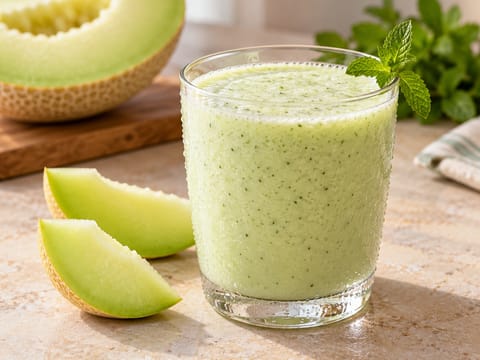
A refreshing melon smoothie with mint, lime and yoghurt.
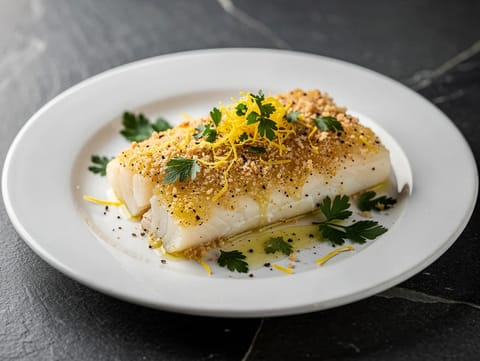
Baked cod with a buttery lemon breadcrumb topping
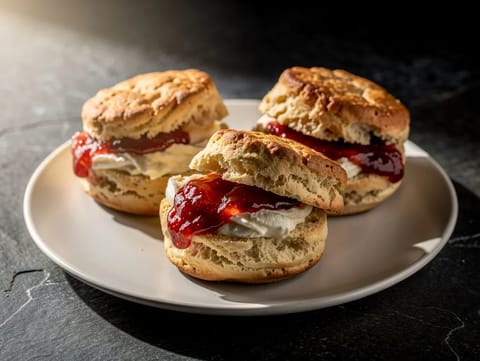
Classic air fryer scones served with clotted cream and jam.
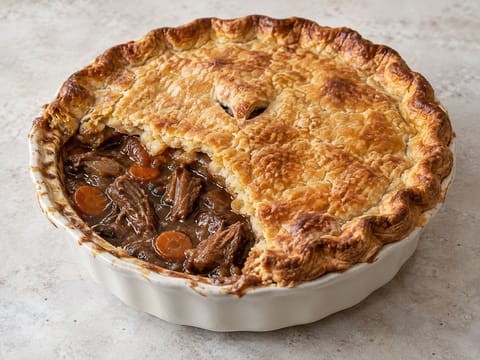
Braised beef and ale pie topped with shortcrust pastry
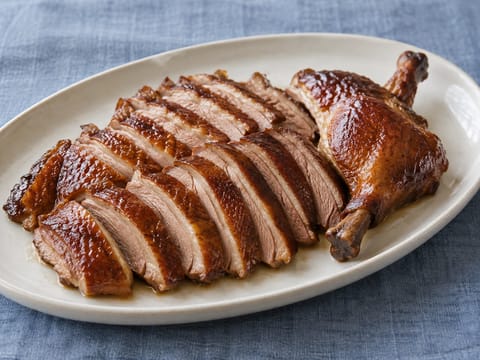
Sichuan tea-smoked duck simmered, smoked with tea and roasted to crisp
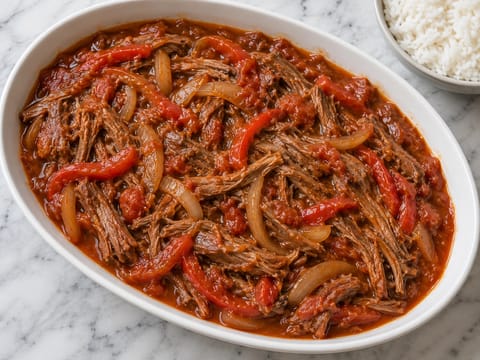
Shredded beef brisket simmered in tomato, pepper and cumin sauce
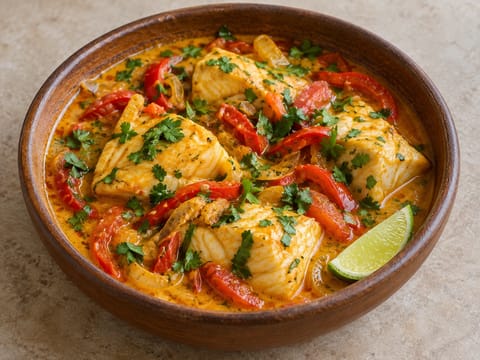
Brazilian coconut fish stew with tomatoes, peppers and lime
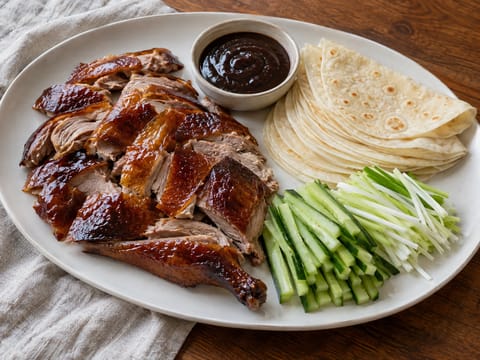
Roast duck served with pancakes, cucumber, spring onions and hoisin
A fish slice is a type of turner spatula, usually thin and flexible with slots, designed to slide under delicate foods. Many people use the terms interchangeably, but the fish slice is more specialised.
It’s very useful for folding and scraping bowls clean, but not essential. A large metal spoon can fold mixtures, though it won’t scrape as thoroughly.
Often the spatula edge is too thick, or the pancake hasn’t set enough to release. A thinner turner and a little more time for the surface to brown usually help.
It depends on the pan and the spatula edge, but sharp metal can scratch many non-stick coatings. A nylon or silicone turner is the safer choice for most non-stick cookware.
For turning, a palette knife or fish slice works similarly, and tongs can handle sturdier items. For scraping and folding, a wooden spoon can substitute, though it leaves more mixture behind.
Folding is a gentle mixing action. A flexible scraper spatula lets you lift and turn the mixture with fewer strokes, which helps keep air in whipped egg whites or cream.
Once you know whether you need a turner or a scraper, spatula instructions become much clearer. Choose the shape and material that match the pan and the technique, and you’ll flip, fold and scrape with less fuss and fewer broken pieces.
