
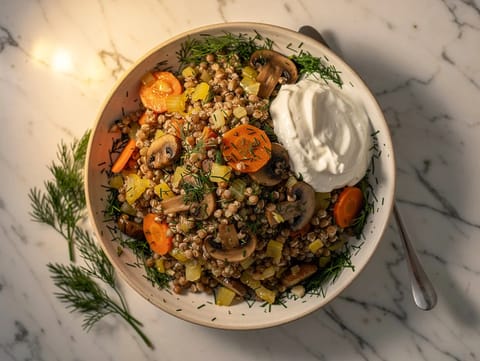
Polish Buckwheat Bowl with Vegetables (Kasza Bowl)
Kasza bowl with buckwheat groats and sautéed vegetables

Buttery recipes are about more than butter as an ingredient. The flavour profile points to a particular kind of richness: mellow, rounded and often slightly sweet, with a soft finish that makes food taste cohesive. It also signals texture, from flaky pastry to silky sauces, where fat smooths sharp edges and carries aroma. If you are cooking for comfort, “buttery” is a useful shorthand for dishes that feel plush rather than punchy.
A buttery taste can come directly from butter, but also from other sources of milk fat and from techniques that mimic butter’s effect. Ghee and browned butter bring a deeper, nutty direction; cream and crème fraîche lean more lactic; egg yolks can give a similar richness in custards and emulsified sauces. In baking, butter contributes both flavour and structure: it can make pastry tender and flaky, and cakes fine-crumbed, depending on how it is mixed. In savoury cooking, butter often acts as a finishing fat, rounding out sauces and vegetables and giving a glossy, cohesive mouthfeel.
Kasza bowl with buckwheat groats and sautéed vegetables
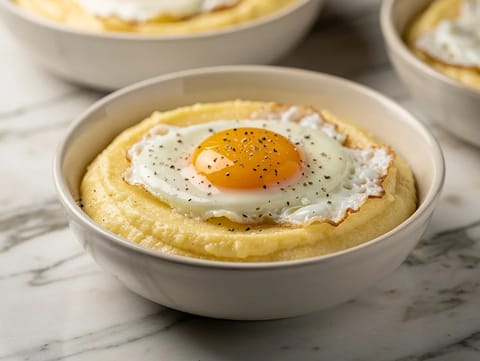
Creamy polenta with butter, Parmesan and fried eggs
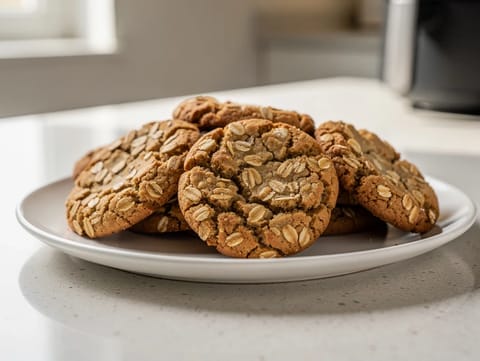
Air fryer oatmeal cookies with a chewy centre and crisp edges.
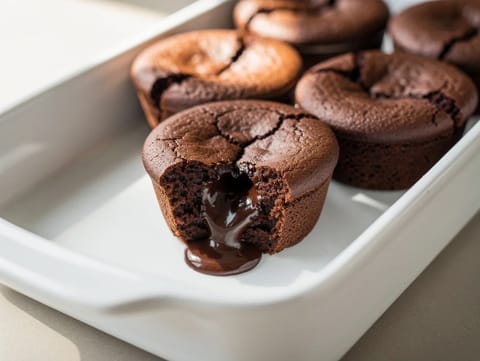
Warm chocolate cakes with a molten centre
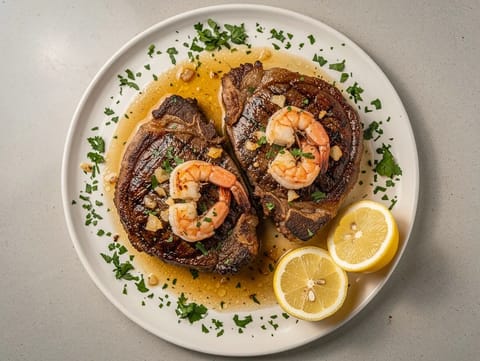
Seared sirloin steak with garlic butter prawns and lemon
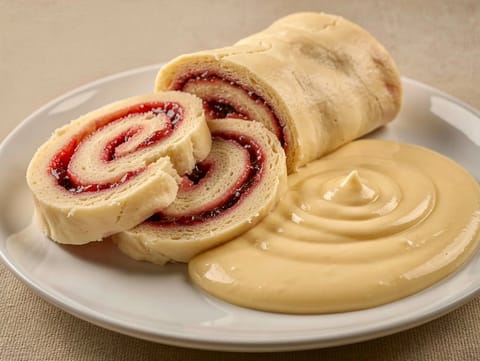
Steamed suet pudding rolled with strawberry jam
Because buttery flavours are gentle, they can be overwhelmed by very aggressive heat or bitterness, but they pair well with ingredients that add lift. Acidity is the classic counterpoint: a squeeze of lemon, a spoon of yoghurt, or a sharp pickle on the side can stop richness from feeling heavy. Fresh herbs and alliums bring fragrance without fighting the base. Salt is crucial, not just for seasoning but for definition, especially in mashed or puréed textures. For a warmer profile, nutmeg, white pepper and mild spices sit comfortably alongside dairy richness, while toasted nuts echo browned-butter notes.
Air fryer Japanese sweet potato finished with butter and black sesame seeds.
Air fryer apple pie with shortcrust pastry and a cinnamon apple filling.
French gougères made with choux pastry, eggs and grated Gruyère
Pan-fried trout served with a warm brown butter, caper, lemon and parsley sauce
Buttery Dutch appeltaart filled with cinnamon apples and a touch of lemon
Brioche-style maritozzi proved until fluffy, then filled with sweetened cream
Shortcrust apple and blackberry pie with lemon-bright filling baked until golden
Pan-cooked crêpes folded around ham and Gruyère, warmed until the cheese melts
French tarte Bourdaloue with pears baked over a rich almond frangipane filling
Caribbean-style seafood boil finished with garlic butter and a squeeze of lime
Skillet-cooked harcha with a crisp exterior and tender, buttery centre
Crisp striftopita filled with feta, eggs and fresh dill
For a clean, classic buttery profile, look for recipes that keep the butter pale and use it to soften and gloss, such as simple sauces, vegetables or mashed preparations. If you want deeper flavour, choose recipes that brown the butter or rely on baking and roasting, where butter’s milk solids toast and turn more aromatic. For a lighter feel, buttery dishes that include acidity or herbs tend to finish fresher, even when the texture stays rich. And if texture is the main draw, decide whether you want crisp and flaky (pastry, crumb toppings) or smooth and spoonable (custards, creamy sauces), as the technique changes the result as much as the ingredient list.
If you want to understand where the buttery character is coming from, browsing by Ingredient helps, especially when recipes use butter, cream, ghee or eggs in different ways. Dish type is equally helpful because “buttery” can mean flaky bakes, silky sauces or rich desserts, and the format tells you what kind of texture to expect.

Mango and lime ice lollies with a pinch of chilli
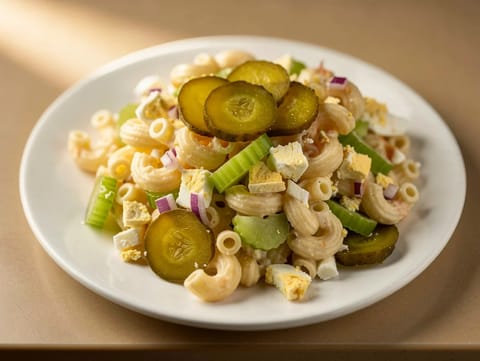
Creamy macaroni salad with sweet pickles and celery
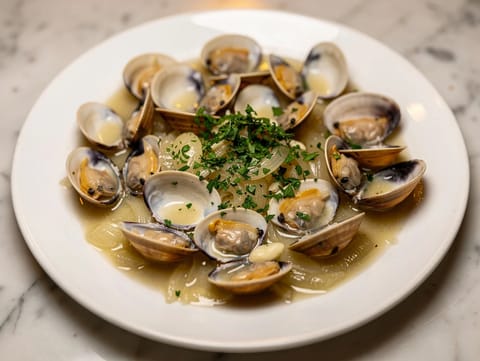
Clams steamed in white wine sauce with garlic and parsley
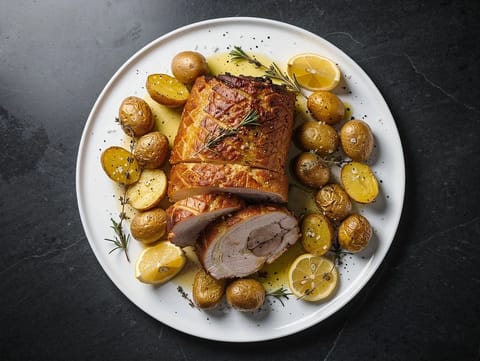
Rolled pork belly with roast potatoes and herbs
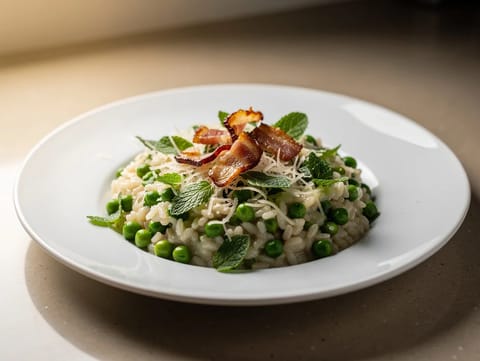
Creamy risotto with peas, mint and crispy pancetta
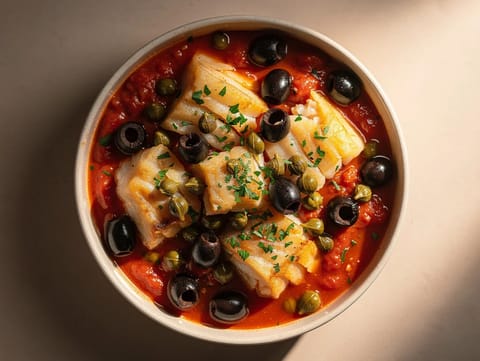
Tuscan salt cod stew with tomatoes, olives and capers
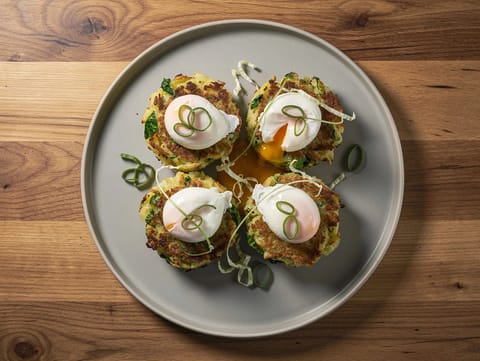
Fried potato and cabbage cakes topped with poached eggs
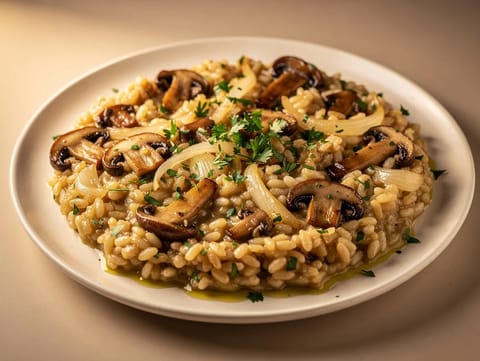
Creamy Spanish rice with wild mushrooms and parsley
Not necessarily. The term describes the overall flavour and mouthfeel. Some recipes get a buttery effect from cream, egg yolks, or other fats and emulsions that taste similarly rich and smooth.
Buttery tends to taste more rounded and fatty, sometimes with a faint sweetness, while creamy often suggests a lactic tang and a softer, milk-forward aroma. Many dishes are both, but the emphasis differs.
When butter is heated, the water cooks off and the milk solids toast. That browning creates nutty, caramel-like aromas, which makes the flavour feel deeper than plain melted butter.
They usually need enough salt and a little lift, often from acidity or herbs. Without that contrast, rich flavours can blur together and the finish can feel dull.
Yes, but it depends on the style of heat. Butter can soften chilli burn and carry spice aromas, but very sharp, high-heat profiles may need extra acidity or freshness to keep the dish defined.
When you choose buttery recipes, you are choosing softness and cohesion. Keep an eye out for the balancing elements, usually salt and a touch of acidity, and the richness will read as deliberate rather than heavy.
