
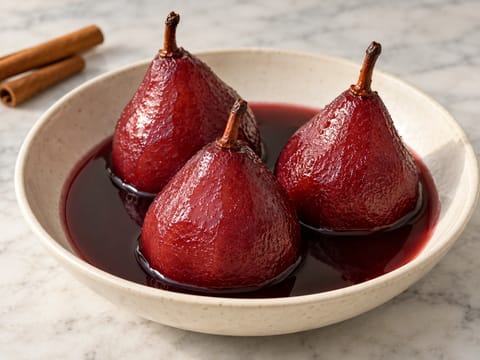
Stoofperen (Dutch Spiced Stewed Pears in Red Wine)
Pears stewed in red wine with cinnamon and cloves

Fruity flavours can read as crisp and refreshing or deep and jammy, depending on the fruit and how it’s treated. Fresh fruit brings perfume and acidity; cooked fruit leans towards caramel notes and a thicker, more rounded sweetness. This flavour profile suits recipes where fruit is the main character, but it also covers savoury dishes that use fruit to add brightness, gentle sweetness or a glossy sauce.
Fruity usually means the flavour is led by fruit rather than simply containing it. That can be obvious, as in a fruit tart or compote, or more subtle, as in a chutney, salsa or sauce where fruit plays against salt, spice or savoury ingredients.
It helps to think in two broad directions. Fresh, raw fruit tends to taste brighter and more aromatic, with a clearer sense of acidity. Cooked fruit tastes darker and more integrated, often with a thicker texture and a sweetness that feels less sharp. Dried fruit sits somewhere else again: concentrated, chewy, and often more honeyed or toffee-like than fresh fruit.
Pears stewed in red wine with cinnamon and cloves
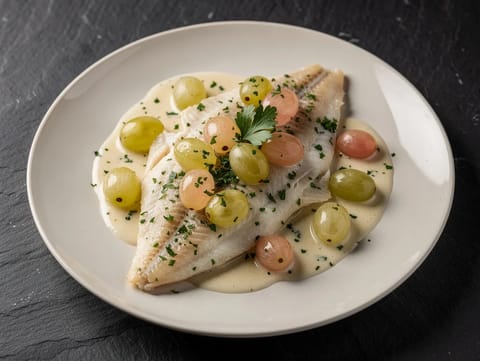
Poached sole with grapes in a white wine cream sauce
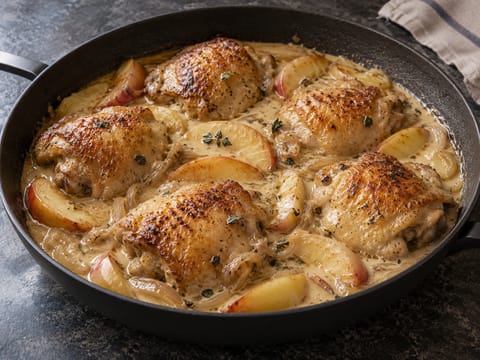
Chicken with Calvados, apples and double cream sauce
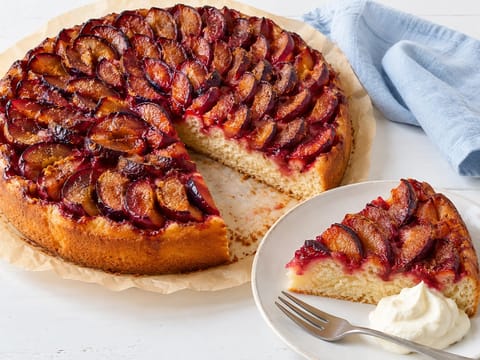
German yeast plum cake topped with fresh plums and cinnamon sugar

Small air fryer apple pie with buttery pastry and cinnamon.

Crisp pastry strudel filled with vanilla quark, lemon and sultanas
For a light, clean fruitiness, look for recipes that keep fruit raw or only lightly warmed. These often rely on good knife work and careful seasoning so the fruit tastes vivid rather than watery.
For a cosy, dessert-like fruitiness, baked and stewed preparations bring out caramel notes and soften acidity. They suit recipes where you want the fruit to melt into the background as well as those where it forms a distinct layer or topping.
For savoury fruitiness, recipes may use fruit to balance salt and heat, or to add a glossy finish to roasted or grilled foods. In these dishes, the key choice is whether the fruit should stay bright (added late) or become sauce-like (cooked down with aromatics).

Pineapple punch with ginger and lime, served over ice

Lime and mint cooler served over ice

Passion fruit curd cups topped with whipped double cream
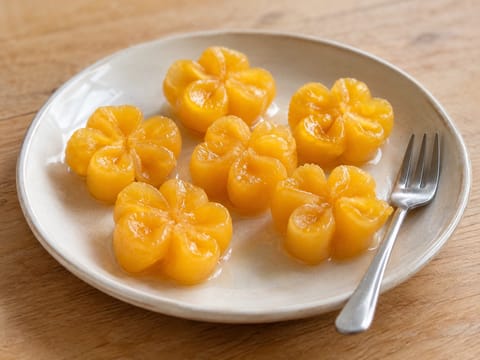
Egg yolk sweets shaped into small flowers in syrup

Korean sweets platter of yakgwa honey biscuits and rice flour dasik

Orange-scented ring bread topped with candied fruit

Chilled mango cheesecake with cardamom and biscuit base
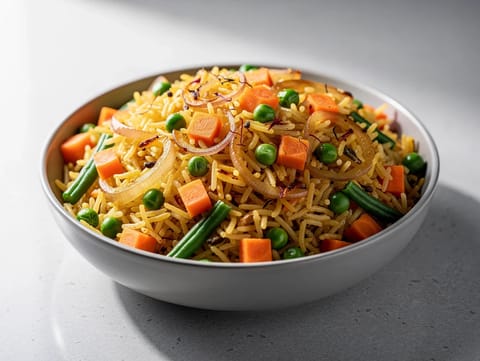
Vegetable pulao with basmati rice, ghee, saffron and spices
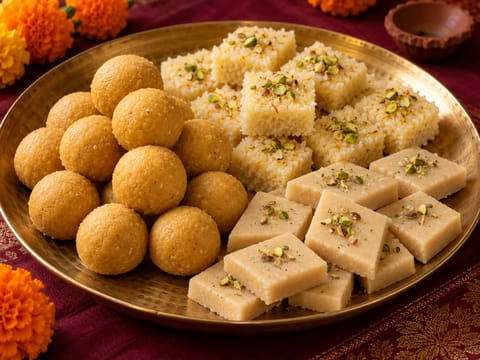
Diwali sweets platter with besan ladoo, coconut barfi and cashew fudge

Crisp Greek phyllo pastry filled with semolina custard

Swedish saffron buns shaped into curls with raisins

Portuguese Christmas doughnuts rolled in warm cinnamon sugar
Acid and sweetness are already present in many fruits, so balance often comes from salt, bitterness and spice. A pinch of salt can make fruit taste more “itself”, while bitter elements such as dark chocolate, coffee, chicory or certain leafy greens can stop sweetness feeling one-note.
Warm spices commonly pair well with cooked fruit because they echo caramel notes. Fresh herbs can do the opposite, lifting raw fruit and making it taste cooler and more aromatic. Dairy and creamy elements soften sharp fruits and give structure to desserts and sauces. If a fruity dish tastes cloying, it usually needs either more acidity, a touch of bitterness, or a drier, crunchier texture alongside.
Ingredient is the most direct way to explore fruity flavours, because different fruits behave very differently when baked, stewed or blended. Dish is useful when you’re deciding how you want fruit to show up, such as in baking, sauces, salads, drinks or desserts with a creamy base.
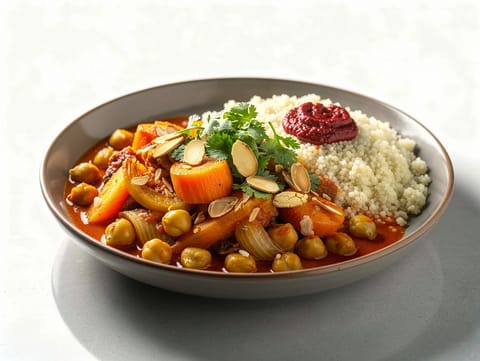
Carrot and chickpea tagine served with couscous and harissa

Fluffy Thai omelette with fish sauce, served with jasmine rice

King prawns over coconut rice with pineapple and avocado
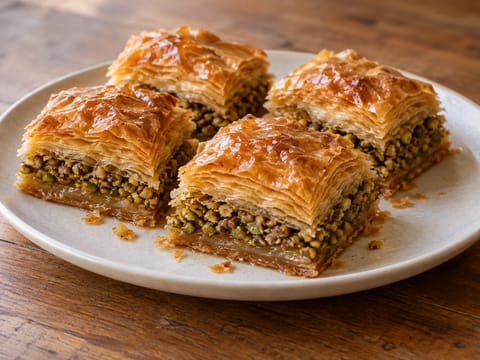
Crisp filo baklava with pistachios, walnuts and honey syrup

Dense air fryer fudge brownies made with dark chocolate and cocoa.
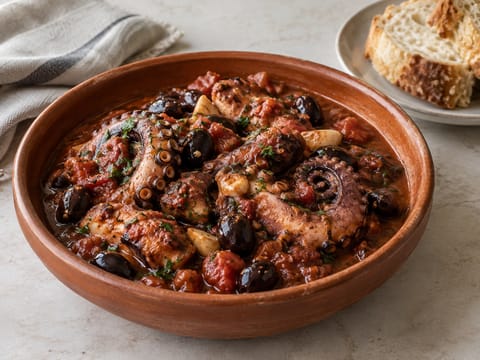
Octopus stew simmered with tomatoes, olives, white wine and chilli

Sponge cake layered with ricotta cream and sliced pears
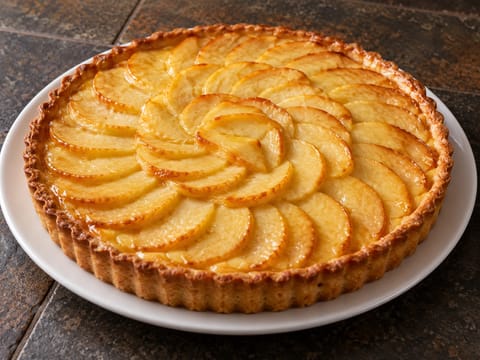
Spanish apple tart with custard and apricot glaze
Not necessarily. Many fruits bring acidity as well as sweetness, and savoury recipes can use fruit for brightness, perfume or a gentle sweetness that balances salt and spice.
Heat softens cell walls, concentrates juices as water evaporates, and can trigger caramelisation and Maillard-style browning when sugars and proteins are present. The result is a darker, rounder flavour.
Look for contrast: acidity (citrus, yoghurt), bitterness (dark chocolate, coffee), or texture (nuts, crisp pastry, toasted crumbs). Often the fix is balance rather than less fruit.
Citrusy is a specific kind of fruitiness led by citrus oils and sharp acidity. Fruity is broader and can include berries, stone fruit, tropical fruit, dried fruit and more.
Yes. Fruit can soften heat and carry spice aromas. The key is deciding whether you want a bright, fresh fruit note (added late) or a cooked, sauce-like fruit note (reduced with aromatics).
Fruity recipes are easiest to choose when you decide how you want the fruit to behave. Keep it fresh for perfume and snap, cook it for depth and gloss, or use it savoury for balance against salt and spice.
