
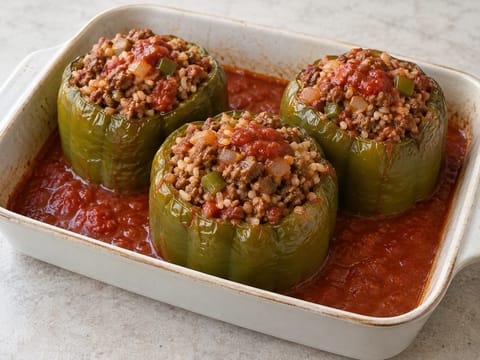
Middle Eastern Stuffed Peppers with Beef and Rice
Stuffed peppers baked with spiced beef, rice and tomato sauce

Savoury is the flavour profile that sits away from sweetness and towards depth: browned edges, meaty or mushroomy notes, and the mouth-filling quality often described as umami. It can come from meat and fish, but also from tomatoes, mushrooms, aged cheeses, fermented sauces, toasted grains and slow-cooked onions. Because “savoury” covers a wide range, it helps to decide what kind of savoury you want: clean and brothy, dark and roasted, or rich and creamy. That choice will steer you towards very different recipes, even when the ingredients overlap.
Savoury is not a single ingredient and it is not automatically salty or spicy. It is a cluster of sensations: umami, roasted flavours from browning, and aromatic depth from alliums, herbs and spices. A savoury dish can be light, such as a clear broth with ginger and spring onion, or deeply flavoured, such as a slow-cooked ragù. Many savoury recipes build flavour in layers, using a base (onion, garlic, celery, ginger), then adding ingredients that bring umami (tomato, mushrooms, soy-based seasonings, cheese) and finishing with freshness or acidity so the depth does not feel dull.
Stuffed peppers baked with spiced beef, rice and tomato sauce
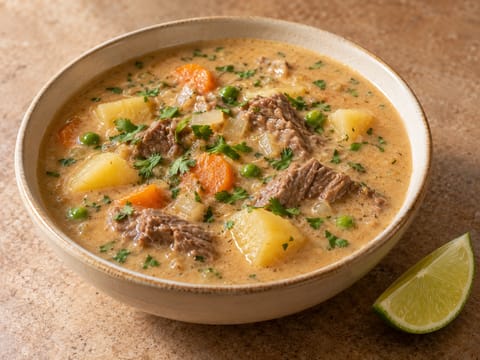
Bolivian peanut soup with beef and potatoes
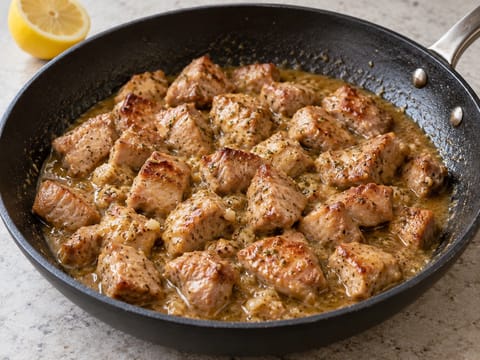
Pan-fried pork with lemon and mustard sauce
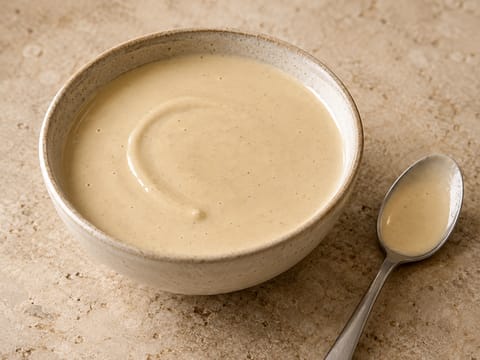
Smooth tahini sauce with lemon, garlic and water
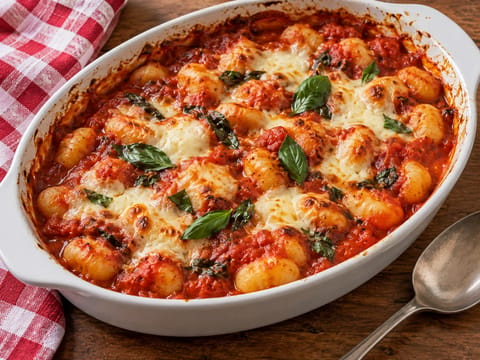
One-pan gnocchi baked in tomato sauce with mozzarella
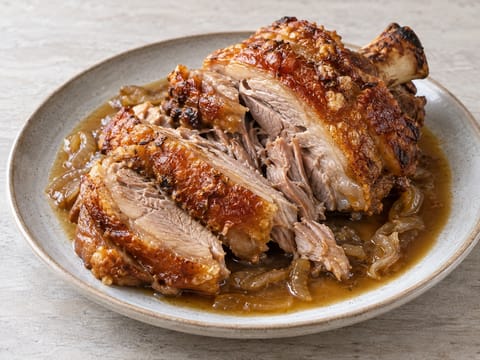
Roasted pork knuckle with garlic, caraway, crisp crackling and gravy
For a clean savoury profile, look for recipes that emphasise stock, seafood, vegetables and herbs, with minimal browning. These tend to taste clear and aromatic. For roasted savouriness, choose recipes that rely on high heat, searing or oven roasting, where browned surfaces and caramelised bits are part of the flavour. For creamy savouriness, recipes using dairy, eggs or blended vegetables often feel fuller and more coating, and they benefit from a bright finish such as lemon, pepper or herbs. If you are comparing recipes, scan for the main flavour engine: a browned base, a fermented seasoning, or a long simmer will each give a different kind of savoury depth.
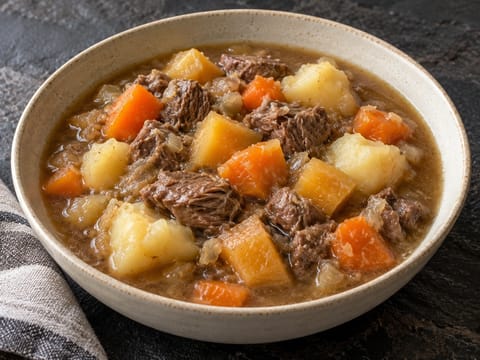
Norwegian beef stew with potatoes, carrots and swede

White lasagne with béchamel, minced pork and porcini mushrooms
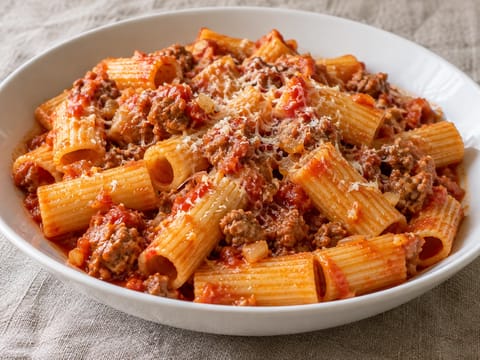
Rigatoni with Italian sausage in tomato and white wine sauce

Spanish brothy rice cooked in saffron stock with tomato sofrito
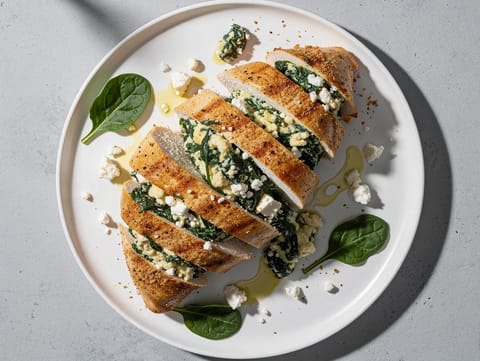
Chicken stuffed with spinach and feta, cooked in the air fryer.

Crispy chicken tossed in a sweet and sour sauce.
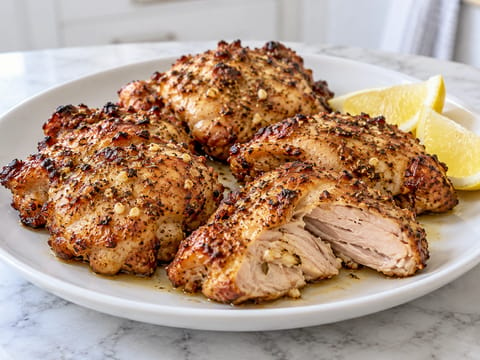
Air fryer Greek chicken with lemon, garlic and oregano.

Pan-fried bratwurst with sauerkraut and mustard sauce
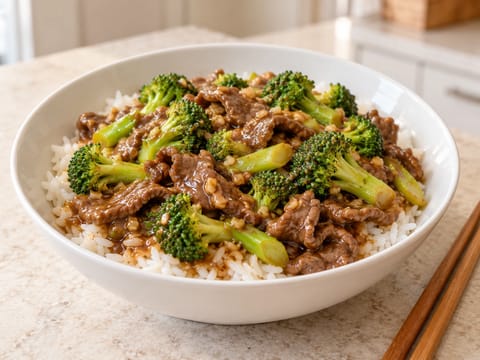
Quick beef and broccoli stir-fry with oyster sauce
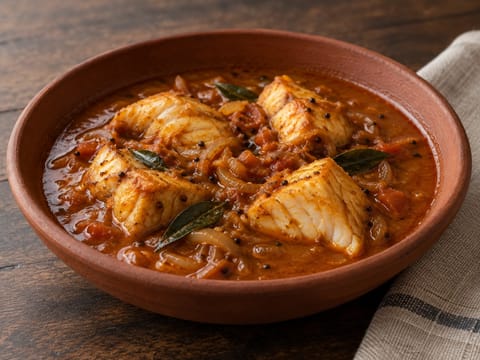
Kerala-style fish curry in a tamarind and tomato gravy
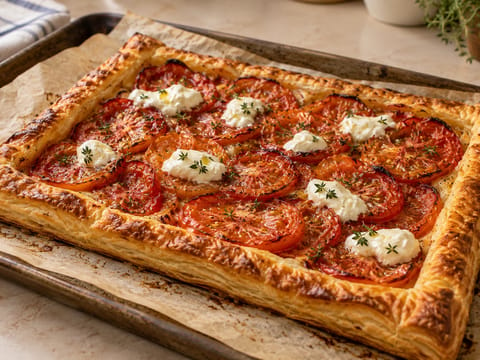
Puff pastry tart with Dijon mustard and baked tomatoes
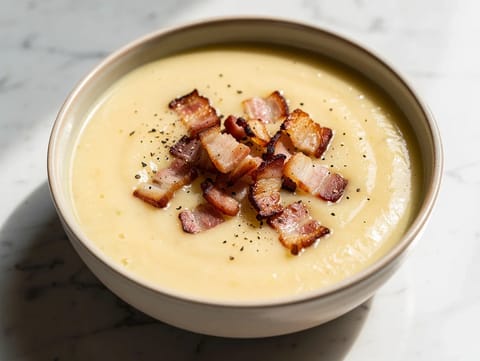
Creamy potato soup topped with crisp bacon
Savoury dishes often come alive with contrast. Acidity, whether from citrus, vinegar, wine or tomatoes, can make umami taste more defined. Bitterness, from greens or charred edges, can stop rich savoury flavours feeling heavy. Fresh herbs add lift, especially when stirred in at the end. Texture is another useful lever: crisp toppings, toasted breadcrumbs, or a crunchy salad can make a soft savoury dish feel more complete. If a savoury recipe already includes several umami-rich ingredients, it may need less added seasoning than you expect, because those ingredients can amplify one another.
Savoury flavour is often shaped by the main ingredient, so Ingredient browsing can help you choose between mushroomy, tomato-led, cheese-led or meat-led depth. Dish type is useful when you know the format you want, such as a soup, stew, pasta or bake, and then you can pick the savoury style that suits it.

Baked Portuguese duck rice finished with crisp chouriço
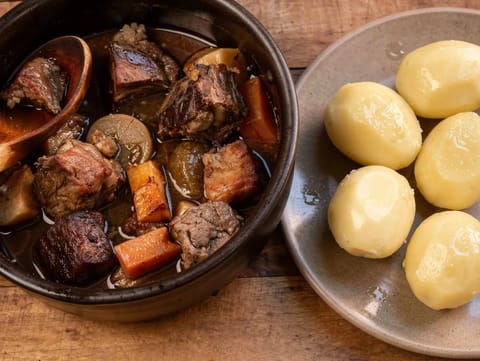
Finnish beef and pork stew with carrots and allspice

Dry white wine mixed with crème de cassis
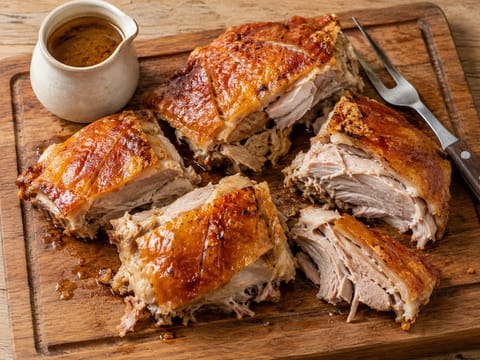
Roast suckling pig with garlic, bay, paprika and white wine

Butter-toasted rolls filled with creamy lemony lobster

Vanilla gelato with hot espresso and chocolate sauce
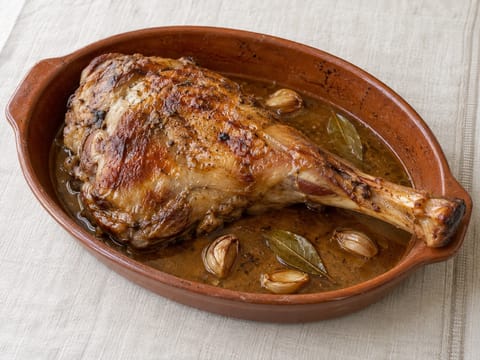
Slow-roasted lamb with garlic, bay leaves and pan juices
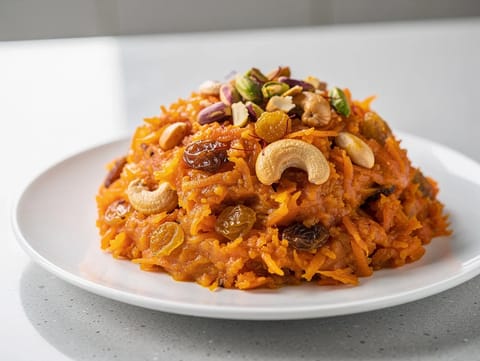
North Indian carrot pudding with milk, ghee and cardamom
Umami is a key part of savouriness, but savoury also includes roasted flavours from browning and aromatic depth from ingredients like onions, garlic and herbs.
Yes. Mushrooms, tomatoes, toasted grains, aged cheeses and fermented seasonings can all contribute savoury depth without meat or fish.
Not necessarily. Salt can enhance savoury flavours, but a dish can taste savoury without tasting notably salty.
They may be missing contrast. A small amount of acidity, fresh herbs, pepper, or a crisp element can make savoury flavours taste clearer and more lively.
Look at the main technique and flavour base. Roasting and searing give a darker savouriness; broths and gentle cooking give a cleaner savouriness; creamy bases give a fuller, softer savouriness.
Savoury is a broad promise, so it helps to choose whether you want clarity, browning, or creaminess. Once you know the style, the right pairings and finishing touches become much easier to judge.
