
Kir (White Wine and Blackcurrant)
Why this recipe works
- Ready in minutes: The drink is built directly in the glass, with no shaking, stirring or additional preparation needed.
- Balanced sweetness: Crème de cassis adds rounded blackcurrant sweetness while dry white wine keeps the finish crisp rather than heavy.
- Best served cold: Using well-chilled wine and, ideally, a chilled glass keeps the apéritif bright, clean and refreshing.
Get the most out of this recipe
Cocktail variations
- Make a kir royale: Replace the dry white wine with Champagne or another dry sparkling wine for a more celebratory version.
- For a drier drink: Use a little less crème de cassis so the wine’s acidity and freshness come through more clearly.
- For a sweeter finish: Add a touch more crème de cassis if you prefer a fuller blackcurrant flavour and softer acidity.
Timing notes
- Serve immediately: Kir is best made to order and served straight away while the wine is cold and fresh.
- Chill before mixing: Use well-chilled wine, and chill the glass if possible, for a cleaner and crisper apéritif.
Ingredient notes
- Choose a dry white wine: A crisp dry white wine balances the sweetness of the cassis and keeps the drink light.
- Adjust to taste: The balance can be made drier or sweeter by changing the amount of crème de cassis slightly.
Equipment you'll need
Ingredients
Instructions
- Pour the crème de cassis into a small wine glass. Slowly top up with the chilled dry white wine, pouring down the side of the glass so it blends gently. Serve straight away, cold.
Recipe notes
Tips
- Chill the glass for a cleaner, crisper apéritif.
- For a drier kir, use a little less crème de cassis; for a sweeter one, add a touch more.
Substitutions
- Replace Dry White Wine with Champagne for a kir royale.
Storage
- Best made to order. Once mixed, serve immediately as the drink will lose its freshness if left to stand.
Ratings & reviews
Liked this recipe? Share your feedback to support our cooking community.
Tried this recipe?
Choose 1–5 stars. A comment is optional.
Stay inspired
Discover new recipes, seasonal favourites and cooking inspiration every day. Follow JustRecipes on Pinterest and Spillt.

Recipe overview
- Servings: 1 glasses
- Total time: 5min (5min active)
- Difficulty: Easy
- Cuisine: French
Plan your meals and get a complete grocery list automatically.
Add to meal plannerEquipment you'll need
Got ingredients left?
Find recipes using ingredients from this recipe or what you already have at home.
Find recipes with these ingredients →
Aquavit-Style Spiced Spirit (Caraway, Dill and Lemon)
Spiced vodka infused with caraway, dill seed, fennel and lemon

Caipirinha (Brazilian Lime Cocktail)
Caipirinha with muddled lime, caster sugar, cachaça and ice

Porto Tónico (White Port and Tonic)
White port and tonic served over ice with lemon

Rum Punch
Caribbean rum punch with lime, pineapple and orange juices

Rosé Spritzer (Sparkling Rosé Wine Cocktail)
Rosé wine spritzer with sparkling water, ice and lemon

Pimm’s Cup (Summer Fruit Cup) with Lemonade, Cucumber and Mint
Pimm’s Cup with lemonade, cucumber, fruit and fresh mint

Kompot z Suszu (Polish Dried Fruit Drink)
Polish dried fruit drink simmered with spices, served warm or chilled

Peanut Butter Banana Smoothie
Creamy peanut butter banana smoothie with milk, yoghurt and honey

Classic Vanilla Milkshake
Thick vanilla milkshake made with ice cream, milk and vanilla extract

Cherry Yogurt Smoothie
Cherries blended with yoghurt, milk and banana until smooth.

Grzaniec (Polish Mulled Red Wine)
Polish mulled red wine warmed with honey, citrus and spices

London Fog (Earl Grey Latte)
Earl Grey latte with steamed milk, honey and vanilla

Kir Royale (Champagne and Crème de Cassis Cocktail)
Sparkling Champagne cocktail with crème de cassis

Weinschorle (White Wine Spritzer with Sparkling Water)
White wine mixed with sparkling water and served chilled

Vino Clarete (Mixed Red and White Wine Drink)
Spanish mixed wine drink served chilled over ice
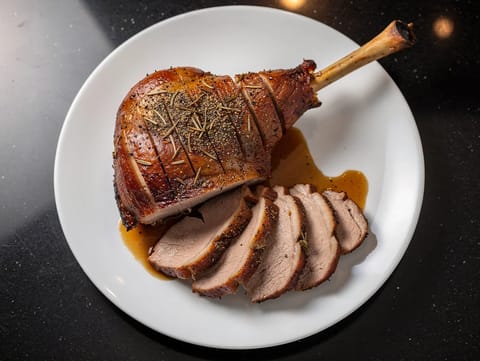
Cordero Lechal al Horno (Roast Suckling Lamb)
Roast suckling lamb with garlic, rosemary and white wine
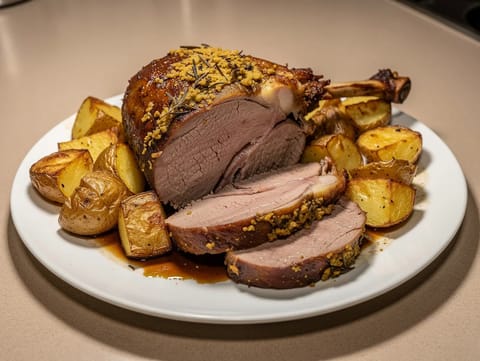
Cordero Asado de Navidad (Spanish Christmas Roast Lamb)
Roast leg of lamb with rosemary, garlic and potatoes
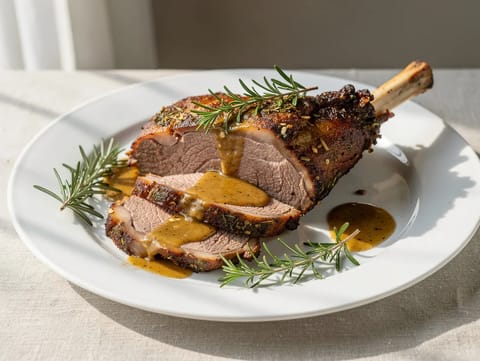
Cordero Asado (Spanish-Style Roast Lamb with Garlic and Rosemary)
Roast lamb with garlic, rosemary, lemon and white wine
You might also like
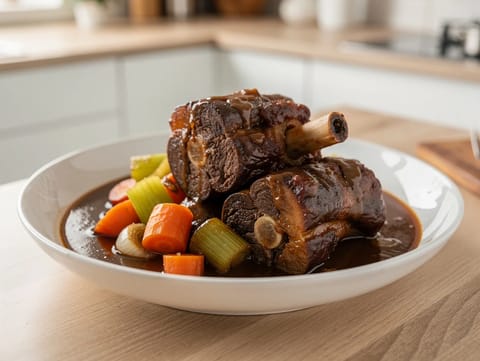
Rabo de Toro Estofado (Braised Oxtail Stew)
Braised oxtail stew with red wine and vegetables
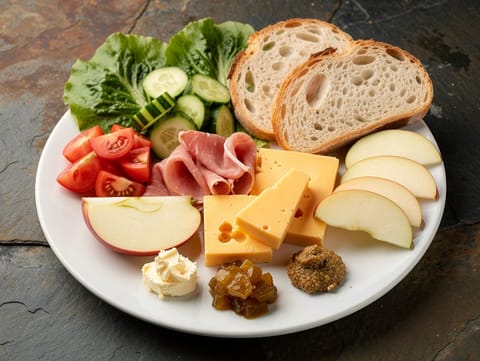
Ploughman’s Lunch
Cold plate of cheddar, ham, bread and pickle with salad
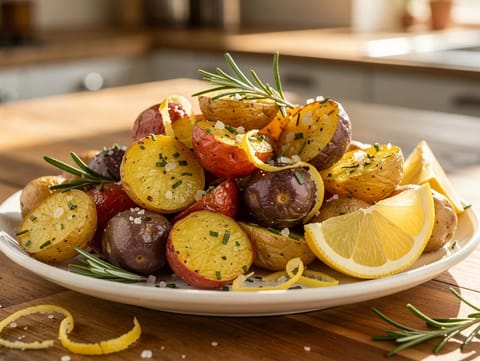
Air Fryer Crispy Baby Potatoes
Crispy air-fried baby potatoes with garlic and rosemary.

Welsh Rarebit (Cheddar and Ale on Toast)
Toast topped with bubbling cheddar and ale sauce
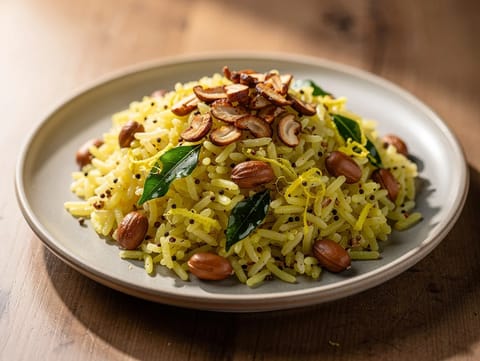
Lemon Rice with Roasted Peanuts
Lemon rice with mustard seeds, curry leaves and roasted peanuts

Smoked Salmon Breakfast Bowl
Smoked salmon bowl with yoghurt, egg and capers
Enjoy cooking with JustRecipes?
Add JustRecipes as one of your preferred Google sources to discover our recipes more easily across Google Search.
Add JustRecipes to GoogleEvery recipe on JustRecipes follows the same structured editorial process. Learn how recipes are created, validated, translated, illustrated, and continuously improved across the platform. How we create recipes.
