
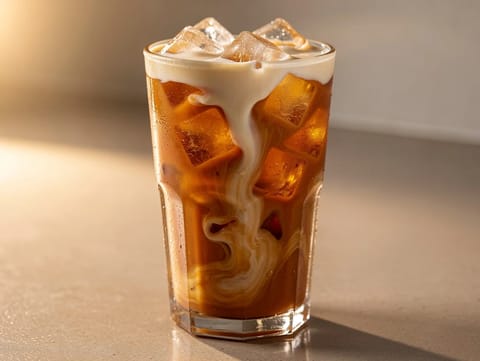
Thai Iced Tea
Strong iced tea topped with sweetened condensed milk

A jigger is a small, quick measuring tool for cocktails and mixed drinks. Its real advantage is consistency: when you measure spirits, citrus and syrups accurately, the balance of sweet, sour and strong stays where the recipe expects it to be. It also speeds up the workflow compared with hunting for teaspoons and tablespoons, especially when you are building several drinks or working with sticky ingredients such as honey syrup.
Most jiggers are double-ended, giving you two measures in one tool. Look for clear internal markings, because many recipes call for partial measures rather than a full cup. A slightly flared rim is easier to pour into without dribbling, while a taller, narrower jigger can feel steadier for small measures but is easier to overfill.
Material matters mainly for feel and cleaning. Stainless steel is common because it rinses clean and does not hold odours. If you often measure thick syrups, a smooth interior helps them slide out cleanly. Whatever the style, the best fit is the one you can fill, level and pour without pausing to wipe the outside every time.
Strong iced tea topped with sweetened condensed milk
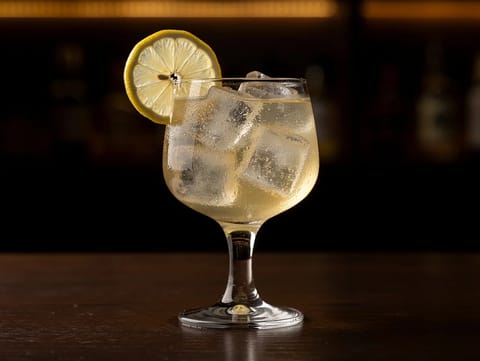
White port and tonic served over ice with lemon
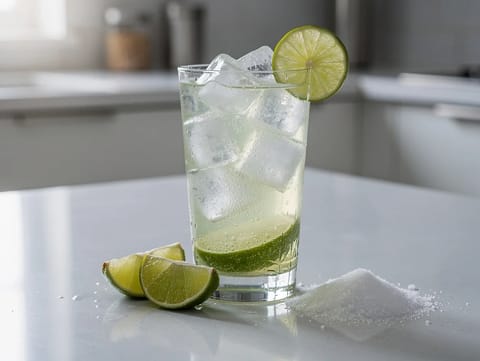
Fizzy lime drink with sugar, salt and ice
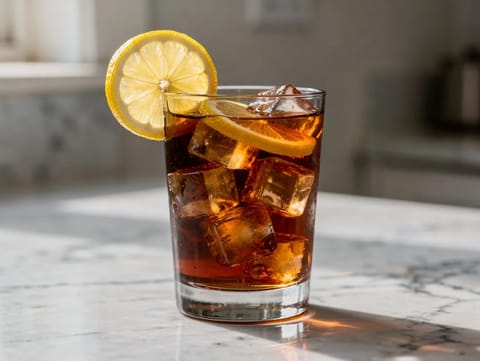
Chilled black tea with orange blossom water and lemon
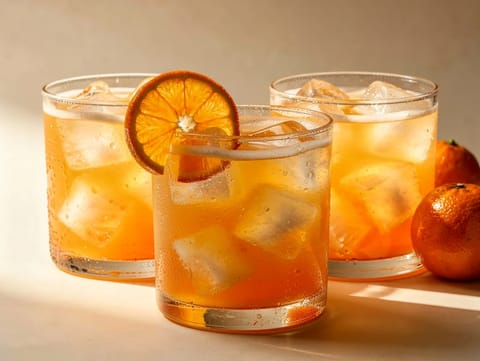
Valencian citrus cocktail with sparkling wine served over ice
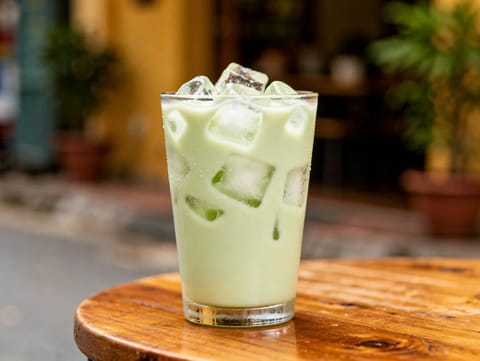
Sweet pandan milk made with syrup and served over ice
The most common slip is reading the wrong line or assuming all jiggers hold the same amount. Treat the markings on your own jigger as the reference, and if it is unmarked, learn its capacity once rather than guessing each time.
Overfilling is another quiet problem: a jigger filled to a dome will pour more than intended, and the extra volume is often strongest in high-proof spirits. Fill to the rim, pause for the surface to settle, then pour in one clean motion. With viscous syrups, give the jigger a brief moment to drain fully, otherwise you will under-measure without realising it. If a recipe relies on very small quantities, a bar spoon or small measuring spoon can be more precise than trying to ‘eyeball’ a fraction in a large cup.
White port and tonic served over ice with lemon
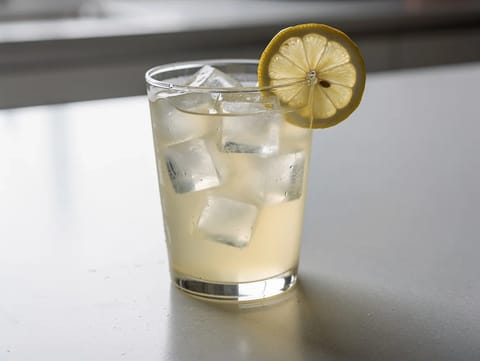
Fresh lemon juice drink mixed with sugar syrup and cold water
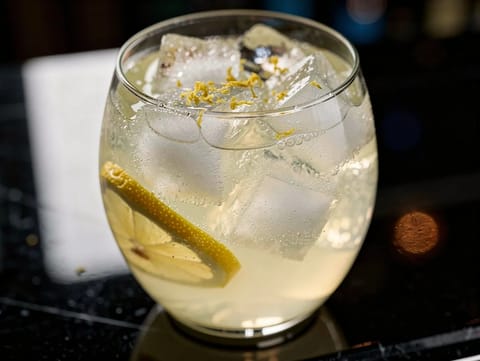
Ouzo spritz with lemon, syrup, sparkling water and ice
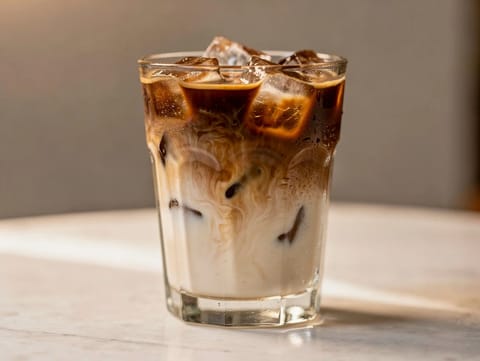
Iced espresso with sweetened almond drink
Strong iced tea topped with sweetened condensed milk
Fizzy lime drink with sugar, salt and ice
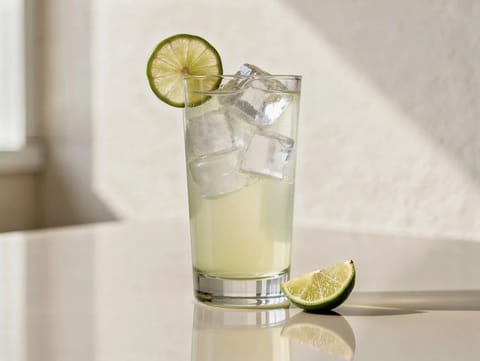
Fizzy Thai lime soda served over ice
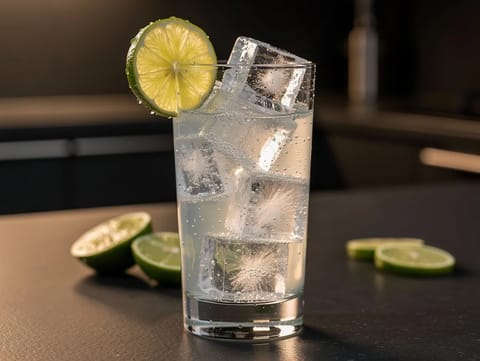
Gin and tonic with lime served over ice
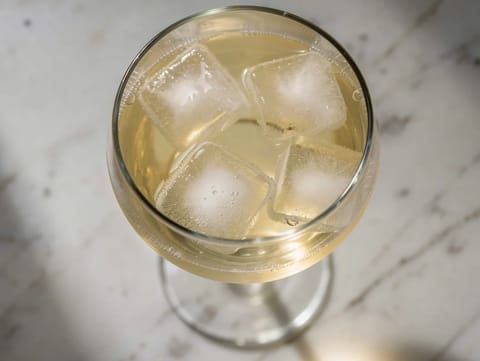
White wine mixed with sparkling water and served chilled
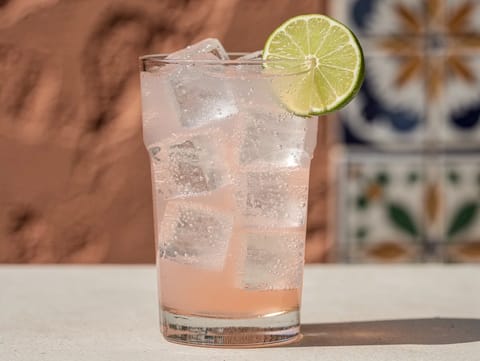
Tequila and grapefruit cocktail topped with soda water
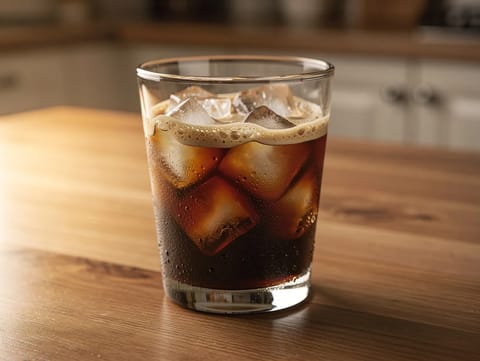
Strong iced Turkish coffee poured over ice after cooling
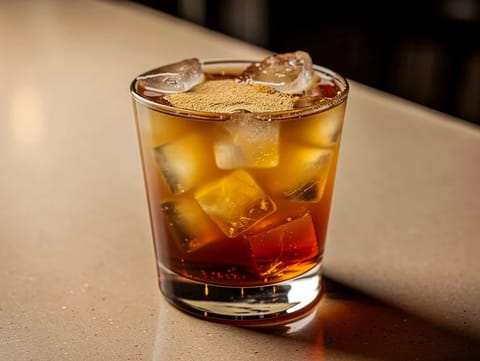
Caribbean rum punch with lime, pineapple and orange juices
Cooking method is a useful next step for drinks, because measuring is only half the story: shaking, stirring and building in the glass change dilution and texture. Difficulty can also help you find recipes where the technique is straightforward versus those that depend on careful timing, straining or layered pours.
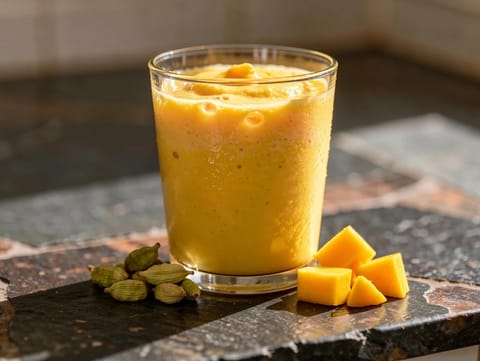
A thick mango lassi smoothie scented with cardamom.
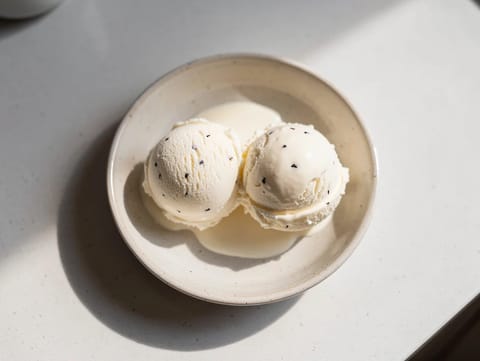
Custard-based vanilla bean ice cream with a smooth, rich texture
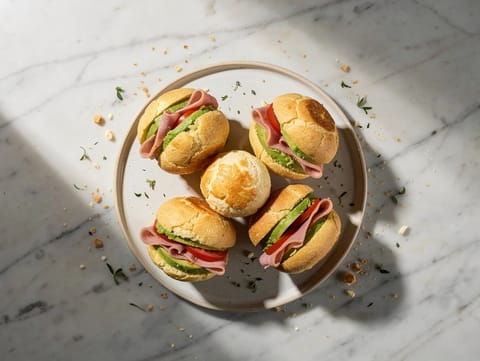
Warm pão de queijo sandwich with avocado, tomato and ham
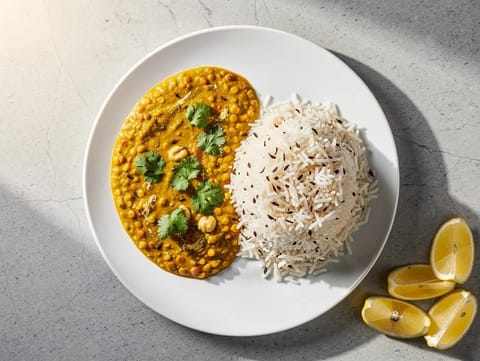
Red lentil dal with cumin, garlic and chilli tadka
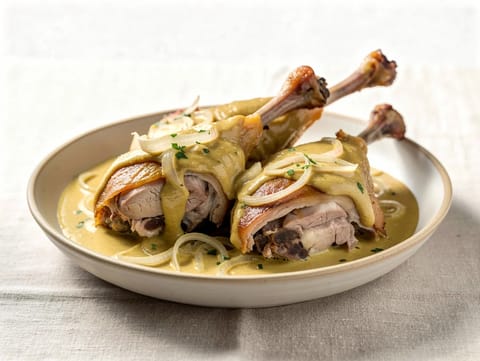
Braised rabbit finished with Dijon mustard and double cream
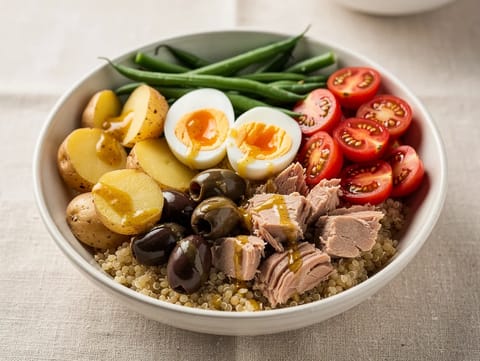
Quinoa bowl with tuna, vegetables, olives and a soft-boiled egg
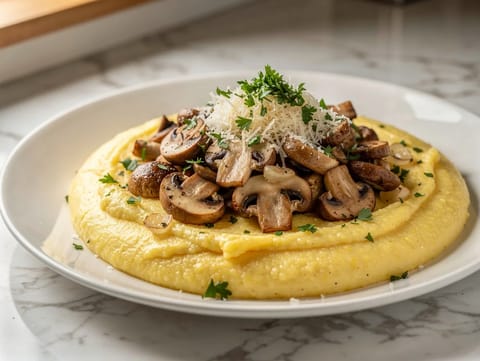
Creamy polenta topped with garlic mushrooms and Parmesan
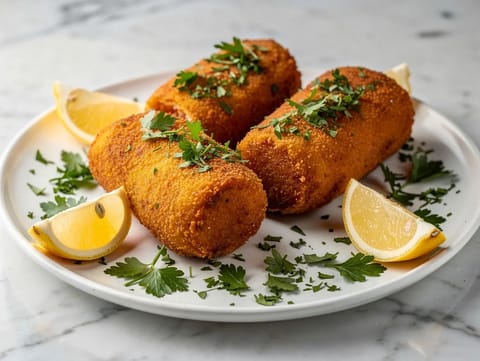
Crisp grey shrimp croquettes with nutmeg béchamel filling
No, but it helps. You can measure with teaspoons, tablespoons or a small measuring cup, but a jigger is quicker and easier to use neatly over a shaker or glass.
They overlap. A jigger is designed for repeated measuring and often has two ends and internal markings. Shot measures vary widely by country and glass size, so they are less reliable for recipes.
Free-pouring can be consistent with practice, but small differences add up quickly in cocktails. Measuring keeps the sweet-sour-strong balance closer to what the recipe intends.
Use a standard measuring spoon or jug once to find what each end holds, then treat that as your reference. After that, you can repeat the same measure confidently.
Pour slowly, let the jigger drain for a moment, and rinse straight away. Some cooks lightly wet the jigger first, which can help syrups release more easily.
Yes, especially for larger volumes. For small measures, a jug’s scale can be harder to read accurately, and it is easier to over-pour.
A jigger is a modest tool, but it removes a lot of guesswork. If a drink tastes different each time you make it, measuring is often the simplest fix, and it lets the chosen method, ice and garnish do their intended work.
