
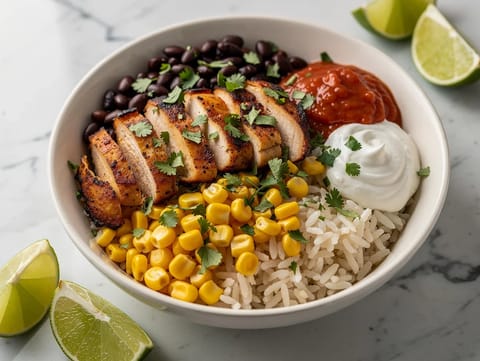
Mexican Chicken Burrito Bowl
Chicken burrito bowl with beans, rice, sweetcorn, salsa and sour cream.

Smoky flavour reads as warmth and depth, but it is as much about aroma as taste. In recipes, it can come from live fire and charring, from smoked ingredients, or from seasonings that suggest smoke without any actual smoking. The format matters: a smoky rub behaves differently from a smoky sauce, and a lightly charred vegetable tastes different from something fully smoked. Knowing where the smokiness is coming from helps you judge how assertive it will be, and what it needs alongside it.
Smokiness is a set of aromas associated with burning wood, toasted spices and browned surfaces. It often shows up with a slight bitterness from char, plus a savoury, almost cured quality when it comes from smoked foods. It does not automatically mean hot-spicy, although smoky chillies can bring both. It also does not guarantee a barbecue style: you can get a smoky note from blistered peppers, well-browned mushrooms, toasted nuts or tea-infused liquids, as well as from smoked paprika, chipotle, smoked salt or smoked fish. The key distinction is between surface smoke (quick, aromatic, sometimes sharper) and deep smoke (rounder, lingering, more likely to dominate).
Chicken burrito bowl with beans, rice, sweetcorn, salsa and sour cream.
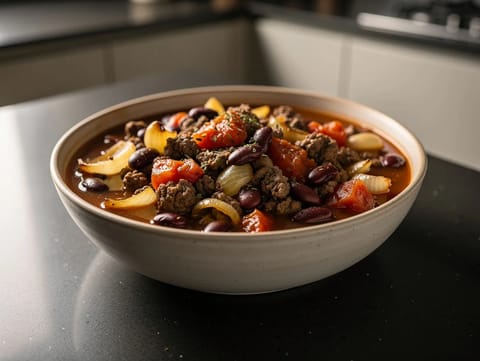
Thick cowboy stew with minced beef, kidney beans and tomatoes
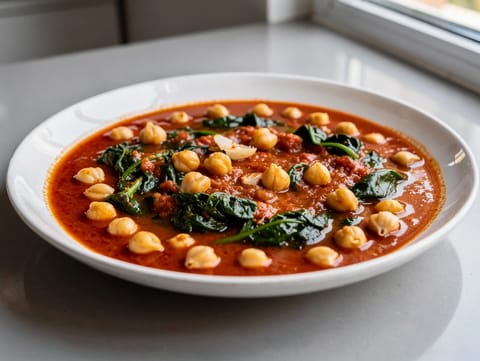
Spinach and chickpeas simmered with cumin, paprika and tomato
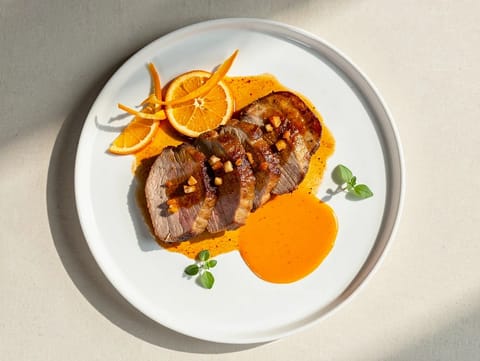
Seared pork loin simmered in a glossy orange sauce
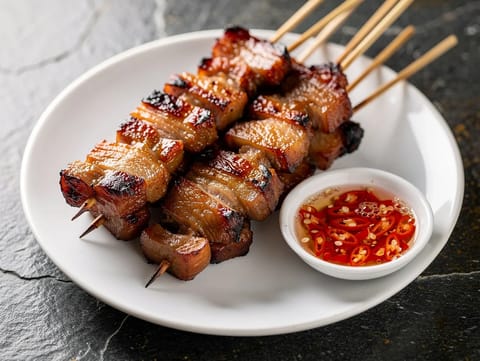
Thai grilled pork skewers marinated with coconut milk and fish sauce
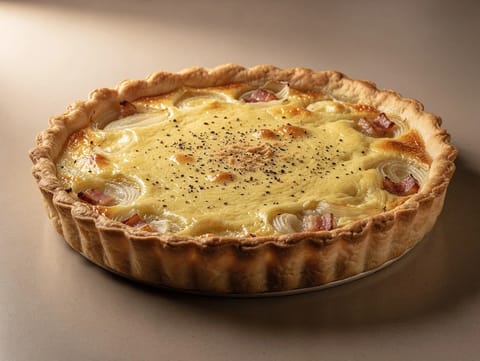
Alsatian onion tart with bacon and crème fraîche custard
Smoky notes tend to feel heavier if there is nothing bright to lift them. A squeeze of citrus, a vinegar-based dressing, pickled onions or a tomato-rich sauce can keep smoke from tasting flat. Sweetness can soften harsh edges, especially where there is char, so think roasted root vegetables, caramelised onions, fruit salsas or a touch of honey or brown sugar in a glaze. Fresh herbs and alliums add contrast: coriander leaf, parsley, spring onions and garlic often sit comfortably next to smoke. Creamy elements can round the aroma, but they also mute it, so use them when you want smoke to be background rather than headline.
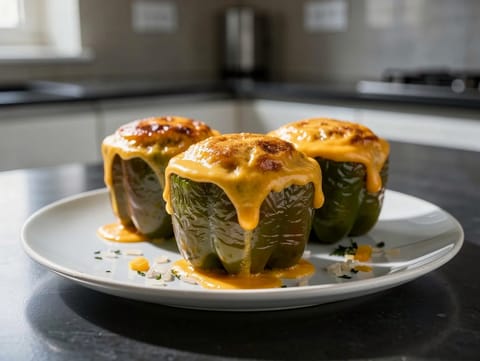
Baked green peppers stuffed with beef, rice and cheddar
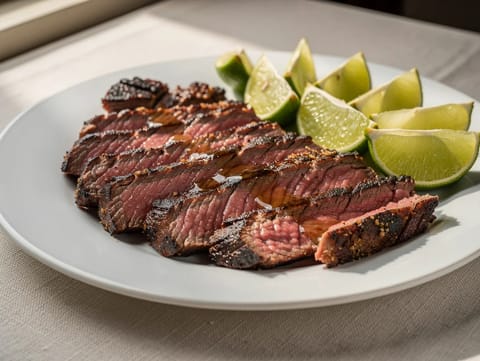
High-heat grilled beef with coarse salt and lime
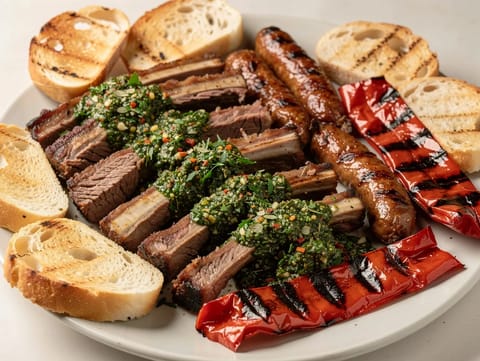
Grilled beef ribs and sausages with parsley chimichurri
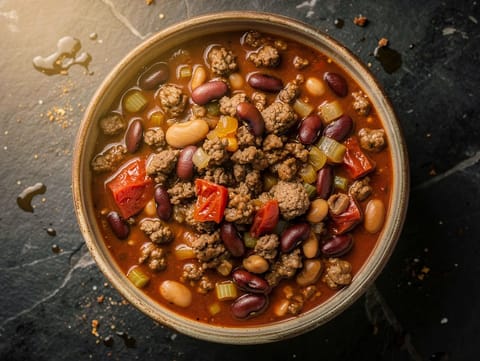
Beef and bean chilli simmered with Belgian beer and tomatoes
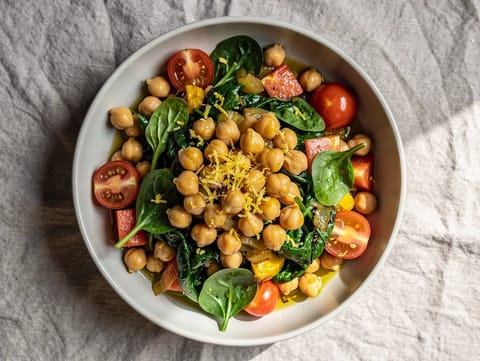
Chickpeas with tomatoes, spinach and smoked paprika
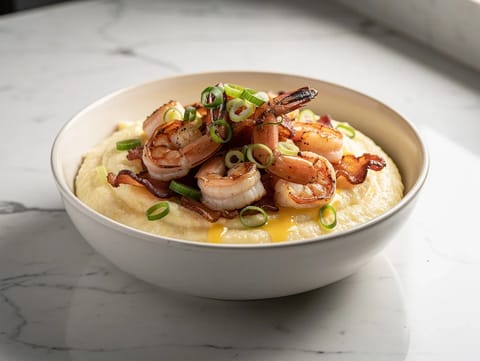
Cheddar grits topped with bacon sautéed prawns and spring onions
Thick split pea soup simmered with smoked pork, potatoes, celeriac and herbs
Air-fried breaded chicken breast stays juicy with a crisp crumb.
Pan-fried potatoes with bacon and onions, set with eggs and chives
Tender pork ribs simmered with tomatoes, red peppers, garlic and smoked paprika
Adana kebab made from minced lamb, shaped onto skewers and cooked until lightly charred
Slow-cooked chipotle pulled chicken served in corn tortillas with onion, coriander and lime
For a clean, modern smokiness, look for recipes that rely on charring or blistering: you get a quick hit of aroma and a little bitterness, with plenty of room for fresh toppings. For deeper, more persistent smoke, smoked meats, fish or cheeses tend to carry the flavour through the whole dish, which suits hearty stews, beans and baked dishes where the smoke has time to mingle. If you want control, smoky spices and salts are the easiest dial to turn up or down, but they can taste one-note if they are not supported by acidity or a browned base. Sauces and marinades spread smoke evenly; rubs and toppings keep it more localised, giving you contrast in each bite.
Smoky flavours often come from a specific ingredient, so browsing by Ingredient is a practical next step when you want to explore smoked paprika, chipotle, smoked fish or charred vegetables. Dish type is equally useful: smoke behaves differently in soups, salads, grills and bakes, and the format will guide how bold the flavour feels.
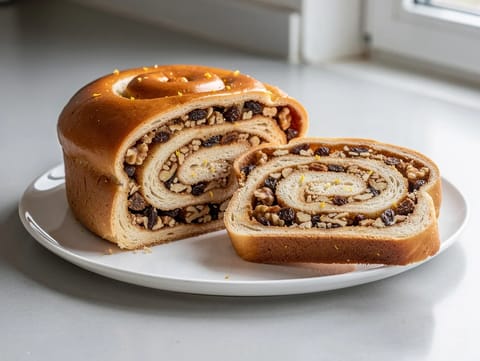
Friulian sweet spiral loaf with nuts, raisins and rum
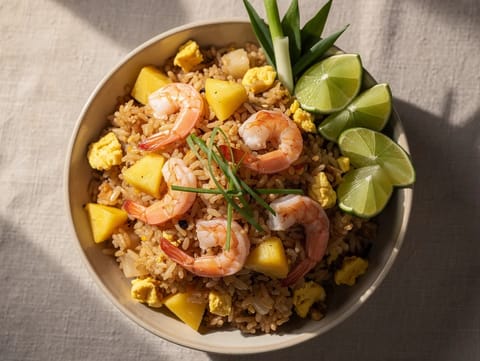
Thai pineapple fried rice with prawns, egg and spring onion
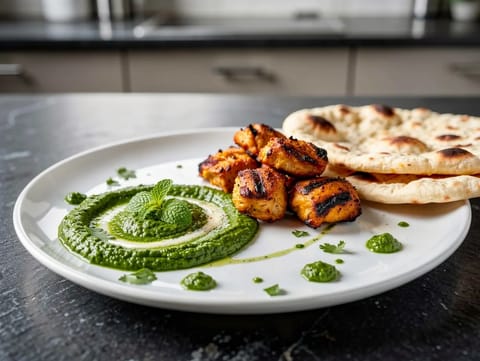
Grilled chicken tikka with coriander and mint chutney
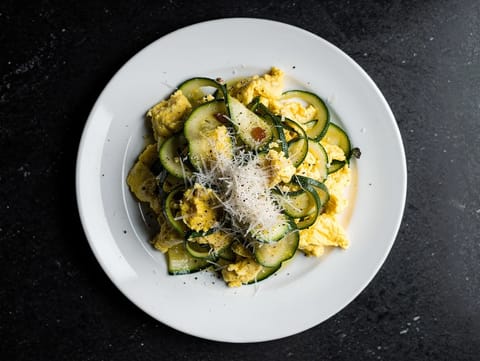
Sautéed courgettes with softly scrambled eggs and pecorino
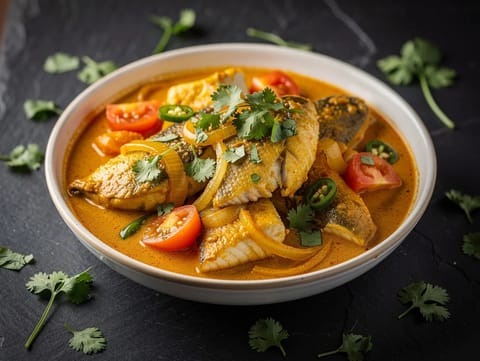
Goan fish curry with coconut milk and tamarind
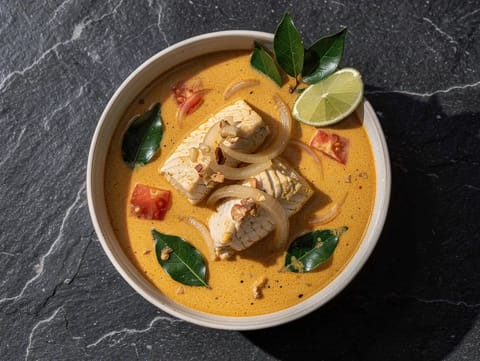
Kerala-style fish curry with coconut milk and curry leaves
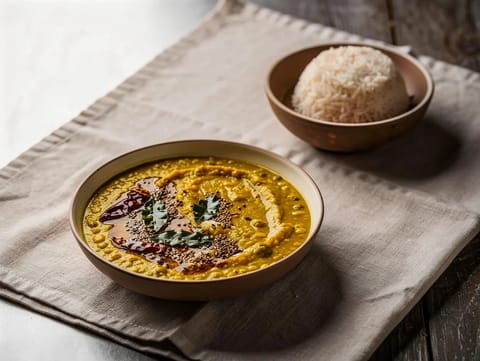
Yellow lentil dal topped with hot tempered spices
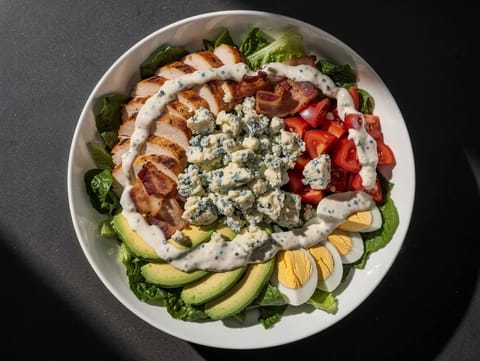
Cobb salad with chicken, bacon, avocado and blue cheese dressing
Not necessarily. Some recipes get smokiness from charring under a grill, from smoked ingredients (like smoked fish or cheese), or from seasonings such as smoked paprika. The source affects how intense and lingering it tastes.
Bitterness usually comes from charred surfaces or very dark toasting. A little bitterness can be pleasant, but it becomes harsh if the food is over-charred or if there is no acidity or sweetness to balance it.
Keep the smoky element concentrated rather than everywhere, and add a bright counterpoint such as citrus, vinegar, tomatoes or pickles. Using smoke as a finishing touch, rather than the base, also helps.
They are separate sensations. Smoke is an aroma and flavour; heat is a physical burn from chilli compounds. Some smoky ingredients are also hot, but you can have smoky dishes with no heat at all.
Smokiness reads clearly against crisp edges and browned surfaces, and it also works well in slow-cooked, saucy dishes where it can permeate. Very delicate textures can lose the smoky note unless it is used lightly.
When you choose a smoky recipe, decide whether you want a quick, charred edge or a deeper, cured-style smokiness. Then build in contrast, usually acidity and something fresh, so the aroma stays vivid rather than heavy.
