
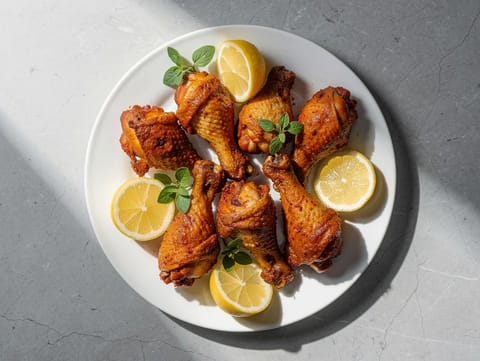
Air Fryer Spicy Chicken Drumsticks
Spiced chicken drumsticks air-fried until crisp and juicy.

Hot-spicy recipes are defined by chilli heat, but the way that heat lands depends on the format. Heat carried in oil clings and lingers; heat in a watery broth can feel sharper but shorter; heat in a dry rub hits in bursts where it sits on the surface. The chilli itself matters too: fresh chillies bring a greener bite, dried chillies often add fruitiness or smokiness, and chilli pastes can contribute body as well as fire. Understanding how heat travels helps you choose recipes that feel thrilling rather than simply overwhelming.
In this flavour profile, “spicy” means the physical burn from chillies and related ingredients, not aromatic spicing such as cinnamon or cumin on their own. Hot-spicy dishes may still be complex, because many chilli preparations bring extra flavours: smokiness from dried chillies, sweetness from ripe chillies, or savoury depth from fermented pastes. Heat is also cumulative. A dish can start pleasantly warm and become much hotter as you keep eating, especially when the heat is carried in fat. Recipes that are described as hot often rely on balance, using salt, acidity, sweetness and cooling elements to keep the burn in check.
Spiced chicken drumsticks air-fried until crisp and juicy.
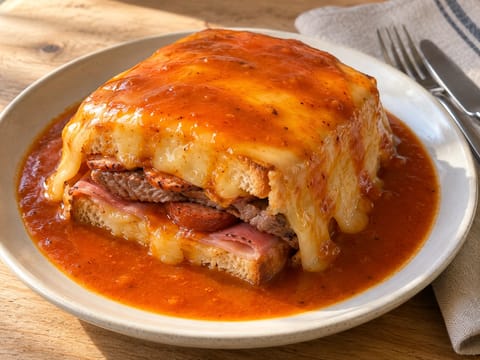
Toasted Porto sandwich with meats, melted cheese and beer sauce
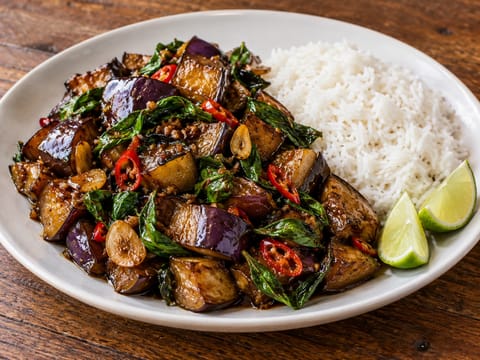
Aubergine stir-fry with Thai basil, garlic and chilli
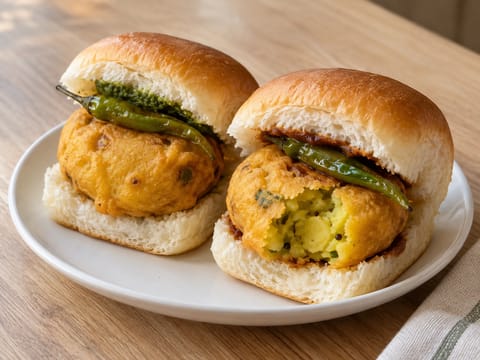
Spiced potato fritters in pav buns with chutneys
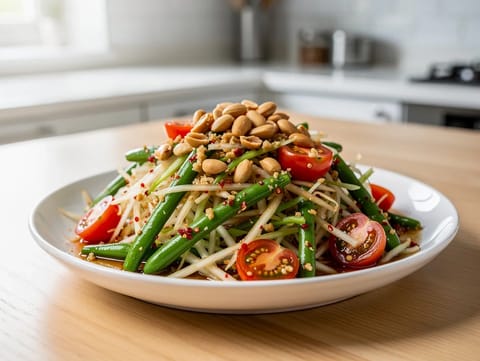
Som tam Thai green papaya salad with roasted peanuts
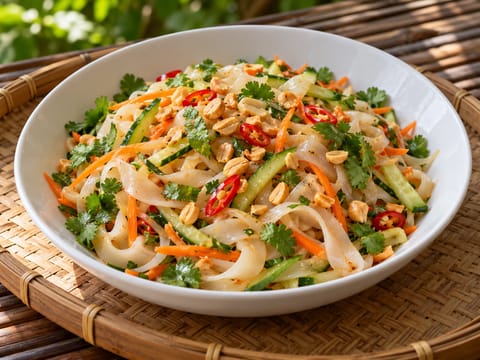
Rice noodle salad with spicy lime dressing and peanuts
Cooling ingredients work by changing the overall sensation rather than “cancelling” heat. Dairy and coconut milk can soften the burn because fat helps disperse chilli compounds, and their sweetness reads as soothing. Starchy foods, from rice to bread to potatoes, give heat somewhere to land, making it feel less aggressive. Acidity can sharpen flavours and stop a hot dish tasting heavy, but it can also make heat feel brighter, so it is best used with intention. Sweetness rounds the edges, which is why chilli often pairs naturally with fruit, roasted vegetables or a lightly sweet glaze. Fresh herbs, cucumber and crisp salads add temperature and texture contrast, giving your palate a break.
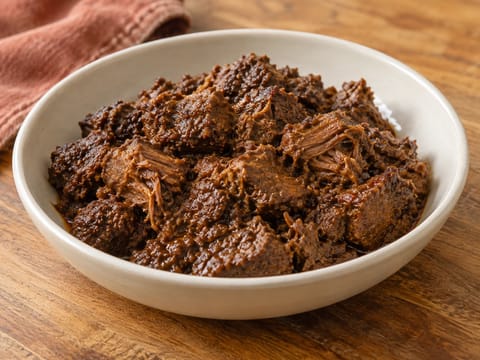
Indonesian beef slow-cooked in coconut milk and spices
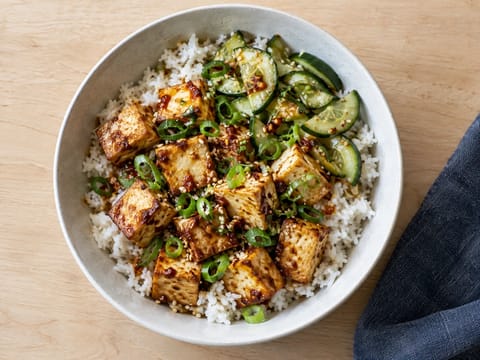
Chilli oil tofu with jasmine rice, cucumber and spring onion
Toasted Porto sandwich with meats, melted cheese and beer sauce
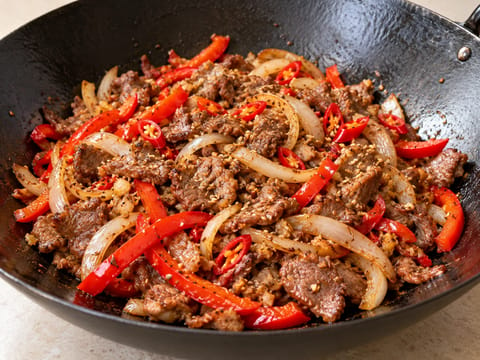
Xinjiang-style cumin lamb stir-fry with chillies, onion and peppers
Spiced potato fritters in pav buns with chutneys
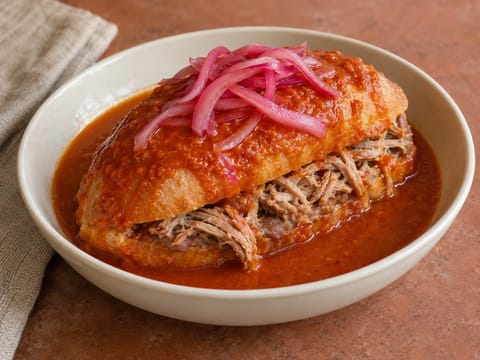
Drowned sandwich with pulled pork, beans and chilli tomato sauce
Rice noodle salad with spicy lime dressing and peanuts
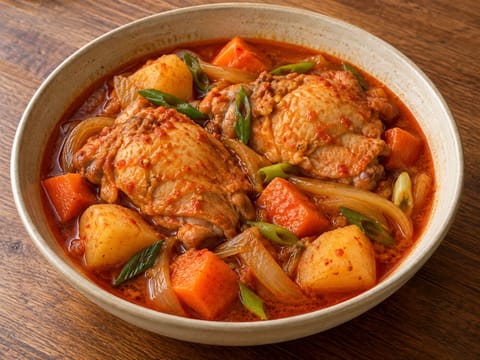
Spicy Korean chicken stew with potatoes, carrots and spring onion
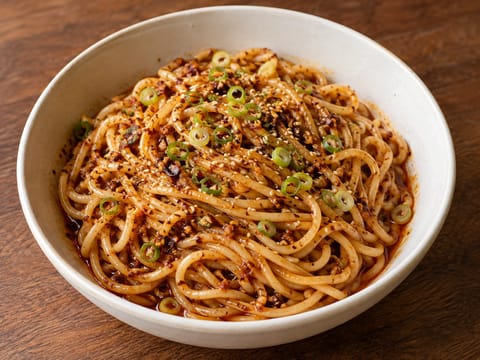
Noodles tossed in chilli oil with soy, black vinegar and sesame
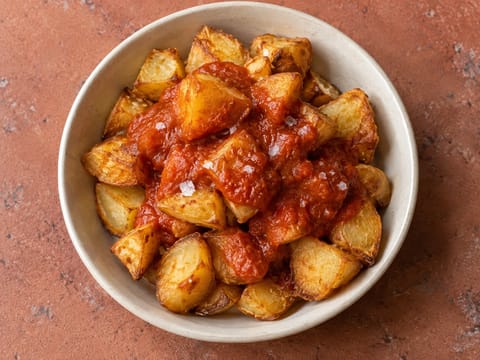
Crispy fried potatoes topped with smoky, spicy tomato sauce
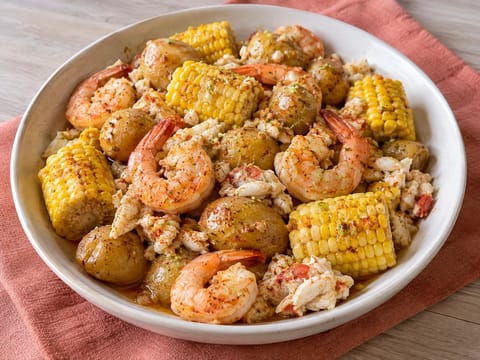
Seafood boil with prawns, crab, corn and baby potatoes
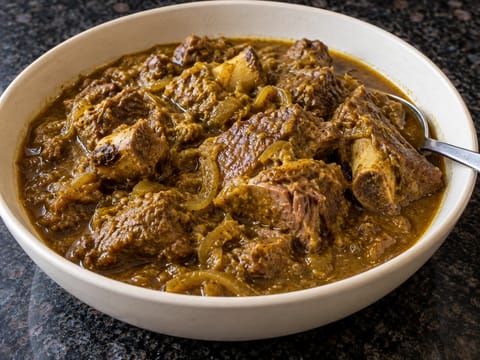
Slow-cooked curry goat with allspice and Scotch bonnet
If you want a clean, direct burn, look for recipes where fresh chillies or chilli sauce are added late, so the heat stays vivid. For a deeper, more integrated heat, long-simmered chilli pastes and dried chillies tend to spread through sauces and stews, often bringing colour and body as well. Oil-based heat, such as chilli oil or fried chilli flakes, usually tastes more persistent and can feel hotter than you expect because it coats the mouth. Dry heat, from rubs and spice blends, is easier to keep localised, which suits grilled meats, roasted vegetables and snacks where you want contrast between spicy edges and a milder centre.
Ingredient browsing is helpful for hot-spicy cooking because the type of chilli, paste or sauce changes both flavour and the way heat builds. Dish type is the other useful lens: a hot broth, a creamy curry and a dry-roasted snack can all be “hot”, but they deliver that heat very differently.

Pan-fried gammon with fried egg and crisp oven chips
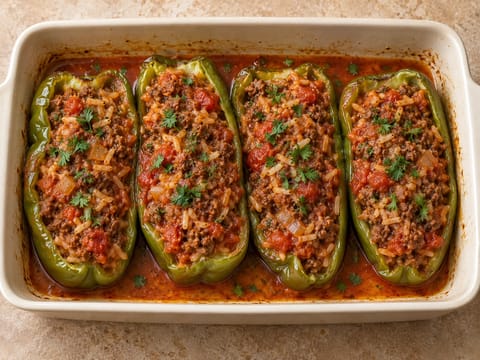
Baked stuffed peppers with minced beef, rice and tomatoes
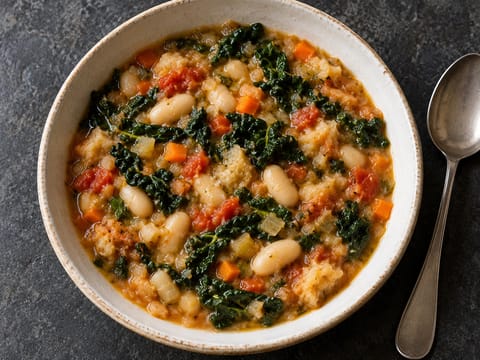
Vegan Tuscan bean and bread soup with cavolo nero
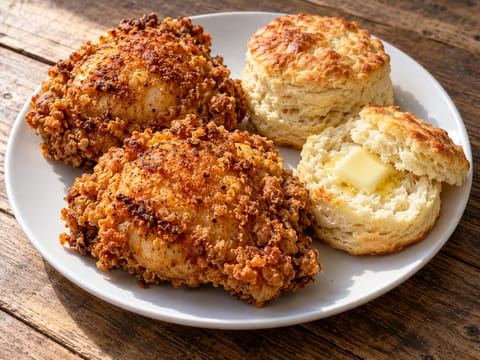
Crisp fried chicken served with warm, fluffy buttermilk biscuits

Cajun-spiced chicken breast cooked in the air fryer.
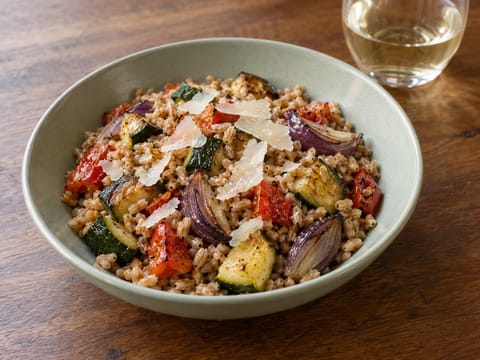
Farro with roasted courgette, pepper, onion and pecorino
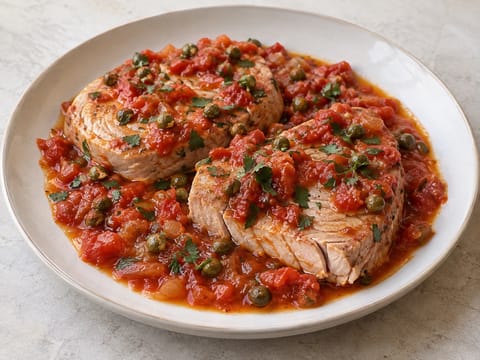
Tuna steaks simmered in a tomato and caper sauce
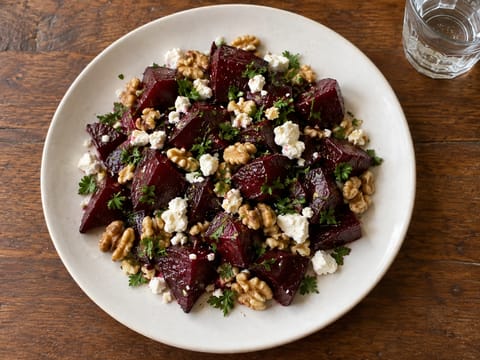
Roasted beetroot salad with walnuts, vinaigrette and goat’s cheese
The compounds that create chilli heat dissolve in fat. When heat is carried in oil, it spreads easily and clings to the mouth, so it often feels more persistent.
It depends. Cooking can mellow harsh raw notes and distribute heat more evenly, but it does not reliably make a dish mild. In some recipes, simmering can make heat feel more integrated and therefore easier to eat.
Fresh chillies tend to taste brighter and greener. Dried chillies often bring deeper, sometimes fruity or smoky notes, and they can add colour and richness when blended into sauces.
Add a cooling or creamy element, increase the starchy component, or introduce a little sweetness. A fresh, crisp side can also make the overall meal feel less relentless.
Heat can build with repeated exposure, especially in fatty dishes where chilli compounds linger. Taking breaks with neutral bites, like rice or bread, can reset your palate.
Hot-spicy cooking is easiest to navigate when you think about delivery: oily, saucy, brothy or dry. Choose the style you like, then build in contrast, usually something cooling, something fresh, and a steady base to carry the heat.
