
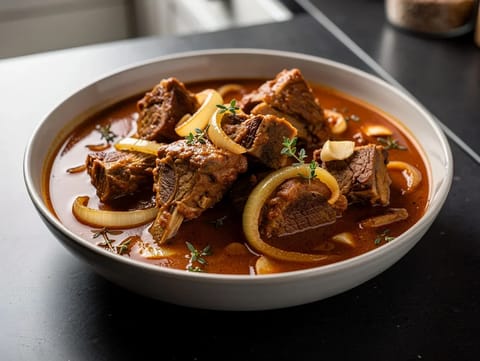
Curry Goat
Slow-cooked curry goat with allspice and Scotch bonnet

Hot-spicy recipes are defined by chilli heat, but the way that heat lands depends on the format. Heat carried in oil clings and lingers; heat in a watery broth can feel sharper but shorter; heat in a dry rub hits in bursts where it sits on the surface. The chilli itself matters too: fresh chillies bring a greener bite, dried chillies often add fruitiness or smokiness, and chilli pastes can contribute body as well as fire. Understanding how heat travels helps you choose recipes that feel thrilling rather than simply overwhelming.
In this flavour profile, “spicy” means the physical burn from chillies and related ingredients, not aromatic spicing such as cinnamon or cumin on their own. Hot-spicy dishes may still be complex, because many chilli preparations bring extra flavours: smokiness from dried chillies, sweetness from ripe chillies, or savoury depth from fermented pastes. Heat is also cumulative. A dish can start pleasantly warm and become much hotter as you keep eating, especially when the heat is carried in fat. Recipes that are described as hot often rely on balance, using salt, acidity, sweetness and cooling elements to keep the burn in check.
Slow-cooked curry goat with allspice and Scotch bonnet
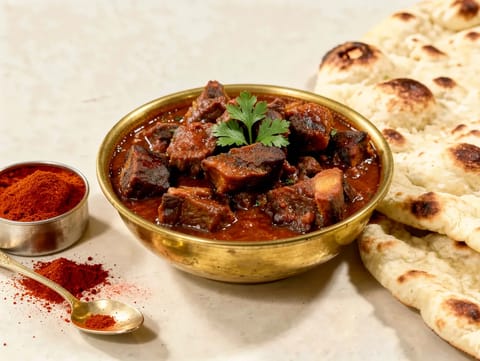
Rajasthani red mutton curry simmered with yoghurt and spices

Crispy air fryer chilli chicken tossed in a glossy sauce.
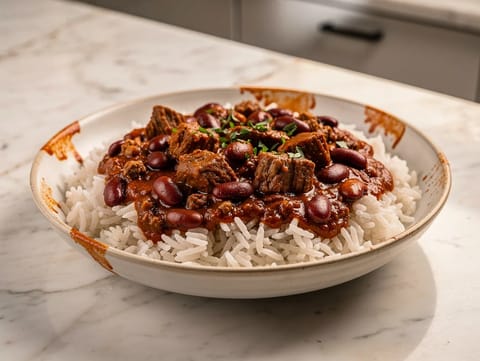
Spiced minced beef and kidney bean chilli served with rice
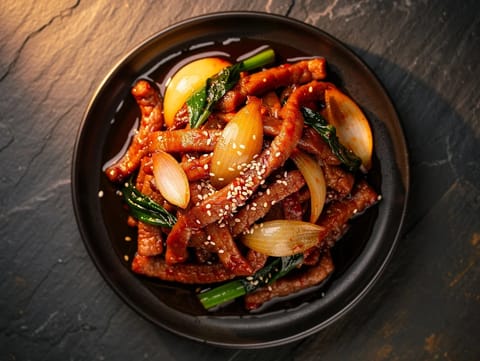
Spicy gochujang pork stir-fry with onion
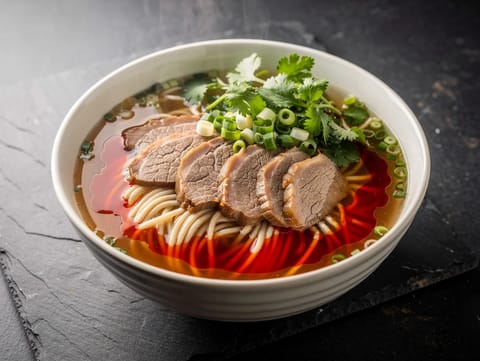
Lanzhou beef broth with hand-pulled noodles, beef and chilli oil
Cooling ingredients work by changing the overall sensation rather than “cancelling” heat. Dairy and coconut milk can soften the burn because fat helps disperse chilli compounds, and their sweetness reads as soothing. Starchy foods, from rice to bread to potatoes, give heat somewhere to land, making it feel less aggressive. Acidity can sharpen flavours and stop a hot dish tasting heavy, but it can also make heat feel brighter, so it is best used with intention. Sweetness rounds the edges, which is why chilli often pairs naturally with fruit, roasted vegetables or a lightly sweet glaze. Fresh herbs, cucumber and crisp salads add temperature and texture contrast, giving your palate a break.
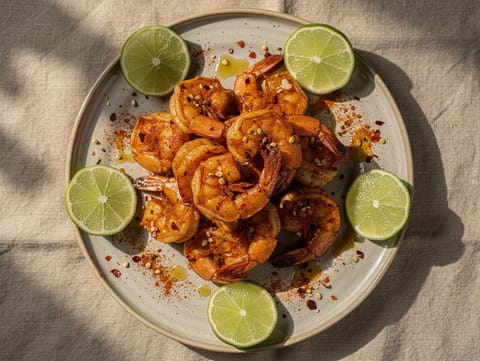
Air-fried spicy chilli prawns with garlic and lime.
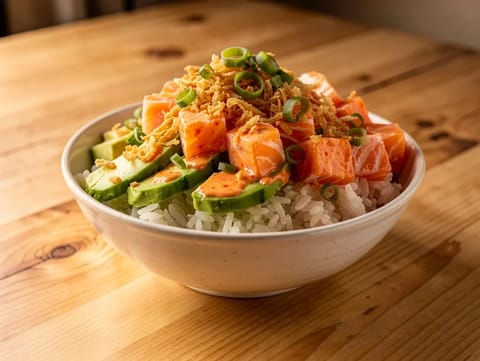
Spicy salmon poke bowl with crunchy topping, avocado and cucumber.
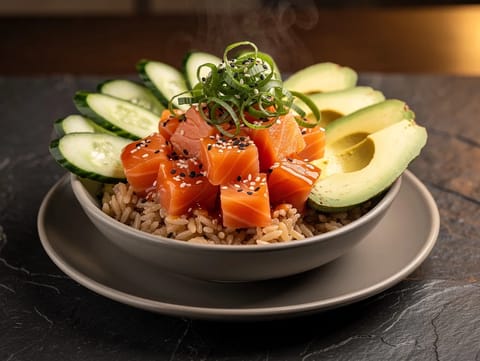
Spicy salmon poke over sushi rice with avocado and cucumber.
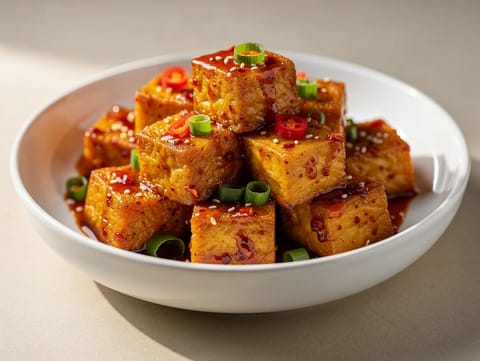
Crispy air fryer chilli tofu in a sticky sauce.
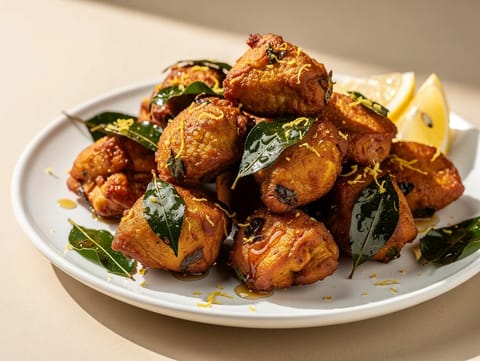
Air-fried Chicken 65 with curry leaves and lemon.
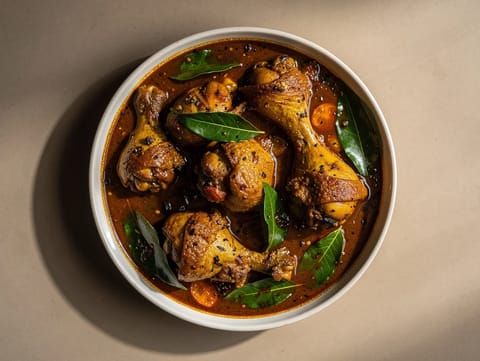
South Indian chicken curry with coconut milk and curry leaves
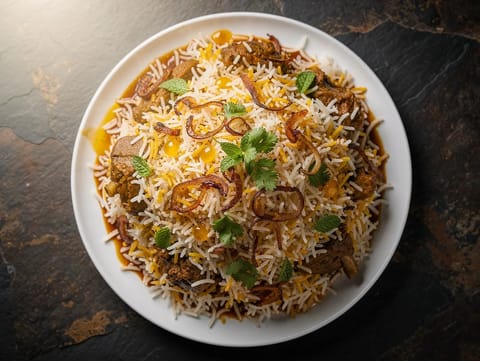
Hyderabadi-style lamb biryani layered with rice and fried onions
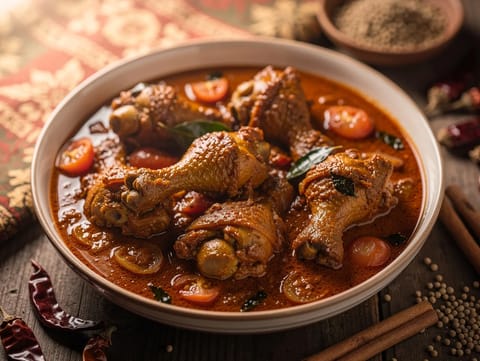
South Indian pepper chicken curry with coconut
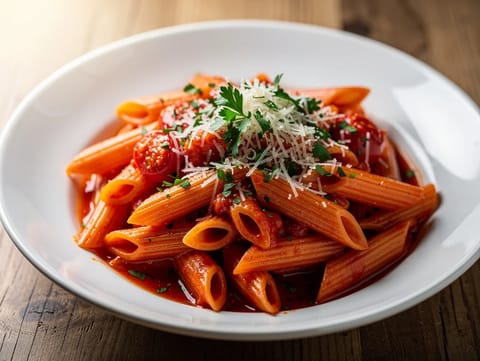
Roman penne with spicy tomato sauce, garlic and Pecorino Romano
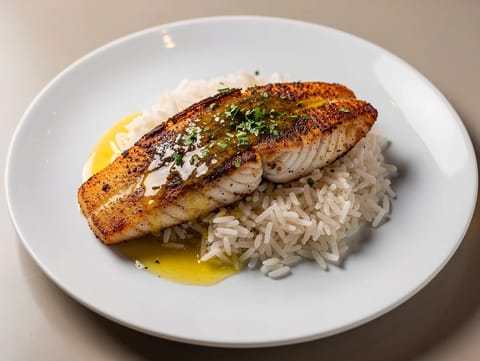
Blackened fish with lemon butter and steamed rice
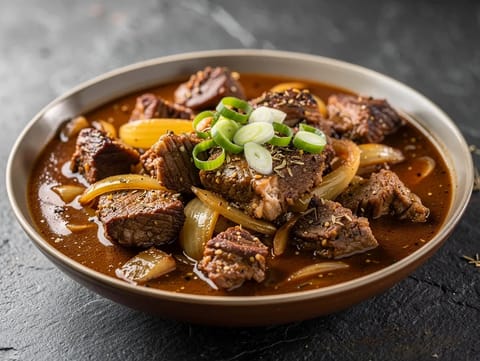
Slow-simmered goat stew with onion, garlic and warming spices

Roast piri-piri salmon with chilli, garlic and lemon
If you want a clean, direct burn, look for recipes where fresh chillies or chilli sauce are added late, so the heat stays vivid. For a deeper, more integrated heat, long-simmered chilli pastes and dried chillies tend to spread through sauces and stews, often bringing colour and body as well. Oil-based heat, such as chilli oil or fried chilli flakes, usually tastes more persistent and can feel hotter than you expect because it coats the mouth. Dry heat, from rubs and spice blends, is easier to keep localised, which suits grilled meats, roasted vegetables and snacks where you want contrast between spicy edges and a milder centre.
Ingredient browsing is helpful for hot-spicy cooking because the type of chilli, paste or sauce changes both flavour and the way heat builds. Dish type is the other useful lens: a hot broth, a creamy curry and a dry-roasted snack can all be “hot”, but they deliver that heat very differently.
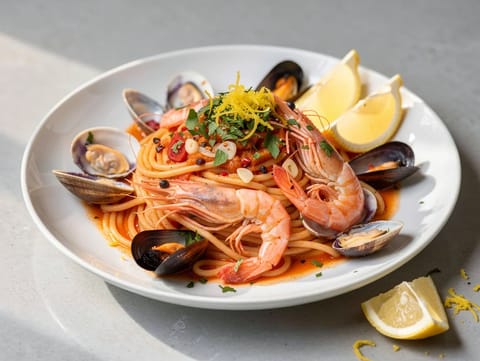
Seafood linguine with mussels, clams and prawns
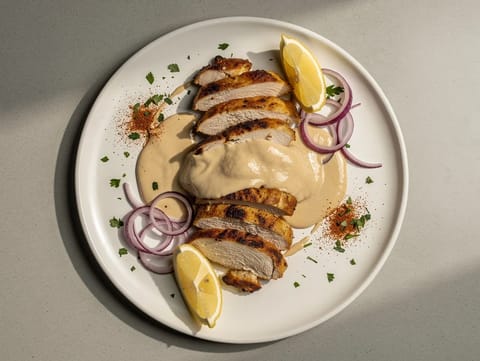
Roasted chicken shawarma with yoghurt marinade and tahini
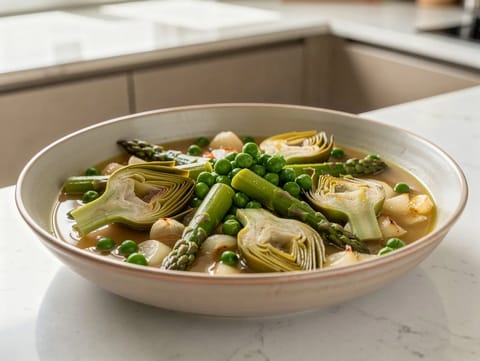
Spanish vegetable stew with artichokes, asparagus and peas
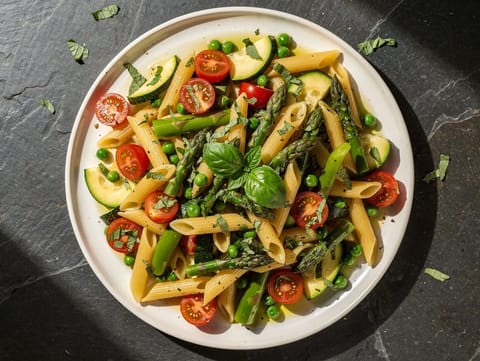
Vegan penne with sautéed spring vegetables and lemon
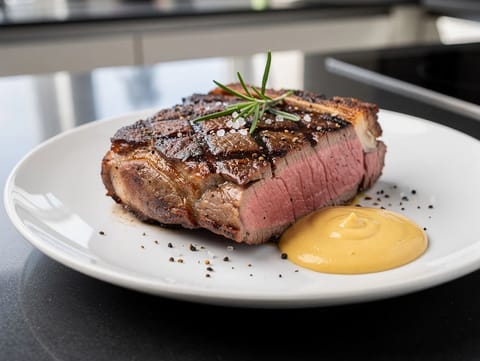
Côte de bœuf served with warm tarragon béarnaise
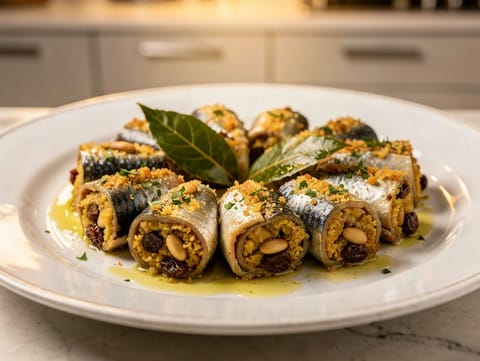
Baked stuffed sardines with pine nuts and raisins
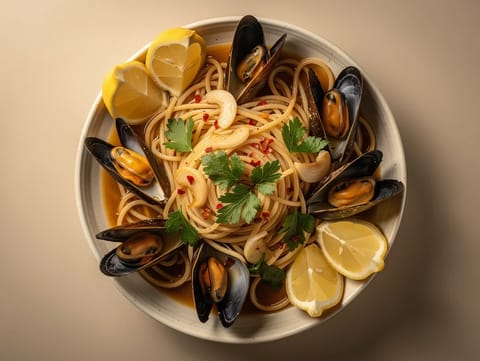
Spaghetti with mussels, garlic and white wine
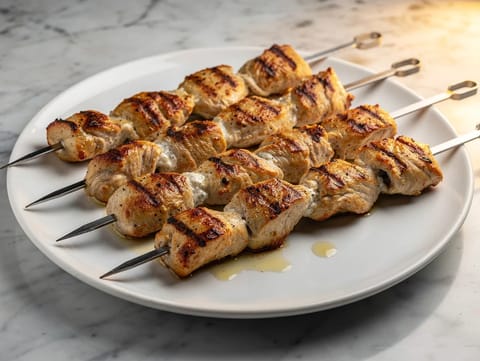
Turkish chicken skewers in a yoghurt, lemon and garlic marinade
The compounds that create chilli heat dissolve in fat. When heat is carried in oil, it spreads easily and clings to the mouth, so it often feels more persistent.
It depends. Cooking can mellow harsh raw notes and distribute heat more evenly, but it does not reliably make a dish mild. In some recipes, simmering can make heat feel more integrated and therefore easier to eat.
Fresh chillies tend to taste brighter and greener. Dried chillies often bring deeper, sometimes fruity or smoky notes, and they can add colour and richness when blended into sauces.
Add a cooling or creamy element, increase the starchy component, or introduce a little sweetness. A fresh, crisp side can also make the overall meal feel less relentless.
Heat can build with repeated exposure, especially in fatty dishes where chilli compounds linger. Taking breaks with neutral bites, like rice or bread, can reset your palate.
Hot-spicy cooking is easiest to navigate when you think about delivery: oily, saucy, brothy or dry. Choose the style you like, then build in contrast, usually something cooling, something fresh, and a steady base to carry the heat.
