

Vacherin Glacé (Meringue and Ice Cream Dessert)
Frozen dessert of meringue, vanilla ice cream and raspberries

Sweetness is not only for desserts. In cooking, it can come from sugar and syrups, but also from fruit, sweet vegetables, dairy, and the browned flavours created by roasting and caramelisation. Sweet recipes can feel light and fresh, like fruit-forward dishes, or deep and toasty, like caramel and chocolate. The most useful question is what kind of sweetness you want: clean and fruity, creamy and mellow, or dark and caramelised. That choice affects everything from texture to how much salt or acidity the dish needs.
Sweetness can be straightforward, as in sugar-sweetened batters and custards, or more layered, as in roasted vegetables and slow-cooked onions where browning creates a deeper, savoury-adjacent sweetness. Fruit sweetness brings acidity and aroma, which often makes it taste lighter than the same level of sugar in a syrup. Dairy sweetness, from milk, cream or condensed milk, tends to read as soft and rounded. Sweetness also changes texture expectations: it helps baked goods brown, it can thicken sauces and glazes, and it can make frozen desserts scoopable. “Sweet” does not automatically mean cloying; in well-balanced recipes, sweetness is usually shaped by salt, bitterness, spice or acidity.
Frozen dessert of meringue, vanilla ice cream and raspberries
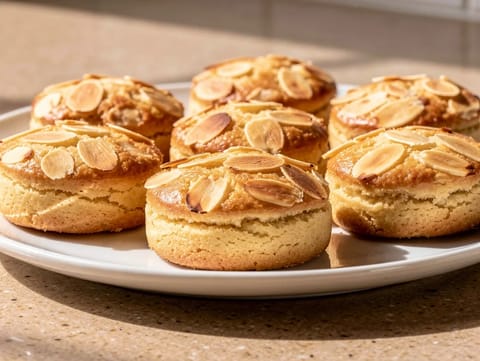
Buttery Dutch cookies with a thick almond paste filling
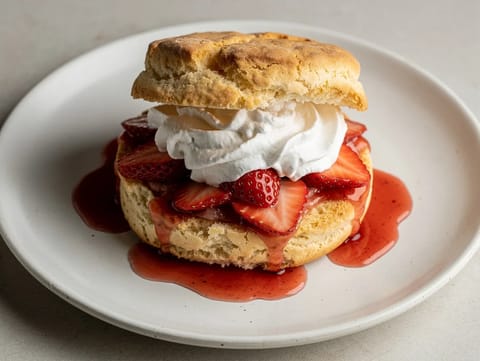
Tender shortcakes with macerated strawberries and whipped cream
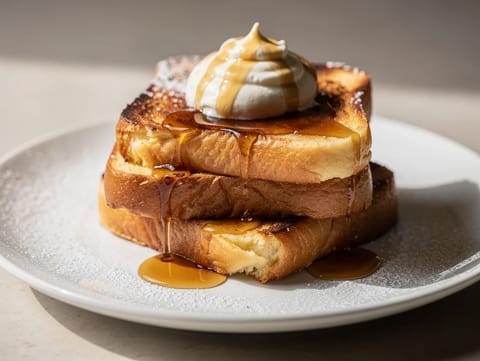
Custard-soaked brioche French toast with crème fraîche and maple syrup
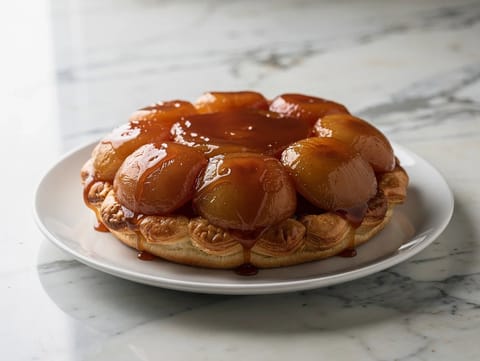
Upside-down caramelised apple tart with puff pastry
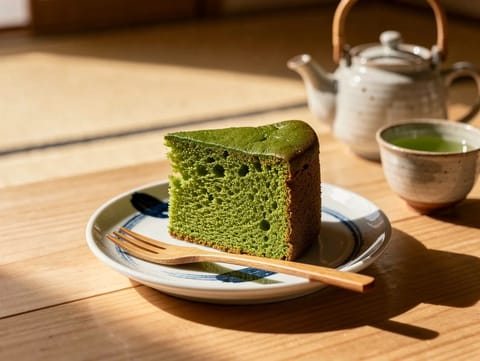
Matcha castella sponge cake with honey
Salt is the quiet workhorse in sweet cooking. A small amount makes sweetness taste clearer and can stop chocolate, caramel and nuts from tasting flat. Acidity, from citrus, berries, yoghurt or vinegar, gives sweet dishes a clean finish and is especially helpful with rich ingredients like butter and cream. Bitterness is another useful counterweight, whether from cocoa, coffee, dark greens or charred edges. Spices and aromatics, such as vanilla, cinnamon, cardamom, ginger and citrus zest, add complexity so sweetness tastes like flavour rather than just sugar. In sweet-savoury dishes, sweetness often works best when it is tied to browning or fruit, rather than added as a blunt sweetener.
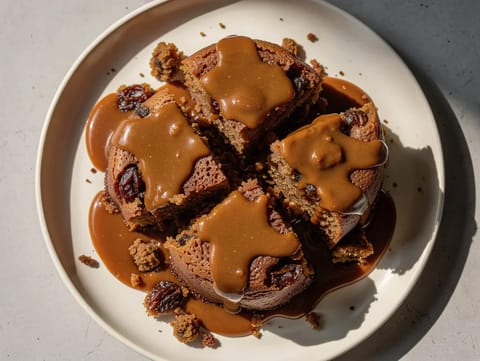
Warm date sponge pudding served with rich toffee sauce

Bratwurst traybake with potatoes, apple, onion and sauerkraut
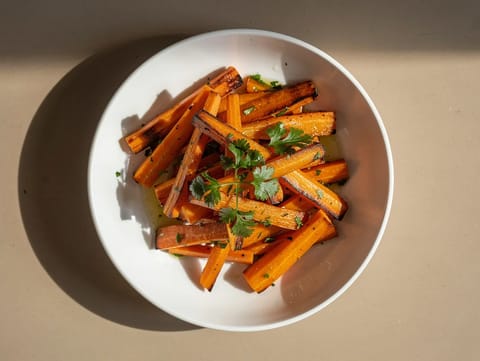
Air-fried carrots with honey, cumin and lemon.

Juicy pork skewers with lemongrass, fish sauce and garlic.
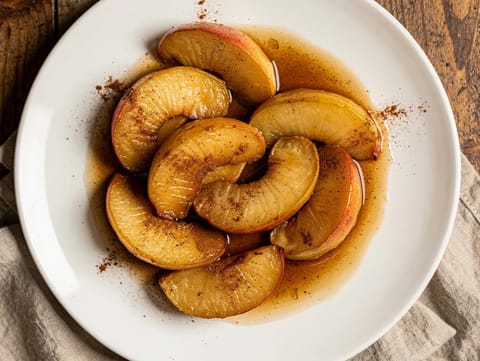
Cinnamon apples caramelised in the air fryer until tender.

Crisp pestiños pastry fritters dipped in warm honey
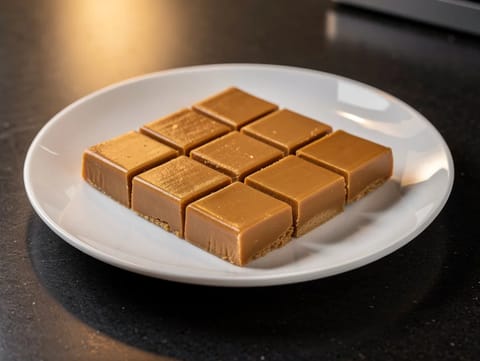
No-bake peanut butter fudge set in the fridge
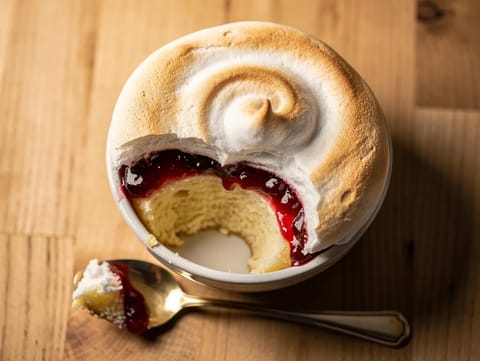
Breadcrumb custard baked with jam and meringue
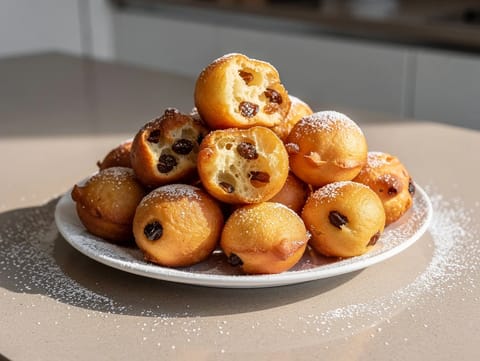
Yeasted Venetian fritters with raisins, fried and dusted with sugar

Crisp bulgogi beef quesadilla with kimchi and mozzarella

Crispy buttermilk fried chicken finished with honey
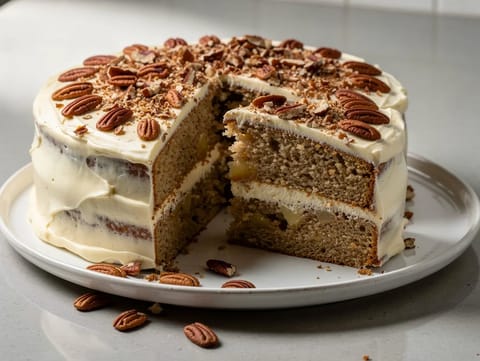
Spiced banana and pineapple cake with cream cheese icing
For bright sweetness, look for fruit-led recipes where the flavour comes with natural acidity, such as citrus, stone fruit or berries. These often taste lighter and can suit chilled desserts and simple bakes. For creamy sweetness, custards, puddings and dairy-based desserts tend to feel mellow and comforting, with sweetness that spreads evenly rather than hitting sharply. For dark, toasty sweetness, caramel, browned butter, treacle and chocolate bring depth and a slight bitterness that keeps the finish grown-up. If you are choosing a sweet-savoury direction, glazes and sauces often give the clearest effect, while roasted vegetables and slow-cooked onions give a more subtle sweetness that supports the main ingredient.
Ingredient browsing is a natural companion to sweet flavours, because sugar, honey, fruit, chocolate and sweet vegetables all create different kinds of sweetness. Dish type is equally helpful: sweetness behaves differently in cakes, biscuits, sauces, drinks and savoury mains, and the format often tells you whether the sweetness is the focus or a supporting note.

Chicken braised with lemon, green olives and thyme
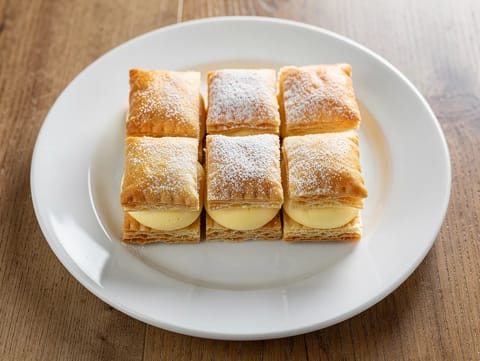
Crisp puff pastry layered with vanilla custard

Sliced raw salmon served with lime and ají amarillo sauce

Crispy potato flautas topped with crema, lettuce and cheese

Slow-baked pork ribs finished with Kansas City BBQ sauce
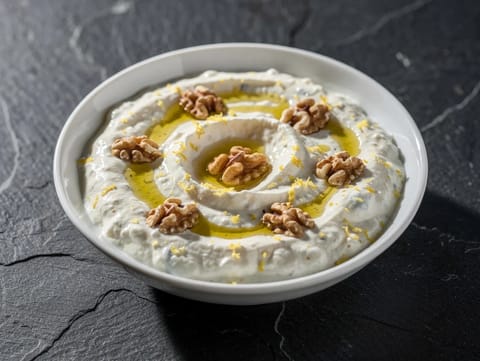
Chilled walnut and yoghurt sauce with garlic and lemon

Turkish chicken skewers in a yoghurt, lemon and garlic marinade

Spatchcock chicken roasted with hot paprika, garlic and lemon
Yes. Fruit, sweet vegetables and dairy can contribute noticeable sweetness, and roasting or caramelising ingredients can create a deeper sweet impression through browning.
Salt sharpens flavour perception. In sweet dishes it can make sweetness taste clearer and can bring out chocolate, caramel and nut flavours without making the dish taste salty.
Fruity sweetness usually comes with acidity and aroma, so it tastes brighter. Caramel sweetness is created by browning sugars and tends to taste deeper, toastier and sometimes slightly bitter.
Sugar helps with browning and can tenderise baked goods by interfering with gluten development. It also influences moisture retention, which affects how soft or crisp a bake turns out.
Sweetness can feel disconnected if it is added without enough salt, acidity or savoury depth. Tying sweetness to browning, fruit, or a well-seasoned sauce often makes it taste more integrated.
Sweet recipes are easiest to navigate when you decide whether you want bright fruit, creamy comfort, or dark caramel depth. From there, look for the balancing notes, salt, acidity, bitterness or spice, that keep the sweetness tasting intentional.
