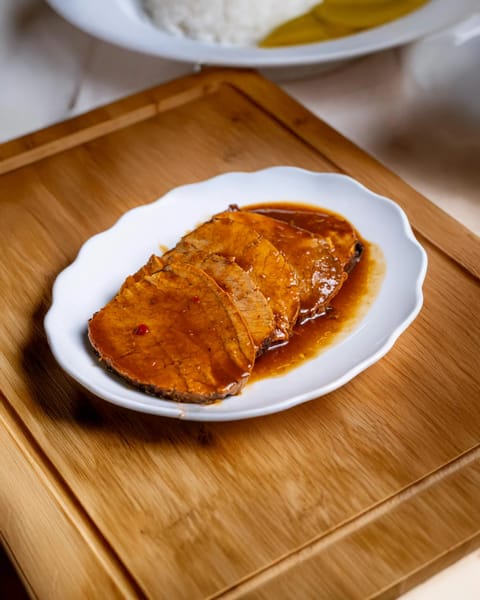
Reheating needs to heat the whole portion, including its coolest centre. Steam at the surface or a hot bowl does not prove that every part is ready. Start with leftovers that were cooled and stored safely; reheating is not a way to rescue neglected food.
Step by step
Check storage and choose a portion
Use only leftovers that were cooled promptly and kept refrigerated: within 2 days for most dishes, or 24 hours for rice. Follow any shorter product limit. Take out the amount you intend to eat and keep the rest refrigerated. Discard food whose storage history is unsafe or uncertain.
Heat with an appropriate method
Use a saucepan, oven or microwave suited to the dish. A little liquid and a cover can limit drying where appropriate. Stir sauces and break up dense portions so heat reaches the centre more evenly.
Manage microwave cold spots
Use a microwave-safe container and cover as instructed, allowing steam to vent. Stir or rotate during heating where suitable and follow any standing time. Handle lids carefully because trapped steam can burn.
Check the internal temperature
Use a clean food thermometer to confirm 74°C (165°F) in the coolest parts, checking more than one place in a thick or uneven portion. Continue heating and recheck if any part is cooler. Bring reheated soups, sauces and gravies to a boil, stirring, then serve promptly.
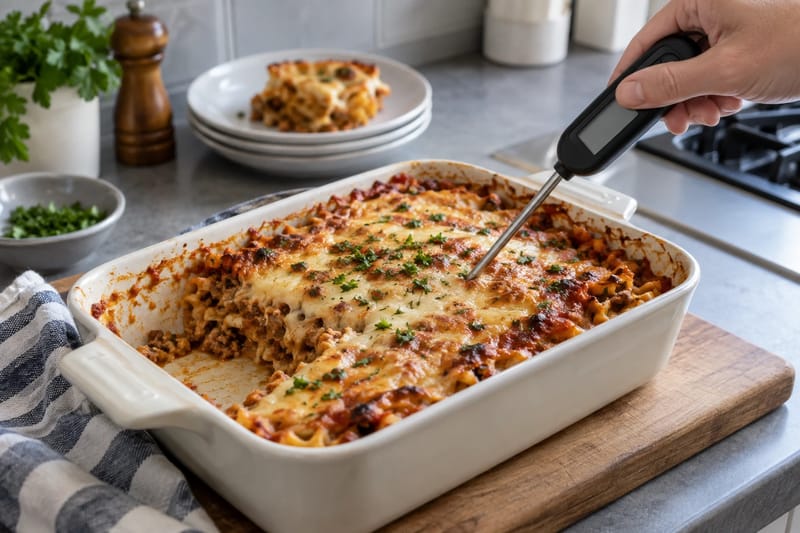
Hot edges with a cold middle
Use smaller, shallower portions and stir more thoroughly. A bubbling edge can hide a cold centre. Slow cookers are not a reliable way to bring cold leftovers quickly up to temperature; use a suitable reheating method first. Reheat only the portion you need, and reheat rice no more than once.