
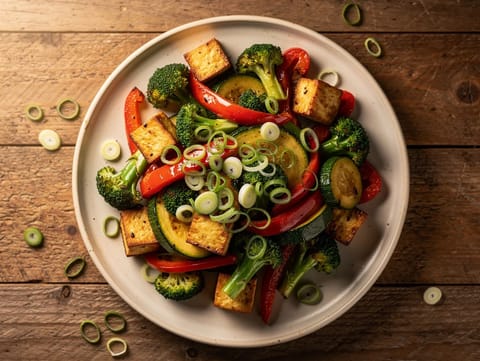
Air Fryer Tofu and Vegetables
Crispy tofu and vegetables cooked quickly in the air fryer.

Air frying is best understood as compact, high-speed convection: a strong fan pushes hot air around a small chamber so food browns quickly. That makes it useful when you want crisp edges without deep-frying, but it also means timing and spacing matter more than they do in a standard oven.
These recipes tend to reward small batches, dry surfaces and a light coating of oil, with results that sit somewhere between roasting and frying.
Because the cooking space is small and the airflow is intense, air-fry recipes often focus on pieces rather than large joints: cut vegetables, chicken portions, fish fillets, chips, breaded items and reheated leftovers. The method excels at driving off surface moisture, which is why it can crisp skins and coatings well. The trade-off is that lean foods can dry out quickly if they are overcooked or if the basket is crowded.
Compared with oven baking or roasting, you will usually see shorter cook times and more mid-cook shaking, turning or flipping. Compared with deep-frying, you will usually see less oil and a drier, lighter crunch rather than a fully blistered crust.
Crispy tofu and vegetables cooked quickly in the air fryer.
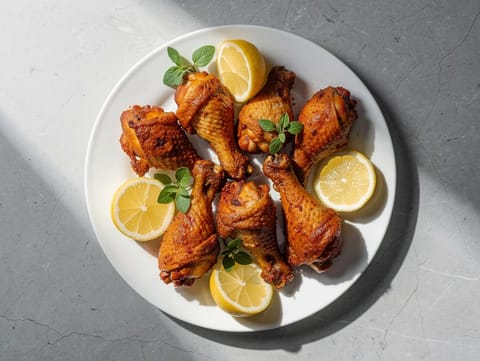
Spiced chicken drumsticks air-fried until crisp and juicy.
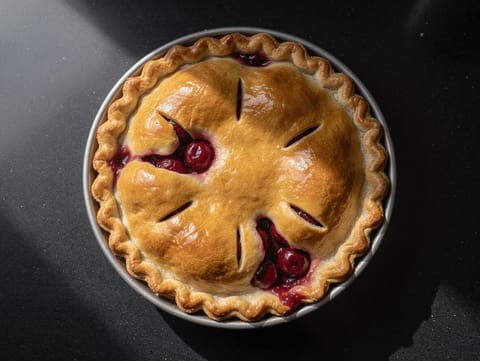
Air fryer cherry pie with lemon and cornflour-thickened filling.
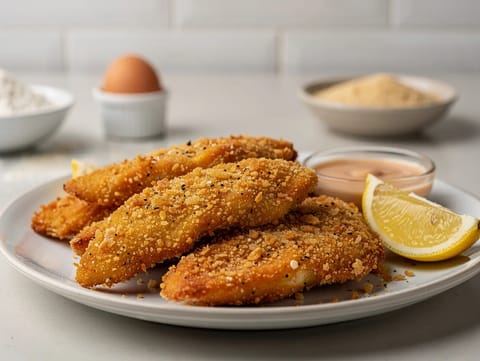
Crispy panko chicken tenders cooked quickly in the air fryer.
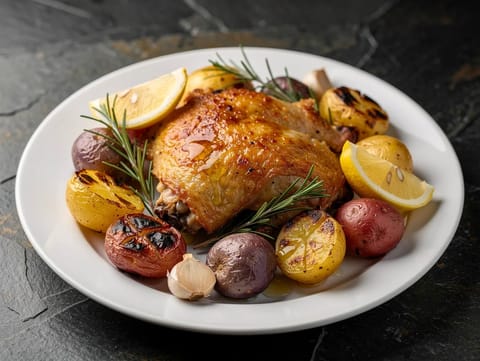
Air-fried chicken thighs with crispy baby potatoes and lemon.
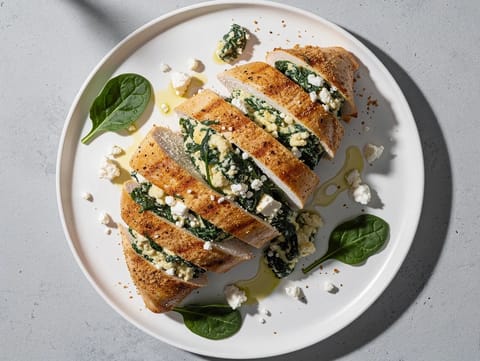
Chicken stuffed with spinach and feta, cooked in the air fryer.
Most air-fry recipes follow a simple pattern: preheat (when the model benefits from it), arrange food in a single layer, then cook with one or two turns for even browning. A small amount of oil is often used not to “fry”, but to help heat transfer and encourage colour on the surface.
Seasoning can be added before cooking for foods that can take direct heat, or after cooking for delicate herbs, grated cheese and spice blends that might scorch. Sauces are commonly added at the end or brushed on briefly, because sugary glazes can burn quickly in the fast-moving heat.
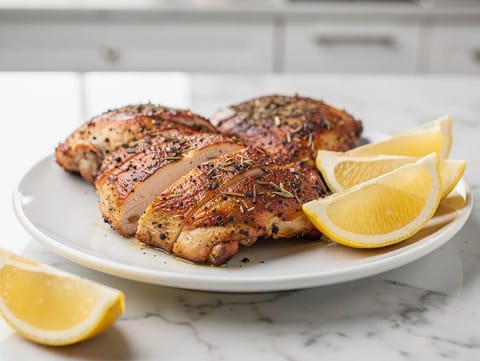
Air fryer Greek chicken with lemon, garlic and oregano.
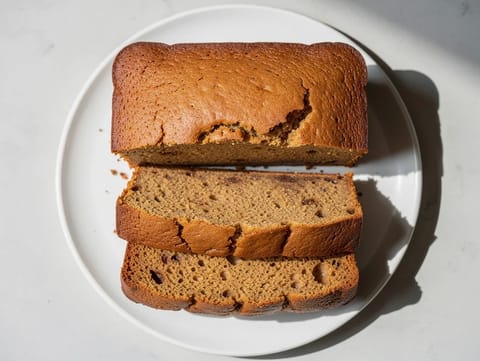
Moist air-fried banana bread with butter and cinnamon.
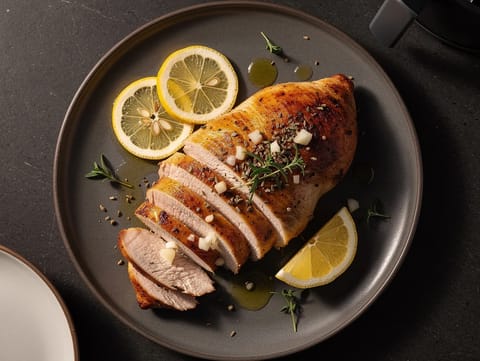
Air fried chicken breasts with herbs, garlic and lemon.
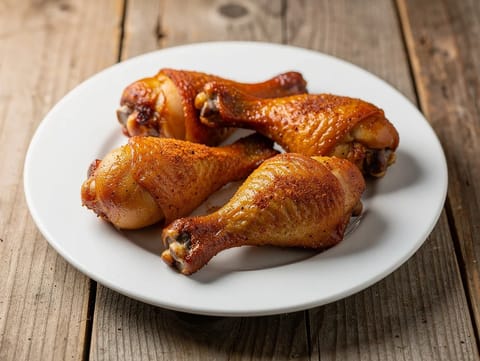
Chicken drumsticks air-fried with garlic and paprika until juicy.
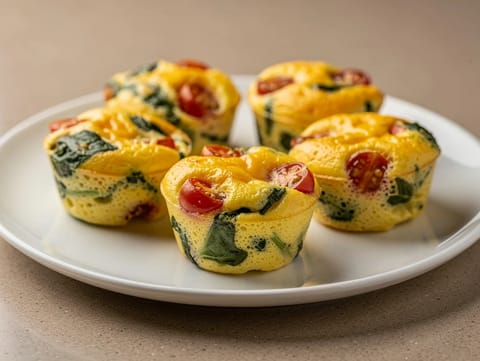
Air fryer egg muffins with spinach, tomatoes and cheddar.
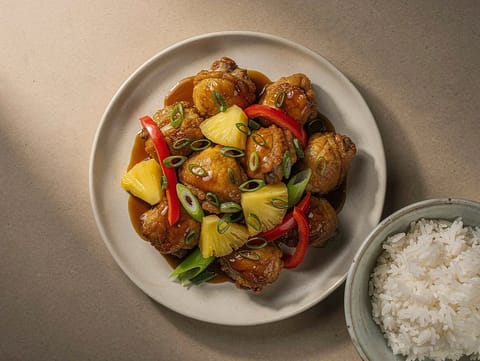
Crispy chicken tossed in a sweet and sour sauce.
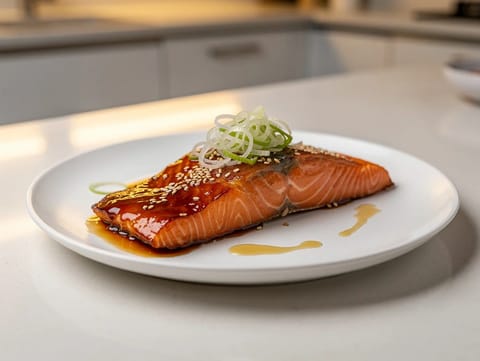
Air-fried salmon glazed with soy, mirin and brown sugar.
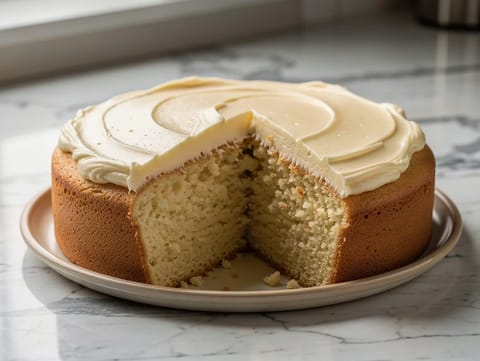
Air fryer vanilla sponge cake with simple vanilla buttercream.
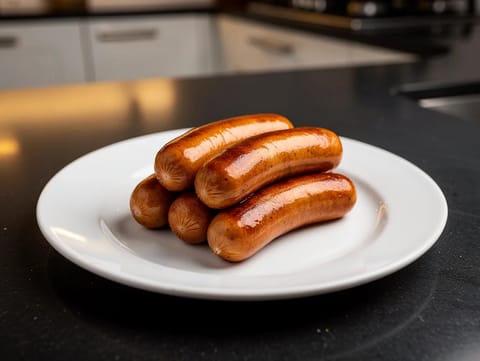
Air fryer sausages with crisp skins and juicy centres.
Crispy tofu and vegetables cooked quickly in the air fryer.
Air-fried chicken thighs with crispy baby potatoes and lemon.
Chicken stuffed with spinach and feta, cooked in the air fryer.
If you want a crisp exterior, look for recipes that start with dry ingredients (or pat them dry), use a coating (breadcrumbs, crushed nuts, cornflour) or rely on naturally starchy surfaces such as potatoes and root vegetables. For juicy interiors, choose recipes that keep pieces thicker, include a marinade, or use skin-on cuts that protect the meat.
For minimal attention, pick foods that can be cooked in a single layer without frequent turning. If you are cooking for more people, recipes written for multiple batches or for larger-capacity drawers tend to be less frustrating than those that assume everything fits at once.
Crowding is the classic issue: when pieces overlap, steam gets trapped and you lose browning. Cook in batches or use a rack if your model supports it. Another common problem is pale, dry results, often caused by too little surface fat or overcooking lean foods. A light oiling and a slightly shorter cook can help.
Finally, be cautious with very light items (loose parchment, thin slices, leafy herbs). Strong airflow can lift them into the element, leading to scorching or uneven cooking.
If you are deciding whether to air fry or use another approach, Cooking time helps you match the method to the time you actually have, including preheating and batch cooking. Equipment is also worth a look, because basket size, drawer style and accessories (racks, trays) change what fits and how evenly it browns.
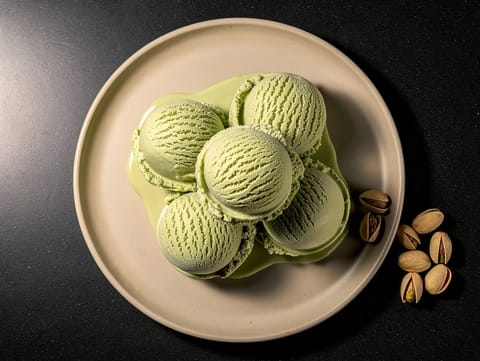
Smooth Sicilian-style pistachio gelato
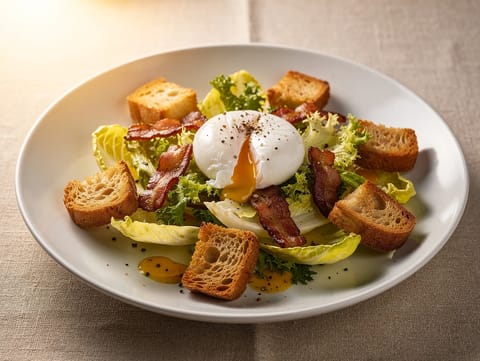
Warm frisée salad with lardons, poached egg and mustard dressing
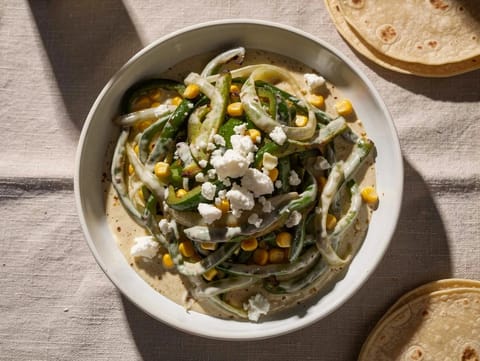
Roasted poblano strips simmered with sweetcorn and cream
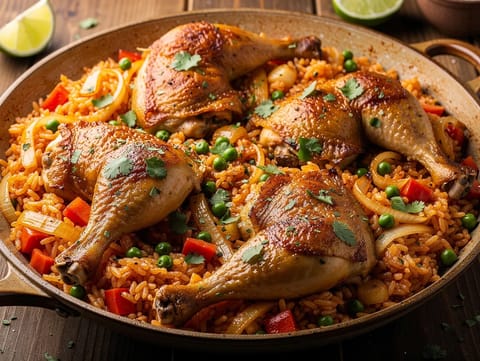
One-pot chicken and rice with peppers, peas, lime and coriander
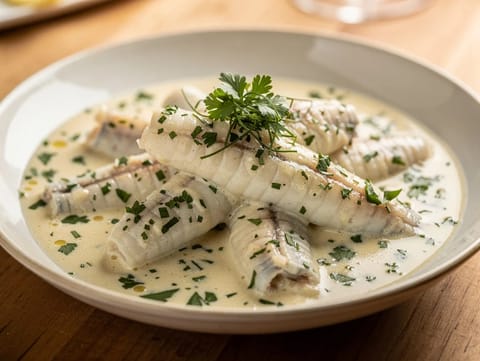
Belgian eel poached in a creamy white wine herb sauce
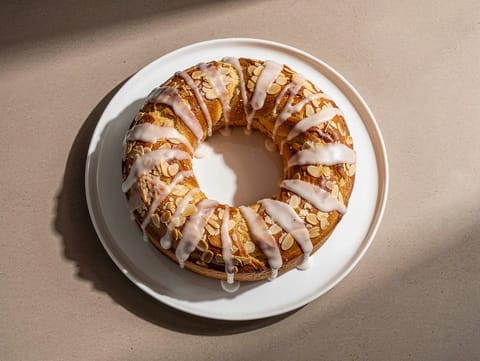
Buttery almond wreath pastry with flaked almonds and icing glaze
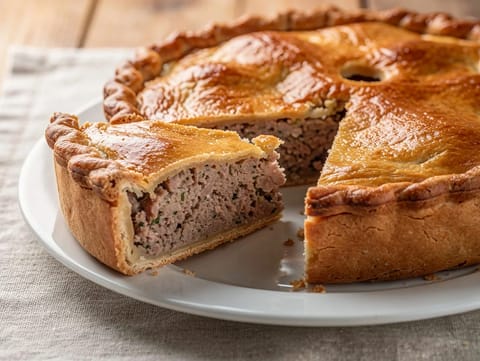
Shortcrust meat pie with pork, veal, herbs and brandy
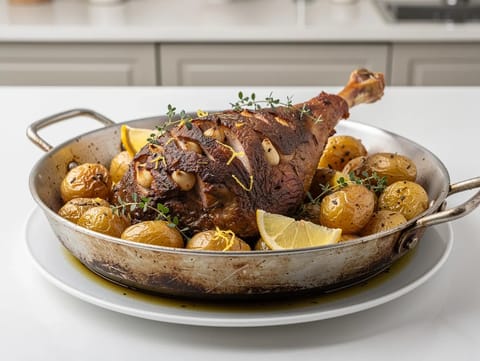
Slow-roasted Greek lamb with garlic, lemon and potatoes
No. Deep-frying cooks food by immersing it in hot oil; air frying cooks with circulating hot air and usually a small amount of oil on the surface. You can get crispness, but the texture is typically drier and lighter than deep-fried food.
It depends on the model and the recipe. Preheating can help with immediate browning for breaded foods and vegetables, but some recipes are written to start from cold and simply add a little time.
Soft results usually come from moisture and crowding. Pat ingredients dry, avoid overfilling the basket, and shake or turn so steam can escape and surfaces can brown.
Often, yes, but it needs to be weighed down by food so it cannot lift into the heating element. Perforated liners can help airflow; fully sealed layers can block circulation and slow browning.
Foods with a surface that benefits from fast drying and browning: cut potatoes and roots, chicken wings or thighs, breaded fish or vegetables, and reheating items you want crisp again.
Press coatings on firmly and give them time to adhere, and avoid moving the food too early. A light oil spray can help coatings brown and set before you turn.
Air frying rewards a simple mindset: give hot air room to circulate, keep surfaces dry, and treat timing as flexible. Once you know whether you are chasing crunch, colour or quick reheating, it becomes much easier to pick the right recipe and portion size.
