
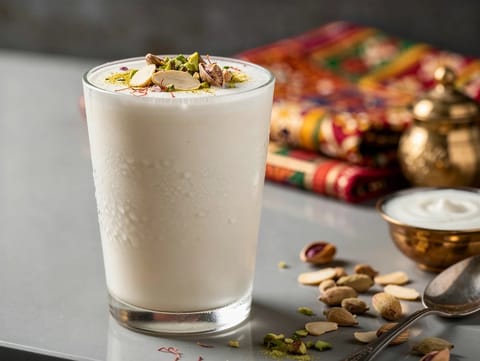
Sweet Lassi (Indian Yoghurt Drink)
Chilled sweet lassi blended with yoghurt, milk and cardamom

Blending is less about flavour than texture. The same ingredients can become a rustic purée, a silky soup, a spoonable dip or a drinkable smoothie depending on the tool, the liquid level and how long you blend.
Because blending happens quickly, the key decisions come before you switch the machine on: how fine you want the final texture, whether you need heat, and whether the mixture is thick enough to move around the blades.
Blended recipes use mechanical force to break ingredients down and disperse them evenly. That can mean fully smooth results, like puréed soups and sauces, or deliberately coarse textures, like salsas, pestos and some dips. Blending can also emulsify, helping oil and water-based ingredients combine into a stable dressing or sauce.
Blending does not automatically mean no-cook. Many blended dishes start with sautéed aromatics, roasted vegetables or simmered legumes, then are blended for texture. It also does not automatically mean perfectly smooth: some recipes are written to be pulsed briefly so you keep bite and avoid turning herbs or nuts into a paste.
Chilled sweet lassi blended with yoghurt, milk and cardamom
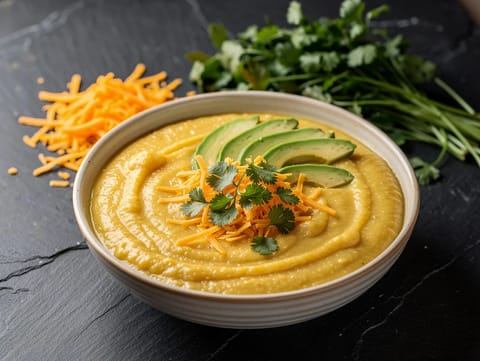
Creamy potato and cheese soup topped with avocado and coriander
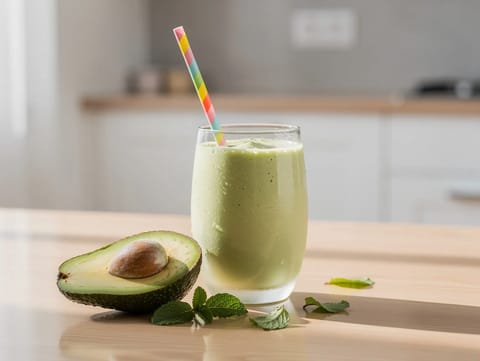
Vietnamese avocado smoothie with condensed milk and ice
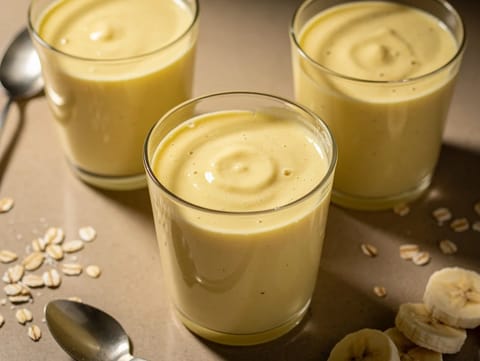
Banana and oat smoothie blended with milk and honey.
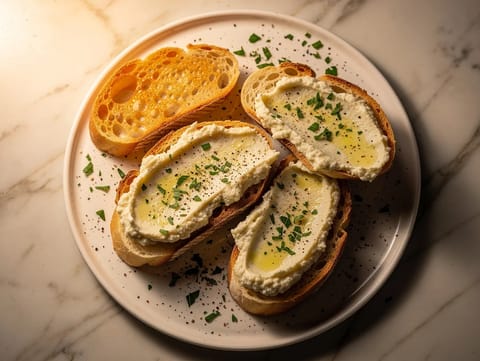
Venetian whipped salt cod spread with garlic and lemon
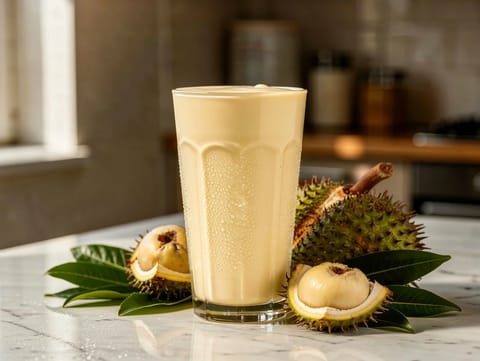
Jackfruit milkshake with condensed milk, vanilla and ice
A jug blender is built for smoothness. It creates a strong vortex that pulls ingredients down towards the blades, which is useful for soups, smoothies and silky sauces. A stick (immersion) blender is convenient for blending directly in a pot or bowl, which reduces washing up and makes it easier to stop at “almost smooth”. A food processor tends to chop rather than liquefy, so it suits thicker mixtures such as hummus-style dips, nut pastes and coarse relishes.
If you are working with small quantities, a stick blender or small processor bowl can be easier than a large jug, where ingredients may simply smear up the sides.

Strained passion fruit juice with lime, caster sugar and ice
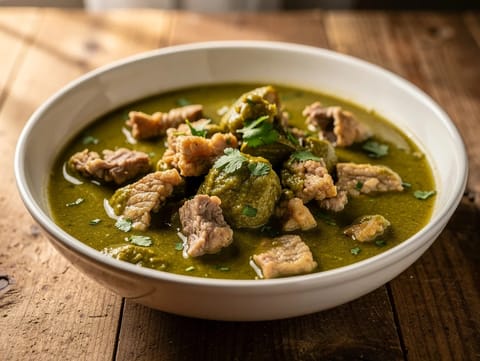
Pork rinds softened in tangy tomatillo and green chilli sauce
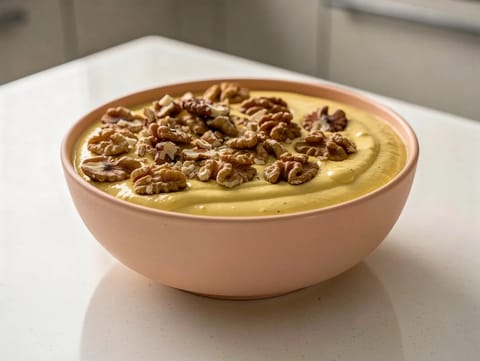
Banana bread smoothie bowl with yoghurt, oats, cinnamon and walnuts.
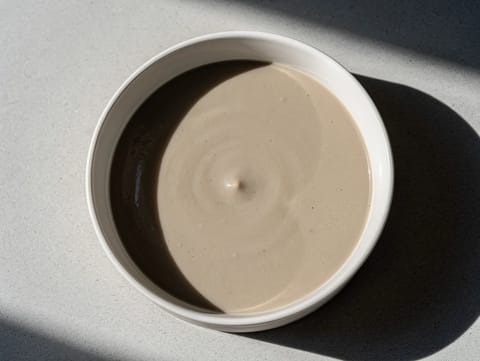
Blended mushroom soup finished with double cream
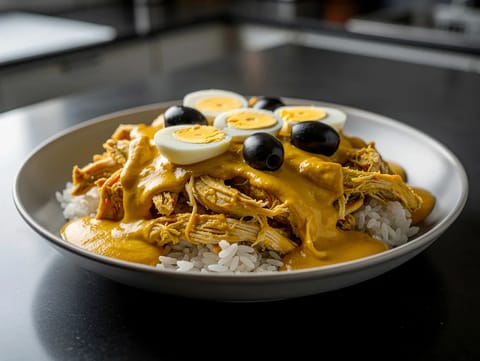
Creamy chicken stew with aji amarillo, walnuts and Parmesan
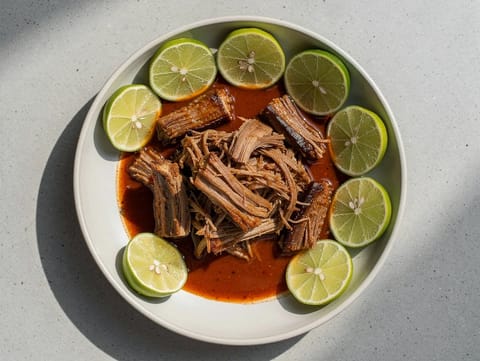
Slow-cooked lamb in guajillo and ancho chilli broth
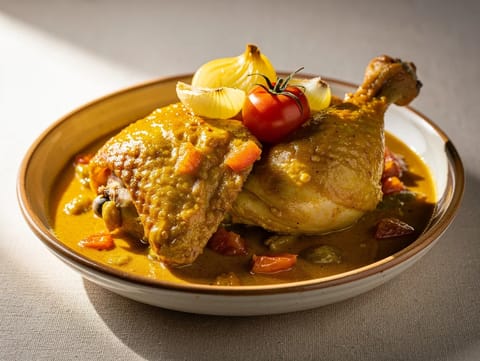
Chicken in smooth mole amarillo thickened with masa harina
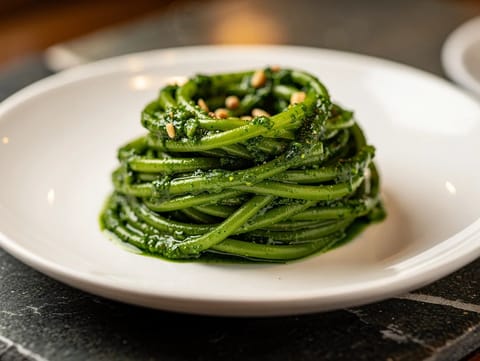
Basil pesto pasta with pine nuts, Parmesan and garlic
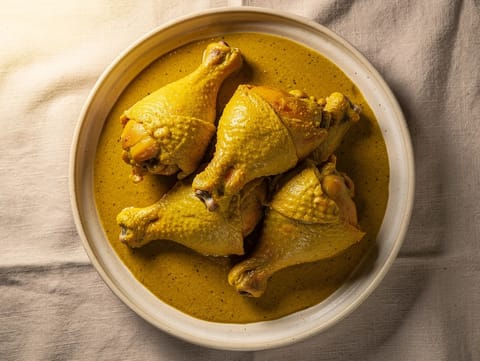
Chicken simmered in smooth yellow mole sauce with toasted spices
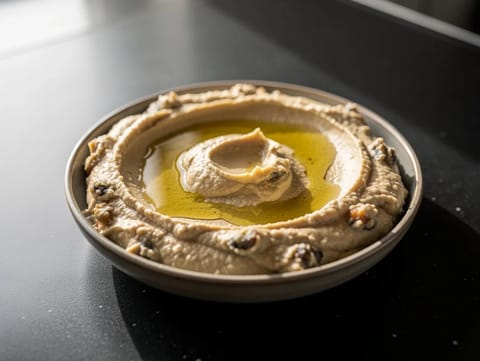
Smoky roasted aubergine dip with tahini and lemon
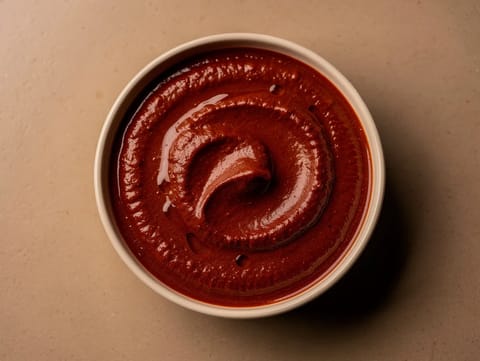
Mild red mole sauce with chillies, nuts and spices
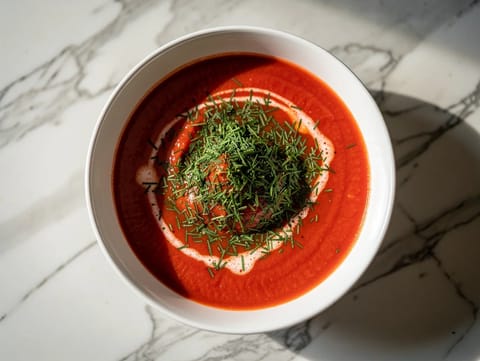
Light tomato soup with carrots, celery, cream and dill
For a silky finish, look for recipes that include enough liquid to keep the blades moving and that specify blending time or visual cues such as “completely smooth”. Straining is sometimes used for extra refinement, especially with fibrous vegetables.
For a thicker, spoonable blend, recipes often rely on cooked starches (potato, beans, lentils) or nuts and seeds. These blends can seize if they are too dry, so they may add liquid gradually. For a coarse, textured result, choose recipes that use pulsing and add delicate ingredients, such as herbs, at the end to avoid bruising and bitterness.
The most common issue is a mixture that will not circulate. This usually means it is too thick or the batch is too small for the container. Add a splash of liquid, scrape down the sides, or switch to a smaller vessel. Another frequent problem is over-blending, which can turn pesto muddy, make some vegetables taste harsher, or whip too much air into a sauce.
Be cautious with hot liquids in sealed jugs. Steam expands quickly and can force the lid up. Many cooks blend hot mixtures in batches, vent the lid, or use a stick blender to reduce pressure build-up.
Equipment is a natural companion here, because the same recipe behaves differently in a jug blender, stick blender or processor. Difficulty can also help you choose: some blended recipes are simply blitz-and-serve, while others depend on careful emulsifying, staged additions or managing hot liquids safely.
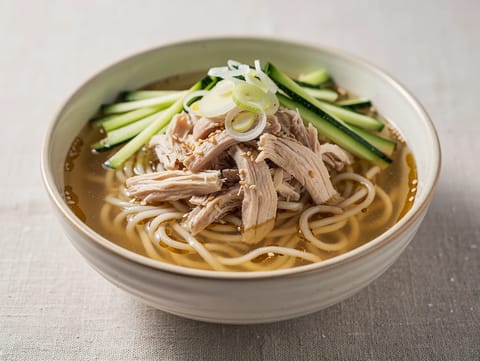
Clear chicken soup with knife-cut noodles and courgette
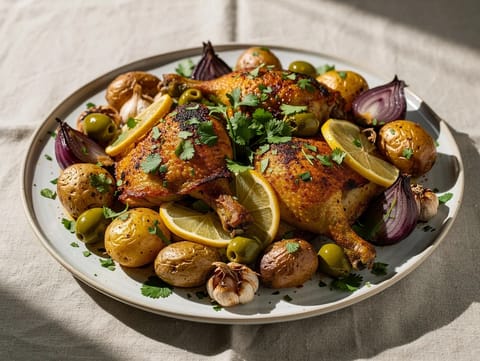
Chicken traybake with preserved lemon, olives, potatoes and red onion
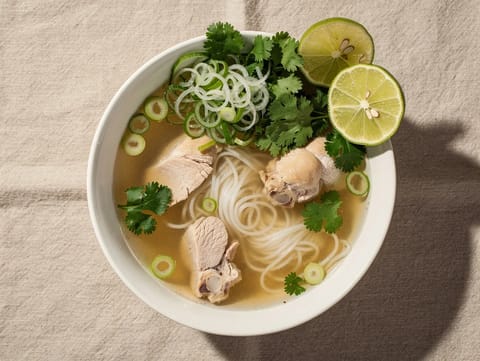
Light chicken and rice noodle soup with ginger
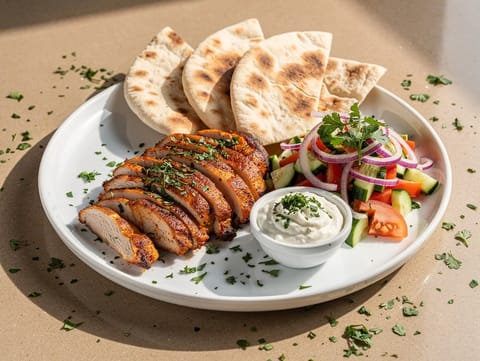
Spiced chicken shawarma platter with flatbreads and garlic yoghurt

Traybake bratwurst with roasted vegetables, mustard and caraway
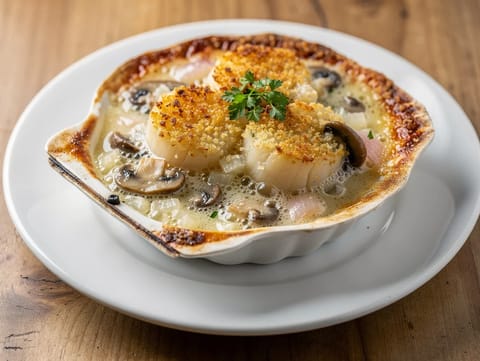
Scallop gratin in creamy white wine sauce with breadcrumbs
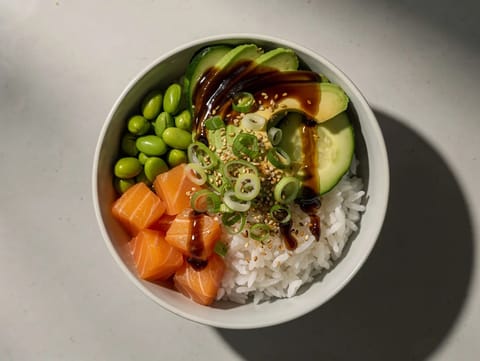
Sushi rice poke bowl with salmon, avocado and cucumber.
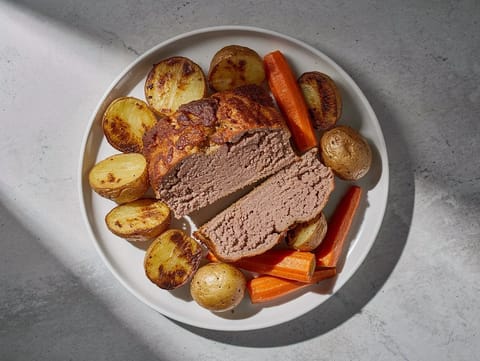
Sheet-pan meatloaf with roasted potatoes and carrots
In practice, blending usually aims for a smoother, more liquid result, while processing often chops and mixes thicker ingredients. There is overlap, but the tool and the desired texture are the main distinctions.
It is usually too thick, too dry, or too small a batch for the jug. Add liquid gradually, pause to scrape down, or use a smaller container or stick blender.
Cook ingredients until tender, blend long enough for the fibres to break down, and ensure there is enough liquid for good circulation. Some recipes also strain for an extra-silky finish.
Yes. Blending can release bitterness from some ingredients if overdone, and it can also incorporate air, which changes how flavours hit the palate. Heat generated by blending can also slightly alter delicate flavours.
A jug blender is usually better for very smooth textures and crushing ice or fibrous ingredients. A stick blender is excellent for convenience and for stopping at a slightly textured finish.
Avoid filling a jug blender too high, allow steam to vent, and blend in short bursts. Alternatively, use a stick blender directly in the pot to reduce the risk of pressure building under a lid.
Once you decide whether you want smooth, spoonable or deliberately chunky, the rest follows: pick the right tool, add enough liquid for movement, and stop blending as soon as you reach the texture cue. That keeps flavours fresh and results consistent.
