
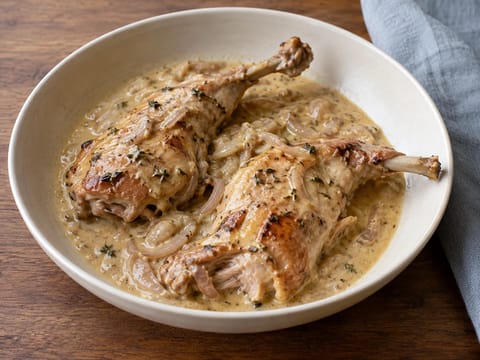
Lapin à la Moutarde et au Cidre (Rabbit Braised with Mustard and Cider)
Rabbit braised in cider with Dijon mustard and crème fraîche
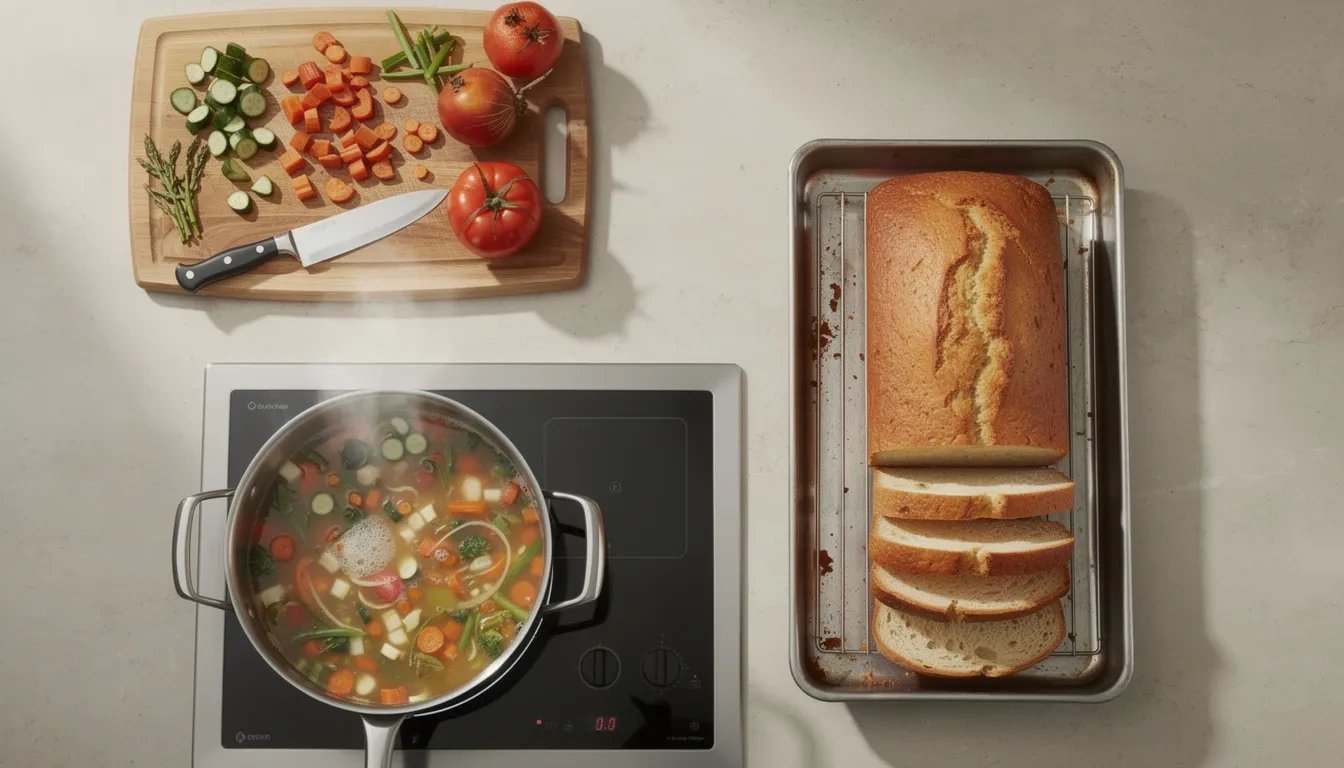
Braising is slow, covered cooking with a small amount of liquid. It is the method behind fork-tender meat, silky onions and sauces that taste as though they have had time to settle. The key is gentle heat: you want the liquid barely bubbling so the food cooks through without being battered.
These recipes often suit cuts and vegetables that need time, and they reward a pot that holds steady heat and a lid that fits well.
A braise typically starts with larger pieces cooked partly above the liquid line, with steam and gentle simmering doing the work under a lid. A stew usually has smaller pieces fully submerged and more overall liquid. In practice, many home-cooked dishes sit between the two, but the distinction helps when you are choosing a recipe: braises often aim for sliceable or spoon-tender pieces and a sauce that reduces to a glaze-like consistency.
Because the pot is covered, braising is less about rapid evaporation and more about controlled temperature and time. If the heat is too high, the liquid boils hard, proteins tighten and the sauce can turn cloudy from agitation.
Rabbit braised in cider with Dijon mustard and crème fraîche
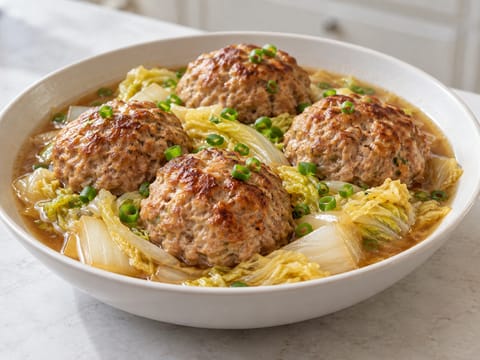
Shanghai pork meatballs braised with Chinese cabbage
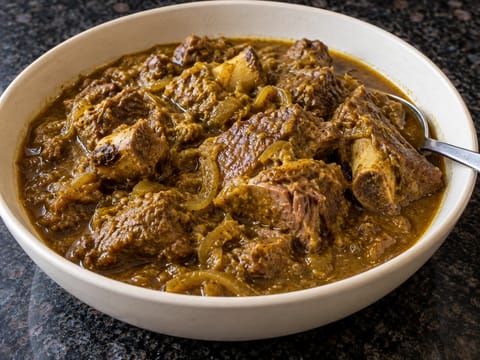
Slow-cooked curry goat with allspice and Scotch bonnet
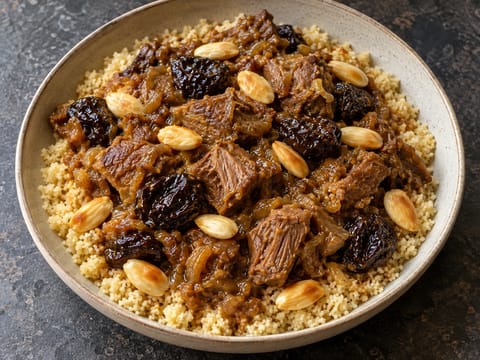
Lamb tagine with prunes and toasted almonds
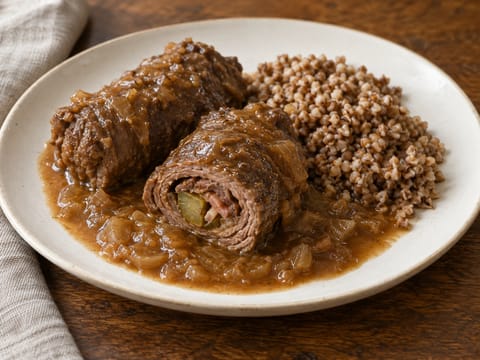
Braised Polish beef roulades served with buckwheat
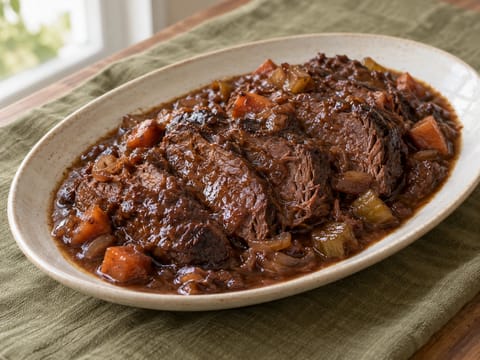
Slow-braised beef in red wine with a rich gravy
A heavy, lidded casserole (Dutch oven) is the classic braising pot because it holds heat evenly and can go from hob to oven. The oven is often used for braising because it surrounds the pot with steady heat, reducing hot spots that can catch on the base.
You can braise in a deep sauté pan with a tight lid for smaller quantities, or in a roasting tin tightly covered with foil for larger, flatter braises. Whatever you use, the important features are enough depth to hold liquid without boiling over, and a lid or cover that limits evaporation so the braise stays moist while it tenderises.
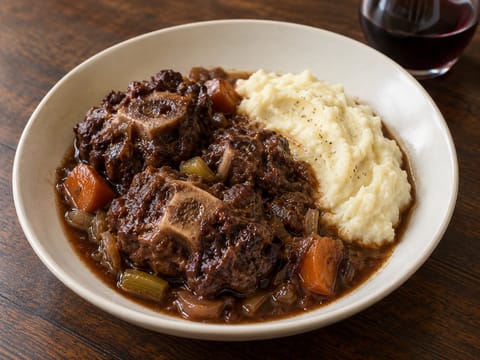
Red wine braised oxtail with horseradish mashed potatoes
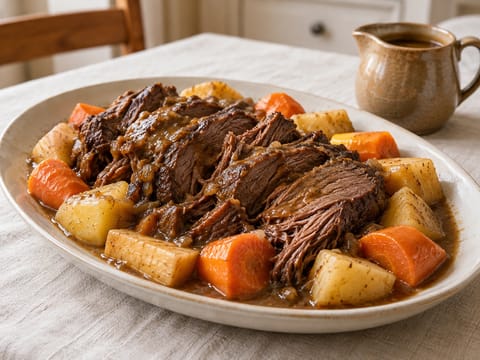
Braised beef chuck pot roast with root vegetables and gravy
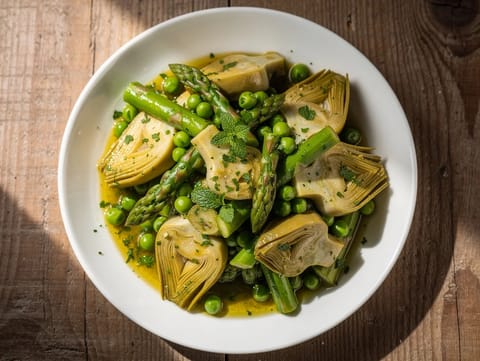
Spanish braised spring vegetables with mint and lemon
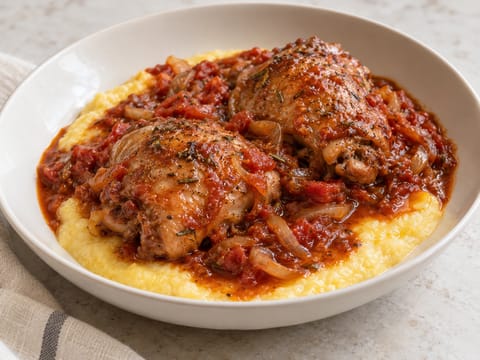
Chicken cacciatore served with buttery Parmesan polenta
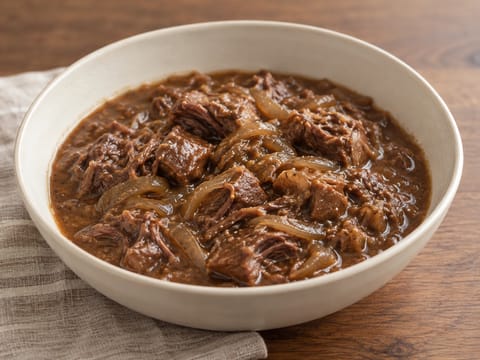
Dutch beef and onion stew slowly braised with warming spices
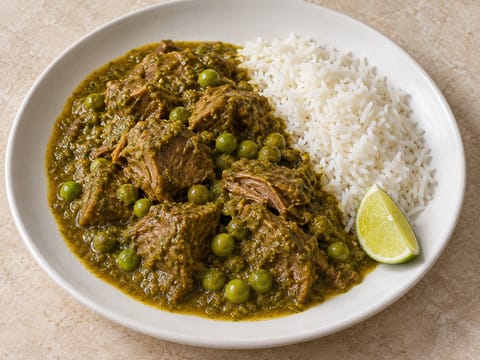
Peruvian lamb stew with coriander, aji amarillo and peas
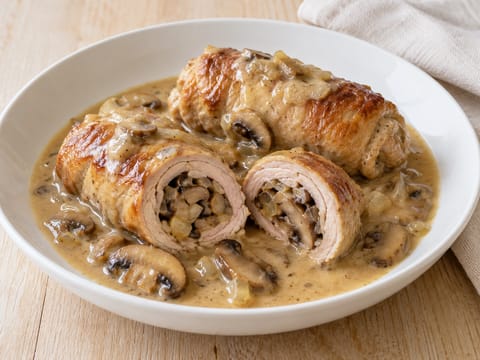
Polish pork rolls filled with mushrooms and onion
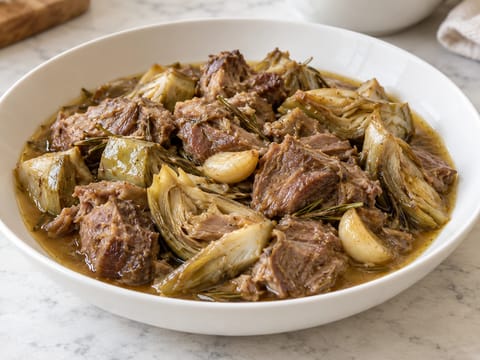
Roman lamb stew with artichokes, white wine and rosemary
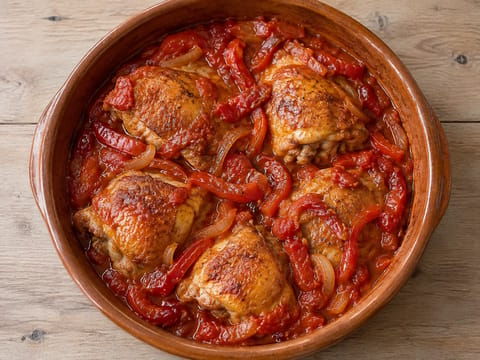
Chicken braised with peppers and a tomato-based sauce
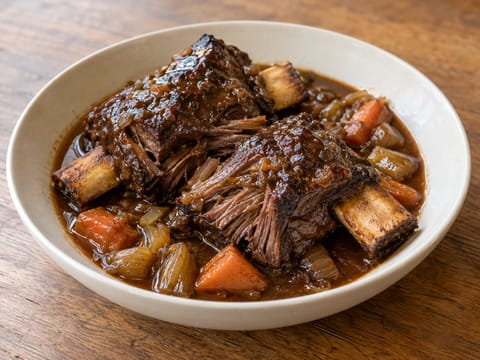
Stout-braised beef short ribs with a rich reduced sauce
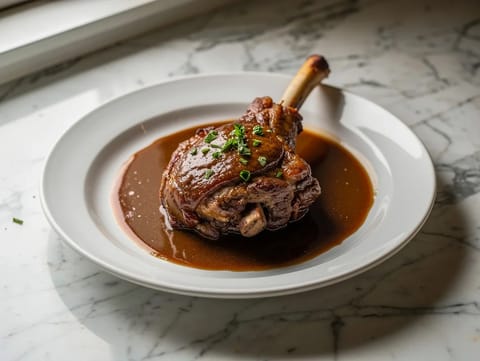
Slow-braised lamb shanks with rich minted gravy
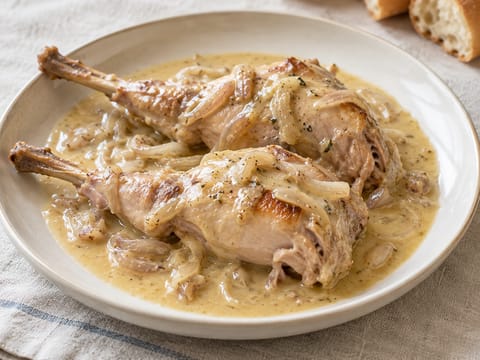
Braised rabbit finished with Dijon mustard and double cream
A hard boil is the most common problem. It can leave meat tough at the edges and shred rather than slice, and it can break vegetables down too far. Aim for a gentle simmer and adjust heat as needed. Another issue is too much liquid: braises are meant to cook in a shallow bath, so the sauce can concentrate. If the pot is flooded, the result is closer to boiled meat in broth.
Finally, rushing the reduction at the end can make a sauce taste sharp or salty. Many braises benefit from a short uncovered simmer to thicken, but only after the main cooking is complete.
For meat braises, recipes often suit cuts with connective tissue that soften with time, such as shoulder, shank or short rib-style pieces. These are good choices when you want a dish that can hold at a gentle heat without constant stirring. For vegetable braises, look for recipes that use sturdy vegetables that keep their shape, or that deliberately cook down into a sauce.
If you want a clearer, lighter sauce, choose recipes that use a modest amount of liquid and rely on aromatics and reduction. If you want a richer, darker finish, look for recipes that include a browning step before the liquid goes in, because those browned bits dissolve into the braising liquid as it cooks.
Cooking time is a practical companion to braising, because the method is defined by gentle heat over longer periods, plus resting time that often improves texture. Equipment is equally important: the size and material of your pot, and whether it can go in the oven, will shape which braises are most straightforward to cook.
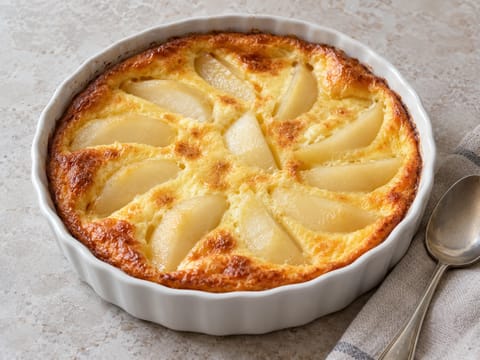
Pear clafoutis baked in a vanilla custard batter
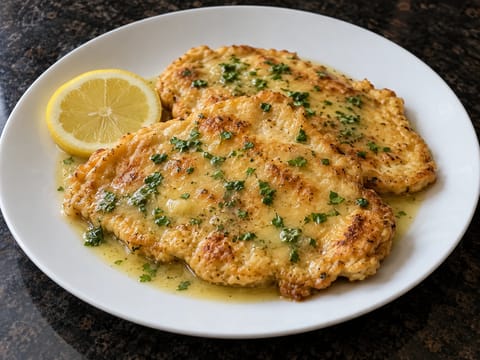
Pan-fried chicken in a lemon and white wine sauce
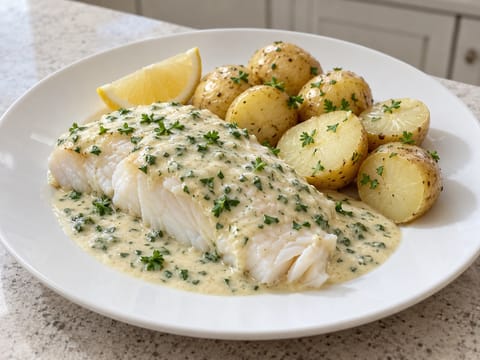
Baked cod with creamy parsley sauce and new potatoes
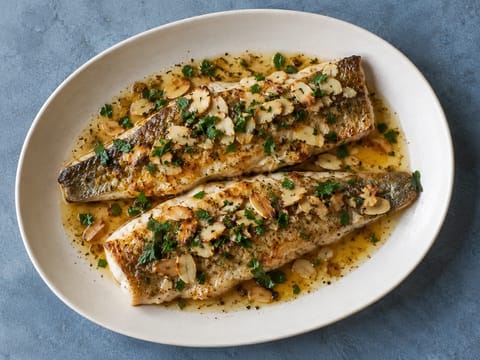
Grilled trout with brown butter, flaked almonds and lemon
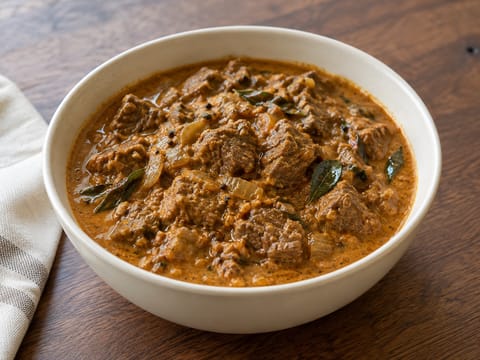
Beef curry simmered with coconut milk and curry leaves
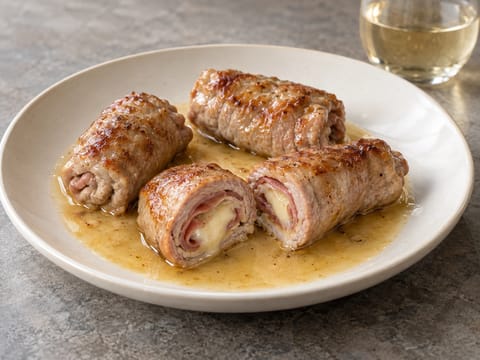
Veal rolls filled with prosciutto and melted fontina
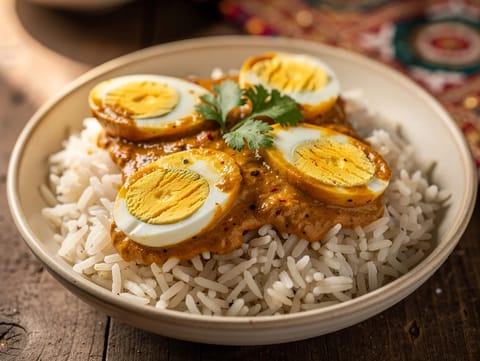
Hard-boiled eggs in spiced tomato masala with basmati rice
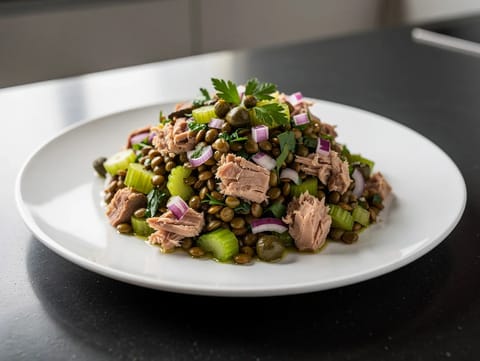
Italian lentil and tuna salad with capers and lemon
Not always, but searing adds browned flavours that deepen the sauce. Some recipes skip it for a lighter result or to keep the method simpler, especially with delicate ingredients.
It should usually simmer very gently. A rolling boil agitates the pot, can toughen proteins at the surface and can make the sauce cloudy.
Typically enough to come partway up the ingredients rather than fully covering them. The exact amount depends on the pot shape, the ingredients and how tight the lid is.
It may need more time at gentle heat, or the heat may have been too high, tightening the proteins. Some cuts also have a stage where they feel tough before they relax as collagen breaks down.
Yes, as long as you can keep the heat very low and steady and prevent catching on the base. The oven often makes that steadiness easier.
Many braises thicken by reduction: remove the lid near the end and simmer until the sauce concentrates. Some recipes also use flour, starch or puréed vegetables for body, depending on the style.
A good braise is mostly temperature control: quiet simmering, a snug lid and enough time for the texture to change. Choose a recipe that matches your pot and your patience, and you will get tender pieces and a sauce that tastes cohesive rather than hurried.
