
Beef Short Ribs Braised in Stout
Why this recipe works
- Deep, layered flavour: Browning the ribs, softening the aromatics and cooking out the tomato purée build a savoury base before the stout and stock are added.
- Slow braising for tenderness: A low oven braise at 160°C (320°F) gently breaks down the short ribs until the meat is tender and the sauce has absorbed the beef’s richness.
- Even better prepared ahead: Cooling the ribs in their sauce helps keep the meat moist, and the finished dish reheats well for an easy next-day meal.
Get the most out of this recipe
Timing notes
- Most of the time is hands-off: The active work is mainly searing, softening the vegetables and reducing the sauce; the long oven braise does the tenderising.
- Serve once the sauce is glossy: After braising, reduce the liquid until it coats a spoon rather than serving it thin from the pot.
Common mistakes
- Do not crowd the ribs: Sear in batches so the ribs brown properly instead of steaming, which is key to the sauce’s depth.
- Keep the braise gentle: A hard boil can make the meat tighten and the sauce reduce too quickly; the liquid should stay at a steady, gentle simmer.
- Do not skip the final reduction: Reducing the braising liquid after the ribs are cooked gives the sauce body and a more concentrated flavour.
Ingredient notes
- Use bone-in short ribs: Bone-in ribs bring more body and richness to the braising liquid, helping create a fuller sauce.
- Choose a balanced stout: A stout with roasted malt character works well; avoid anything overly bitter, as that bitterness can concentrate during reduction.
- Fresh herbs suit the long braise: Fresh thyme holds up well in the sauce, while rosemary can be used for a stronger, more resinous flavour.
Make-ahead tips
- Cool the ribs in the sauce: Letting the ribs cool in their braising liquid helps protect the meat from drying out during storage.
- Reheat gently: Warm in a covered pot over low heat until piping hot, adding a splash of water if the sauce has thickened too much.
- Freezes well: Freeze the cooked ribs with their sauce, then defrost overnight in the fridge before reheating gently.
Equipment you'll need
Ingredients
Instructions
- Heat the oven to 160°C (320°F). Pat the short ribs dry, then season all over with the salt and pepper.
- Heat the olive oil in a Dutch oven over medium-high heat. Brown the short ribs well on all sides, 10–12 minutes total, working in batches so the pan is not crowded. Transfer to a plate.
- Reduce the heat to medium and add the onion, carrot and celery. Cook, stirring and scraping up the browned bits, until the vegetables soften and start to take on colour, about 8 minutes. Stir in the garlic for 1 minute.
- Stir in the tomato purée and cook for 1–2 minutes until it darkens slightly. Pour in the stout and bring to a simmer, scraping the base of the pot. Simmer for 3–4 minutes to cook off the harsh alcohol edge.
- Add the beef stock and thyme, then return the short ribs (and any juices) to the pot. The liquid should come about halfway up the ribs; if needed, top up with a little water. Bring back to a gentle simmer.
- Cover and braise in the oven for 2 hours 30 minutes, turning the ribs once halfway through, until the meat is very tender and nearly falling from the bone. If the sauce looks dry at any point, add a splash of water to maintain a gentle braise.
- Transfer the ribs to a warm plate and loosely cover. Skim excess fat from the surface of the braising liquid, then simmer the sauce on the hob over medium heat until reduced to a glossy consistency that coats a spoon, 10–15 minutes. Taste and adjust seasoning with a little more salt and pepper if needed, then spoon the sauce over the ribs to serve.
Recipe notes
Tips
- For the best browning, make sure the ribs are well dried before seasoning and searing, and avoid overcrowding the pot.
- If you prefer a smoother sauce, lift out the thyme sprigs, then blend the braising liquid briefly with an immersion blender before reducing.
- Alcohol does not fully cook out; if serving to children or anyone avoiding alcohol, choose a different recipe.
Substitutions
- Replace Stout beer with ale beer for a lighter, less roasty braise.
- Replace Fresh thyme with fresh rosemary for a more piney, robust flavour.
Storage
- Refrigerate up to 3 days
- Cool the ribs in the sauce, then refrigerate in a sealed container for up to 3 days. Reheat gently in a covered pot over low heat until piping hot, adding a splash of water if the sauce has thickened; freeze for up to 3 months and defrost overnight in the fridge before reheating.
Ratings & reviews
Liked this recipe? Share your feedback to support our cooking community.
Tried this recipe?
Choose 1–5 stars. A comment is optional.
Stay inspired
Discover new recipes, seasonal favourites and cooking inspiration every day. Follow JustRecipes on Pinterest and Spillt.
Recipe overview
- Servings: 4 servings
- Total time: 3h 15min (40min active)
- Difficulty: Advanced
- Cuisine: American
-
Allergens:
Celery
Plan your meals and get a complete grocery list automatically.
Add to meal plannerEquipment you'll need
Got ingredients left?
Find recipes using ingredients from this recipe or what you already have at home.
Find recipes with these ingredients →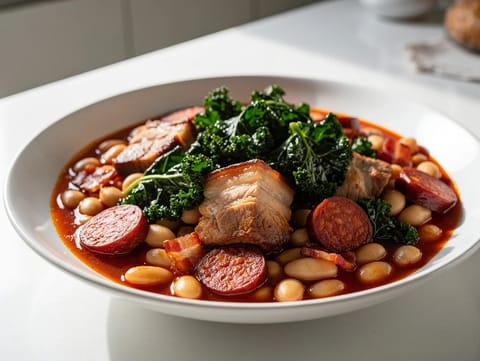
Feijoada à Portuguesa (Portuguese Bean Stew with Pork and Chorizo)
Portuguese white bean stew with pork belly, chorizo and bacon
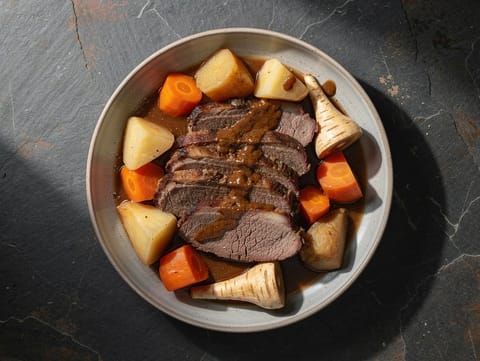
Braised Beef Brisket with Root Vegetables
Braised brisket with red wine and root vegetables
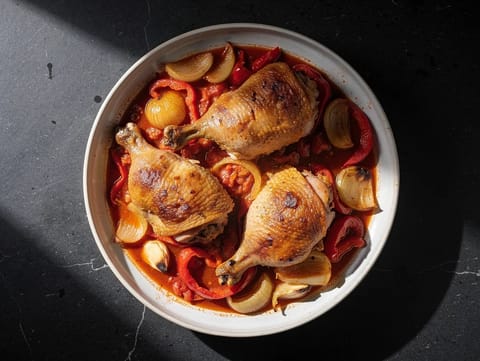
Pollo alla Romana con Peperoni (Chicken with Peppers and Tomatoes)
Roman style chicken simmered with peppers, tomatoes and rosemary
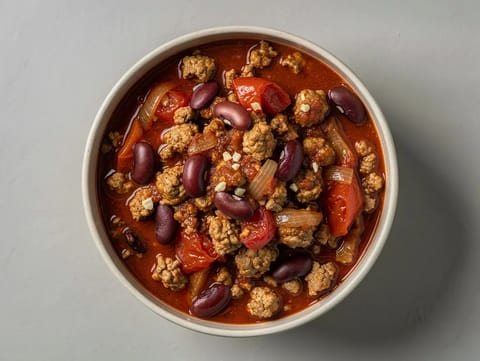
Turkey Chilli
Turkey chilli simmered with kidney beans, tomatoes and spices
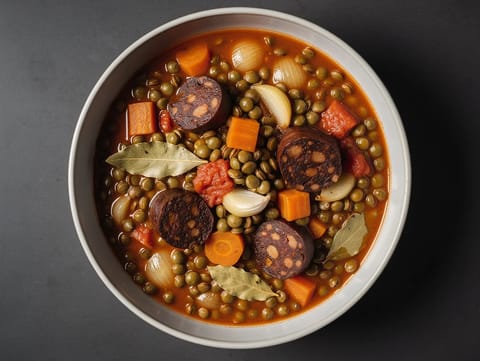
Lentejas con Chorizo y Morcilla (Spanish Lentil Stew)
Spanish lentil stew with chorizo and morcilla
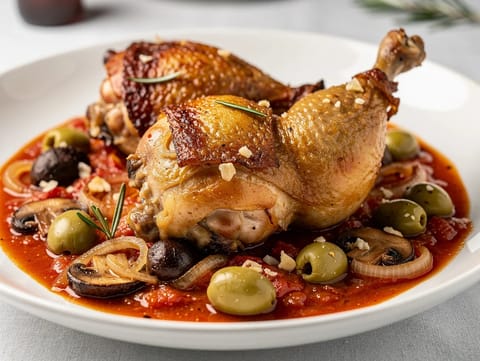
Pollo alla Cacciatora (Chicken Braised with Tomato, Red Wine and Olives)
Chicken thighs braised with tomato, red wine, mushrooms and olives
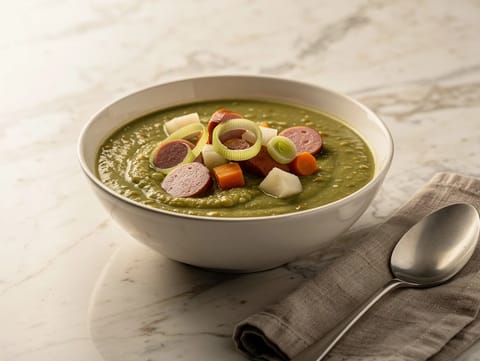
Light Dutch Pea Soup with Smoked Sausage (Erwtensoep-Style)
Light split pea soup with vegetables and smoked sausage
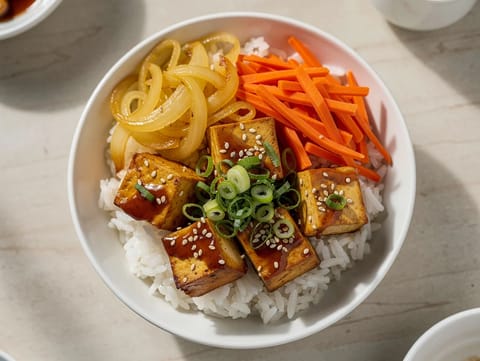
Tofu Bulgogi Bowl
Tofu bulgogi bowl with rice, sautéed vegetables and sesame
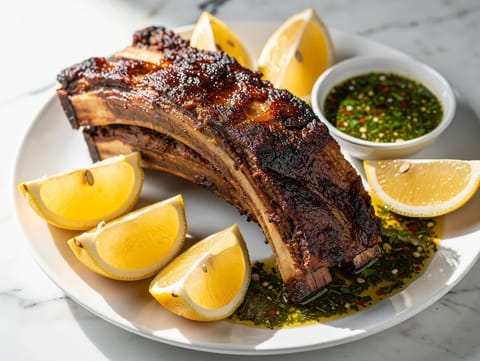
Asado (South American Barbecue with Chimichurri)
Slow grilled beef short ribs served with chimichurri
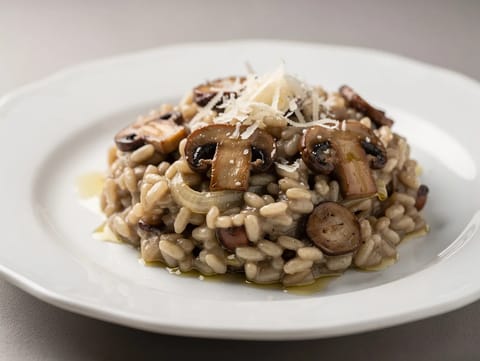
Truffle Mushroom Risotto
Creamy risotto with mushrooms, Parmesan and truffle oil
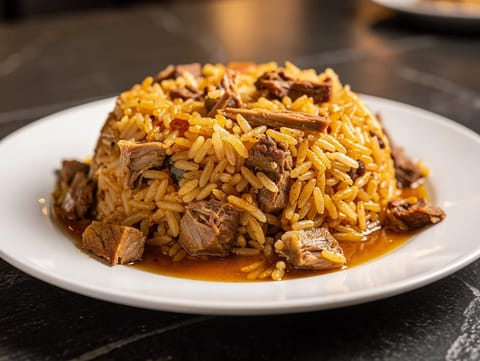
Wedding Pilaf (Turkish Rice with Meat)
Turkish pilaf with basmati rice, lamb and warm spices
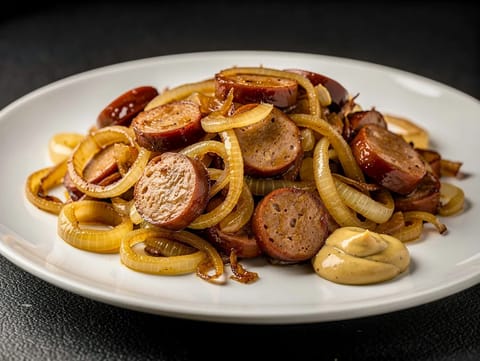
Kiełbasa z Cebulką (Pan-Fried Sausage with Onion)
Pan-fried pork sausage served with soft, golden onions
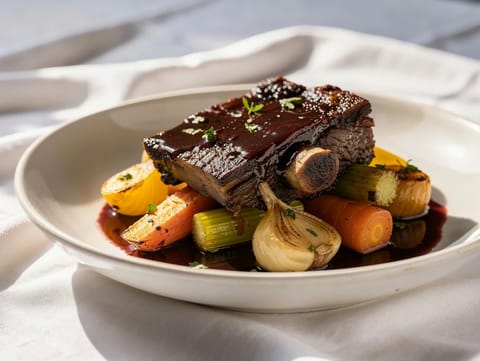
Slow-Braised Short Ribs with Red Wine
Slow-braised beef short ribs in red wine
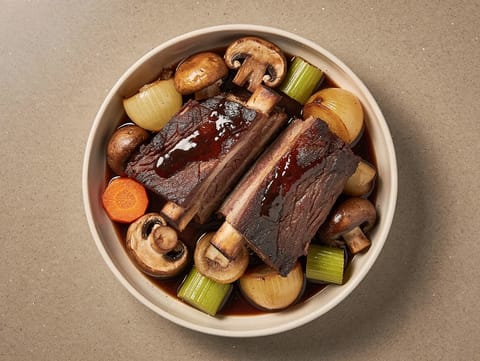
Braised Short Ribs with Red Wine and Mushrooms
Red wine braised beef short ribs with mushrooms and onions
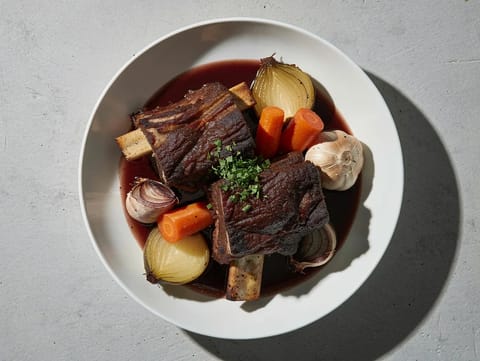
Slow Cooker Beef Short Ribs with Red Wine
Slow-cooked beef short ribs in red wine sauce
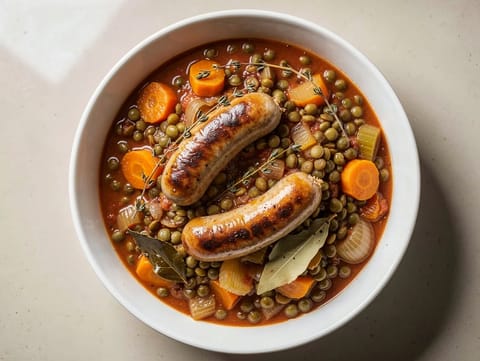
Sausage and Lentil Casserole
One-pot sausage casserole with green lentils and vegetables
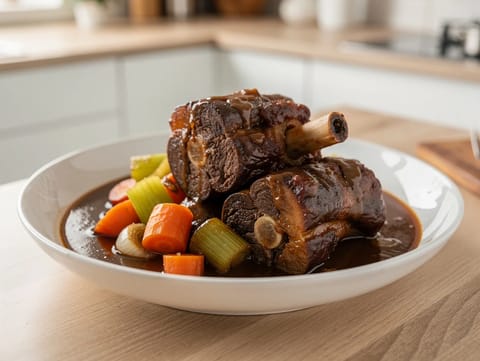
Rabo de Toro Estofado (Braised Oxtail Stew)
Braised oxtail stew with red wine and vegetables
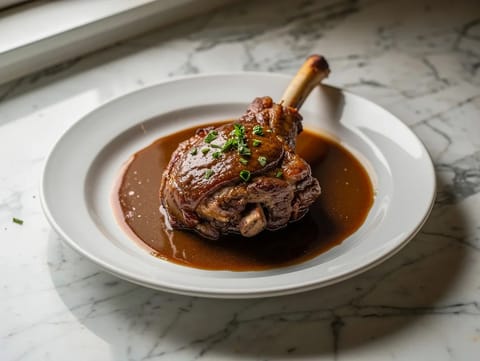
Braised Lamb Shanks with Minted Gravy
Slow-braised lamb shanks with rich minted gravy
You might also like
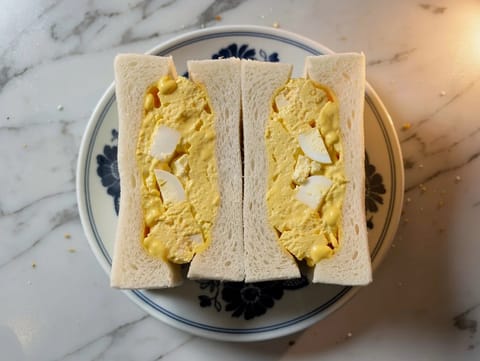
Tamago Sando (Japanese Egg Sandwich)
Japanese egg sandwich with creamy mayonnaise and mustard filling
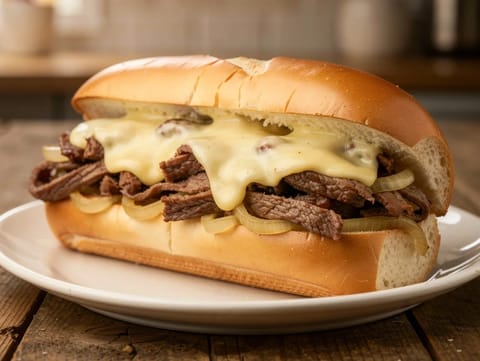
Philly Cheesesteak (Beef and Provolone Sandwich)
Hot beef and onion sandwich with melted provolone
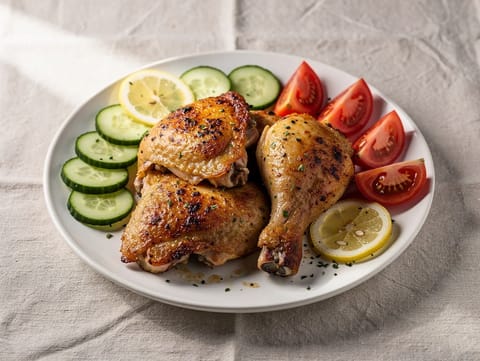
Air Fryer Lemon Yogurt Chicken
Yoghurt and lemon marinated chicken thighs, air fried until golden.

Kinderpunsch (Non-Alcoholic Mulled Apple Punch with Orange and Spices)
Mulled apple punch with orange and warming spices
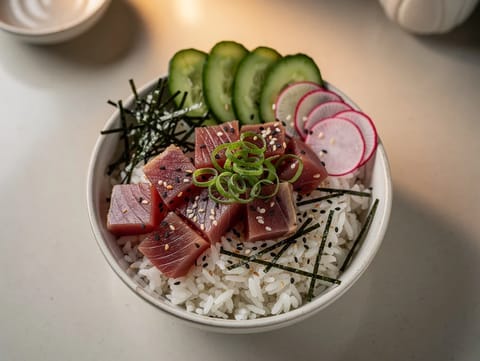
Poke Bowl with Radish and Cucumber
Sushi rice bowl with tuna, cucumber and radish.
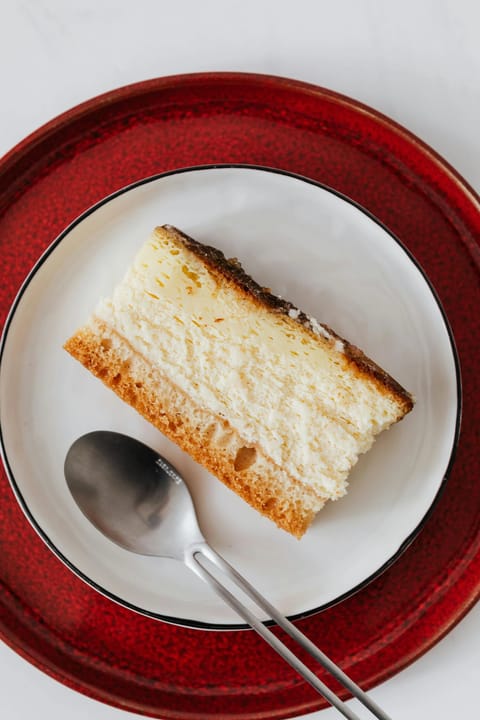
Bienenstich (German Honey Almond Cake with Vanilla Custard)
German honey almond cake filled with vanilla custard cream
Make this recipe easier next time
AdvertisementThese tools help you get better results with less effort.
Misen 8-Inch Chef Knife
- AUS-10 steel
- Balanced design
- Less traditional feel
Titanium & PP Double-Sided Cutting Board
- Separate surfaces for meat and produce
- Resists odors and stains
- Harder on knife edges than wood or plastic
WÜSTHOF Classic 8-Inch Chef's Knife
- Excellent build quality
- Reliable edge retention
- Expensive
OXO Good Grips 2-Piece Cutting Board Set
- Two useful sizes with reversible cutting surfaces
- Dishwasher safe and easy to clean
- Plastic surfaces will show knife marks over time
Enjoy cooking with JustRecipes?
Add JustRecipes as one of your preferred Google sources to discover our recipes more easily across Google Search.
Add JustRecipes to GoogleEvery recipe on JustRecipes follows the same structured editorial process. Learn how recipes are created, validated, translated, illustrated, and continuously improved across the platform. How we create recipes.
