
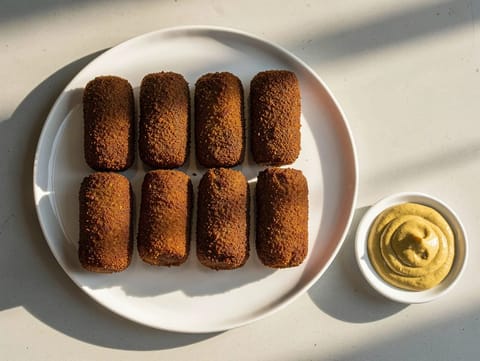
Kroketten (Dutch Beef Ragout Croquettes)
Dutch beef ragout croquettes with a crisp breadcrumb coating

Deep-frying is one of the quickest ways to get a crisp, sealed exterior and a tender interior, but it depends on steady oil temperature. When the oil is right, food browns evenly and drains well; when it isn’t, coatings turn greasy or scorch before the centre is cooked.
These recipes suit moments when you can stay close to the hob, work in batches, and serve soon after frying while the crunch is at its best.
Deep-frying means cooking food fully submerged in hot oil. Because the oil surrounds the food, heat transfer is rapid and browning happens quickly. The method is less about long cooking and more about control: keeping the oil hot enough to drive off surface moisture, but not so hot that the outside darkens before the inside is done.
Deep-frying is distinct from shallow frying or pan-frying, where one side is in contact with the pan and you rely more on turning and basting. In deep-frying, shape and thickness become the main drivers of doneness.
Dutch beef ragout croquettes with a crisp breadcrumb coating
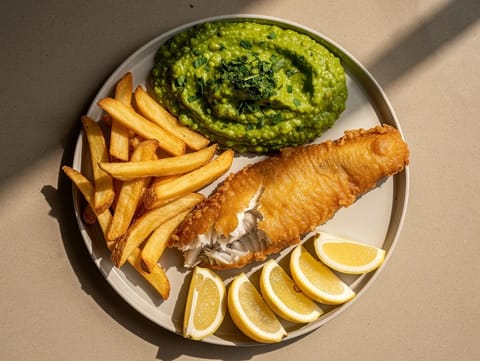
Beer-battered fish and chips with mushy peas
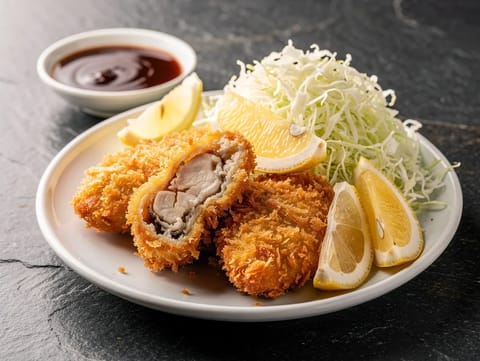
Crisp panko-breaded oysters fried until golden
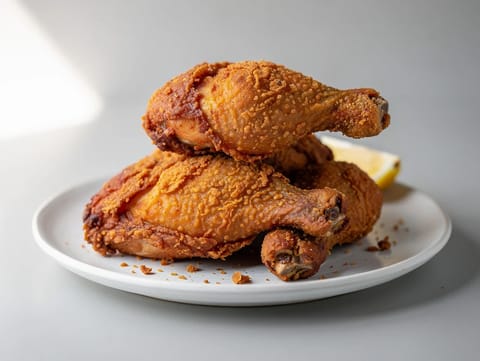
Buttermilk-brined fried chicken with a crisp seasoned coating
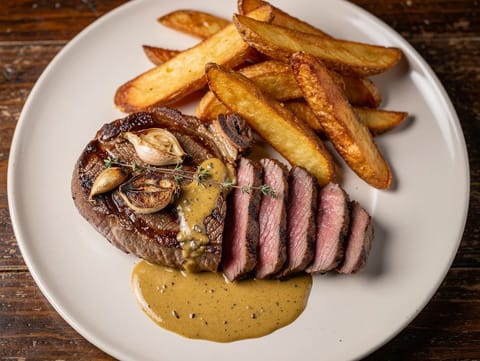
Sirloin steak with twice-cooked chips and Dijon shallot sauce
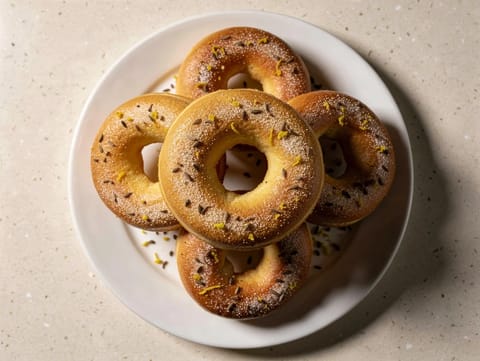
Spanish anise ring doughnuts dusted with caster sugar
A deep, heavy pan holds heat more steadily than a thin one, which helps the oil recover after you add food. A thermometer is the simplest way to avoid guesswork, especially for battered items where colour can be misleading.
A spider or slotted spoon makes lifting and draining safer and cleaner, and a rack set over a tray keeps fried food crisp by letting steam escape. If you are using an electric deep fryer, the built-in thermostat can help with temperature stability, but you still need to avoid crowding and to let the oil return to heat between batches.
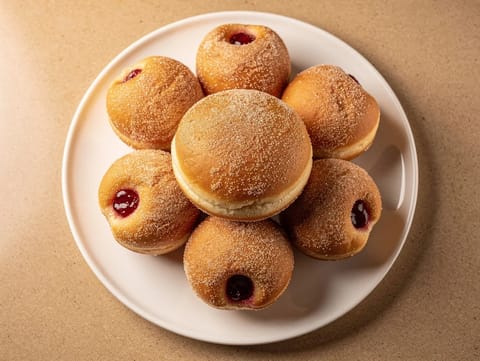
Yeasted jam doughnuts rolled in caster sugar
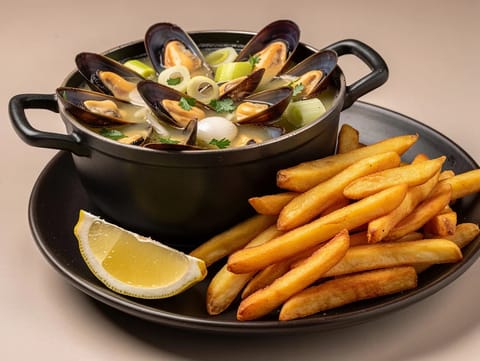
Mussels steamed in white wine, served with crisp chips
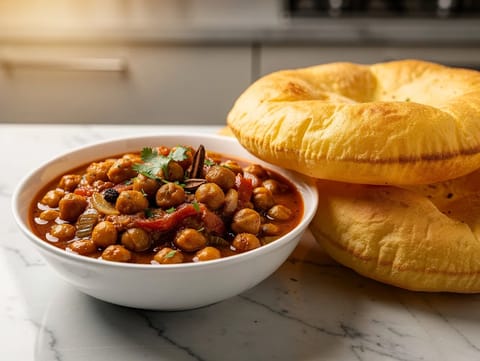
Spiced chickpeas with puffed fried bread made with yoghurt
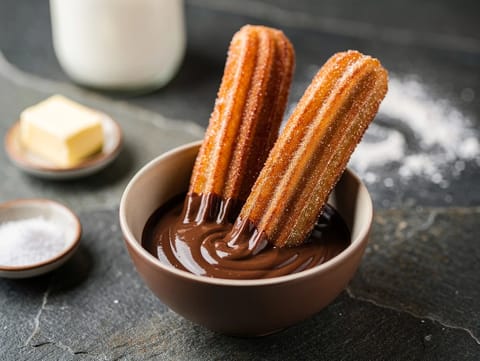
Crisp churros rolled in cinnamon sugar with chocolate dipping sauce
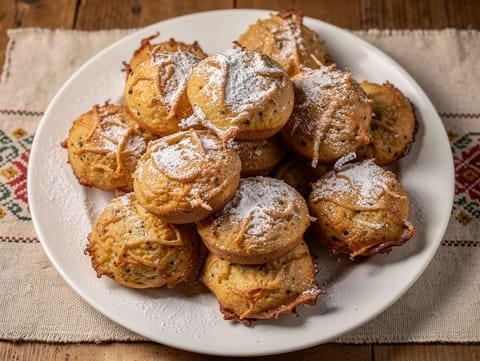
Mini apple fritters fried golden with cinnamon
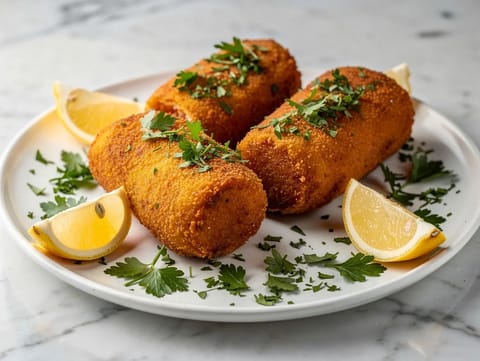
Crisp grey shrimp croquettes with nutmeg béchamel filling
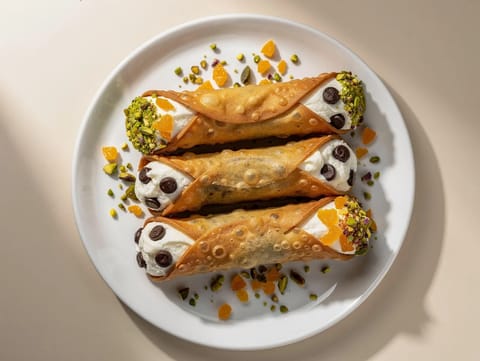
Fried cannoli filled with sweet ricotta and finished with pistachios
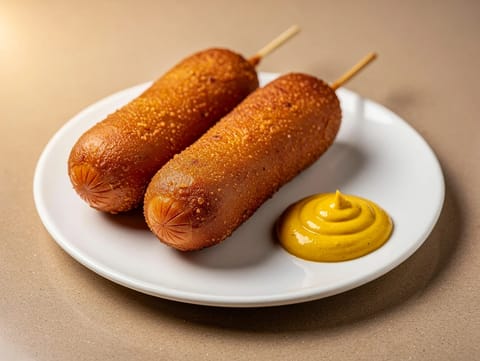
Fried cornmeal-battered frankfurters served hot with mustard
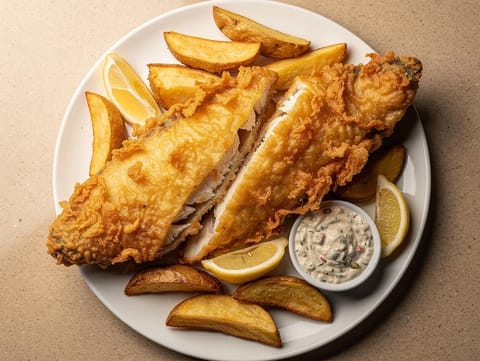
Beer-battered white fish served with chunky chips
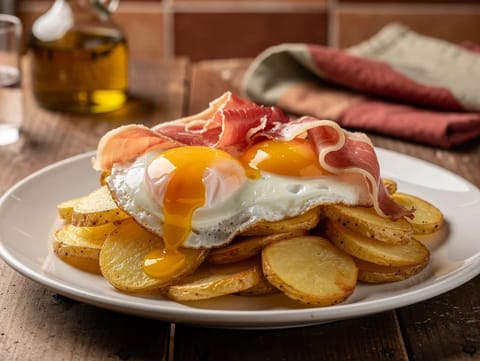
Crisp potatoes topped with runny eggs and Serrano ham
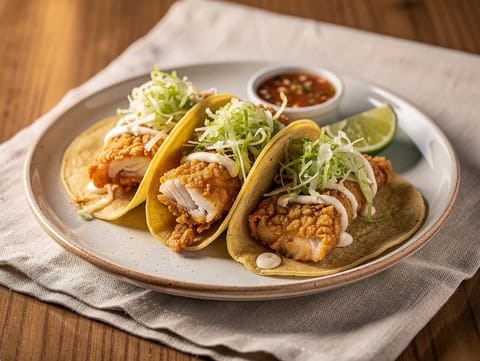
Crispy battered fish tacos with lime crema
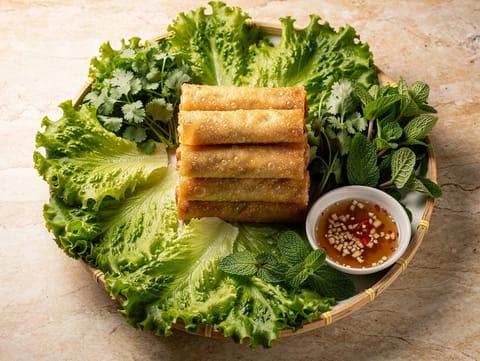
Vietnamese fried spring rolls with herbs, lettuce and nước chấm
Look for recipes that specify a coating or surface treatment suited to deep-frying: a dry flour dredge for a thin, crisp shell; a breadcrumb coating for a thicker crunch; or a batter for a lighter, puffed finish. The coating affects not just texture but also how quickly the surface browns.
Pay attention to size. Smaller, evenly cut pieces cook through more predictably than mixed shapes, and they are easier to batch without dropping the oil temperature too far. Recipes that include a resting step after coating often do so to help the coating adhere, which reduces shedding into the oil and keeps it cleaner for subsequent batches.
Oil that is too cool is the usual cause of greasiness: the coating absorbs oil before it sets. Overcrowding is a common reason oil cools down quickly, so frying in batches is often the fix.
At the other extreme, oil that is too hot browns the outside fast, leaving the centre undercooked, especially with thicker pieces. Another frequent issue is wet surfaces. Excess moisture makes oil spit and can cause coatings to slide off, so many recipes pat ingredients dry before dredging or battering.
Deep-frying is shaped by your kit and your available attention. Browsing by Equipment helps you find recipes that suit a deep pan, a thermometer, or an electric fryer. Cooking time is also useful for separating quick-fry items from recipes that include chilling, resting or a pre-cook step before the oil stage.
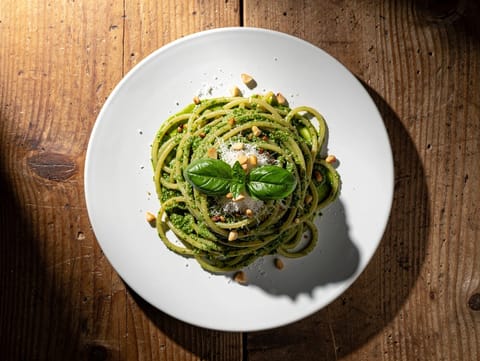
Spaghetti tossed with fresh basil pesto and Parmesan
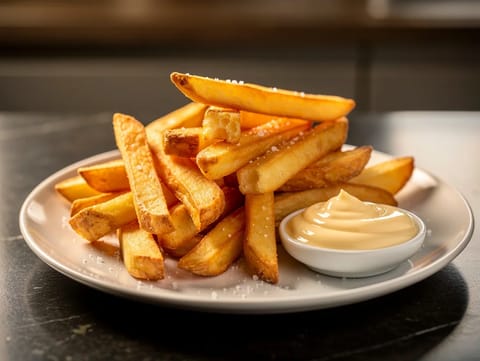
Double-fried Belgian chips served with mayonnaise
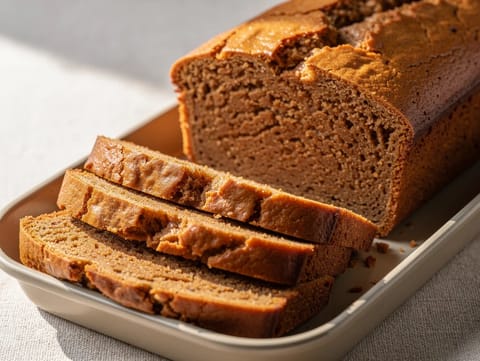
Moist spiced loaf cake made with brown sugar and milk
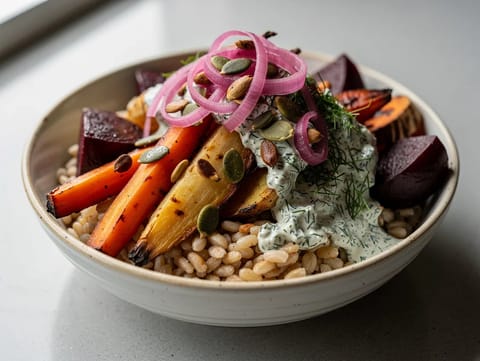
Roasted root vegetables over barley with dill yoghurt dressing
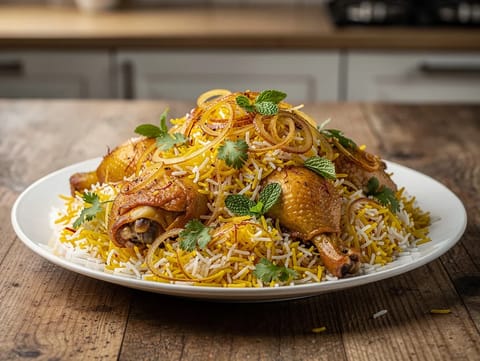
Layered Hyderabadi dum biryani with saffron, rose water and fried onions
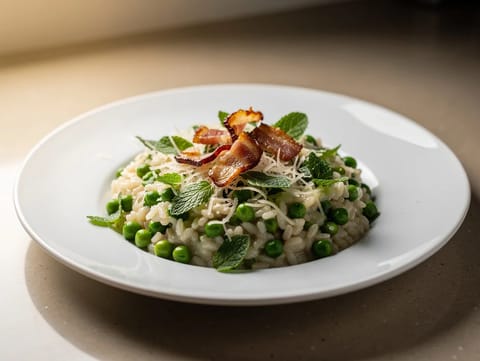
Creamy risotto with peas, mint and crispy pancetta
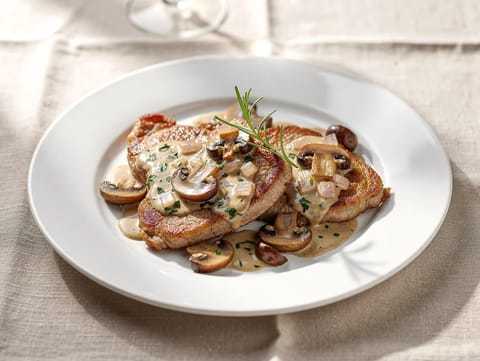
Pan-fried veal escalopes with mushroom and tarragon cream sauce
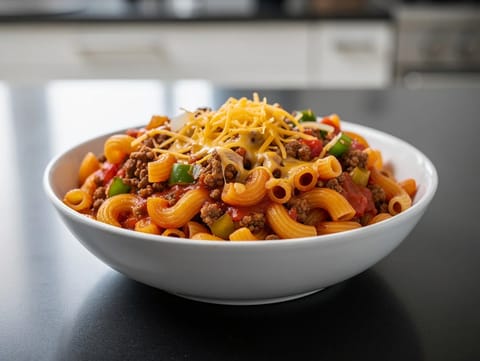
One-pot macaroni with minced beef, tomatoes and cheddar
Steam is the main culprit. If fried food is stacked or held on a plate, trapped steam softens the crust. Draining on a rack keeps air moving so the coating stays crisper.
It is not strictly required, but it makes results more consistent. Oil temperature changes quickly when food is added, and a thermometer helps you correct before the coating turns greasy or too dark.
Deep-frying submerges the food, so it cooks evenly from all sides and browns quickly. Pan-frying uses less oil and relies more on contact with the pan and turning, which can suit thinner items.
It often happens when the surface is wet, the coating was not pressed on firmly, or the coated food went straight into oil without a short rest. Gentle handling when lowering into the oil also helps.
Many cooks do, but it depends on what you fried and how hot the oil got. Straining out crumbs and avoiding scorching helps keep oil usable for longer, but always use your judgement on smell and colour.
Deep-frying rewards a simple rhythm: heat the oil properly, fry in manageable batches, and drain on a rack. Once temperature control is in place, the rest is choosing a coating and a shape that cook through at the same pace.
