
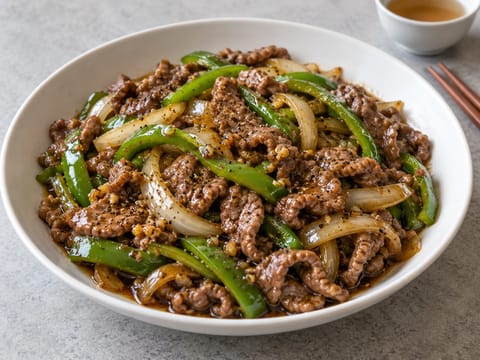
Cantonese Black Pepper Beef Stir-Fry (Peppery Beef with Peppers and Onion)
Peppery beef stir-fry with green pepper, onion and glossy sauce
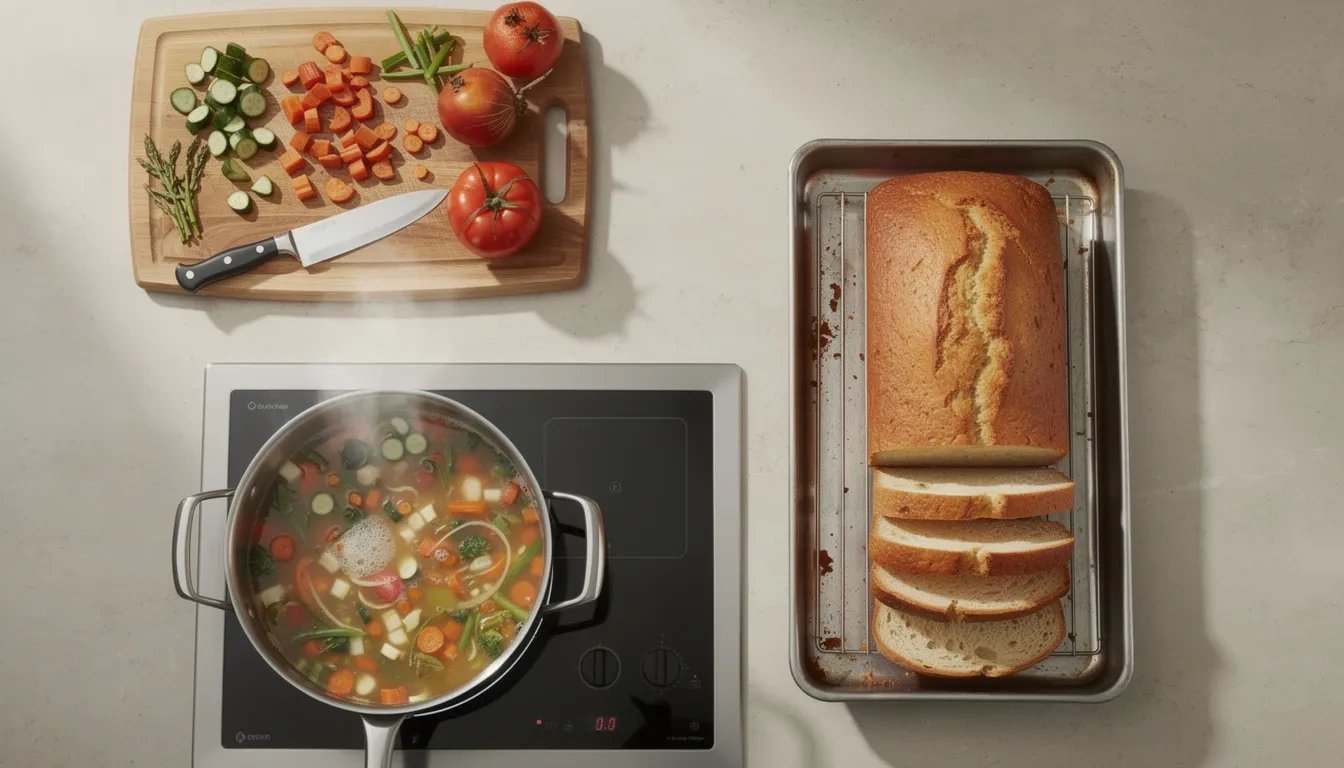
Stir-frying is fast, high-heat cooking where ingredients are cut small and kept moving so they sear without stewing. The method is as much about preparation as it is about the wok: once the pan is hot, everything happens quickly, and the order you add ingredients controls texture. Expect bright vegetables, tender slices of meat or tofu, and sauces that turn glossy as they hit the heat. When you choose a stir-fry recipe, look first at how it manages moisture, because that is what separates a crisp stir-fry from a soft sauté.
A stir-fry is built on intense heat and short cooking time. Ingredients are typically sliced or chopped for quick, even cooking, then cooked in batches or in a specific sequence so the pan stays hot. Sauces are usually added near the end, often thickened lightly so they cling rather than pool. Unlike a braise or simmer, a stir-fry is not designed to tenderise tough cuts over time; it relies on choosing naturally tender ingredients or slicing across the grain. The hallmark is contrast: crisp-tender vegetables alongside a savoury, aromatic coating, rather than a uniform, slow-cooked softness.
Peppery beef stir-fry with green pepper, onion and glossy sauce
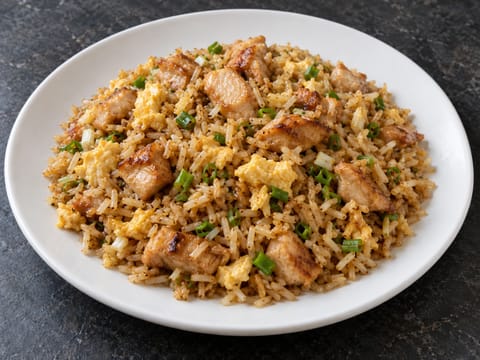
Peruvian fried rice with chicken, egg, soy sauce and sesame oil
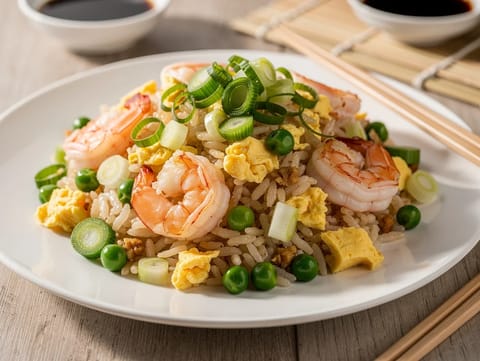
Stir-fried rice with prawns, egg, peas and spring onions
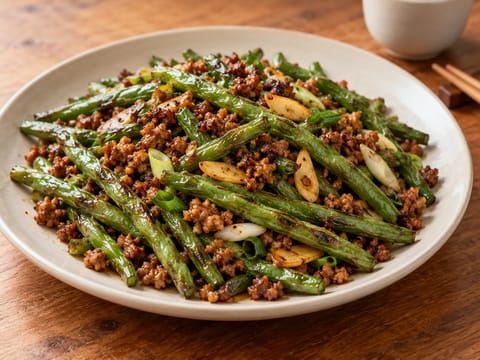
Blistered green beans stir-fried with minced pork and soy sauce
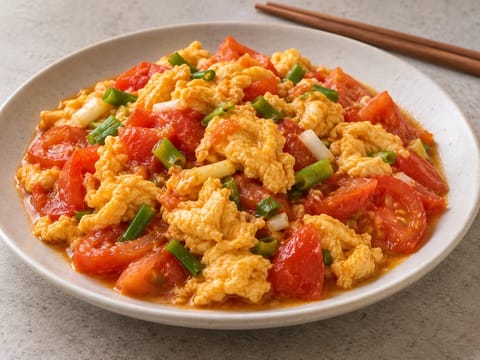
Soft eggs stir-fried with juicy tomatoes and spring onions
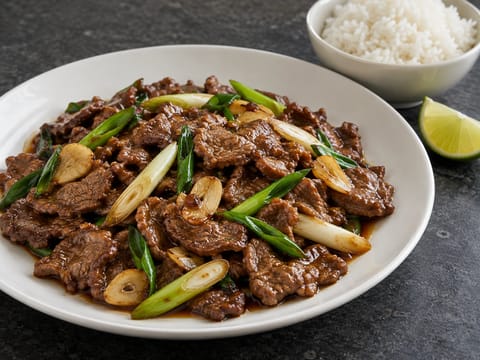
Thai beef stir-fry coated in oyster sauce and light soy
For the crispest results, choose recipes that keep the ingredient list relatively dry and use quick-cooking vegetables, or that instruct you to cook in batches. If you want a saucier dish, look for recipes that include a slurry or another thickening step, which helps the sauce turn glossy and cling to noodles, rice or vegetables. Recipes that start with aromatics, such as garlic, ginger or chillies, tend to deliver a more fragrant finish, but they also require careful heat management so those aromatics do not scorch. Finally, pay attention to cut size: thin slices and small florets suit true stir-frying, while larger pieces often signal a gentler pan-cook that happens to be served in a stir-fry style.
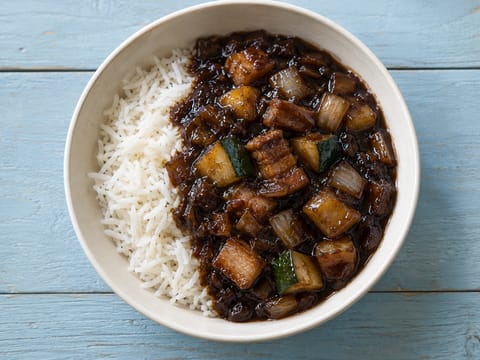
Rice with thick pork and black bean sauce
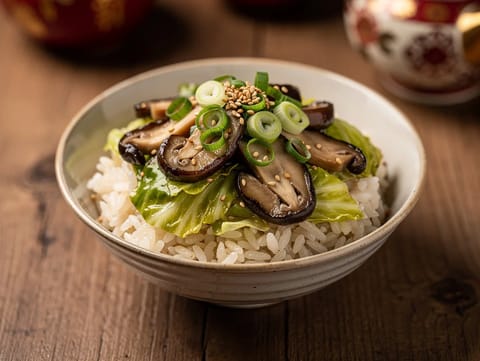
Jasmine rice with Chinese cabbage and shiitake mushrooms
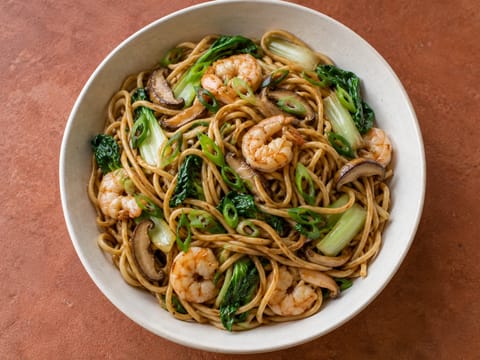
Stir-fried longevity noodles with prawns, shiitake and Chinese greens
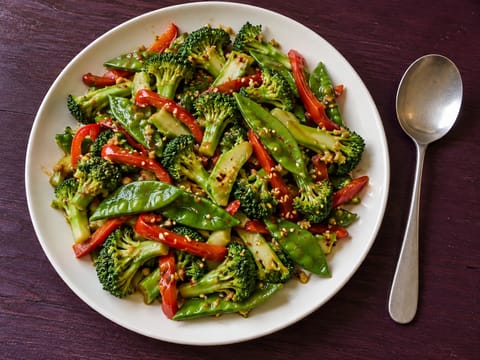
Crisp vegetables in a soy, vinegar and sesame sauce.
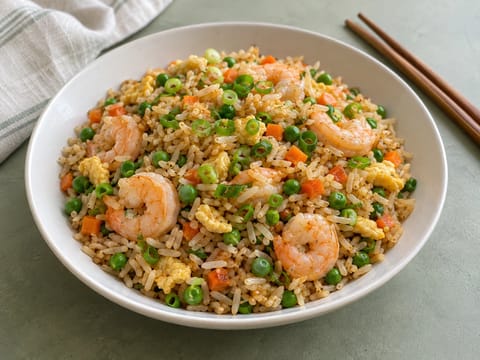
Shrimp fried rice with egg, vegetables and soy sauce.
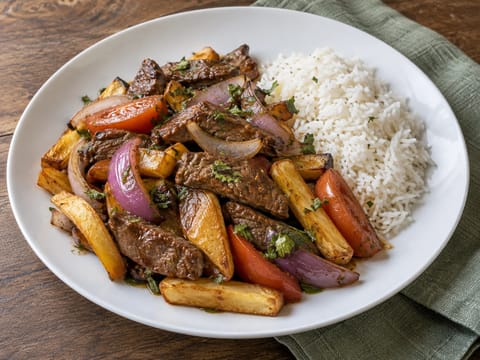
Peruvian beef stir-fry with red onion, tomatoes and soy sauce
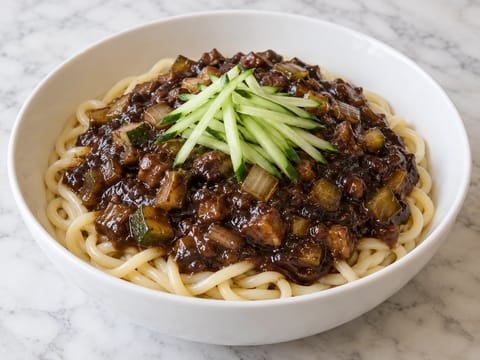
Black bean noodles with pork belly, courgette and cucumber
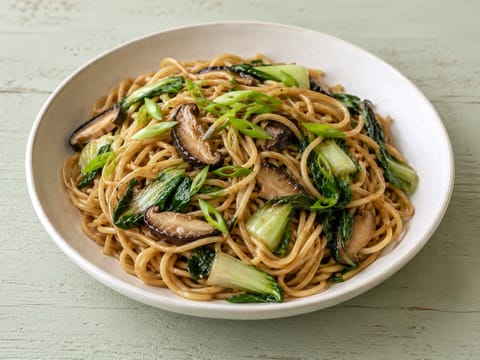
Longevity noodles with shiitake, pak choi and savoury sauce
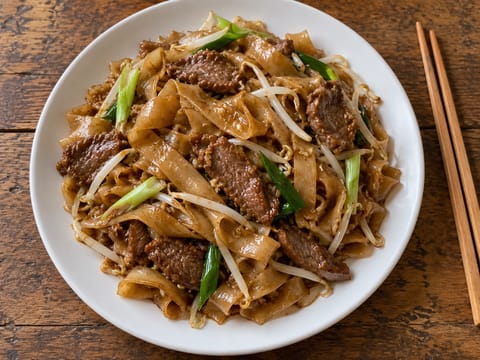
Cantonese stir-fried rice noodles with beef and beansprouts
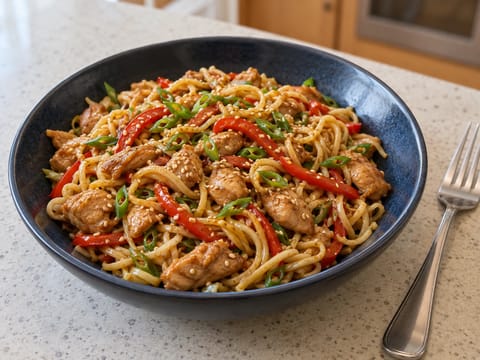
Stir-fried chicken and egg noodles in soy sesame sauce.
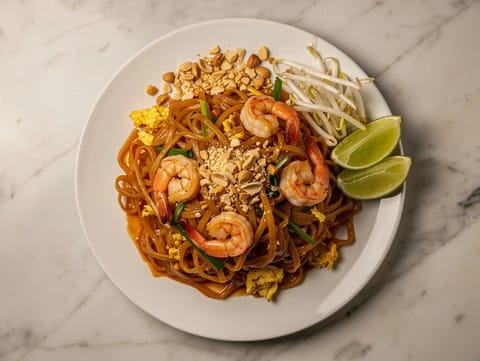
Pad Thai rice noodles with prawns, egg, peanuts and lime
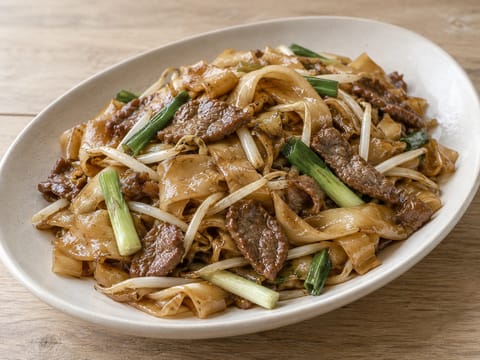
Stir-fried rice noodles with beef, beansprouts and soy sauces
A wok is designed for stir-frying because its shape concentrates heat at the base and gives you cooler sides to park ingredients briefly. That said, a wide frying pan can work well, especially on a home hob where maximum heat is limited. The key is surface area: overcrowding drops the temperature and releases moisture, pushing you towards steaming. If you are using a flat pan, choose recipes that cook in smaller batches or that accept a slightly saucier outcome. A wok ring, high-output burner or induction hob can improve control, but good mise en place and batch cooking matter more than specialist kit.
Read the ingredient prep before you start cooking. Stir-fry recipes often assume everything is sliced, measured and within reach, because there is little time to pause once the pan is hot. Drying ingredients helps: pat proteins and washed vegetables so they sear rather than weep. Keep sauces mixed and ready, especially if they include starch, which settles quickly. If the recipe includes a finishing oil, fresh herbs or a squeeze of citrus, add it off the heat. Those last touches stay brighter when they are not cooked hard in the pan.
Stir-frying is naturally time-sensitive, so Cooking time helps you find recipes that truly cook fast versus those with longer marinating or prep steps. Equipment is also useful to consider: recipes written for a wok may assume high heat and batch cooking, while frying-pan versions often build in a little more sauce to keep things moving.
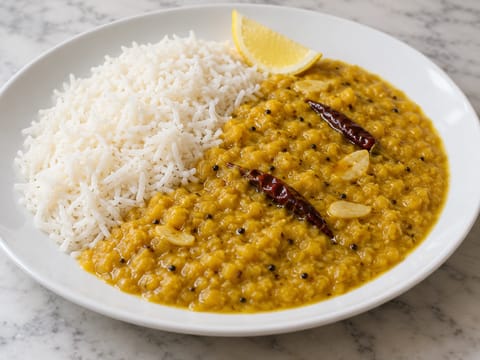
Creamy red lentil tarka dal served with basmati rice
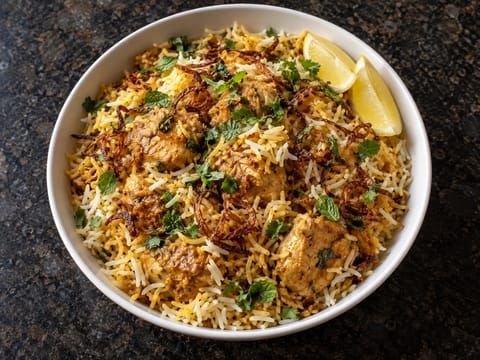
Chicken biryani bowl layered with basmati rice and onions
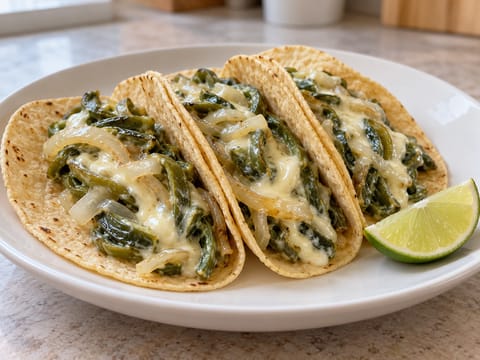
Corn tortillas filled with poblano rajas, crema and melted cheese
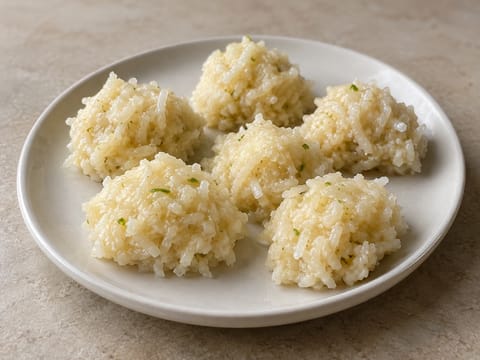
Brazilian coconut sweet cooked until thick and fudge-like
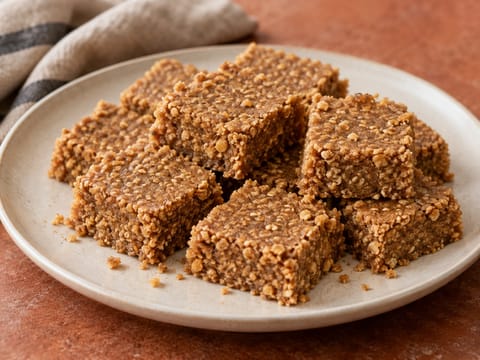
No-bake Moroccan sweet with almonds, sesame and honey
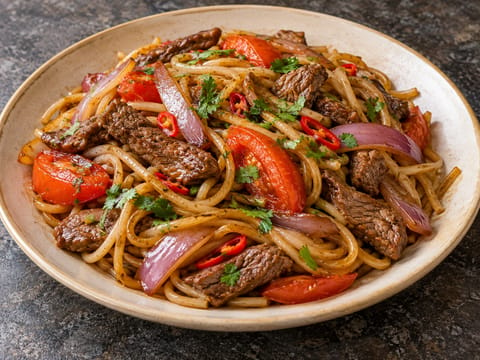
Stir-fried noodles with beef, tomato, red onion and soy
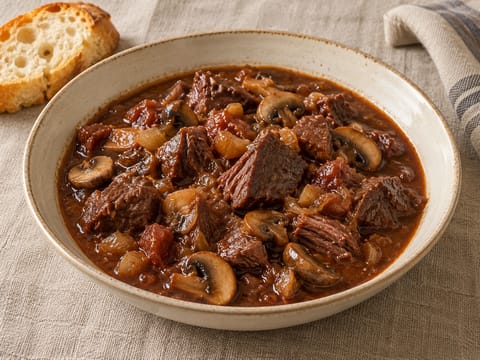
Wild boar and mushroom stew braised with red wine
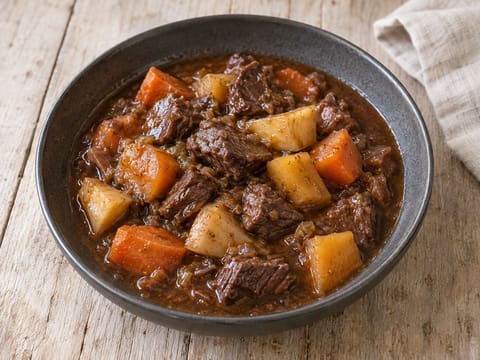
Venison casserole braised with red wine and root vegetables
Both use a hot pan, but stir-frying typically uses higher heat, smaller cuts, constant movement and very short cooking times. The goal is searing and crisp-tender texture rather than gentle softening.
Usually from overcrowding, wet ingredients, or heat that is not high enough. Moisture released into a cooler pan steams the food instead of searing it.
No, but a wok helps with heat concentration and tossing. A wide frying pan can work if you avoid crowding and are willing to cook in batches.
Typically near the end, once the main ingredients are nearly cooked. That keeps vegetables from softening too much and helps the sauce thicken and cling rather than dilute in the pan.
Batch cooking keeps the pan hot. If you add too much at once, the temperature drops and you lose the quick sear that defines stir-frying.
Add them briefly to flavour the oil, then move quickly to the next ingredients, or push them to a cooler part of the pan. Very high heat can scorch aromatics in seconds.
Choose stir-fry recipes that match your equipment and your willingness to prep before you cook. Keep ingredients dry, avoid crowding, and treat the sauce as a finishing step. That is how you get the crisp edges and glossy coating the method is known for.
