
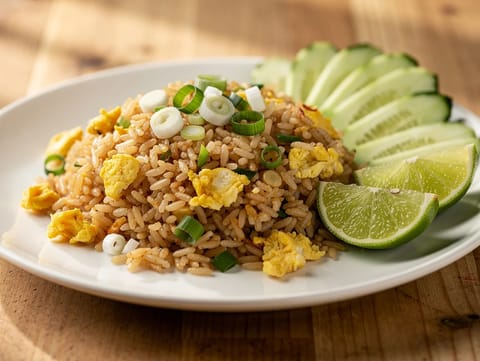
Khao Pad (Thai Fried Rice with Egg)
Thai fried rice with egg, garlic and lime

Stir-frying is fast, high-heat cooking where ingredients are cut small and kept moving so they sear without stewing. The method is as much about preparation as it is about the wok: once the pan is hot, everything happens quickly, and the order you add ingredients controls texture. Expect bright vegetables, tender slices of meat or tofu, and sauces that turn glossy as they hit the heat. When you choose a stir-fry recipe, look first at how it manages moisture, because that is what separates a crisp stir-fry from a soft sauté.
A stir-fry is built on intense heat and short cooking time. Ingredients are typically sliced or chopped for quick, even cooking, then cooked in batches or in a specific sequence so the pan stays hot. Sauces are usually added near the end, often thickened lightly so they cling rather than pool. Unlike a braise or simmer, a stir-fry is not designed to tenderise tough cuts over time; it relies on choosing naturally tender ingredients or slicing across the grain. The hallmark is contrast: crisp-tender vegetables alongside a savoury, aromatic coating, rather than a uniform, slow-cooked softness.
Thai fried rice with egg, garlic and lime
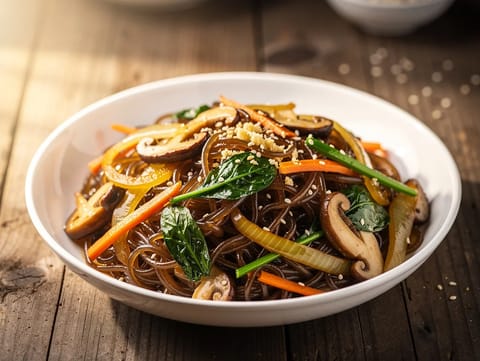
Glass noodles tossed with stir-fried vegetables and sesame dressing
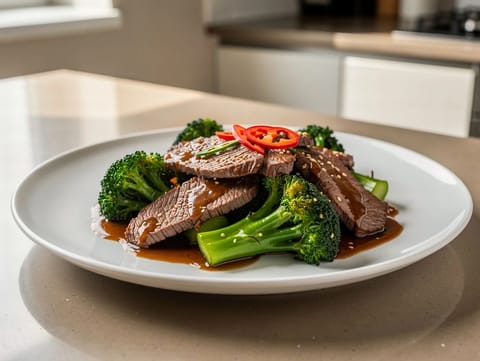
Quick beef and broccoli stir-fry with oyster sauce
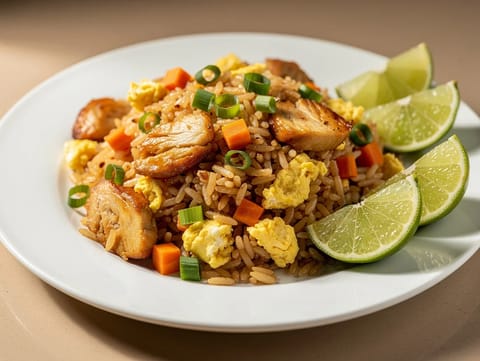
Thai fried rice with chicken, egg and jasmine rice
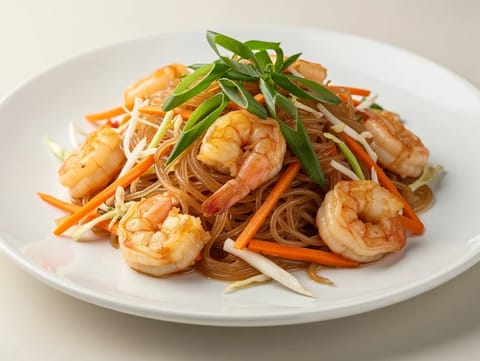
Thai glass noodle stir-fry with prawns, egg and vegetables
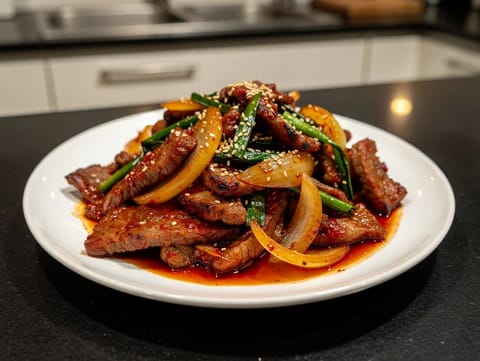
Spicy Korean pork stir-fry with onion and spring onions
For the crispest results, choose recipes that keep the ingredient list relatively dry and use quick-cooking vegetables, or that instruct you to cook in batches. If you want a saucier dish, look for recipes that include a slurry or another thickening step, which helps the sauce turn glossy and cling to noodles, rice or vegetables. Recipes that start with aromatics, such as garlic, ginger or chillies, tend to deliver a more fragrant finish, but they also require careful heat management so those aromatics do not scorch. Finally, pay attention to cut size: thin slices and small florets suit true stir-frying, while larger pieces often signal a gentler pan-cook that happens to be served in a stir-fry style.
Fried tempeh tossed with shallots, garlic, chilli, tamarind and palm sugar glaze
Egg noodles stir-fried with prawns, cabbage, sweet soy sauce and lime
Pad krapow gai with minced chicken, garlic, chillies and Thai basil
Indian vegetable stir-fry with peppers, onion and cauliflower in spiced tomato
Shrimp fried rice with jasmine rice, egg, peas, carrots and soy sauce.
Pad prik king with pork and green beans, finished with fish sauce and palm sugar
Pan-seared salmon in soy glaze served over jasmine rice with pak choi
Quick stir-fried napa cabbage with garlic and ginger, served with jasmine rice
Quick beef stir-fry with red onion and tomatoes, finished with soy sauce and vinegar
Minced chicken stir-fried with chilli and Thai basil, served over jasmine rice
Minced pork pad krapow moo with garlic, chillies and Thai basil
Sticky gochujang minced chicken in crisp lettuce cups with spring onions, sesame and lime
A wok is designed for stir-frying because its shape concentrates heat at the base and gives you cooler sides to park ingredients briefly. That said, a wide frying pan can work well, especially on a home hob where maximum heat is limited. The key is surface area: overcrowding drops the temperature and releases moisture, pushing you towards steaming. If you are using a flat pan, choose recipes that cook in smaller batches or that accept a slightly saucier outcome. A wok ring, high-output burner or induction hob can improve control, but good mise en place and batch cooking matter more than specialist kit.
Read the ingredient prep before you start cooking. Stir-fry recipes often assume everything is sliced, measured and within reach, because there is little time to pause once the pan is hot. Drying ingredients helps: pat proteins and washed vegetables so they sear rather than weep. Keep sauces mixed and ready, especially if they include starch, which settles quickly. If the recipe includes a finishing oil, fresh herbs or a squeeze of citrus, add it off the heat. Those last touches stay brighter when they are not cooked hard in the pan.
Stir-frying is naturally time-sensitive, so Cooking time helps you find recipes that truly cook fast versus those with longer marinating or prep steps. Equipment is also useful to consider: recipes written for a wok may assume high heat and batch cooking, while frying-pan versions often build in a little more sauce to keep things moving.
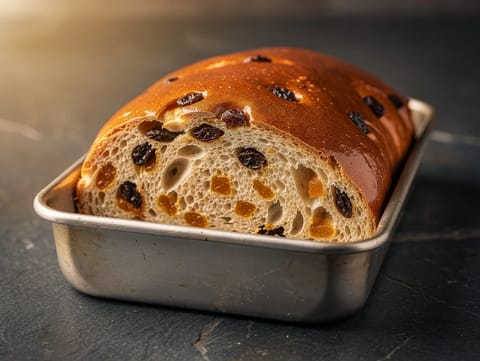
Norwegian Christmas bread with raisins, peel and cardamom
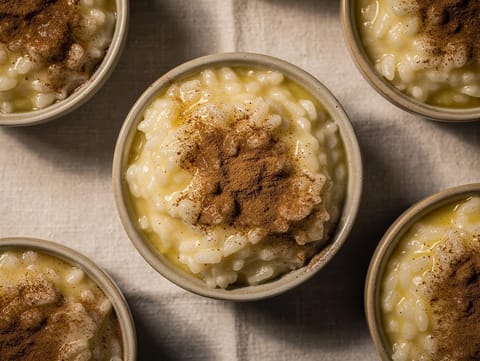
Portuguese rice pudding with cinnamon, egg yolks and lemon zest
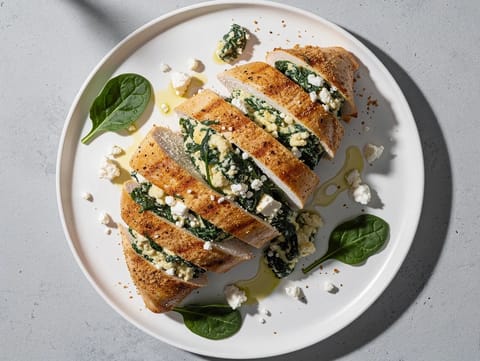
Chicken stuffed with spinach and feta, cooked in the air fryer.
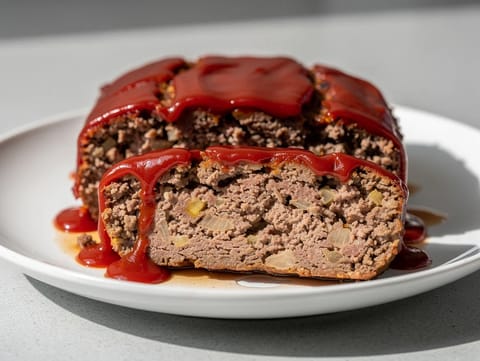
Meatloaf with minced beef, onion and ketchup glaze
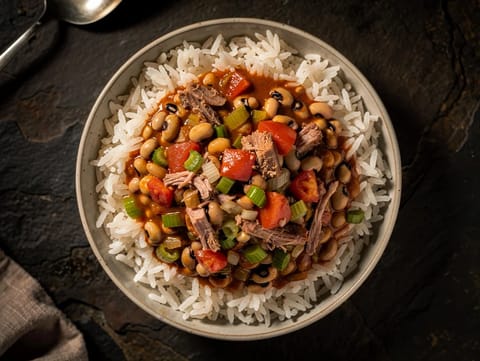
Black-eyed pea stew with smoked ham hock and tomatoes
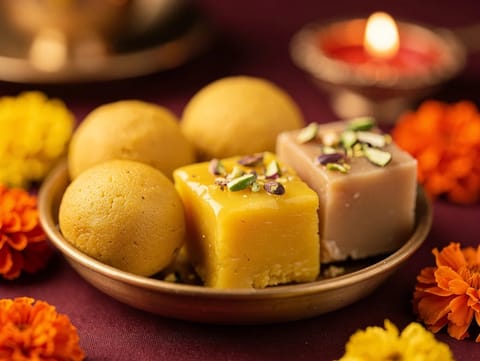
Diwali sweets platter with besan ladoo, coconut barfi and cashew fudge
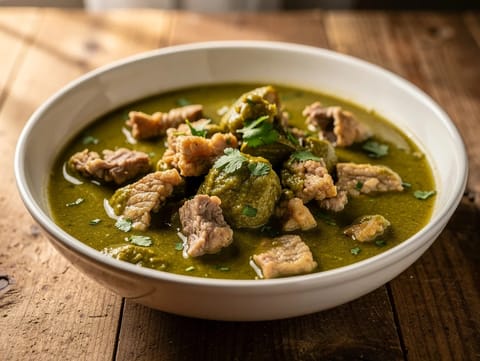
Pork rinds softened in tangy tomatillo and green chilli sauce
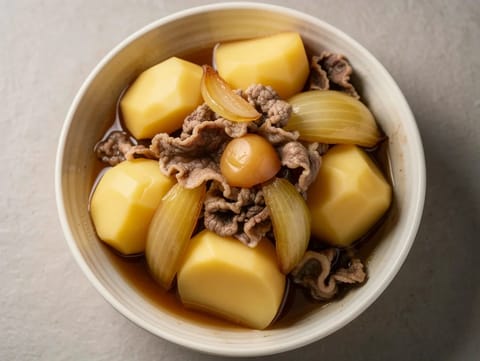
Japanese beef stew with potatoes and onion in a savoury broth
Both use a hot pan, but stir-frying typically uses higher heat, smaller cuts, constant movement and very short cooking times. The goal is searing and crisp-tender texture rather than gentle softening.
Usually from overcrowding, wet ingredients, or heat that is not high enough. Moisture released into a cooler pan steams the food instead of searing it.
No, but a wok helps with heat concentration and tossing. A wide frying pan can work if you avoid crowding and are willing to cook in batches.
Typically near the end, once the main ingredients are nearly cooked. That keeps vegetables from softening too much and helps the sauce thicken and cling rather than dilute in the pan.
Batch cooking keeps the pan hot. If you add too much at once, the temperature drops and you lose the quick sear that defines stir-frying.
Add them briefly to flavour the oil, then move quickly to the next ingredients, or push them to a cooler part of the pan. Very high heat can scorch aromatics in seconds.
Choose stir-fry recipes that match your equipment and your willingness to prep before you cook. Keep ingredients dry, avoid crowding, and treat the sauce as a finishing step. That is how you get the crisp edges and glossy coating the method is known for.
