
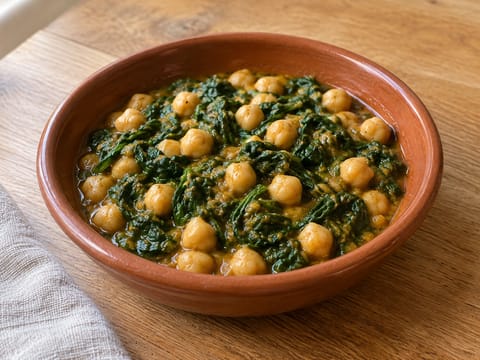
Espinacas con Garbanzos (Sevillian Spinach and Chickpeas)
Sevillian spinach and chickpea stew thickened with toasted bread
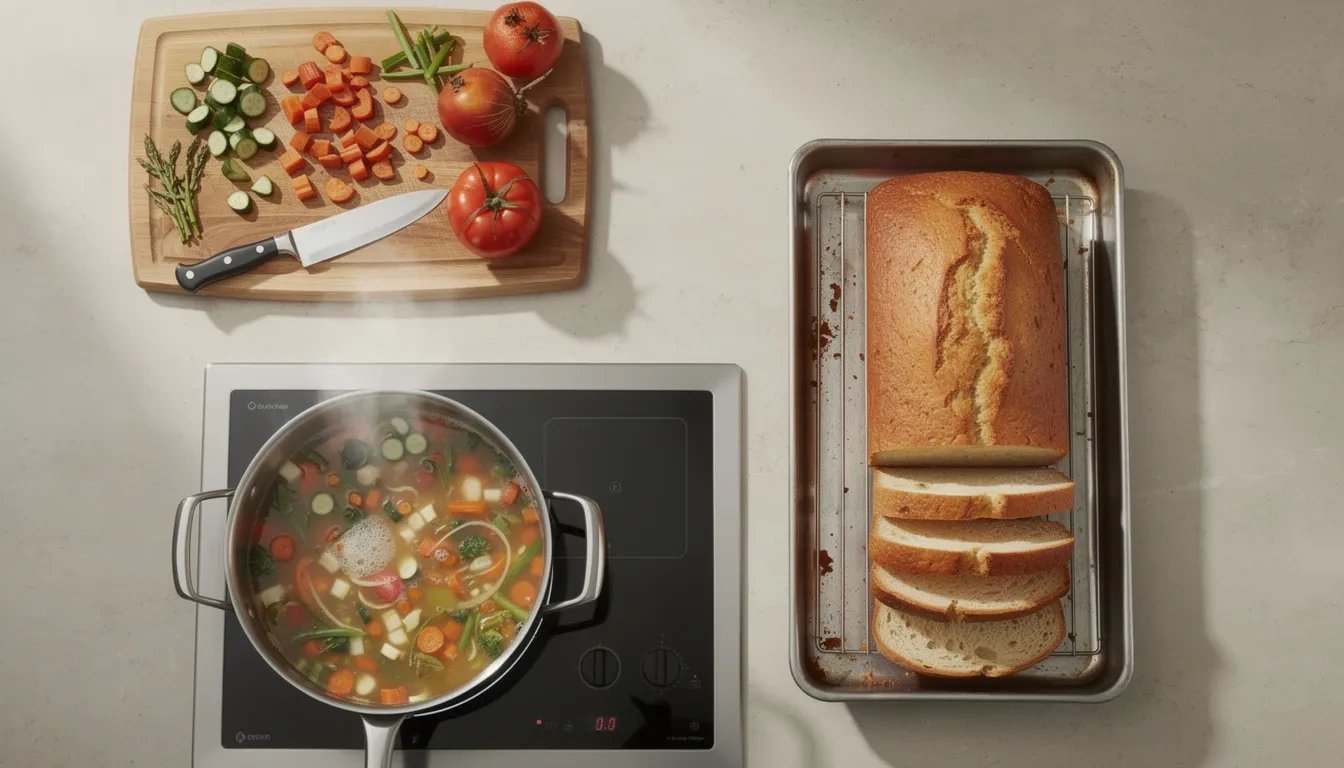
Toasting is brief dry heat that drives off surface moisture and triggers browning, giving foods a deeper aroma and a crisper bite. It can be as simple as bread in a toaster, but the same idea applies to nuts, seeds, spices, breadcrumbs and grains. Because toasted ingredients keep their flavour for a while, this is a method that suits small bits of advance prep: a jar of toasted nuts or a batch of browned breadcrumbs can change the finish of many dishes with very little extra work.
Toasting is about controlled browning. As the surface heats, aromas shift from raw and grassy to nutty and roasted, and textures become crisper and drier. The effect is strongest on ingredients with natural sugars and proteins, such as bread, nuts and many grains, but even spices and dried chillies can become more fragrant with a short toast. Toasting is not the same as drying: you are aiming for colour and aroma, not simply removing moisture. That is why the line between golden and burnt matters. Once an ingredient is scorched, bitterness can dominate and is hard to mask in the finished dish.
Sevillian spinach and chickpea stew thickened with toasted bread
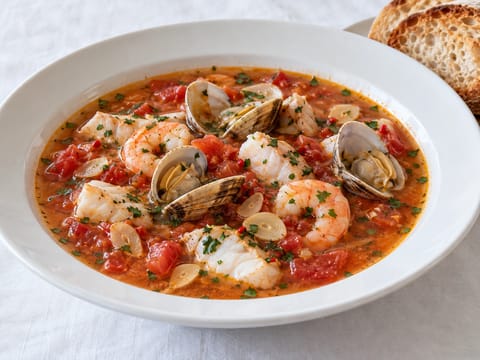
Venetian fish soup with mixed seafood in tomato and white wine
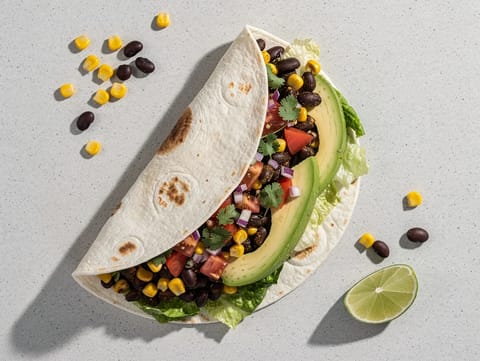
Toasted wraps filled with black beans, avocado and tomato salsa
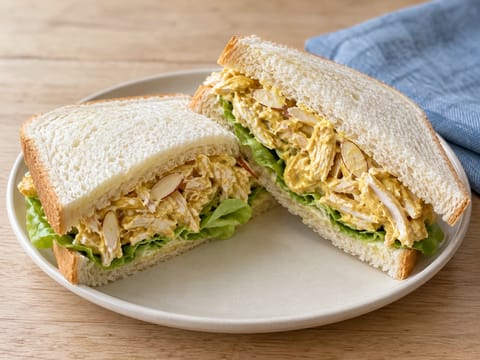
Coronation chicken sandwich with mango chutney, almonds and lettuce
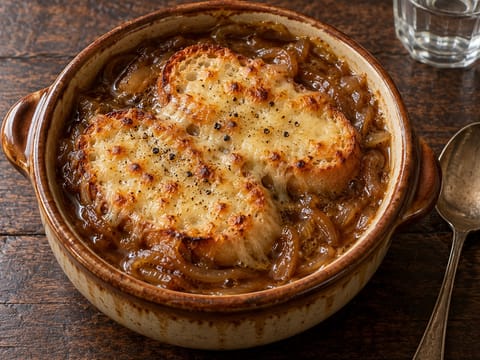
French onion soup gratin with Gruyère and baguette
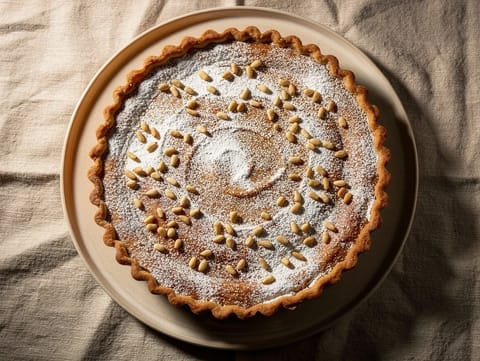
Lemon custard tart topped with pine nuts
If you like to plan ahead, toast ingredients that are used as toppings or mix-ins: nuts and seeds for salads and yoghurt, breadcrumbs for pasta and gratins, or spices for rubs and curries. Let toasted items cool fully before storing, because trapped warmth can soften crispness and dull aroma. Keep batches modest so you can use them while the flavour is still lively. When a recipe calls for toasting and then grinding, toast first and grind after cooling; warm spices can clump and turn pasty in some grinders. A quick label with the date helps you rotate through what you have made.
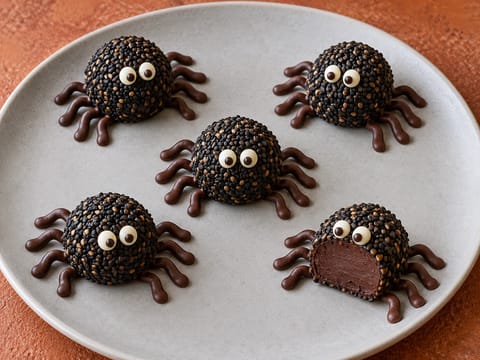
Black sesame chocolate truffles with seed-coated bodies and Halloween faces
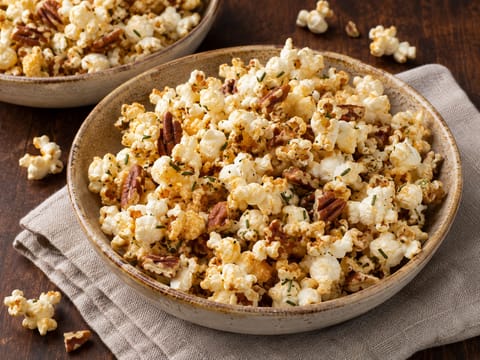
Crisp maple-rosemary popcorn with toasted pecans and a salty finish
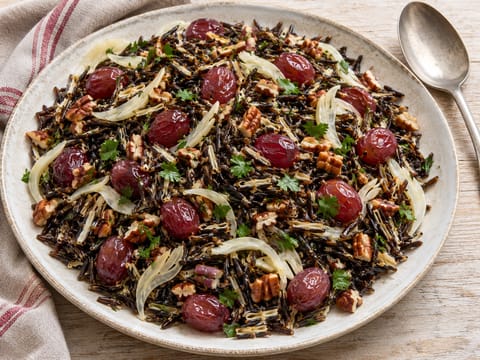
Wild rice salad with roasted grapes and toasted pecans
A toaster is convenient for bread, but the oven is more flexible for larger pieces, open-faced toasts and trays of nuts or breadcrumbs. The hob is fastest for spices, seeds and small quantities, because you can shake the pan and stop the heat instantly by tipping everything out. Whichever method you use, choose a light-coloured tray or pan when possible; it is easier to judge browning. If you are toasting oily nuts or seeds, a dry pan is usually enough. Adding fat changes the method towards frying and can speed browning unpredictably.
Walking away is the classic error. Toasting moves quickly once browning starts, and residual heat continues cooking even after you turn off the flame or remove a tray from the oven. Another pitfall is uneven thickness: mixed sizes toast at different rates, so recipes that specify a chop size are trying to keep timing consistent. Overcrowding also slows browning and encourages steaming, especially with breadcrumbs. Finally, do not toast spices until they are very dark to “make them stronger”. Many spices become harsh when over-toasted; aim for fragrance and a shade deeper, not blackened edges.
Toasting is quick, but it is also easy to overshoot, so browsing by Difficulty can help you find recipes that match how closely you want to watch the pan or oven. Cooking time is useful too, especially for recipes that include toasting as a small step within a longer bake or simmer.
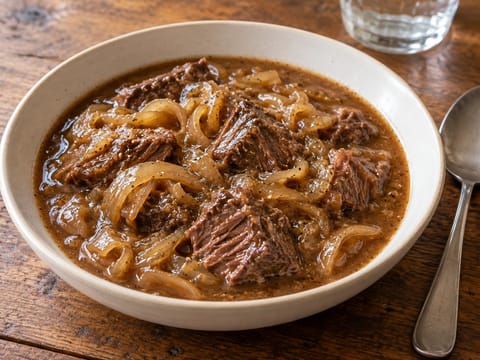
Westphalian pepper beef stew with onions and vinegar
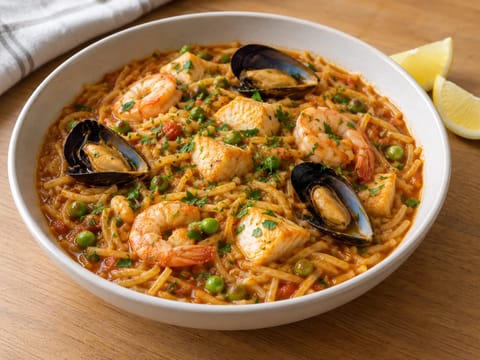
Catalan fideos casserole with seafood in tomato and saffron broth
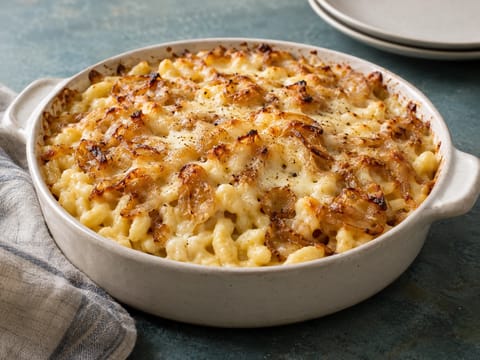
German cheese noodles with caramelised onions and black pepper
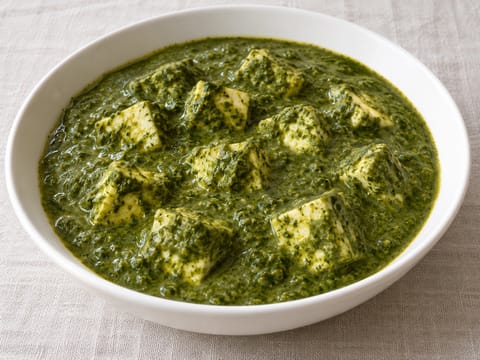
Smooth spinach curry with paneer
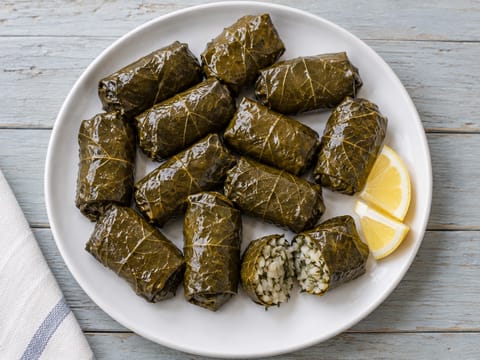
Vine leaves rolled with herbed rice, simmered and finished with lemon
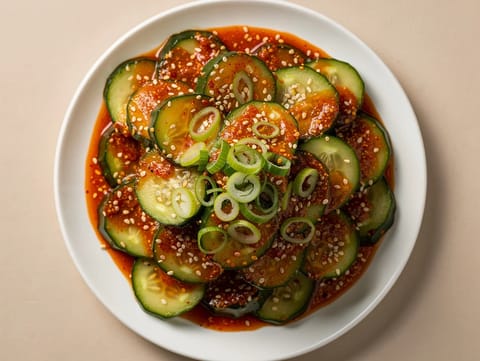
Chilled Korean cucumber salad with gochugaru and sesame oil

Clear pork broth noodle soup with minced pork and prawns
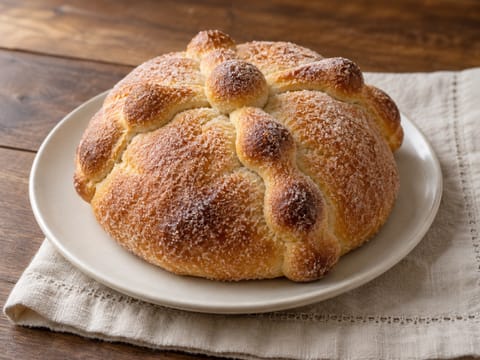
Soft orange-scented sweet bread brushed with butter and coated in sugar
Many: nuts, seeds, spices, breadcrumbs and some grains are commonly toasted to deepen aroma and add crunch or a roasted note.
A brief toast can wake up aroma by warming the oils in the spices. It is usually done quickly and stopped as soon as the spices smell fragrant.
Tip them out of the hot pan or off the tray straight away so residual heat does not keep cooking them. Leaving them in the pan is a common cause of over-toasting.
They are related, but toasting is usually shorter and focused on surface browning and aroma, often for smaller items or thinner pieces. Roasting is typically longer and can cook food through as well as brown it.
They may be too crowded or the heat may be too low, causing them to dry slowly rather than brown. Spreading them out and using a hotter oven or pan helps them toast evenly.
Often, yes. Toasted nuts, seeds and breadcrumbs can be prepared ahead and used as finishing touches. Cool them fully before storing so they stay crisp and aromatic.
When a recipe includes toasting, treat it as a flavour step, not a formality. Choose the tool that gives you control, watch for the moment it turns fragrant, and cool toasted ingredients promptly. A little advance toasting can make everyday dishes taste more complete.
