
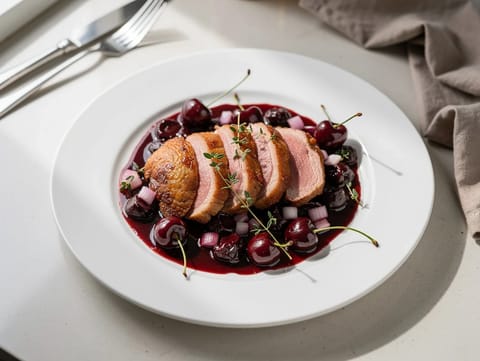
Pan-Seared Duck Breast with Cherry Bourbon Sauce
Pan-seared duck with cherry bourbon pan sauce

Date night food is as much about pacing as flavour. The most suitable recipes are the ones that give you time to talk: dishes that can be prepped ahead, cooked without constant attention, and served in a way that feels intentional. A small starter, a main with a clear timing cue, and a dessert you can plate quickly is often all you need. Rather than chasing complexity, look for recipes that deliver contrast, such as crisp with creamy, or rich with something sharp, and that don’t leave you stuck at the hob while everything cools.
Date night recipes tend to be a little more composed than everyday cooking, but they are rarely the most labour-intensive things you could make. They often feature a presentational element, such as a neatly plated portion, a glossy sauce, or a finishing touch added at the table. The food usually benefits from being served in courses, even if the courses are simple.
In practical terms, date night cooking favours recipes that are predictable: a sauce that can be made and held, a protein that rests well, or a dessert that sets in the fridge. It also suits dishes that are satisfying without being heavy, because the meal is meant to unfold at a comfortable pace rather than end in a rush to clear plates.
Pan-seared duck with cherry bourbon pan sauce
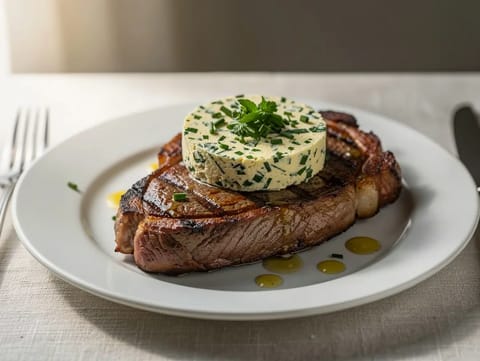
Grilled entrecôte with melting Café de Paris butter
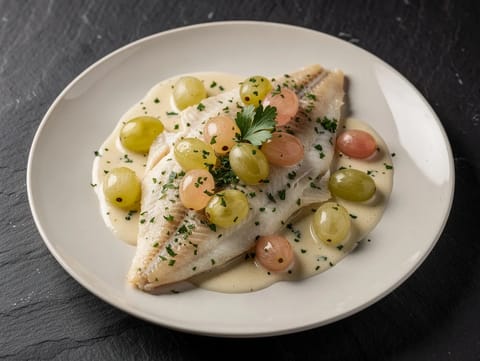
Poached sole with grapes in a white wine cream sauce
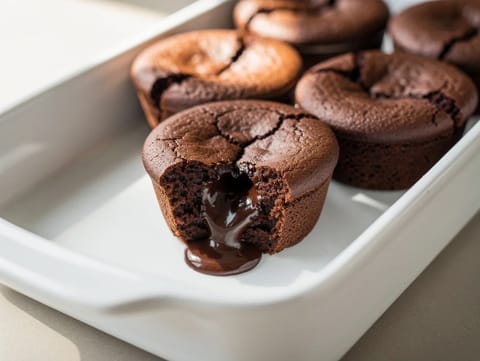
Warm chocolate cakes with a molten centre
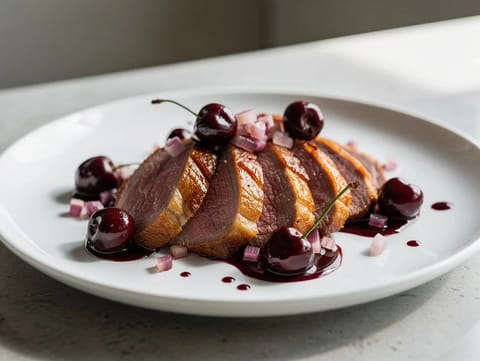
Pan-seared duck breast served with cherry and red wine sauce
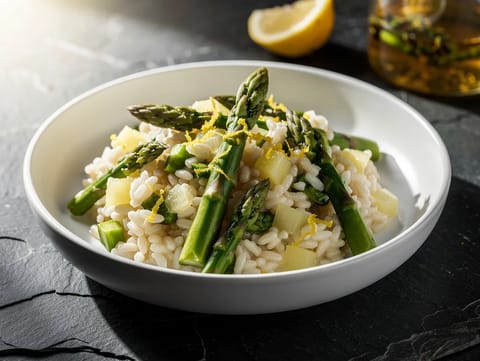
Creamy lemon and asparagus risotto finished with butter and Parmesan
If you want low-stress elegance, choose recipes with make-ahead components: a chilled starter, a slow-cooked or oven-roasted main, and a dessert that can be portioned in advance. If you enjoy cooking together, pick interactive dishes where the work is shared and the serving is informal, such as assembling a platter, rolling wraps, or finishing a dish with toppings at the table.
For a restaurant-style feel, look for a strong sauce or dressing and a clear contrast on the plate: something crisp (salad, roasted vegetables, toasted nuts) against something soft (purée, risotto-style grains, creamy beans). If you are short on time, a single-pan main with a bright finishing element, such as lemon, herbs or a sharp relish, can still feel special.
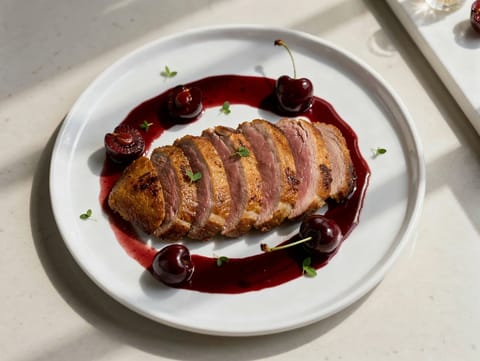
Crisp-skinned duck breast with a quick cherry sauce
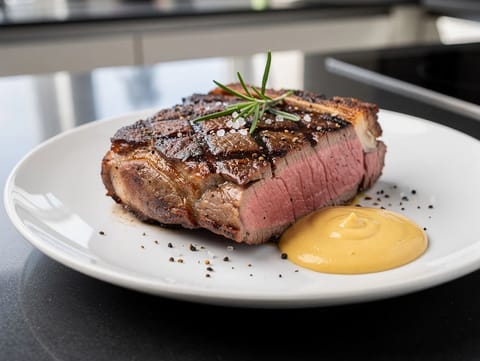
Côte de bœuf served with warm tarragon béarnaise
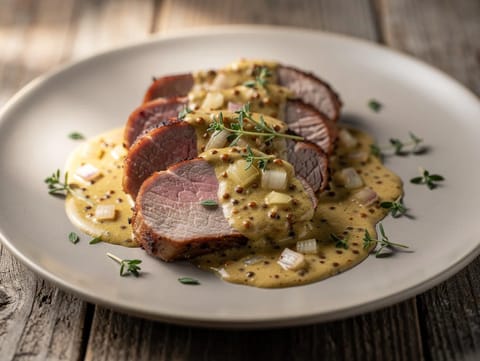
Pan-seared pork in a Dijon mustard and cream sauce
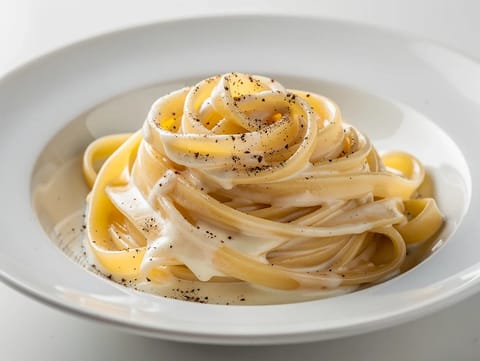
Fettuccine in a silky butter and Parmesan sauce
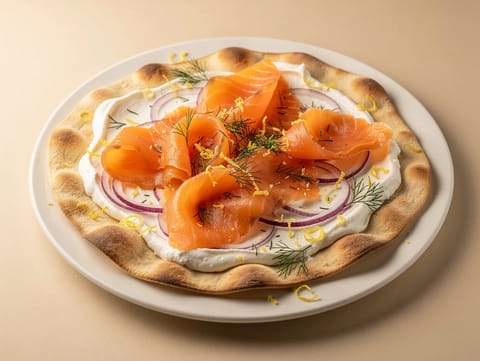
Crisp tarte flambée with smoked salmon, red onion and dill
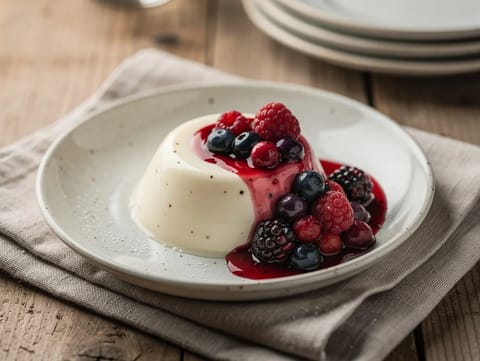
Silky vanilla panna cotta with berry compote
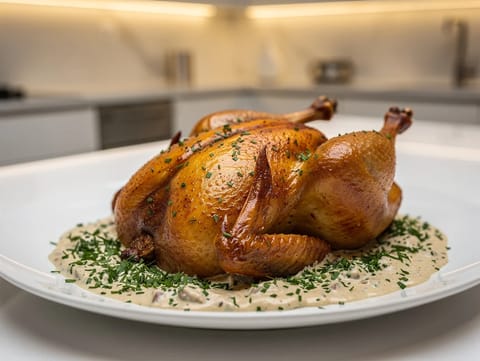
Roast chicken with tarragon cream sauce
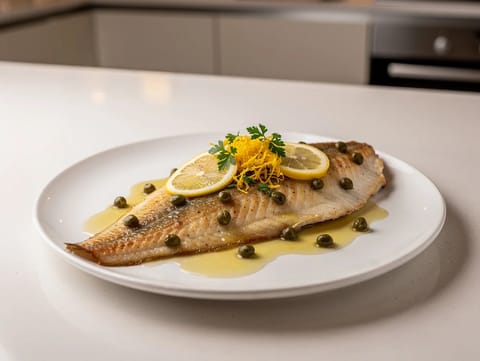
Pan-seared Dover sole with lemony caper butter
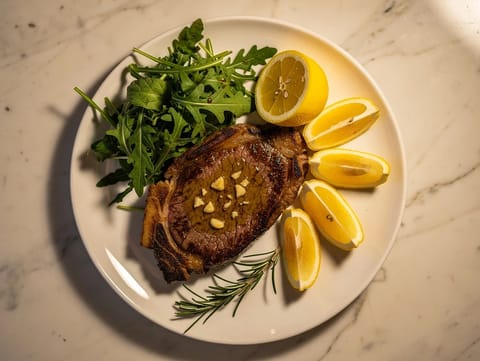
Pan-seared ribeye with garlic butter and rocket salad
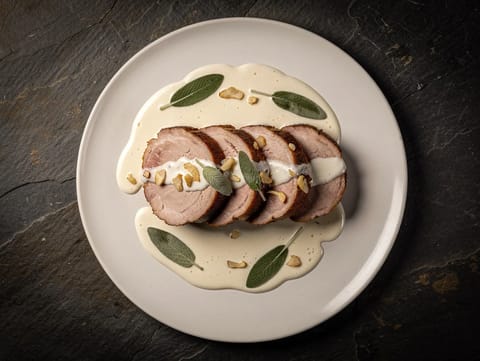
Pork loin simmered in milk with garlic and sage
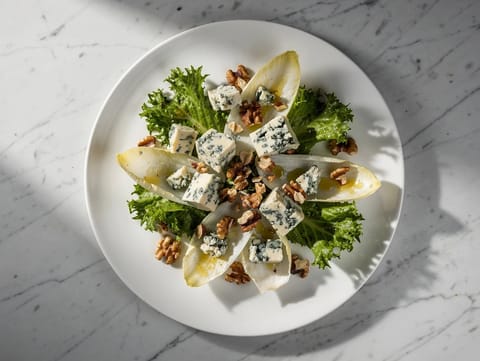
Crisp endive salad with walnuts, Roquefort and vinaigrette
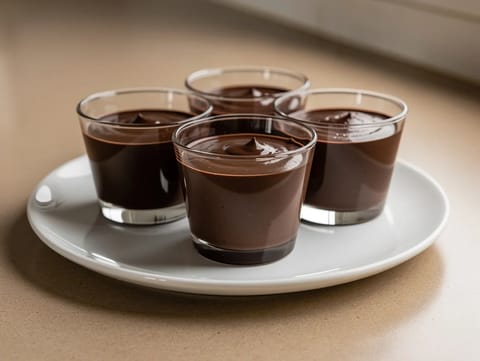
Chilled dark chocolate mousse folded with cream and egg whites
Avoid menus where every element is at its best for only a minute or two. Fried items, delicate soufflés and anything that must be served immediately can be wonderful, but they can also pull you away from the table. Instead, choose mains that rest well and sides that can be warmed through.
Set yourself up for smooth plating. Warm plates for hot food, keep garnishes ready, and finish with one high-impact touch: a drizzle of herb oil, shaved cheese, toasted crumbs, or a squeeze of citrus. If you are serving wine or cocktails, consider salt and acidity in the food; they change how drinks taste. A small, not-too-sweet dessert often sits more comfortably after a rich main than a very heavy pudding.
Browsing by Course helps you shape date night into a simple sequence: a starter you can prep early, a main with a clear finish, and a dessert that plates neatly. If you want the meal to match the time of year, Season is a useful guide for choosing lighter spring and summer dishes or more warming autumn and winter cooking.
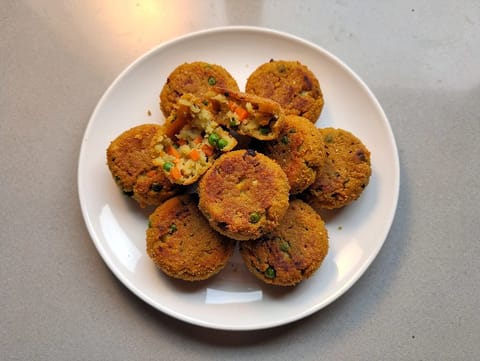
Crisp vegetable cutlets with potato, carrots, peas and breadcrumbs

Spiced vodka infused with caraway, dill seed, fennel and lemon
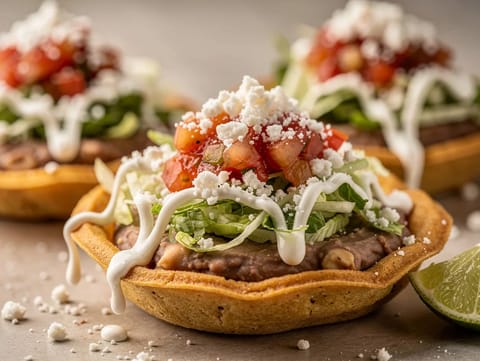
Thick masa cakes topped with beans, lettuce, salsa and cotija
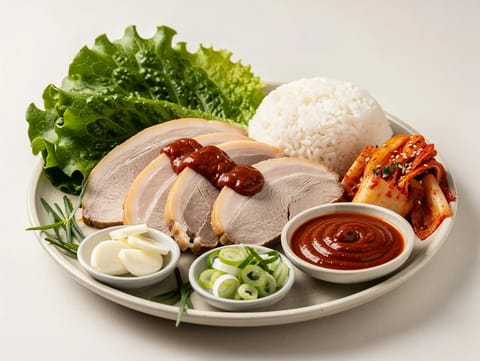
Boiled pork belly lettuce wraps with rice, kimchi and ssamjang
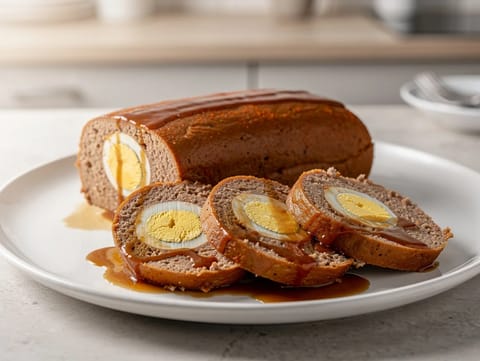
German stuffed meatloaf baked with hard-boiled eggs inside
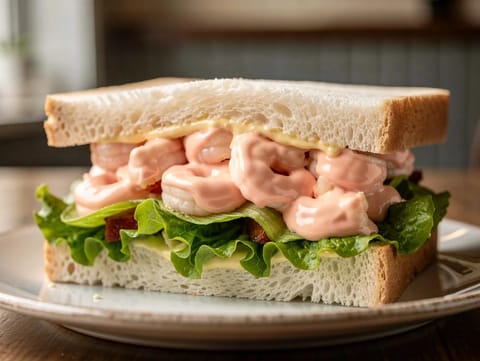
Prawn sandwich with Marie Rose sauce and crisp lettuce
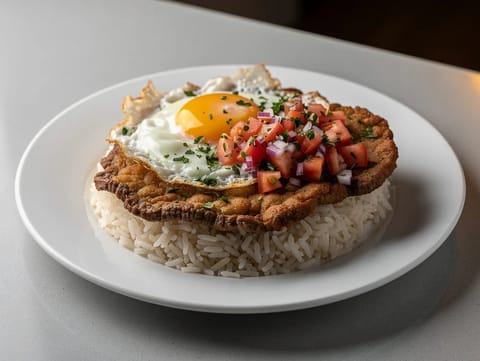
Breaded beef over rice topped with a fried egg and salsa
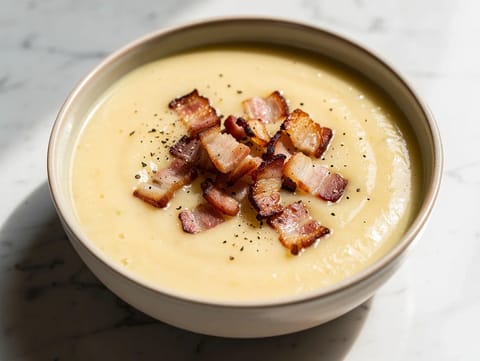
Creamy potato soup topped with crisp bacon
No. The defining feature is flow: recipes that you can time calmly and serve with intention. A simple dish with a good sauce and a neat finish often reads as special.
A small starter, a main that doesn’t need constant attention, and a dessert you can plate quickly. That structure keeps the evening moving without long gaps in the kitchen.
Menus with several last-minute elements, especially fried items or dishes that collapse as they cool. Choose recipes that hold, rest, or reheat without losing their character.
Focus on contrast and finishing: a sauce with acidity, a crisp element for texture, and a garnish added at the end. Clean plating and warm plates also help.
Either can work. Sharing platters feel relaxed and interactive; plated portions feel more formal. Choose the style that matches how much time you want to spend serving.
Desserts that can be made ahead and portioned neatly, such as chilled creams, tarts, or small cakes. They keep the end of the meal calm and unhurried.
For date night, the best planning is choosing dishes that hold their quality while you eat and talk. Build in make-ahead steps, keep the menu short, and let one or two finishing touches do the work.
