

Milanesa Napolitana (Argentinian Beef Schnitzel with Ham and Mozzarella)
Crisp beef schnitzel topped with ham and melted mozzarella

Weeknight meals succeed when the cooking fits around everything else. Recipes that use a short ingredient list, a predictable method and minimal last-minute juggling are easier to bring to the table on time. Prep-ahead steps can help, but so can choosing dishes that are forgiving if you are interrupted: traybakes, one-pan meals, soups, quick stir-fries and pasta-style dishes. This is about reducing friction, so you can cook something satisfying without turning the evening into a project.
Weeknight recipes tend to prioritise a smooth workflow over showy technique. They often rely on familiar building blocks: a protein plus a vegetable, a sauce plus a starch, or a single pot that becomes the whole meal. The key is predictability. Methods that need constant attention, multiple pans or precise timing can be harder to manage when you are also helping with homework, taking calls or simply tired. Weeknight cooking also benefits from recipes that scale to leftovers without extra effort, or that can be adapted to what you have. When you are choosing, look for clear steps, sensible sequencing and a finish that does not depend on elaborate garnishes.
Crisp beef schnitzel topped with ham and melted mozzarella
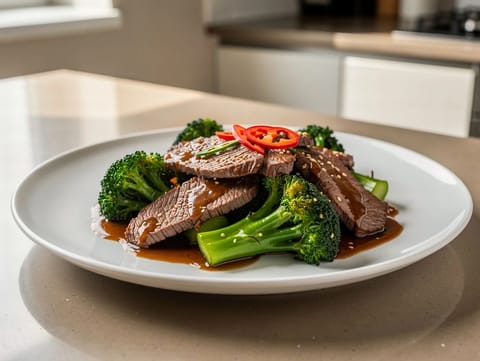
Quick beef and broccoli stir-fry with oyster sauce
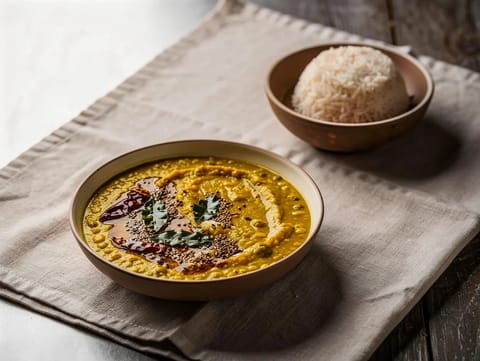
Yellow lentil dal topped with hot tempered spices
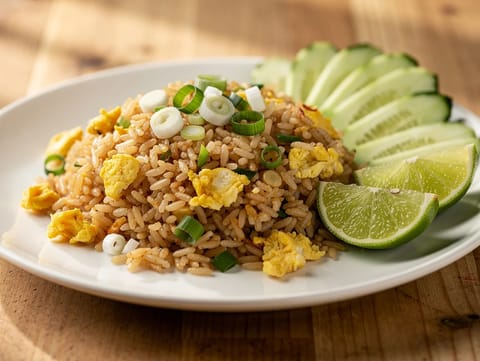
Thai fried rice with egg, garlic and lime

Juicy pork tenderloin with a honey mustard glaze

Crisp tostadas topped with chicken tinga, crema and lettuce
If time is tight, look for recipes with quick-cooking ingredients and a short active prep, such as thin-cut proteins, vegetables that cook fast, or meals built around pantry staples. If energy is the issue, choose hands-off cooking: traybakes, slow simmering soups, or rice and grain bowls where components can be cooked simply and assembled. If washing-up is what puts you off, one-pan and one-pot recipes are the obvious allies, but also consider sheet-pan roasting plus a simple sauce, or pasta cooked with a single pan sauce. For family flexibility, recipes that allow easy swaps, such as changing the vegetable, adjusting spice heat, or serving sauces on the side, can make one meal work for different appetites.
Green peppers stuffed with beef and rice, baked tender in tomato sauce
Split pea soup with smoked ham hock, carrots and onions, served with crusty bread
Crisp pan-fried red snapper finished with garlic butter, chilli and lime
Light Dutch-style fish soup with prawns, white fish, cream and dill
Dutch-style steak served with sweet onions and a beef stock and Dijon mustard pan sauce
Green curry simmered with chicken and aubergine, finished with Thai basil
Spinach and chickpeas simmered with cumin and paprika, thickened with bread
Red lentil and spinach soup, lightly blended and finished with cumin, garlic and chilli
Pasta in a creamy ricotta and lemon sauce with basil and Parmesan
Acquacotta soup with onions, tomatoes, greens, bread and poached egg
Chilean cazuela stew simmered with beef, potatoes, pumpkin, sweetcorn and coriander
Shallow pan Spanish rice with browned pork ribs, green beans and stock
Weeknight meals are easier when you do not try to cover every base with separate dishes. Aim for one main element and one supporting element that brings contrast. If the main is rich, add something crisp or acidic, such as a quick salad, a slaw or a lemony vegetable. If the main is light, a starchy side can make it feel more filling. Sauces and toppings can do a lot of work here: yoghurt, herbs, chilli oil, toasted nuts or grated cheese can change the character of a simple base without adding much cooking time. If you are planning for the week, mix methods across days so you are not roasting, frying and washing trays every night in a row.
Collections can be a useful way to find weeknight-friendly themes, such as one-pan dinners, batch cooking or quick family meals. Meal time is another helpful direction when you want ideas that fit a specific slot, like a fast supper, a packed lunch built from leftovers, or a make-ahead breakfast for the next morning.
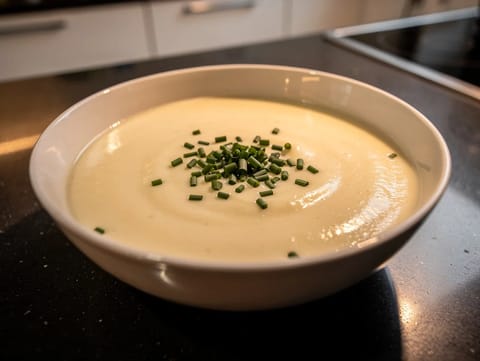
Chilled leek and potato soup finished with double cream

Toasted bread rubbed with garlic and ripe tomato
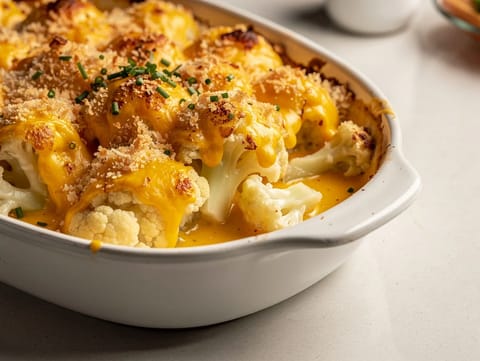
Cauliflower baked in Cheddar and mustard sauce with breadcrumbs
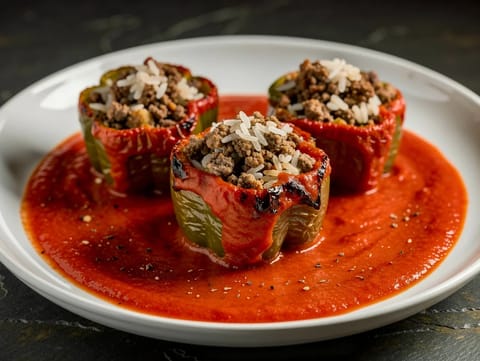
Stuffed green peppers simmered in tomato sauce
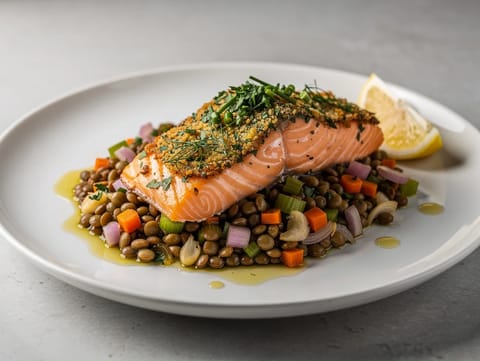
Herb-crusted salmon served over Dijon and lemon Puy lentils
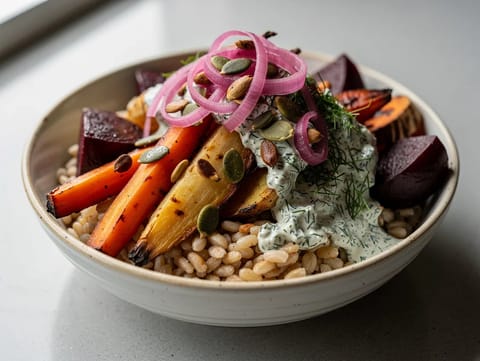
Roasted root vegetables over barley with dill yoghurt dressing
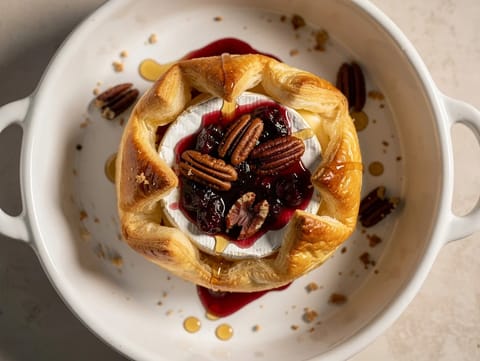
Baked Brie in puff pastry with cranberry sauce and pecans
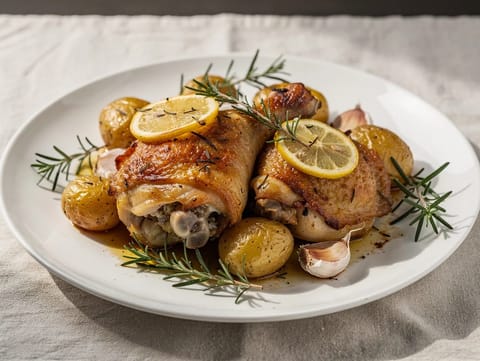
Chicken thighs traybake with lemon, rosemary and baby potatoes
Not always. Many weeknight meals are fast, but hands-off recipes can also work well if the active cooking is low and the steps are predictable.
Clear sequencing, minimal last-minute tasks, and a result that still tastes good if it sits for a few minutes or if you are interrupted mid-cook.
Change the finishing elements. A different sauce, herb, spice blend or crunchy topping can shift the flavour of familiar staples without adding much work.
They can be. Recipes that scale easily or reheat well can take pressure off later in the week, but they are not a requirement for every meal.
Pair one substantial component with one contrasting element, such as something crisp, fresh or acidic alongside a richer main.
Weeknight cooking is about matching the method to your time and attention. Pick recipes with a calm workflow, build in contrast with simple sides or toppings, and let a few reliable formats carry you through the week.
