
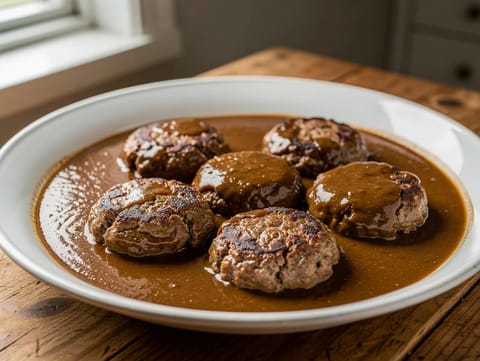
Kjøttkaker (Norwegian Beef Meatballs with Brown Gravy)
Norwegian beef meatballs served with creamy brown gravy
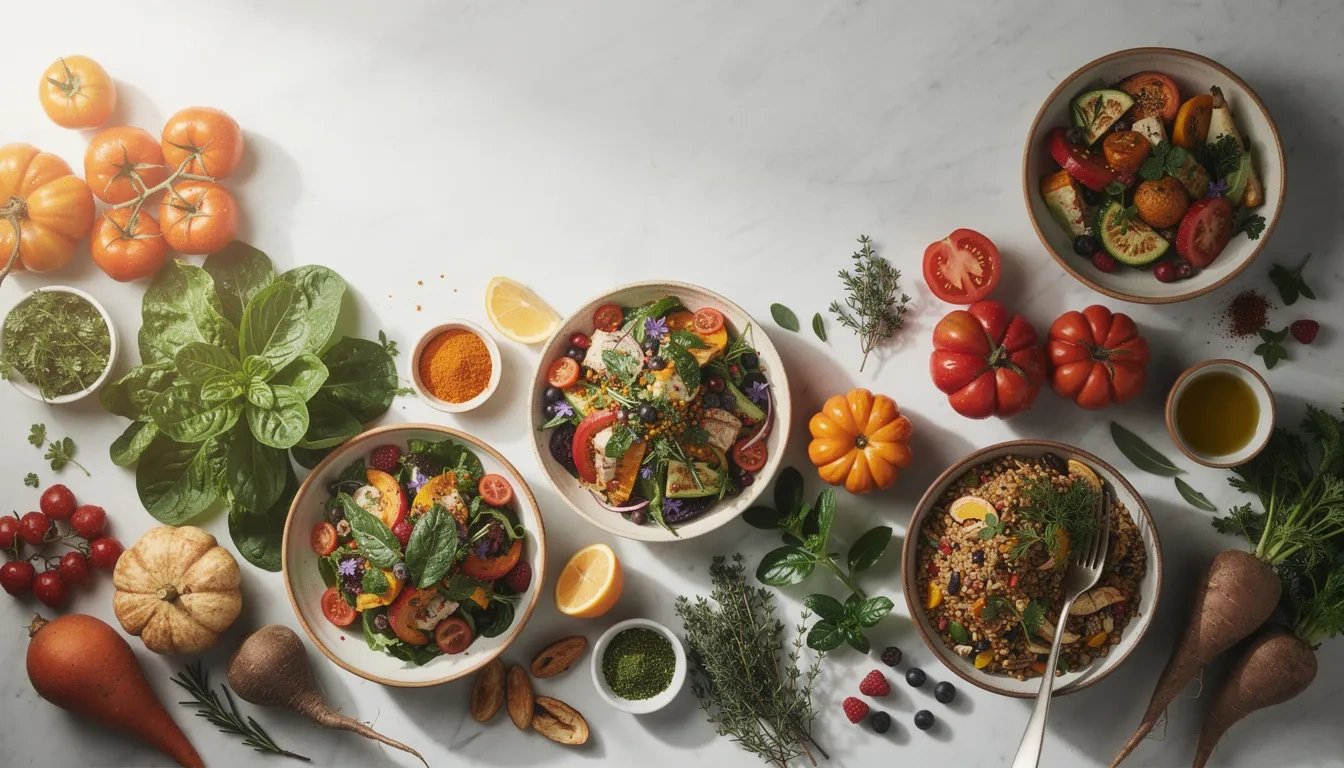
Autumn cooking is about the turn from light, quick meals to food with a bit more depth and warmth. As days shorten, recipes often lean on the oven and the hob: roasting, baking, simmering and braising become practical again, and dishes tend to feel more filling without needing to be heavy. This is also a season where planning ahead pays off, because many autumn-friendly foods improve after a rest, and components like roasted vegetables, cooked grains and slow-cooked sauces can be used in more than one meal.
An autumn recipe is usually defined less by a strict ingredient list and more by how it eats and how it’s cooked. You’ll often see warmer serving temperatures, richer textures and flavours that develop with time in the oven or pan. Think caramelisation from roasting, sweetness drawn out of vegetables, and sauces that cling rather than splash. Autumn food also tends to welcome contrast: a sharp dressing on roasted roots, a spoon of yoghurt on a spiced stew, or a handful of toasted nuts over a creamy soup. Those balancing touches keep filling dishes from tasting flat as the weather cools.
Norwegian beef meatballs served with creamy brown gravy
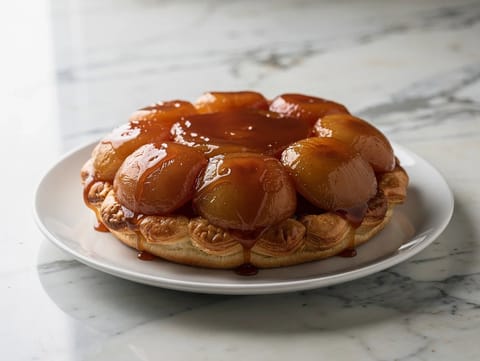
Upside-down caramelised apple tart with puff pastry
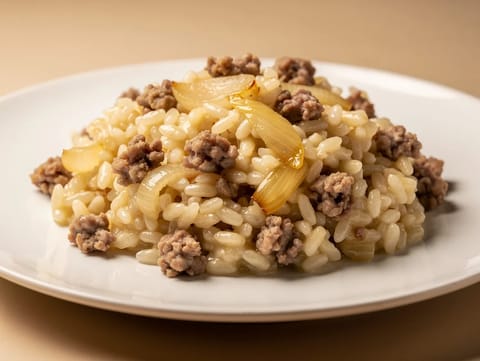
Creamy risotto with Italian sausage and Parmesan
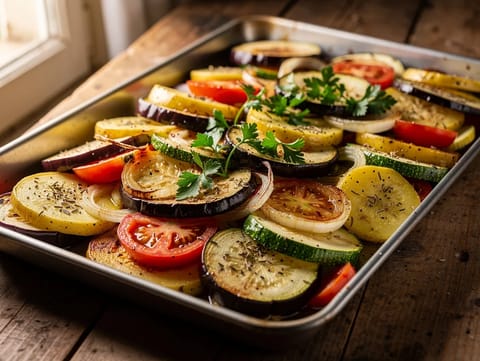
Greek olive oil roasted vegetable traybake
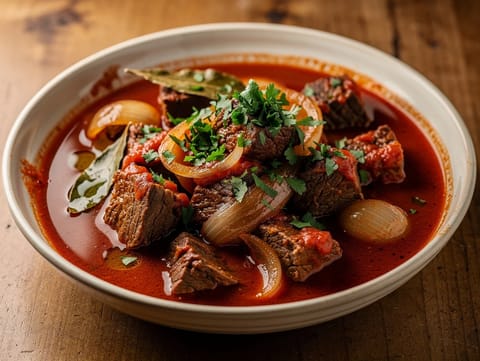
Greek beef stew braised in tomato and red wine
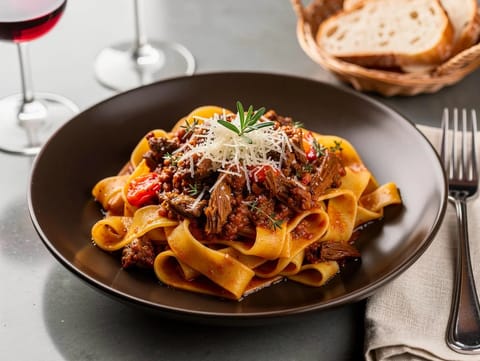
Pappardelle with slow-simmered wild boar ragù and pecorino
Autumn flavours commonly build from a few reliable building blocks: browned onions or leeks, roasted garlic, toasted spices, and herbs that stand up to heat such as thyme, rosemary and sage. Sweetness is often part of the picture, whether from squash, carrots, parsnips, apples or dried fruit, so recipes frequently include a counterweight like mustard, vinegar, citrus, wine or tomatoes. Texture matters too. A soft base (mash, polenta, risotto, soup) is often paired with something crisp or chewy: croutons, seeds, nuts, browned breadcrumbs, or a well-roasted tray of vegetables. These patterns are useful when you want an autumn feel even with what you already have.

Belgian mashed potatoes and vegetables topped with pork sausages
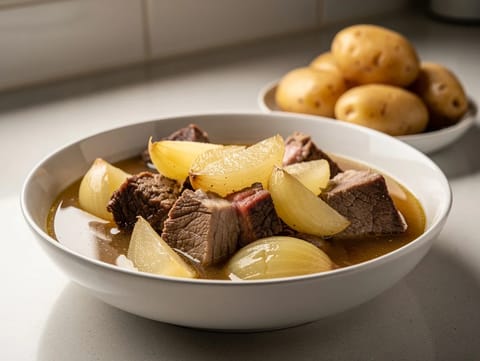
Slow-cooked beef and pork stew with allspice
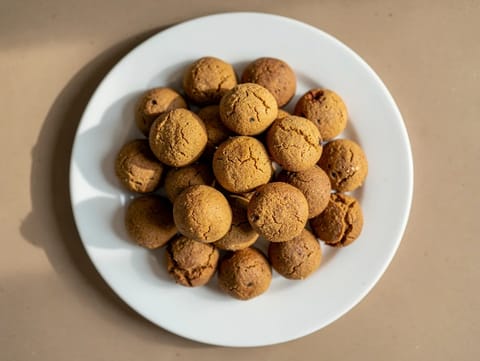
Small Dutch spiced cookies baked until crisp

Thick brown bean soup with bacon and smoked sausage
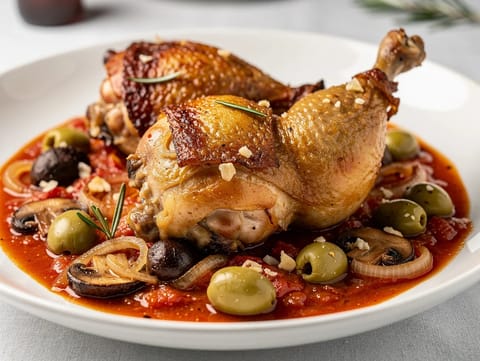
Chicken thighs braised with tomato, red wine, mushrooms and olives
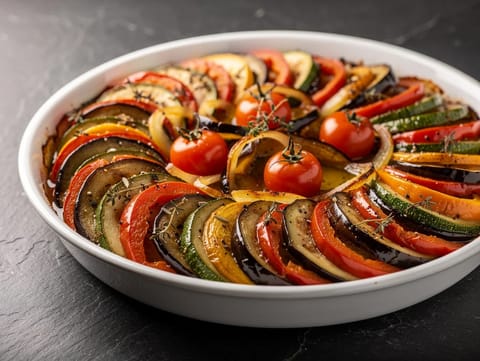
Oven-baked ratatouille with tender aubergine, courgette and tomatoes
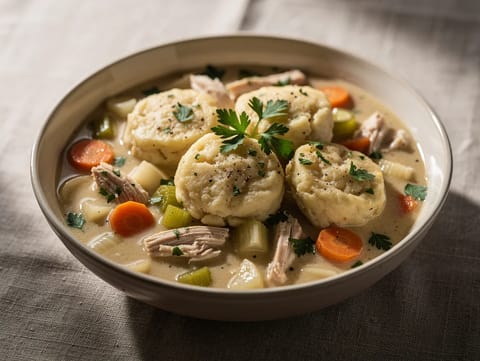
Chicken stew topped with soft steamed dumplings

Tea-soaked fruit loaf enriched with butter, egg and milk
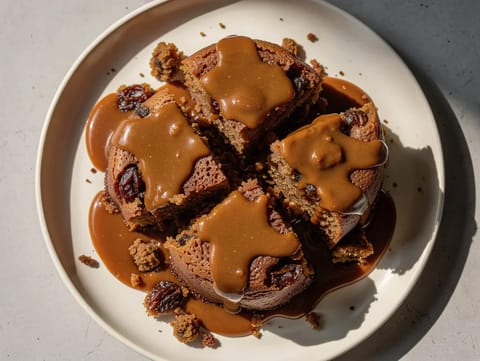
Warm date sponge pudding served with rich toffee sauce

Bratwurst traybake with potatoes, apple, onion and sauerkraut

One-pan smoked sausage with potatoes, sauerkraut and paprika
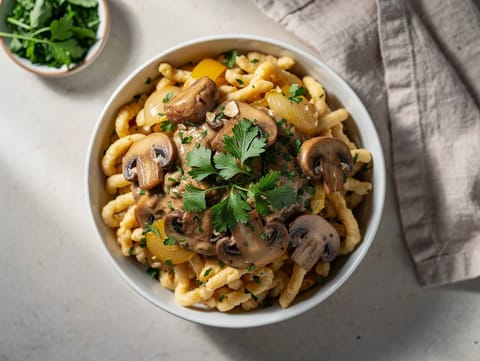
Spätzle with creamy mushroom sauce, onion, garlic and parsley
If you want something properly sustaining, look for recipes that include a starchy element (potatoes, beans, lentils, pasta, rice or bread) alongside vegetables or protein, rather than relying on one component to do all the work. For a lighter autumn plate, choose dishes that use the oven for colour and flavour but finish with something fresh: a green herb sauce, a sharp salad, pickled onions, or a squeeze of lemon. When time is the constraint, autumn still offers quick wins: roasting can be hands-off, and a fast soup or dhal can taste rounded if you start by browning aromatics and finish with a bright garnish. For make-ahead ease, favour stews, curries, casseroles and baked pasta styles that reheat without losing their texture.
If you’re cooking to what looks good at the market, browsing by Ingredient helps you lean into autumn produce and the flavours it naturally brings. For meals tied to the calendar, Occasion is a useful companion in this season, when gatherings and celebrations often call for dishes that hold well, travel well, or can be served warm in stages.

Red wine spritzer with lemonade, lemon and ice

Thin flatbread with crème fraîche, onions and streaky bacon

Polish pierogi filled with sauerkraut and mushrooms
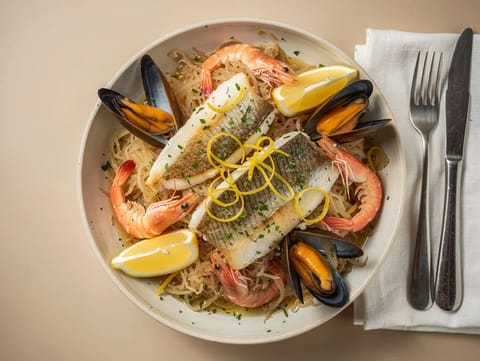
Sauerkraut warmed with white wine, then steamed with seafood
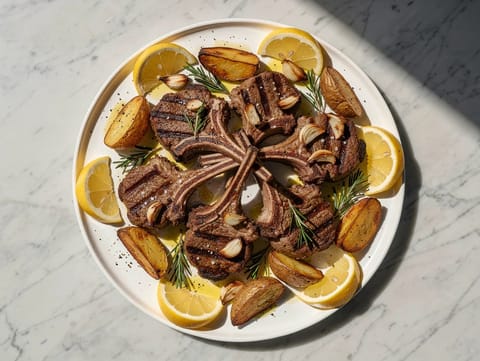
Grilled lamb chops with rosemary roast potatoes
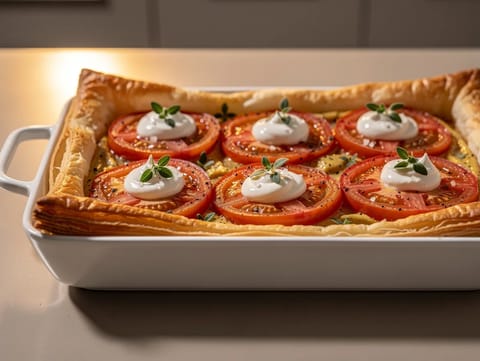
Puff pastry tart with Dijon mustard and baked tomatoes
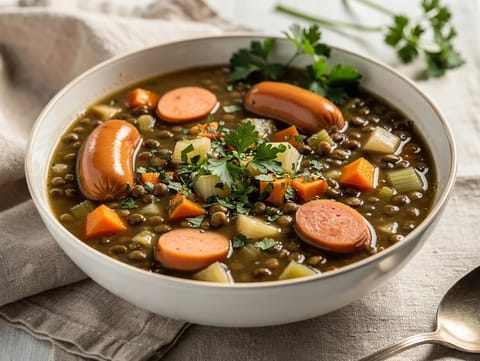
German lentil soup with frankfurters
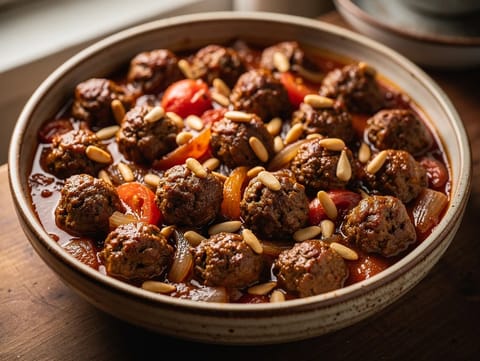
Lebanese beef meatballs simmered in tomato and tamarind sauce
In practice it starts when you’re happy to turn the oven on again and you begin craving warmer textures. Ingredient availability varies by region, so the shift is often more about weather and cooking method than a specific date.
Roasting, baking, simmering and braising fit the season because they build flavour through browning and time. They also suit batch cooking, which can make midweek meals easier later on.
Add contrast. A little acidity (vinegar, citrus, tomatoes), bitterness (greens), or freshness (herbs) can lift rich dishes. Crunchy toppings also help, especially on soups and creamy bakes.
Not necessarily. Many autumn ingredients work well warm or at room temperature, and roasted vegetables, grains and pulses often make satisfying salads when dressed assertively.
Often it’s structure rather than fat: beans, lentils, potatoes and whole grains give a steady, satisfying texture. Pair them with vegetables and a bright dressing or sauce to keep the overall flavour clear.
Many do, especially stews, braises and spiced dishes, because flavours mingle as they rest. Recipes with crisp toppings or delicate greens may need those elements added just before serving.
Autumn is a good moment to let the oven do more of the work and to choose recipes that reward a little browning and a little time. Start with the level of comfort you want, then use acidity, herbs and texture to keep the flavours lively.
