

Nimbu Pani (Indian Lemonade)
Indian lemonade with lemon juice, black salt and roasted cumin
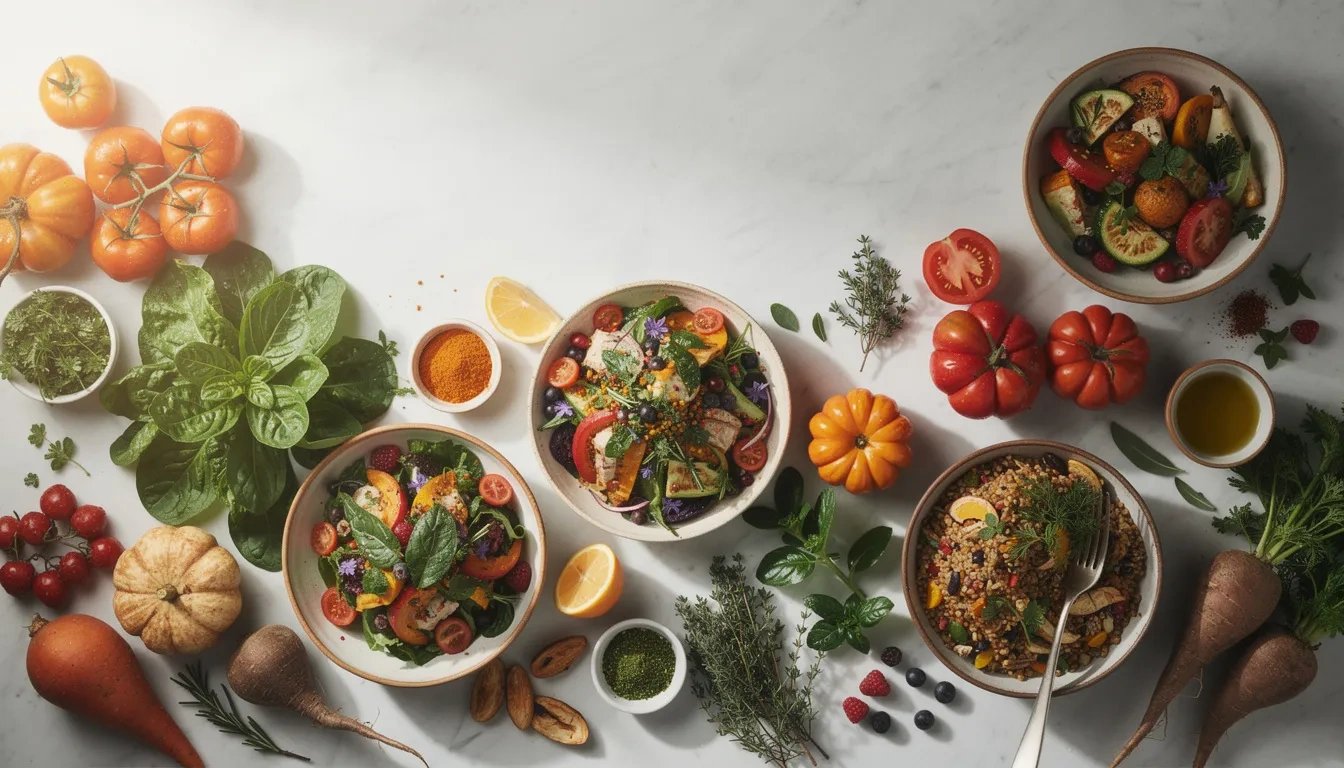
Summer recipes are at their best when they respect ripe produce and the reality of a warm kitchen. That usually means shorter cooking, bolder seasoning and plenty of contrast: juicy with crunchy, hot with cold, rich with sharp. When ingredients are sweet and fully flavoured, you can often do less to them, but you still need a plan for texture and temperature so the finished dish feels deliberate rather than simply assembled.
Summer cooking is often produce-led: tomatoes, peppers, courgettes, aubergines, berries and stone fruit are at their most persuasive when handled simply. Techniques tend to be quick and direct, such as grilling, pan-searing, fast roasting or minimal simmering, because long cooking can dull fresh flavours and heat up the house. Summer recipes also commonly lean on cold elements, whether that is a chilled sauce, a crisp salad, or a dessert served straight from the fridge or freezer. None of this rules out baking or slow cooking, but the overall balance usually stays bright, with acidity, herbs and a little bitterness to keep sweetness in check.
Indian lemonade with lemon juice, black salt and roasted cumin

White port and tonic served over ice with lemon
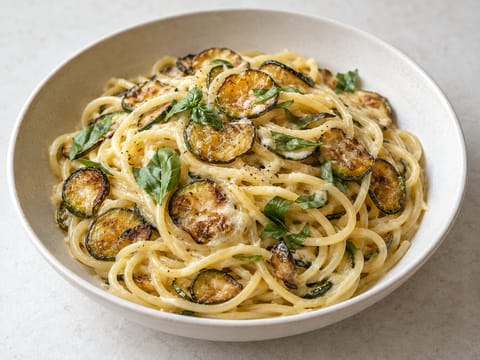
Spaghetti with fried courgettes and melted provolone sauce
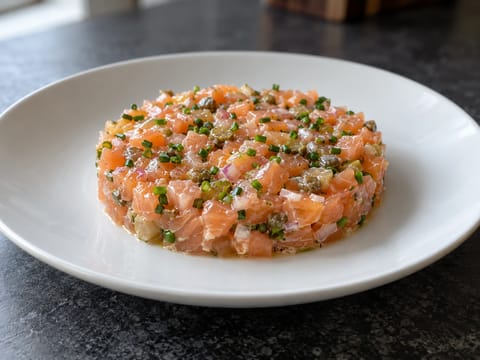
French-style salmon tartare with capers, Dijon and lemon
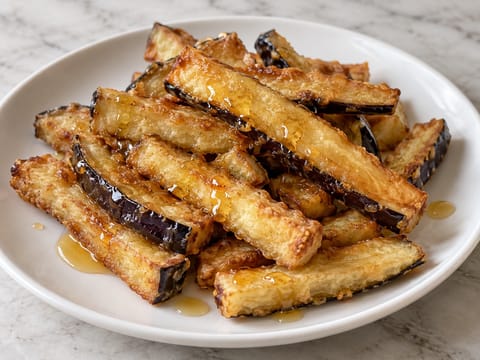
Crisp fried aubergine batons finished with honey and salt
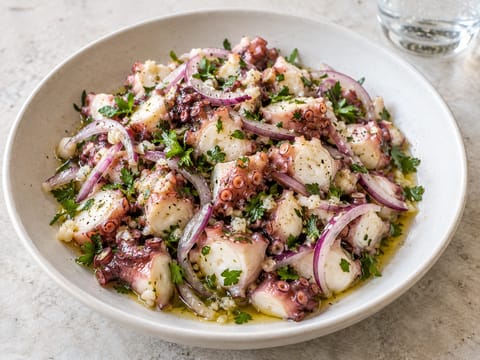
Chilled octopus salad with orange, lemon and parsley
When you browse summer recipes, expect a mix of low-effort plates and more involved projects that still feel season-appropriate. You may gravitate towards salads that are substantial enough to stand alone, grilled mains with quick sides, and vegetable-forward dishes that make use of high heat for short bursts. Summer also suits food designed for sharing: platters, skewers, dips and breads that can sit on the table without losing their appeal. For baking and desserts, summer often points towards fruit-led puddings, lighter cakes, and frozen or chilled treats where flavour comes from ripe fruit, citrus and herbs rather than heavy spicing.
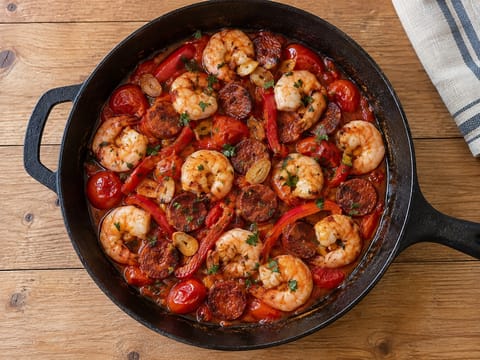
Spanish-style prawn and chorizo skillet in a tomato sauce
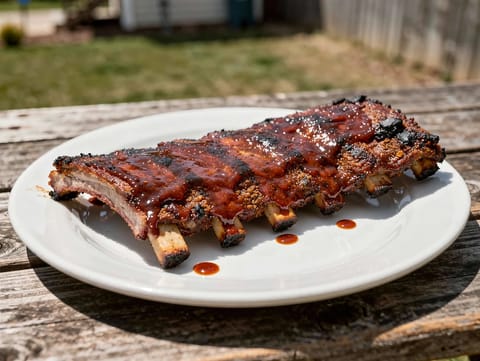
Slow-baked pork ribs with a smoked paprika brown sugar rub
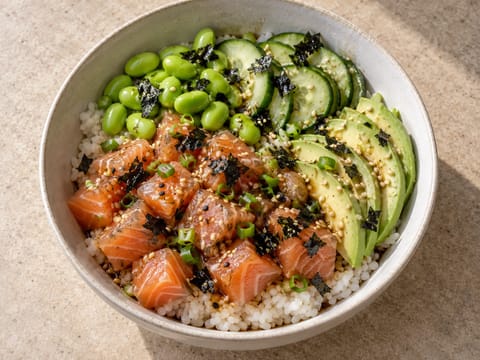
Sushi rice poke bowl with salmon, avocado and cucumber.
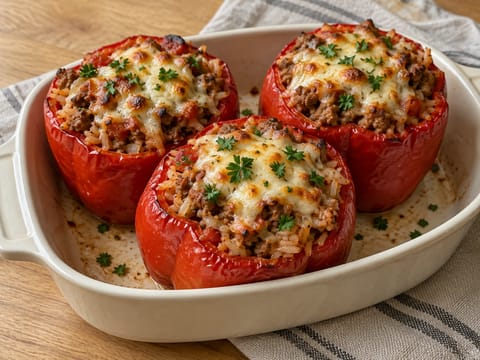
Peppers stuffed with pork, rice and tomato, topped with cheese.
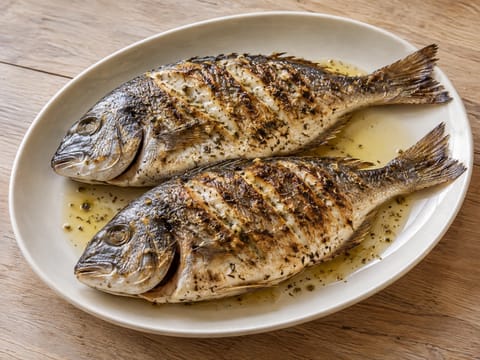
Whole grilled sea bream with lemon, oregano and garlic
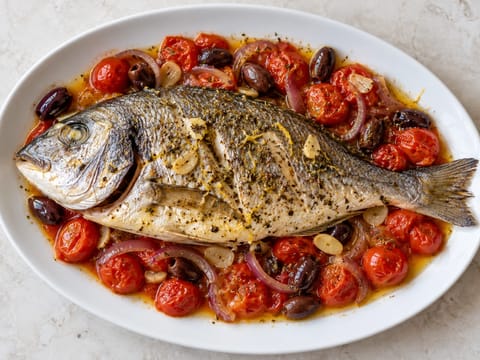
Baked sea bream with tomatoes, olives and lemon
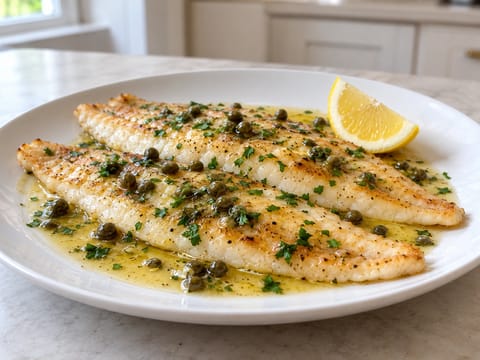
Pan-seared Dover sole with lemony caper butter
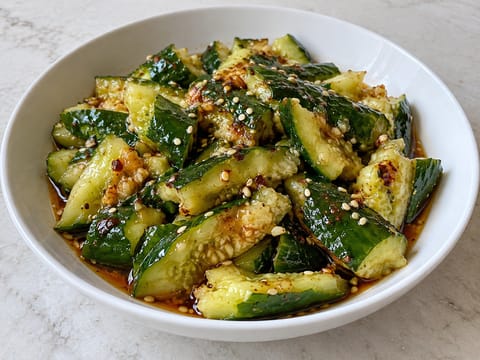
Smacked cucumber salad with chilli oil, garlic and sesame

Toasted baguette with tomato, serrano ham and olive oil
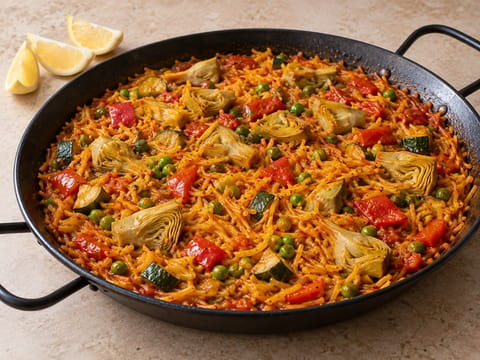
Spanish vegetable fideuà with saffron noodles and tender vegetables

Chilled veal topped with creamy tuna and caper sauce
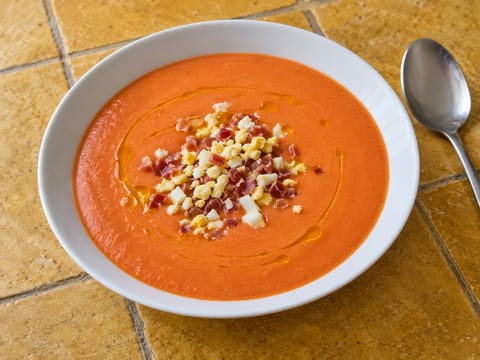
Thick chilled tomato soup topped with egg and serrano ham
If you want to keep the kitchen cool, look for recipes with little or no oven time, or ones that cook quickly on a hob or grill. Dishes built around raw produce benefit from careful knife work and seasoning: salt draws out juices, and a sharp dressing stops everything tasting flat. If you do not mind turning on the oven, choose recipes that reward high heat and short time, such as blistered vegetables, traybakes, or quick fruit crumbles. For outdoor cooking, grilling gives you char and smoke that stand up to sweet summer vegetables and simple marinades. When the weather is very hot, recipes that can be made ahead and served cold, such as chilled soups or set desserts, are often the most comfortable to eat.
Ingredient browsing is the most direct way to follow summer’s peak produce, especially when ripeness varies week to week. Occasion can help when summer eating shifts outdoors, from casual gatherings to celebrations where food needs to hold well on a table.

Dry white wine mixed with crème de cassis

Light chicken and rice soup finished with parsley and lemon
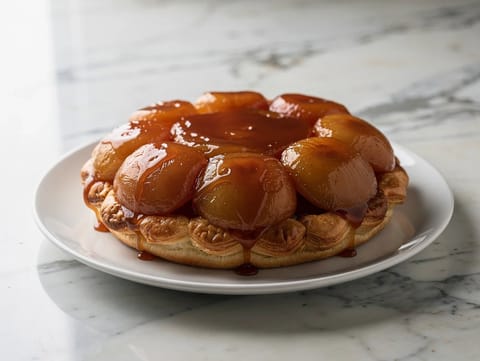
Upside-down caramelised apple tart with puff pastry
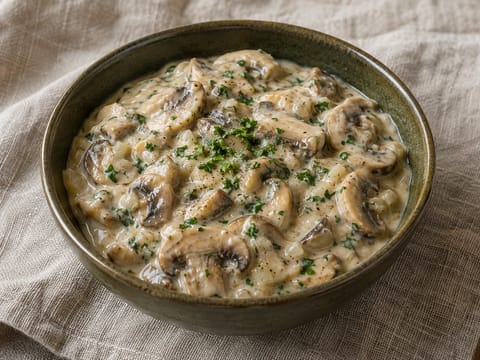
Creamy mushroom ragout with onion, cream and parsley
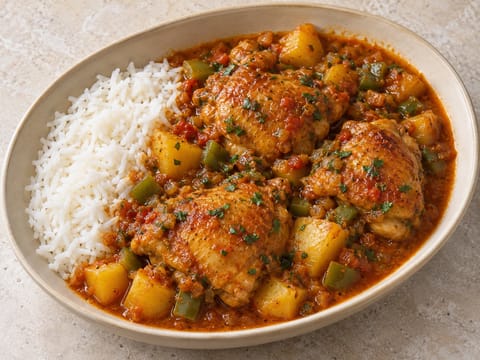
Braised chicken stew with tomatoes, peppers and potatoes
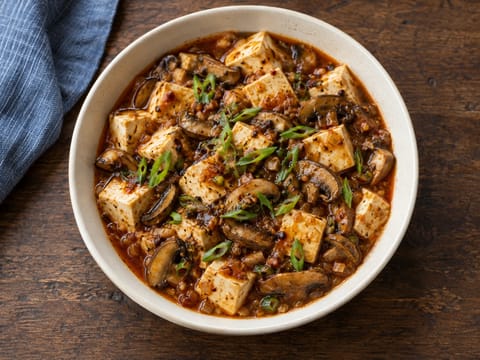
Vegetarian mapo tofu with mushrooms in a spicy sauce
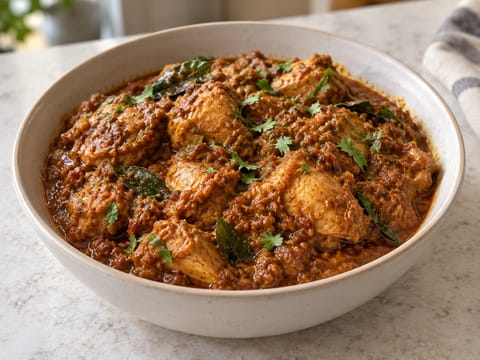
South Indian chicken curry with toasted spices, pepper and coconut
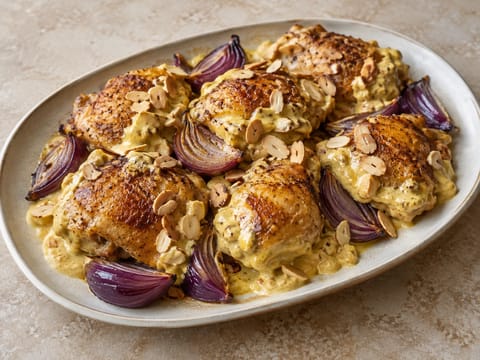
Traybaked chicken in coronation-style sauce with almonds
No. Summer cooking is often quick rather than completely raw. High heat for a short time, such as grilling or fast roasting, can add flavour without making the meal feel heavy.
Ripe produce is naturally sweet. Acidity from lemon, vinegar or yoghurt balances that sweetness and keeps flavours tasting clear, especially when food is served warm or at room temperature.
Add a cooked or protein element, and build in texture. Grains, pulses, eggs, cheese, nuts or toasted bread can make a salad feel like a complete dish without weighing it down.
Char adds bitterness and smokiness, which gives contrast to sweet vegetables and simple dressings. It also creates texture, so the dish tastes more than just “soft and juicy”.
Not always, but fruit is a natural fit because it brings sweetness and acidity without much cooking. Frozen and chilled desserts also suit the season’s temperatures.
In summer, start with what looks best and decide how much heat you want to use. A sharp dressing, fresh herbs and a crunchy element will carry you a long way.
