
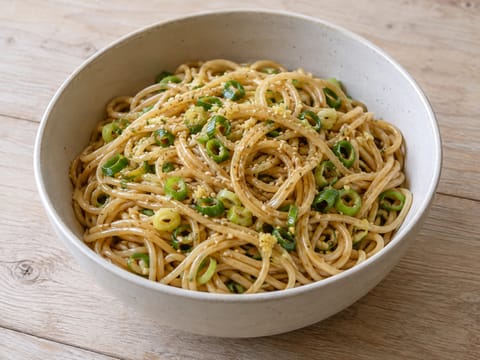
Ginger and Spring Onion Noodle Bowl
Wheat noodles with ginger spring onion oil and soy
Fifteen to thirty minutes is the sweet spot where you can do a little real prep and still eat soon. There’s time to brown ingredients, simmer a quick sauce, roast vegetables at high heat, or cook pasta and pull everything together. It’s also a time range where delays add up, so the best choices are recipes with clear sequencing and a short ingredient list. Use this page when you want speed without relying entirely on assembly.
This cooking-time range is typically measured from starting prep to serving, so it often assumes you are working steadily and have the basics to hand. It can include a brief preheat, a quick boil, or a short rest, but it rarely allows for long marinating, slow caramelisation, or anything that needs repeated chilling.
In practice, 15–30 minutes suits methods that deliver flavour quickly: high-heat roasting, stir-frying, pan-searing, fast braises with small pieces, and sauces that come together while something else cooks. It is also the point where “quick” can still mean a few pans, unless the recipe is designed to be one-tray or one-pot.
Wheat noodles with ginger spring onion oil and soy
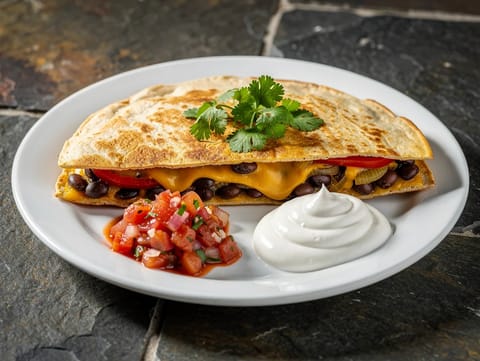
Crisp quesadilla with black beans, cheddar and peppers
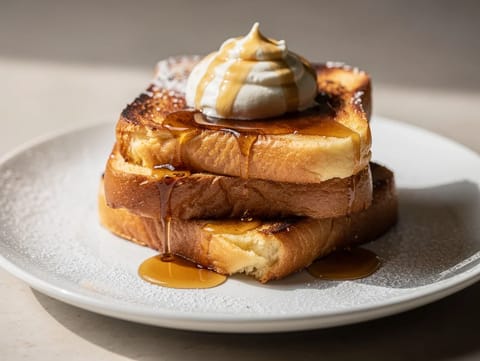
Custard-soaked brioche French toast with crème fraîche and maple syrup
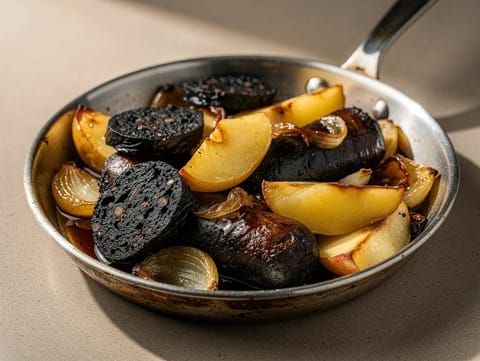
Pan-fried blood sausage served with buttery sautéed apples
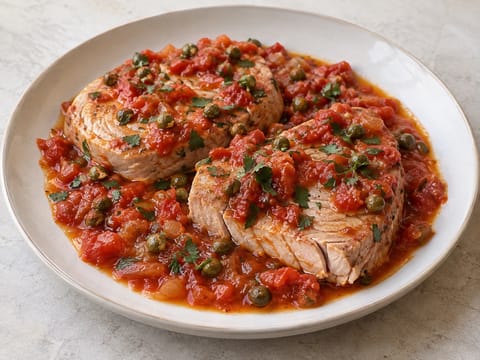
Tuna steaks simmered in a tomato and caper sauce
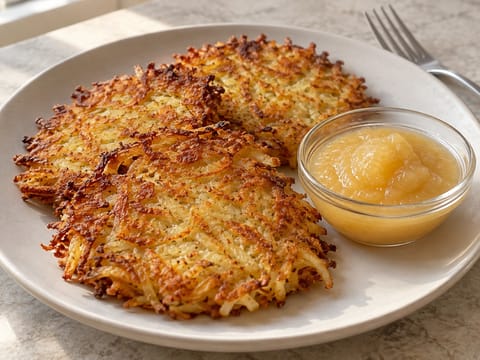
Crisp German potato pancakes with onion, egg and flour
When you’re deciding between recipes in this range, look for the main time driver.
If the clock is spent on cooking, prep is usually light: think fish fillets, thin-cut meats, quick-cooking grains, or vegetables cut small. These tend to reward good heat control and a hot pan.
If the clock is spent on prep, the cooking is often simple: chopped salads with a warm element, speedy noodle bowls, or dishes where everything finishes together in the oven. These are easier to keep on time if the recipe tells you what to start first.
If you want minimal washing-up, favour recipes that build in layers in one pan, or that use the oven to do the heavy lifting while you make a dressing or sauce.
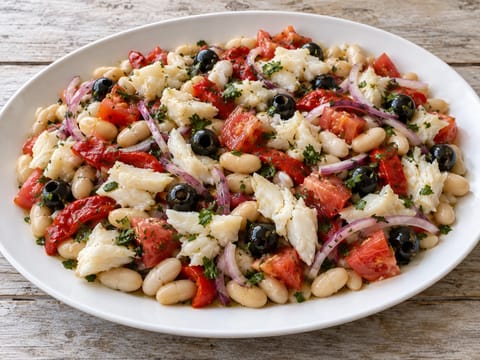
Catalan salt cod and white bean salad with tomato and peppers
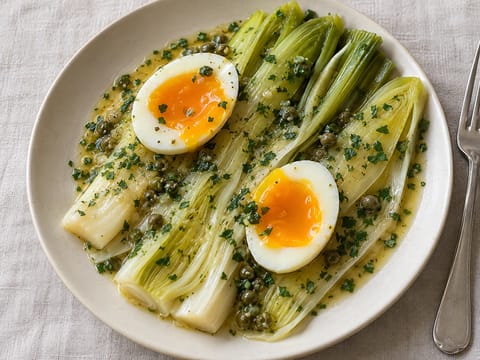
Simmered leeks in Dijon vinaigrette with soft-boiled egg
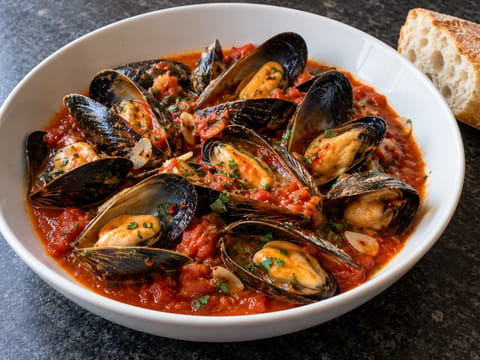
Mussels simmered in tomato and garlic sauce with chilli
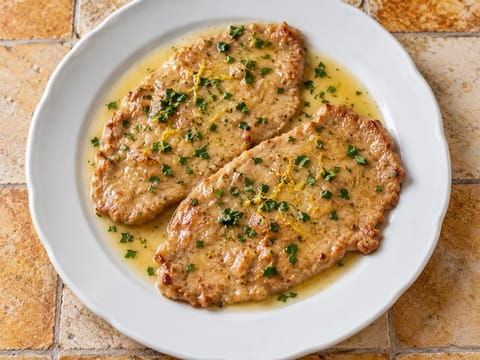
Pan-fried veal in a white wine, butter and lemon sauce
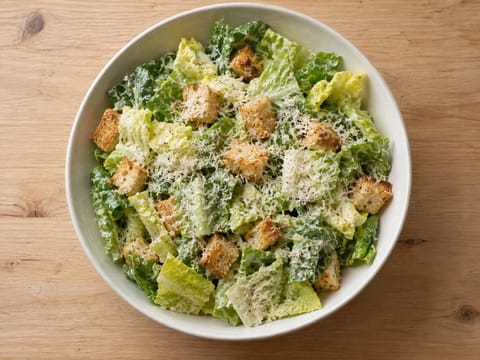
Romaine lettuce with anchovy dressing, croutons and Parmesan
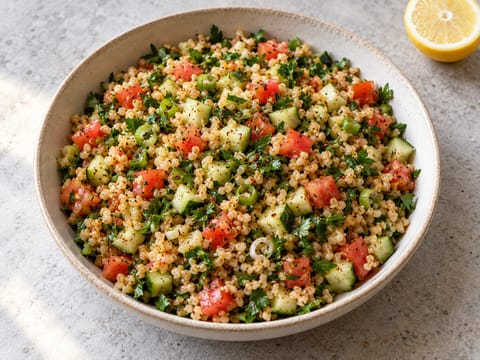
Bulgur bowl with tomato, cucumber, spring onion and lemon
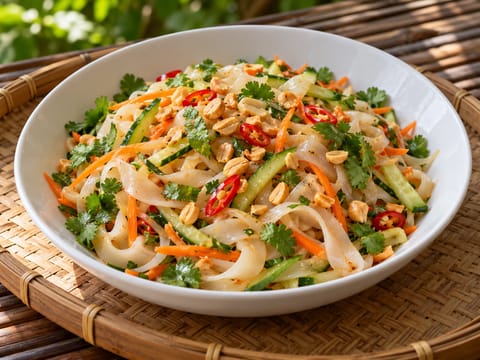
Rice noodle salad with spicy lime dressing and peanuts
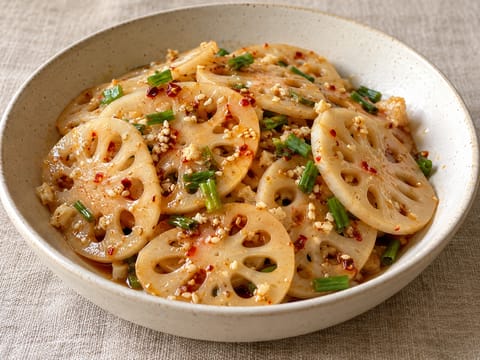
Chilled lotus root salad with black vinegar, soy and chilli oil
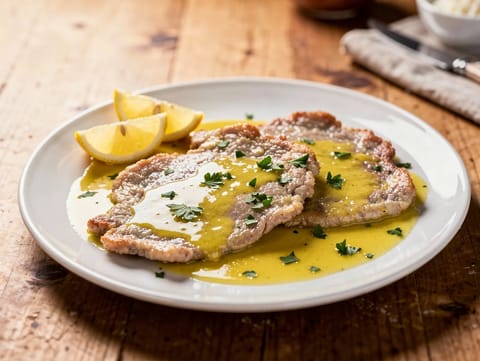
Pan-fried veal cutlets finished in a lemon butter sauce

Mulled apple punch with orange and warming spices
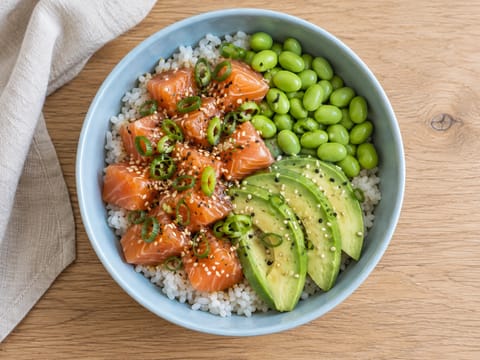
Salmon poke bowl with avocado, edamame and sushi rice.
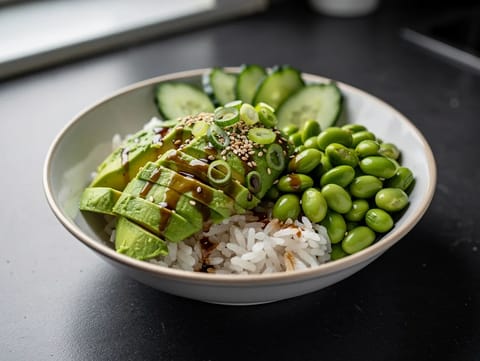
Sushi rice bowl with avocado, cucumber, edamame, and soy dressing.
Read the first few steps before you start. In this time window, the difference between “start cooking” and “start prepping” matters.
Preheat early when the oven is involved, and put water on to boil before you begin chopping. If a recipe uses a sauce, mix it while the pan heats so it’s ready the moment you need it.
Cut ingredients to match the promised time. Smaller, even pieces cook predictably; large chunks can push you into the next time bracket. The same goes for crowded pans: if everything is piled in, it steams rather than browns, and you lose both time and colour.
Finally, keep an eye on optional extras. Toasted nuts, crispy toppings, or a quick pickle can be worth it, but they are easiest when they happen in parallel, not as an extra job at the end.
If you want to stay within 15–30 minutes, cooking method is the most reliable guide: stir-fries, traybakes and one-pan sautés behave very differently on the clock. Difficulty is also useful here, because some quick recipes depend on confident timing and multitasking, while others are genuinely straightforward.
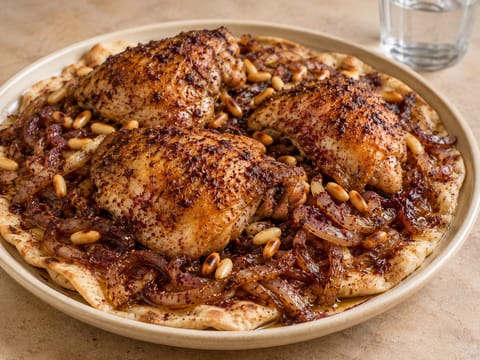
Roast chicken on flatbread with sumac onions and pine nuts
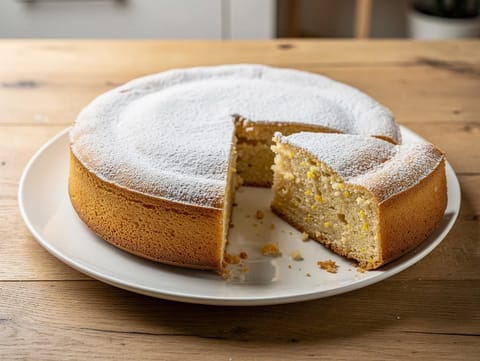
Gluten-free almond cake with lemon zest and icing sugar
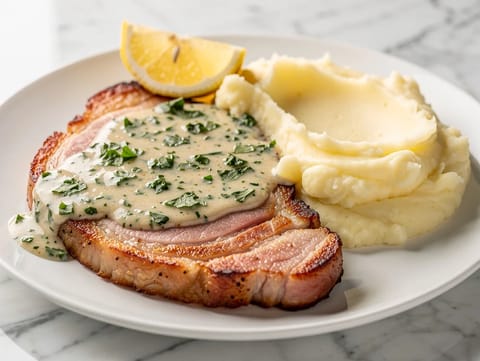
Pan-fried gammon with creamy mash and parsley white sauce
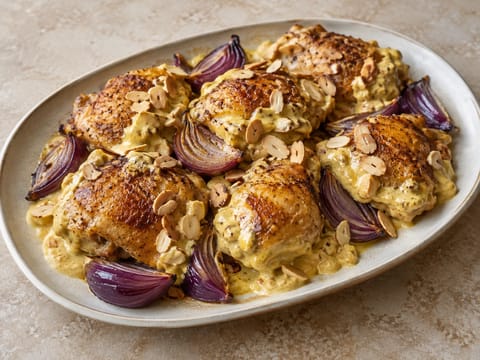
Traybaked chicken in coronation-style sauce with almonds
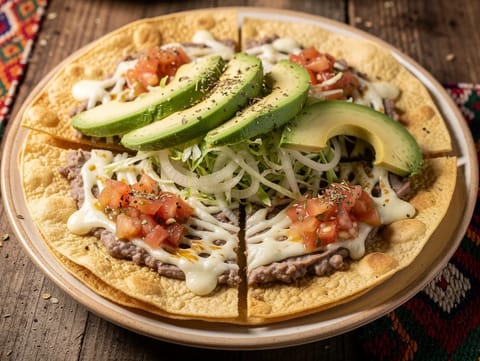
Crisped tortillas topped with beans, cabbage, avocado and cheese
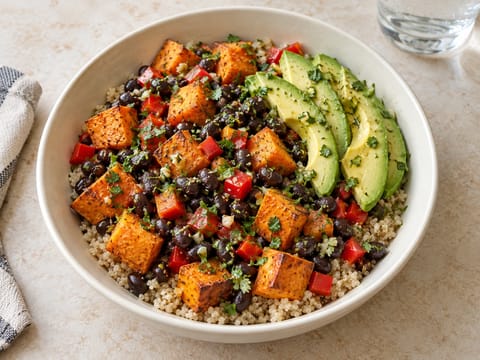
Quinoa bowl with black beans, sweet potato and avocado
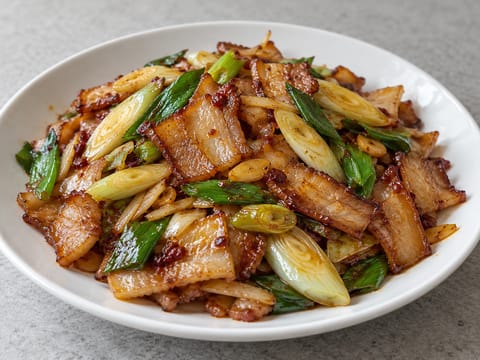
Twice-cooked pork belly stir-fried with leeks and doubanjiang
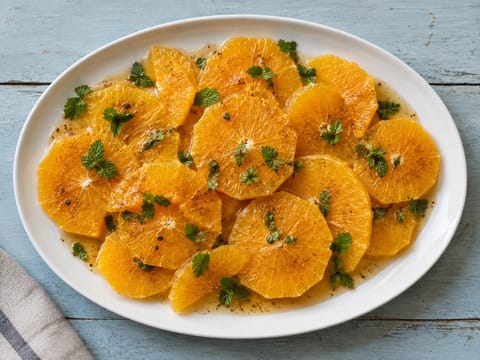
Orange salad with honey, cinnamon and fresh mint
Usually it refers to total time from starting prep to serving. Some recipes are hands-on throughout; others have a short oven or simmer window where you can do something else.
They often stack tasks that can’t happen at the same time, such as chopping, cooking and making a sauce in sequence. Recipes that run smoothly tend to set up parallel steps.
High-heat methods are common because they deliver colour and flavour quickly: pan-searing, stir-frying, grilling, and hot-oven roasting. Gentle, slow methods rarely fit without smaller cuts.
Some bakes can, especially small-format items or high-heat tray cooking. Anything needing long proving, cooling, or a low-and-slow bake usually won’t.
Use the recipe’s cues, not just the clock: colour, bubbling, and texture. Quick cooking is less forgiving, so it helps to have ingredients ready before the pan is fully hot.
Use 15–30 minutes when you want a cooked meal without a long wait. Pick recipes with clear sequencing, and match the method to your attention span: a hot pan for speed, or the oven when you’d rather step back for a few minutes.
