
Hui Guo Rou (Twice-Cooked Pork Belly Stir-Fry)
Why this recipe works
- Layered savoury flavour: Doubanjiang colours the oil and gives the pork a fermented chilli depth, while soy sauce, Shaoxing wine and sugar round out the glaze.
- Tender pork, crisp leeks: Simmering softens the pork before stir-frying, so the slices stay tender while the leeks remain just crisp.
- Classic twice-cooked method: Cooking the pork in two stages helps the belly slice cleanly, render lightly in the wok, and develop the curled edges associated with hui guo rou.
Get the most out of this recipe
Adjust the heat
- For a gentler heat: Use a little less doubanjiang and keep the soy sauce modest, as the paste also contributes salt and savoury depth.
- For more intensity: Choose a hotter doubanjiang or add extra at the frying stage, letting it briefly colour the oil before coating the pork.
- Keep the heat balanced: A small amount of sugar helps soften the chilli’s sharpness without making the dish taste sweet.
Ingredient notes
- Choose pork belly with even layers: A balanced mix of meat and fat gives the best texture: rich but sliceable, with enough fat to gloss in the wok.
- Doubanjiang varies: Some brands are much saltier or more fermented than others, so taste before adding any extra soy sauce at the end.
- Shaoxing wine substitute: Dry sherry is the closest simple swap, but it will taste slightly softer and less savoury than Shaoxing cooking wine.
Texture tips
- Cool before slicing: Letting the simmered pork cool until easy to handle makes it easier to cut into thin, even slices.
- Let the edges curl: Stir-fry the pork until the fat turns glossy and the edges begin to curl before adding the aromatics and sauce.
- Add leeks at the end: Leeks need only a short stir-fry so they soften slightly while keeping a fresh bite.
Make-ahead tips
- Cook the pork ahead: The pork belly can be simmered in advance, cooled, and refrigerated before slicing and stir-frying.
- Reheat in a hot pan: Warm leftovers in a wok or frying pan with a small splash of water until piping hot, stirring often so the glaze does not stick.
- Best freshly stir-fried: The pork keeps well, but the leek texture is at its best straight from the wok.
Equipment you'll need
Ingredients
Instructions
- Put the pork belly in a large pot and cover with cold water. Bring to the boil, then reduce to a gentle simmer and cook for 25 minutes until the pork is just tender but not falling apart. Drain well in a colander and leave until cool enough to handle.
- While the pork cools, trim and wash the leeks, then slice them on a slight diagonal into 1 cm pieces. Peel the ginger and slice into fine matchsticks, then peel and thinly slice the garlic. Slice the pork belly thinly across the grain into 3 to 4 mm slices.
- Heat the rapeseed oil in a wok over medium-high heat. Add the pork and stir-fry for 3 to 5 minutes until the edges start to curl and the fat turns glossy. Push the pork to the side of the wok.
- Add the ginger and garlic to the cleared space and stir-fry for 30 to 60 seconds until fragrant. Stir in the doubanjiang and fry for 30 seconds to colour the oil, keeping the heat moderate so it does not catch. Toss everything together until the pork is evenly coated.
- Add the Shaoxing Cooking Wine, Light soy sauce and Caster sugar, then stir-fry for 1 minute until the sauce looks glossy and clings to the pork. Add the leeks and stir-fry for 2 to 3 minutes until just tender with a little crunch. Take off the heat and finish with the toasted sesame oil.
Recipe notes
Tips
- Slice the pork belly thinly and evenly so it fries quickly and the edges curl, which is a key texture in hui guo rou.
- Doubanjiang varies in saltiness, so taste at the end and adjust by adding a splash more light soy sauce only if needed.
- If you are serving vulnerable groups, ensure the pork is cooked until piping hot throughout after stir-frying.
Substitutions
- Replace rapeseed oil with vegetable oil for a similarly neutral stir-fry base.
- Replace Shaoxing Cooking Wine with dry sherry for a comparable aroma and sweetness.
Storage
- Refrigerate up to 3 days
- Cool quickly, then refrigerate in a sealed container. Reheat in a hot wok or frying pan with a splash of water for 2 to 4 minutes until piping hot, stirring often to prevent sticking.
Ratings & reviews
Liked this recipe? Share your feedback to support our cooking community.
Tried this recipe?
Choose 1–5 stars. A comment is optional.
Stay inspired
Discover new recipes, seasonal favourites and cooking inspiration every day. Follow JustRecipes on Pinterest and Spillt.

Recipe overview
- Servings: 3 servings
- Total time: 55min (25min active)
- Difficulty: Medium
- Cuisine: Chinese
-
Allergens:
Sesame Soybeans
Plan your meals and get a complete grocery list automatically.
Add to meal plannerEquipment you'll need
Got ingredients left?
Find recipes using ingredients from this recipe or what you already have at home.
Find recipes with these ingredients →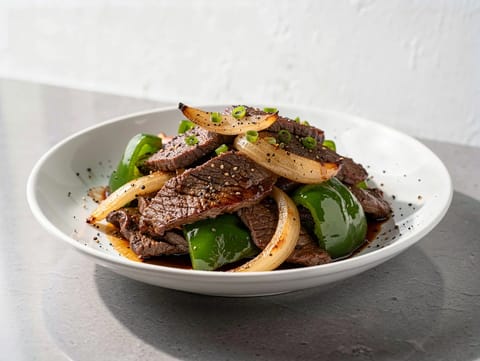
Cantonese Black Pepper Beef Stir-Fry (Peppery Beef with Peppers and Onion)
Peppery beef stir-fry with green pepper, onion and glossy sauce
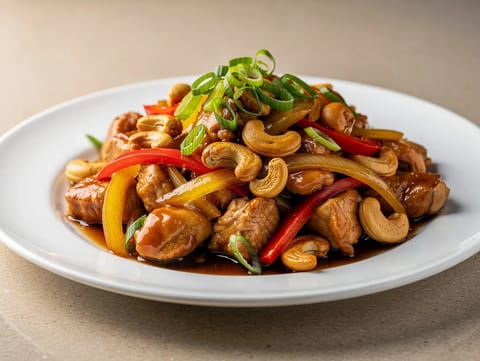
Thai Cashew Chicken Stir-Fry
Thai chicken stir-fry with cashews, peppers and oyster sauce
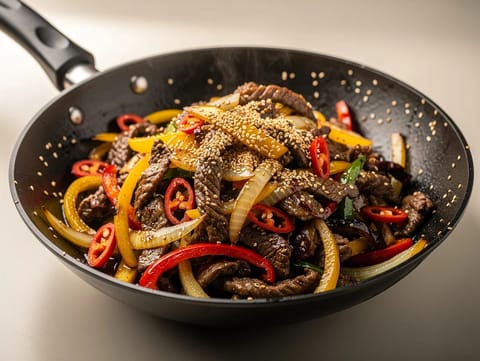
Cumin Lamb Stir-Fry (Xinjiang-Style Spiced Lamb)
Xinjiang-style cumin lamb stir-fry with chillies, onion and peppers
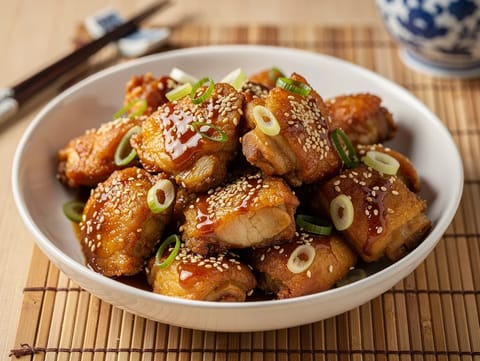
Air Fryer Sesame Chicken
Crispy air-fried chicken in a glossy sesame sauce.
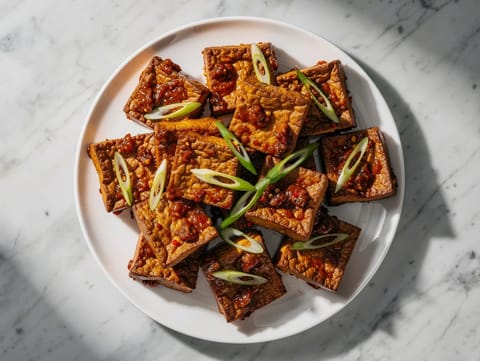
Miso Chilli Crispy Tofu
Crispy baked tofu tossed in miso chilli sauce
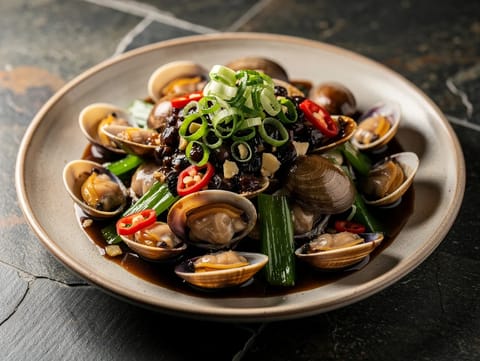
Stir-Fried Clams with Black Bean Sauce (Cantonese Seafood Dish)
Clams stir-fried in black bean sauce with garlic and chilli

Paella Mixta (Mixed Paella with Chicken, Prawns and Mussels)
Mixed paella with chicken, prawns, mussels and saffron rice
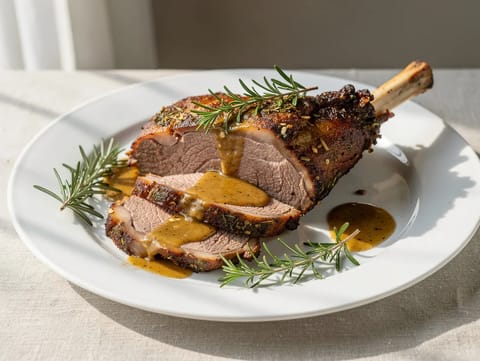
Cordero Asado (Spanish-Style Roast Lamb with Garlic and Rosemary)
Roast lamb with garlic, rosemary, lemon and white wine

Arroz con Pollo a la Cubana (One-Pot Chicken and Rice)
One-pot chicken and rice with peppers, tomatoes, peas and cumin
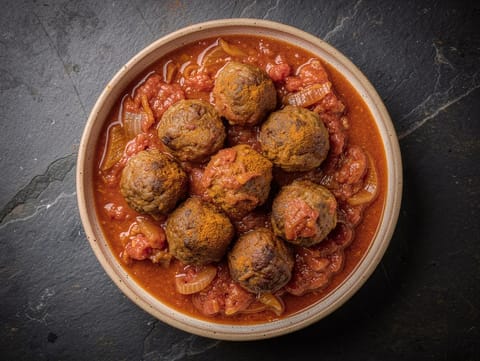
Albóndigas en Salsa (Meatballs in Tomato and White Wine Sauce)
Beef and pork meatballs simmered in tomato and white wine sauce
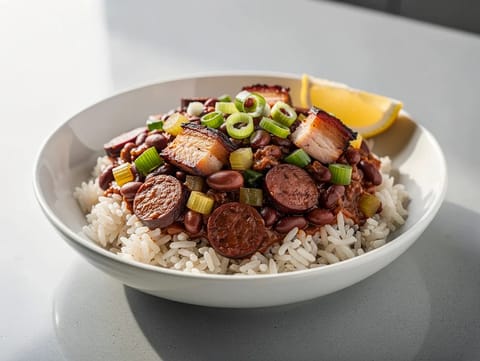
Cajun Red Beans and Rice
Creamy red beans with sausage, served over rice

Smoked Haddock Chowder
Creamy smoked haddock chowder with leeks and potatoes
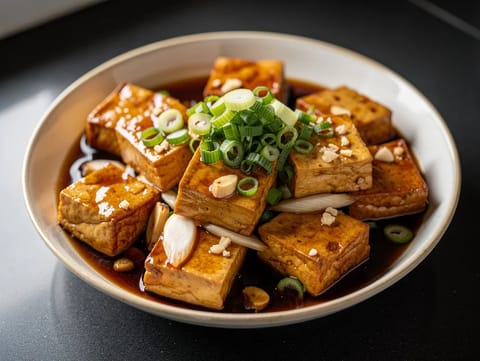
Sweet Soy Braised Tofu (Hong Shao Tofu)
Pan-fried tofu braised in a glossy sweet soy sauce
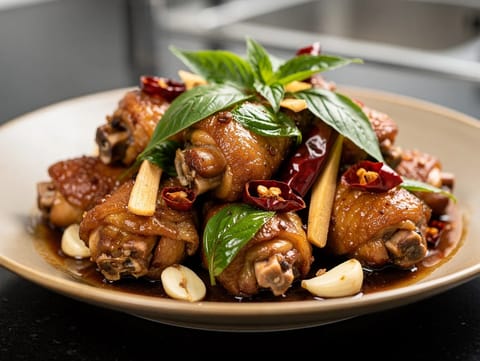
Three-Cup Chicken (San Bei Ji)
Three-cup chicken with basil, soy sauce and sesame oil
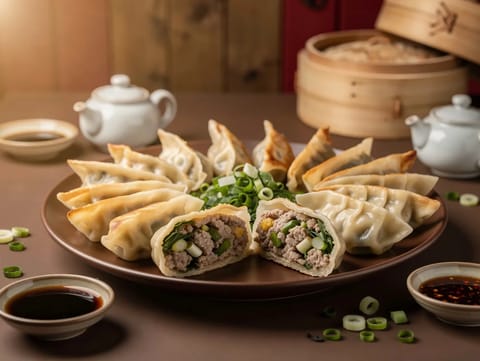
Pork and Chive Dumpling Platter (Jiaozi)
Boiled pork and chive jiaozi with soy and black vinegar
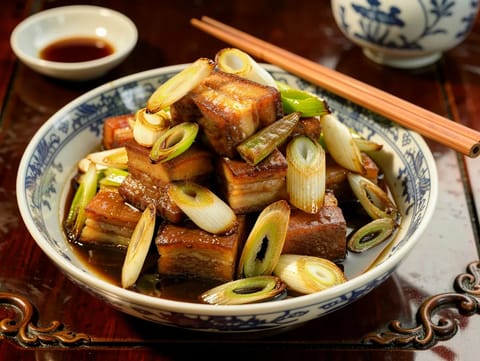
Hong Shao Rou (Red-Braised Pork Belly)
Red-braised pork belly simmered until tender and glossy

Chinese New Year Dumplings (Pork and Chinese Cabbage)
Boiled dumplings with pork and Chinese cabbage filling
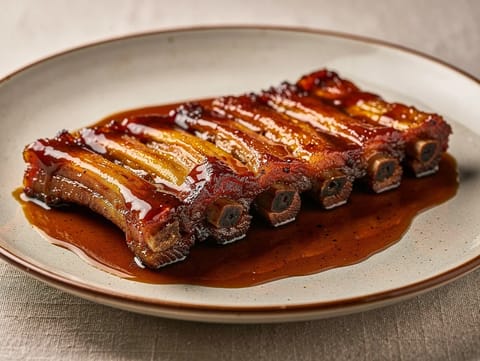
Five-Spice Pork Ribs (Holiday Style)
Sticky five-spice pork ribs roasted with soy and honey
You might also like

Latin Quinoa Soup
Tomato quinoa soup with black beans, sweetcorn and lime
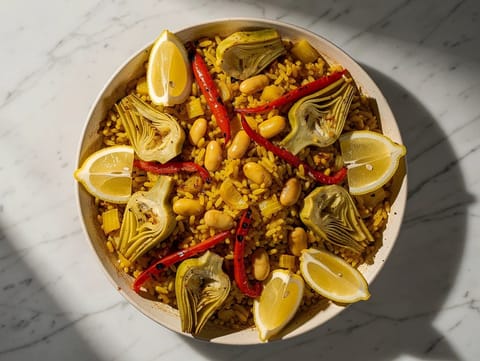
Vegetarian Paella with Artichokes and Butter Beans
Vegetarian paella with saffron rice, artichokes and butter beans
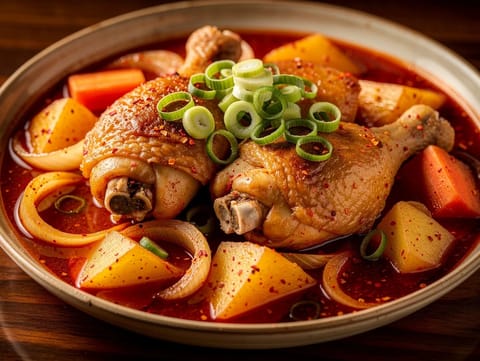
Dakdoritang (Korean Spicy Chicken Stew with Potatoes and Carrots)
Spicy Korean chicken stew with potatoes, carrots and spring onion
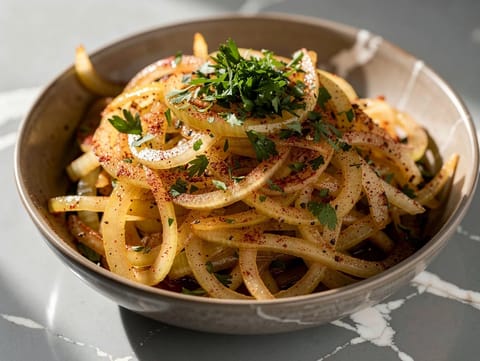
Sumac Onion Salad
Sharp sumac onion salad with lemon, olive oil and parsley

Tarte Flambée (French Flatbread with Onion and Lardons)
Crisp tarte flambée with onion, lardons and crème fraîche
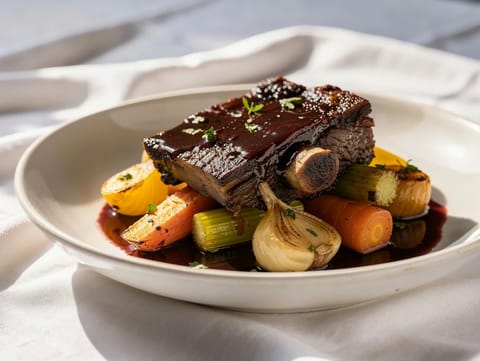
Slow-Braised Short Ribs with Red Wine
Slow-braised beef short ribs in red wine
Make this recipe easier next time
AdvertisementThese tools help you get better results with less effort.
Misen 8-Inch Chef Knife
- AUS-10 steel
- Balanced design
- Less traditional feel
Titanium & PP Double-Sided Cutting Board
- Separate surfaces for meat and produce
- Resists odors and stains
- Harder on knife edges than wood or plastic
All-Clad HA1 Hard Anodized Nonstick Fry Pan 12 Inch
- Top-tier build quality
- Excellent heat distribution
- Expensive
OXO Good Grips 2-Piece Cutting Board Set
- Two useful sizes with reversible cutting surfaces
- Dishwasher safe and easy to clean
- Plastic surfaces will show knife marks over time
Enjoy cooking with JustRecipes?
Add JustRecipes as one of your preferred Google sources to discover our recipes more easily across Google Search.
Add JustRecipes to GoogleEvery recipe on JustRecipes follows the same structured editorial process. Learn how recipes are created, validated, translated, illustrated, and continuously improved across the platform. How we create recipes.
