
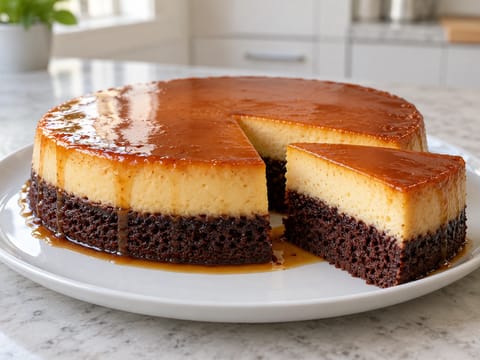
Chocoflan (Chocolate Cake with Vanilla Flan)
Caramel chocoflan with vanilla flan and chocolate sponge
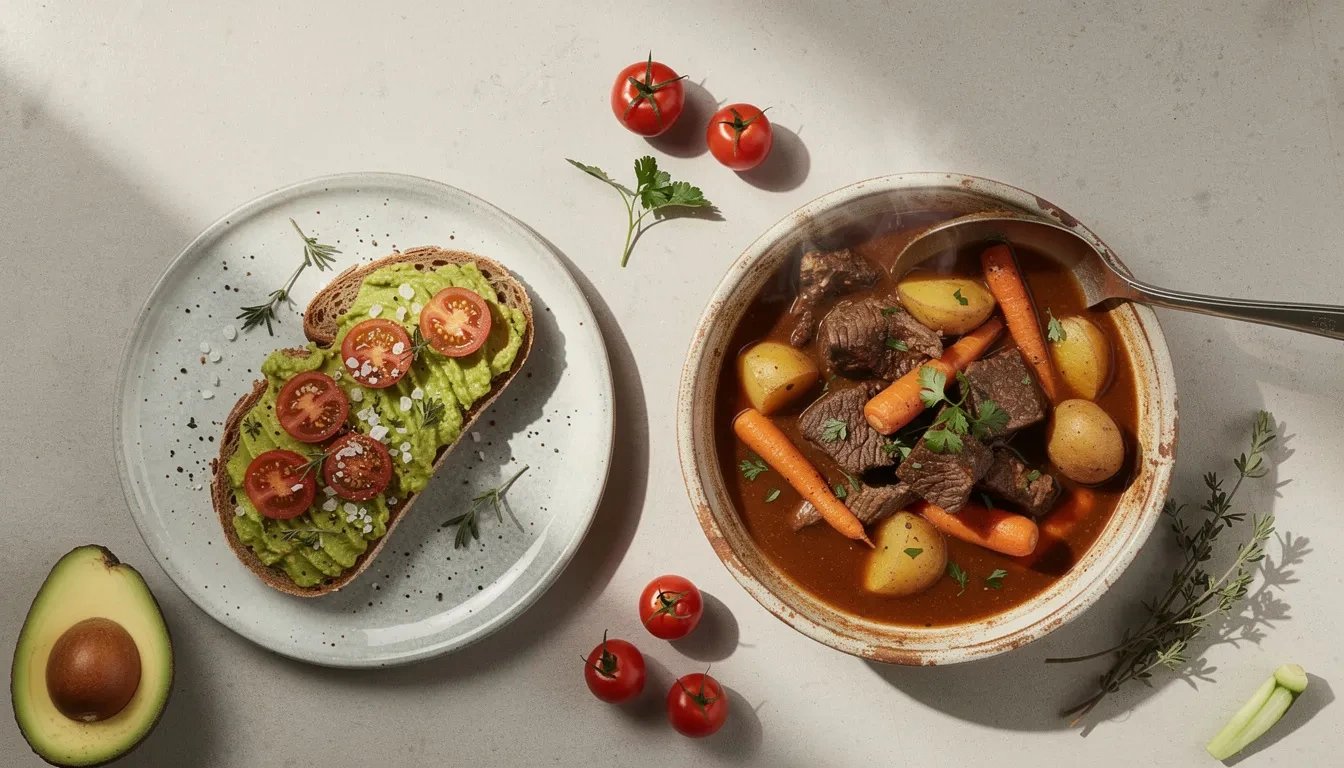
Over an hour covers very different kinds of cooking. Sometimes it’s long and gentle heat that tenderises and concentrates flavour; sometimes it’s a project with several stages; sometimes it’s waiting time for resting, cooling or setting. The useful comparison is not just “how long”, but what the recipe asks of you during that time. This page helps you choose between recipes that need attention and those that mostly look after themselves, and to spot which ones can be made ahead without losing their character.
Long cooking times usually come from one of three places: slow heat, staged processes, or built-in waiting. Slow heat includes braises, slow-roasts and steady simmers where texture changes gradually. Staged processes include dishes with separate components, such as a sauce plus a baked element, or recipes that ask you to cook, then finish under the grill.
Waiting time can be just as important: resting meat so juices settle, letting a bake cool before slicing, or allowing a dessert to set. These steps are not always “extra”; they can be what makes the final texture workable.
Over 60 minutes does not automatically mean difficult, but it often rewards organisation, because small delays compound over a longer timeline.
Caramel chocoflan with vanilla flan and chocolate sponge
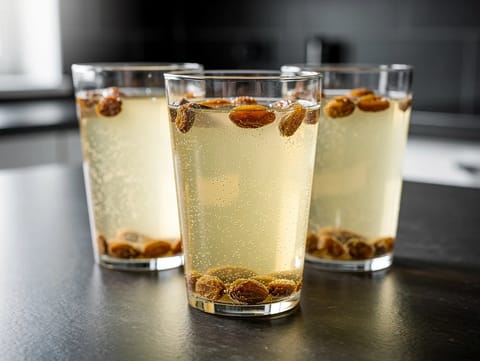
Finnish lemon sima, lightly fermented and served chilled with raisins
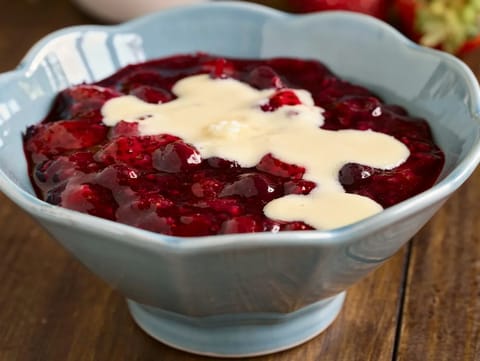
Chilled German red berry pudding thickened with cornflour
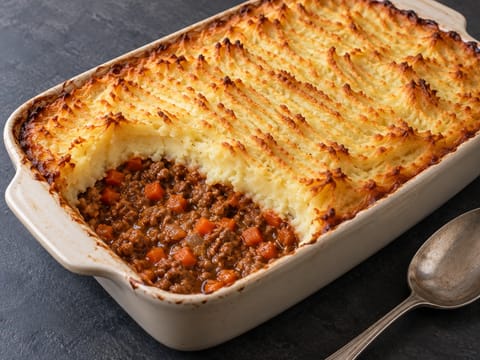
Shepherd’s pie with minced lamb and creamy mash
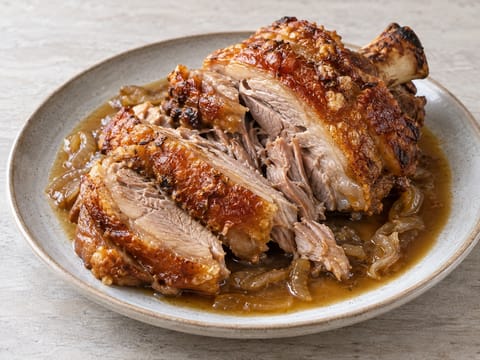
Roasted pork knuckle with garlic, caraway, crisp crackling and gravy
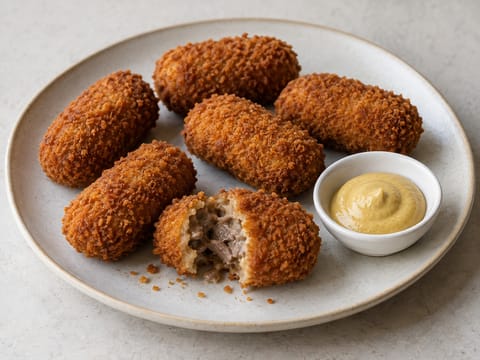
Crisp air-fried croquettes with a beef ragout filling.
If you want a low-attention cook, look for recipes where the long stretch is oven time or a gentle simmer. These often suit one-pot or one-tray formats, with a short burst of prep at the start and a check-in near the end.
If you enjoy a hands-on project, choose recipes with distinct stages: browning, building a sauce, assembling, then baking. They can be satisfying, but they are less flexible if you need to step away.
For make-ahead cooking, favour dishes that improve or hold: many stews, sauces and slow-cooked dishes reheat well, and some bakes are easier to portion once cooled. Recipes that depend on crisp crusts, puffed batters, or delicate foams are usually best closer to serving, even if parts can be prepared earlier.
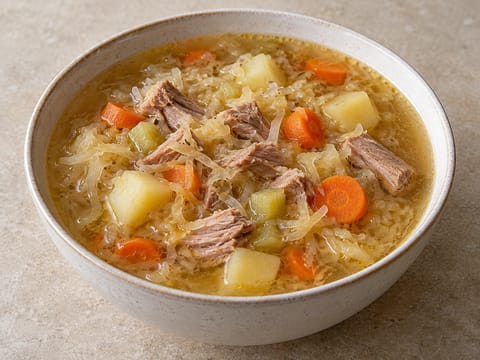
Polish sauerkraut soup with pork ribs and potatoes
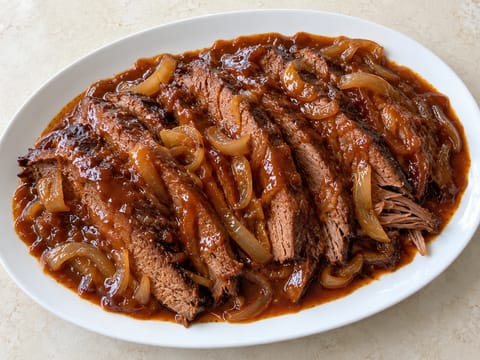
Slow-cooked beef brisket finished with glossy BBQ-style sauce
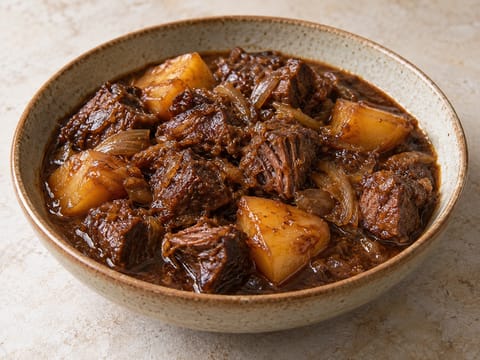
Indonesian beef stew braised in sweet soy with potatoes
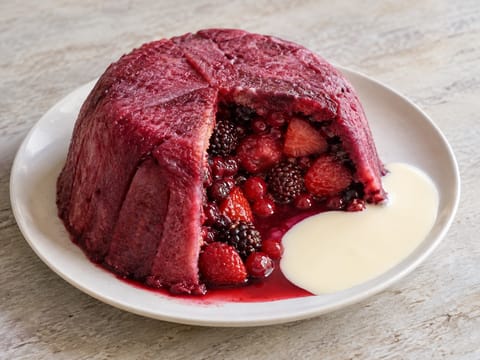
Chilled bread pudding filled with mixed berries
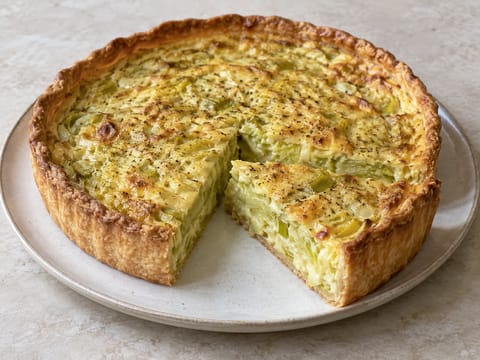
Leek and cream tart baked in a crisp pastry case
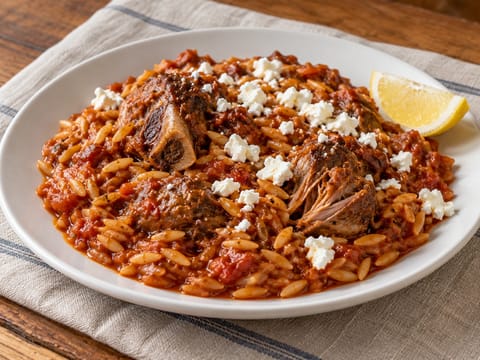
Lamb and orzo baked in tomato sauce with feta and lemon
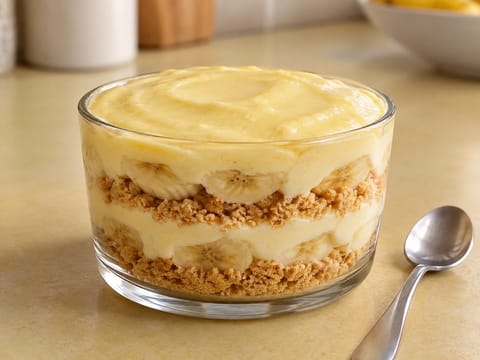
Layered banana pudding with vanilla custard and biscuits
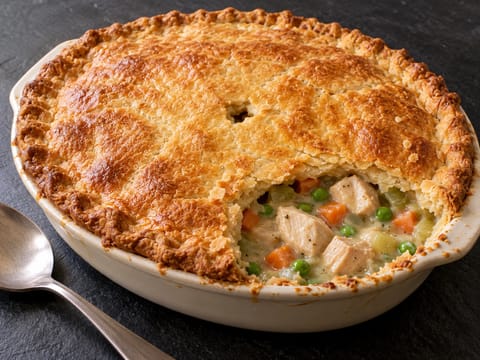
Chicken and vegetable pie with shortcrust pastry
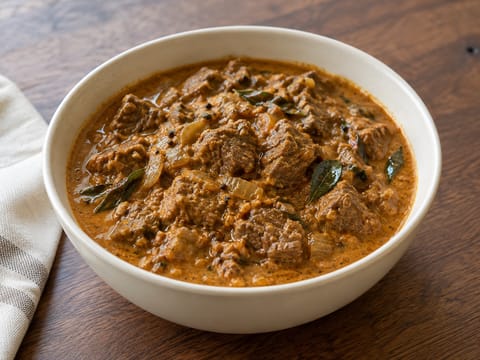
Beef curry simmered with coconut milk and curry leaves
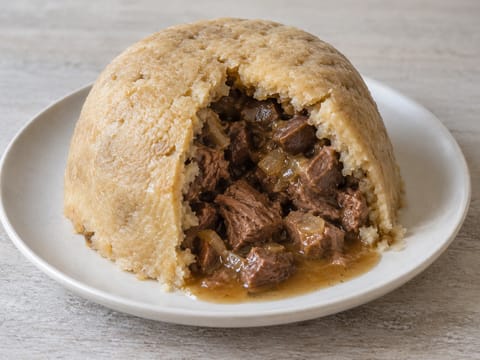
Steamed suet pudding with beef, kidney and onions
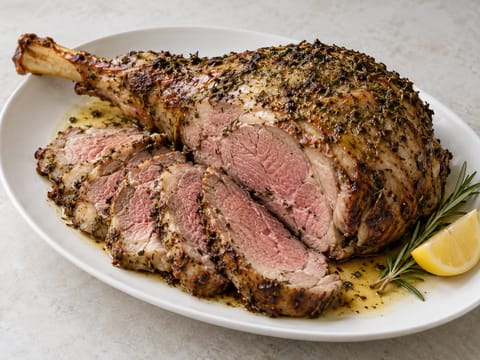
Roast leg of lamb with garlic, herbs and lemon
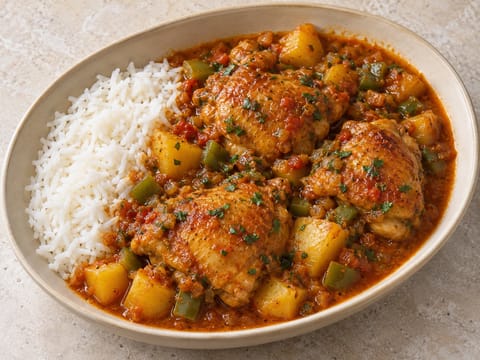
Braised chicken stew with tomatoes, peppers and potatoes
Start by identifying the “non-negotiable” time: the slow roast, the covered braise, the bake that must cool. Work backwards from that, and treat prep as the flexible part.
Use the right vessel size. A pot that’s too wide can reduce too fast; one that’s too small can boil over and force you to lower the heat, stretching the cook. For oven dishes, depth matters too: a deeper dish slows evaporation and browning.
Taste and adjust near the end, not at the beginning. Long cooks change as liquid reduces and fats render, so seasoning that seems right early on can become too strong later.
Finally, plan a finishing step. A squeeze of citrus, fresh herbs, a crunchy topping, or a quick salad can lift food that has spent a long time in the oven or pot.
Cooking method is the quickest way to compare over-an-hour recipes: a slow braise behaves very differently from a long bake or a slow roast. Difficulty can also help you judge whether the time is mostly waiting, or whether the recipe involves multiple stages and closer timing.
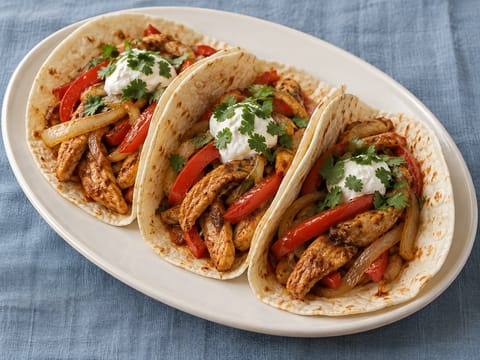
Chicken fajitas with peppers, lime, soured cream and coriander
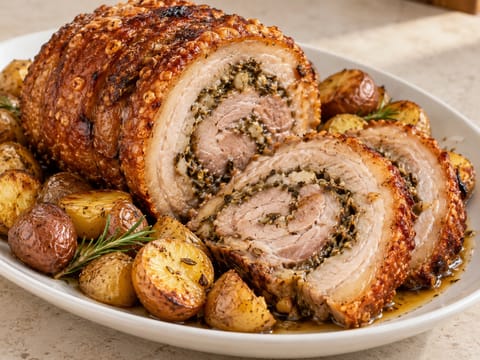
Roast pork belly with potatoes, rosemary and fennel seeds
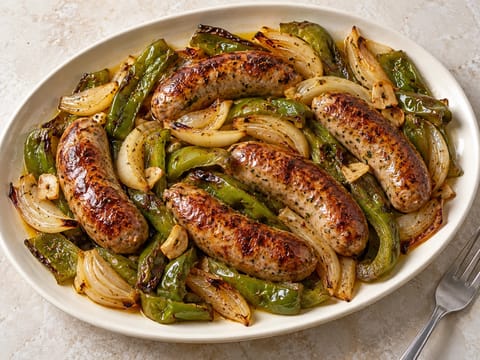
Roasted Italian sausage with peppers and onions on one tray
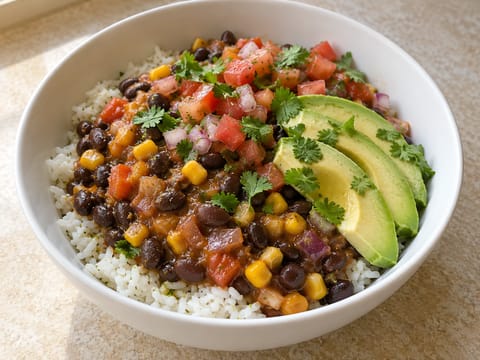
Cumin-lime rice bowl with black beans, salsa and avocado
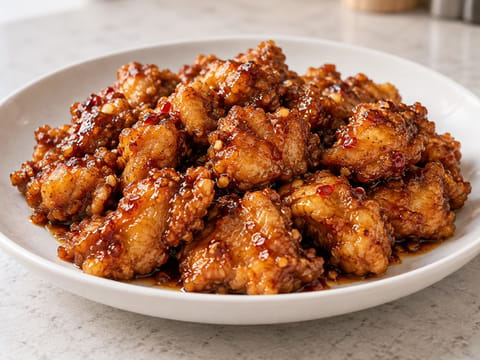
Crispy air fryer chilli chicken tossed in a glossy sauce.
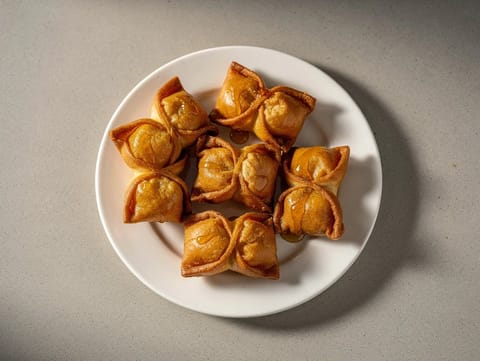
Crisp pestiños pastry fritters dipped in warm honey
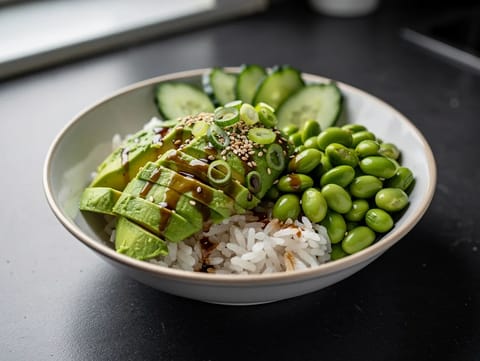
Sushi rice bowl with avocado, cucumber, edamame, and soy dressing.
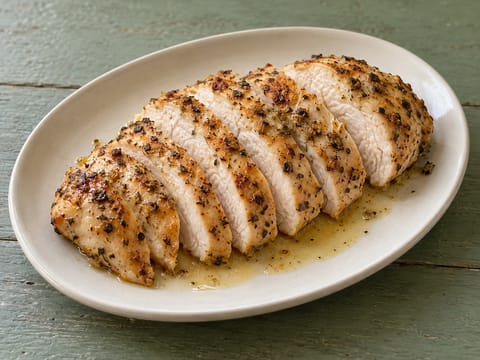
Juicy air-fried chicken breast with garlic and herbs.
Not necessarily. Many long recipes have a short active start, then a long oven or simmer period. Others are long because they include several stages that keep you involved.
Common make-ahead elements include sauces, stews, cooked grains, and some assembled bakes that can be finished later. Whether it works depends on whether the final dish relies on crispness or a just-set texture.
Resting can stabilise texture: meats reabsorb some juices, and baked dishes firm up so they slice cleanly. Skipping the rest can make food seem watery or fragile even if it is fully cooked.
Look at the ingredient and the goal. Tougher cuts and collagen-rich ingredients often need time for tenderness, while quick methods suit tender cuts and vegetables where you want freshness and bite.
Not usually, but it can extend it. Larger volumes take longer to come to temperature, and crowded trays brown more slowly. Pots and ovens also have practical limits.
Over 60 minutes can mean slow and steady, or it can mean multi-step. Decide first whether you want low attention or a cooking project, then choose methods and difficulty accordingly. When make-ahead matters, prioritise recipes that hold their texture after resting or reheating.
