
Kaki Fry (Panko-Breaded Fried Oysters)
Why this recipe works
- Crisp panko coating: The flour, egg and panko sequence helps the breadcrumbs cling evenly and fry into a light, crunchy shell.
- Richness balanced at the table: Lemon wedges and shredded cabbage cut through the fried coating, while tonkatsu sauce adds sweet-savoury depth.
- Classic Japanese breading method: Panko breadcrumbs are central to the texture, giving kaki fry its recognisable crispness without a heavy batter.
Get the most out of this recipe
Common mistakes
- Letting the oil drift too far: Keep the oil close to 170°C (340°F). Too cool and the crumbs absorb oil; too hot and the outside browns before the oysters are properly cooked.
- Frying too many at once: Cook in batches so the oil temperature stays steady and the panko has space to crisp rather than steam.
- Not cooking the oysters through: The oysters should be piping hot throughout before serving, especially when cooking for anyone more vulnerable to foodborne illness.
Texture tips
- Dry the oysters well: Drain and pat the oysters dry before breading so the flour sticks properly and the coating stays crisp.
- Drain on a rack: A cooling rack lets excess oil drip away and prevents steam from softening the underside of the coating.
- Fry only until just cooked: Oysters cook quickly, so remove them once the crumb is golden and the centre is hot to keep the texture tender.
Timing notes
- Serve straight away: Kaki fry are at their best immediately after frying, while the panko is still crisp and the oysters are juicy.
- Best eaten the day they are fried: Leftovers can be refrigerated briefly, but the coating will lose some of its light crunch.
- Reheat on a rack: Reheat leftovers on a rack in a 200°C (390°F) oven until piping hot and crisp.
Authenticity notes
- Yōshoku-style comfort food: Kaki fry sits within Japan’s yōshoku tradition of Western-influenced dishes adapted with Japanese ingredients and serving styles.
- Cabbage, lemon and sauce: Shredded cabbage, lemon wedges and tonkatsu-style sauce are classic accompaniments for panko-fried dishes in Japan.
- Teishoku-style meal: For a fuller Japanese set-meal feel, serve with steamed rice, miso soup and simple pickles.
Equipment you'll need
Ingredients
Instructions
- Finely shred the white cabbage and pile it onto two plates. Cut the lemon into wedges and set aside for serving.
- Drain the oysters well and gently pat dry. Set up a breading line: plain flour in one bowl, eggs beaten in a second bowl, and panko breadcrumbs in a third.
- Coat each oyster in the flour, shaking off the excess, then dip in the egg and finally press into the panko until well covered. Place the breaded oysters on a tray or plate as you go.
- Pour the vegetable oil into a large frying pan to a depth of about 2 to 3 cm and heat to 170°C (340°F). Fry the oysters in batches for 2 to 3 minutes, turning once, until golden and just cooked through.
- Lift out with tongs and drain on a cooling rack. Serve immediately with the shredded cabbage, lemon wedges and tonkatsu sauce for dipping.
Recipe notes
Tips
- Keep the oysters as dry as you can before breading so the coating sticks and stays crisp.
- Maintain the oil at 170°C (340°F); if it drops too low the panko will absorb oil, and if it is too hot the crumbs will brown before the oysters are cooked.
- Food safety: oysters should be cooked until piping hot throughout; this is especially important for pregnant people, young children, older adults, and anyone immunocompromised.
Substitutions
- Replace Tonkatsu sauce with Bulldog-style Japanese brown sauce for a similar sweet-savoury finish.
- Replace White cabbage with iceberg lettuce for a similarly crisp, refreshing side.
Storage
- Refrigerate up to 1 days
- Kaki fry are best eaten straight away. If you have leftovers, cool quickly and refrigerate; reheat on a rack in a 200°C (390°F) oven for 8 to 10 minutes until piping hot and crisp.
Ratings & reviews
Liked this recipe? Share your feedback to support our cooking community.
Tried this recipe?
Choose 1–5 stars. A comment is optional.
Stay inspired
Discover new recipes, seasonal favourites and cooking inspiration every day. Follow JustRecipes on Pinterest and Spillt.

Recipe overview
- Servings: 2 servings
- Total time: 40min (25min active)
- Difficulty: Medium
- Cuisine: Japanese
-
Allergens:
Eggs Gluten Molluscs Wheat
Plan your meals and get a complete grocery list automatically.
Add to meal plannerEquipment you'll need
Got ingredients left?
Find recipes using ingredients from this recipe or what you already have at home.
Find recipes with these ingredients →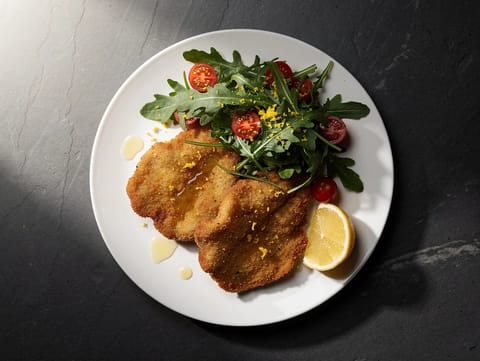
Veal Milanese with Rocket and Cherry Tomato Salad
Crisp veal Milanese with rocket and cherry tomato salad
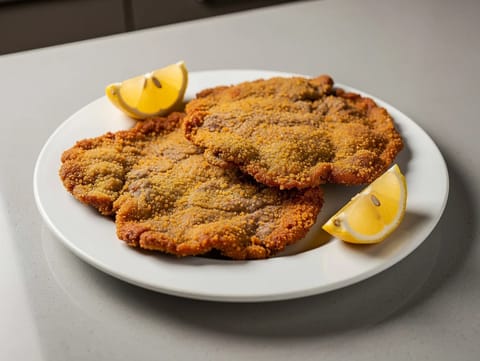
Milanesa (Breaded Beef Cutlet)
Crisp fried breaded beef cutlets served with lemon
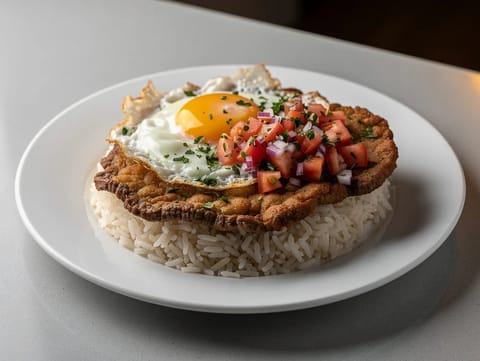
Silpancho (Bolivian Breaded Beef with Rice and Fried Egg)
Breaded beef over rice topped with a fried egg and salsa
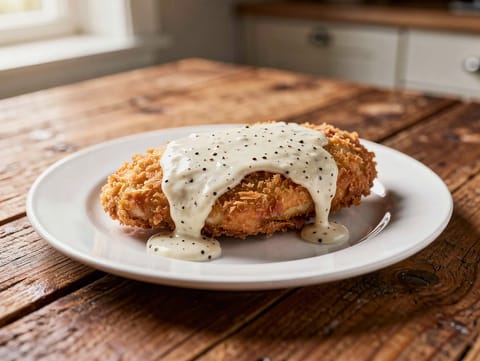
Chicken Fried Chicken with White Gravy
Crispy buttermilk chicken with peppery white milk gravy
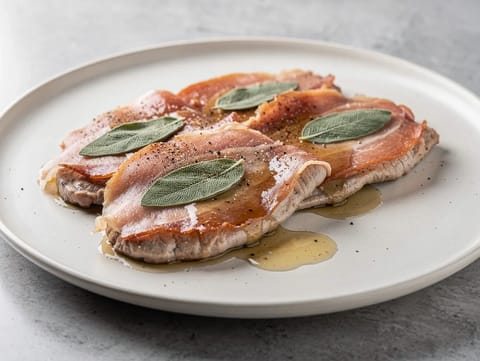
Saltimbocca alla Romana (Veal with Prosciutto and Sage)
Pan-fried veal with prosciutto, sage and white wine sauce
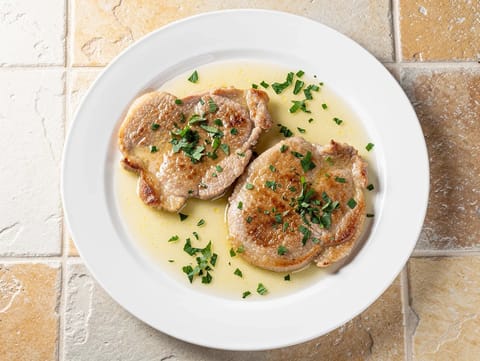
Scaloppine al Vino Bianco (Veal in White Wine, Butter and Lemon Sauce)
Pan-fried veal in a white wine, butter and lemon sauce
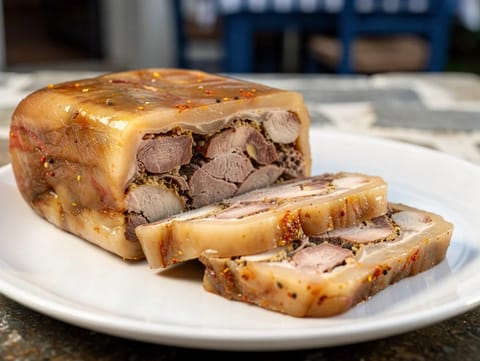
Kavourmas (Greek Cured Pork)
Greek cured pork set under its own fat
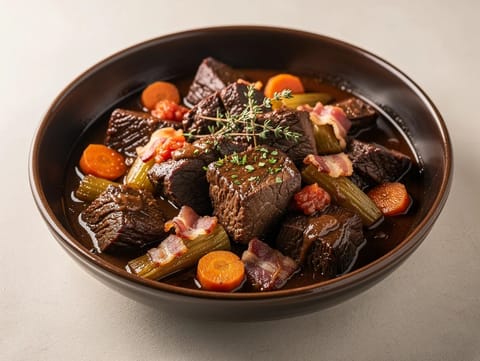
Boeuf en Daube Provençale (Provençal Beef Stew)
Slow-cooked Provençal beef stew braised in red wine
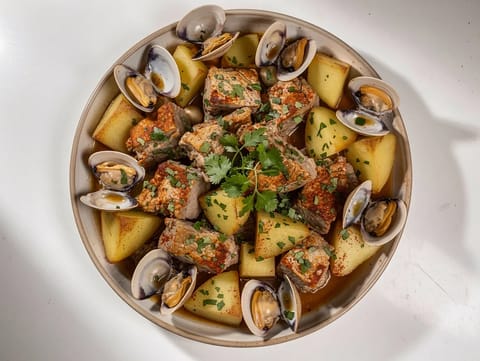
Carne de Porco à Alentejana (Portuguese Pork with Clams)
Portuguese pork with clams, garlic, white wine and fried potatoes
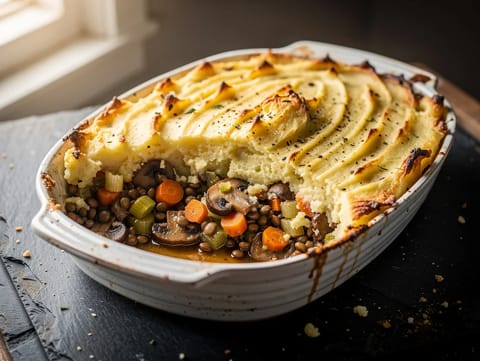
Vegan Shepherd’s Pie with Lentils, Mushrooms and Mash
Vegan shepherd’s pie with lentils, mushrooms and olive oil mash
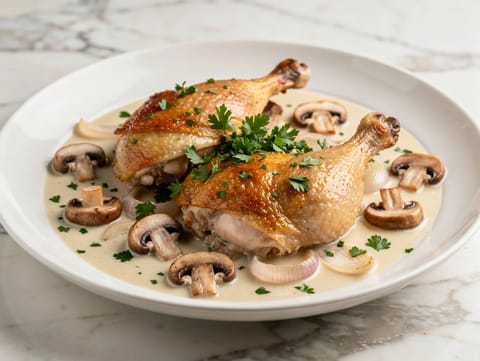
Coq au Vin Blanc (Chicken Braised in White Wine)
Chicken braised in white wine with mushrooms and herbs
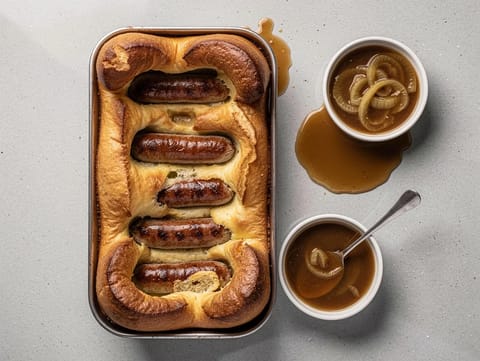
Toad in the Hole
Pork sausages baked in Yorkshire pudding batter with gravy
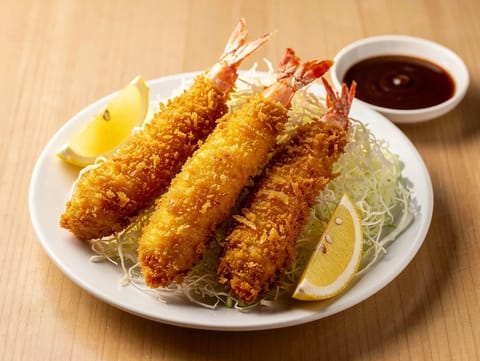
Ebi Fry (Japanese Panko-Breaded Fried Prawns)
Golden, crunchy panko-breaded prawns served with tonkatsu sauce
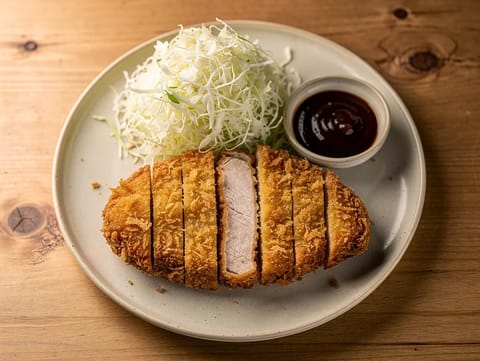
Tonkatsu (Panko Pork Cutlet with Cabbage)
Crispy tonkatsu pork cutlet with cabbage and sauce
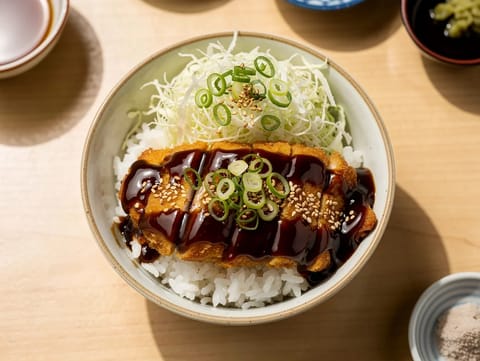
Chicken Katsu Bowl with Sushi Rice and Cabbage
Chicken katsu bowl with sushi rice, cabbage and tonkatsu sauce
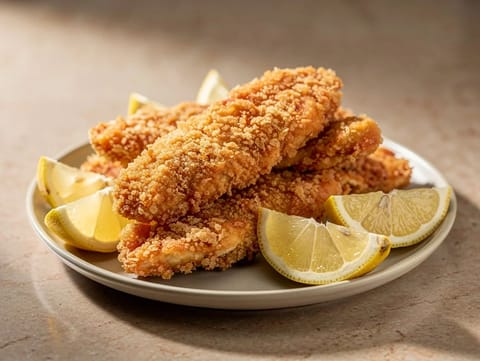
Air Fryer Extra Crispy Chicken Tenders
Panko-coated chicken tenders air fried until extra crispy.
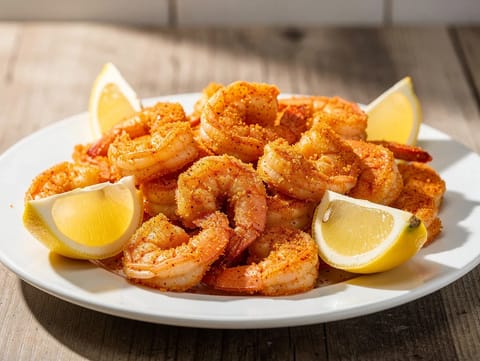
Air Fryer Breaded Shrimp
Crisp air fryer breaded shrimp with a light paprika coating.
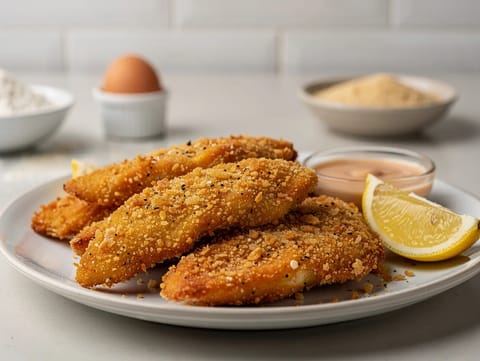
Air Fryer Panko Chicken Tenders
Crispy panko chicken tenders cooked quickly in the air fryer.
You might also like
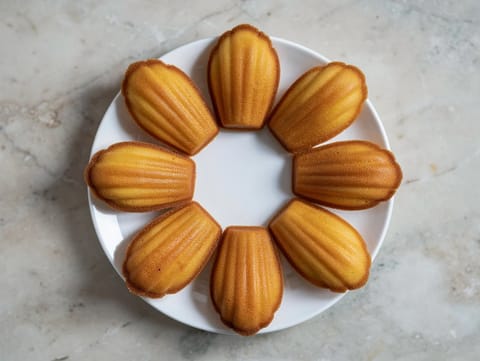
Madeleine Cakes
French shell-shaped sponge cakes with lemon and vanilla
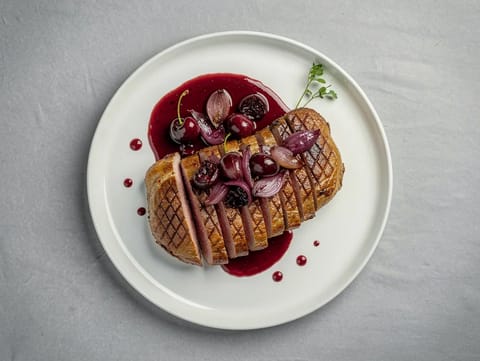
Magret de Canard (Duck Breast with Cherry Sauce)
Pan-seared duck breast with a cherry and red wine sauce
Macaroni Salad with Ham
Creamy macaroni salad with ham and celery
Air Fryer Crispy Chicken Sandwich
Crispy air-fried chicken in a bun with lettuce and tomato.
Hummus with Spiced Lamb
Creamy hummus topped with cumin-spiced minced lamb
Leek and Potato Soup with Crusty Bread
Smooth leek and potato soup finished with double cream
Make this recipe easier next time
AdvertisementThese tools help you get better results with less effort.
Misen Carbon Steel Nonstick Frying Pan 12 Inch
- Works on all stovetops
- Naturally nonstick when seasoned
- Requires seasoning and maintenance
Pyrex Glass Mixing Bowls with Lids
- Microwave safe
- BPA-free lids
- Glass is heavier
All-Clad HA1 Hard Anodized Nonstick Fry Pan 12 Inch
- Top-tier build quality
- Excellent heat distribution
- Expensive
KitchenAid Stainless Steel Mixing Bowls
- Non-slip base
- Stainless steel
- Not microwave safe
Enjoy cooking with JustRecipes?
Add JustRecipes as one of your preferred Google sources to discover our recipes more easily across Google Search.
Add JustRecipes to GoogleEvery recipe on JustRecipes follows the same structured editorial process. Learn how recipes are created, validated, translated, illustrated, and continuously improved across the platform. How we create recipes.
