

Rote Grütze (German Red Berry Pudding)
Chilled German red berry pudding thickened with cornflour

Meal time is a simple way to narrow down what will feel right on the table, even before you decide on a cuisine or a specific dish. A breakfast idea often leans towards quick assembly and warm drinks; lunch tends to suit portable, make-ahead-friendly food; dinner can accommodate longer cooking and fuller plates. Use these meal-time groupings to match appetite, pace and setting, then refine by course or cooking time when you need something more specific.
Meal time groups recipes by the time of day you’re likely to eat them, not by whether they are a starter, main or dessert. That matters because the same dish can move between moments: soup can be lunch or dinner; a slice of cake can be dessert or tea-time baking. Meal time is also separate from cooking time. Some breakfast foods are slow (porridge, baked dishes), while some dinners are fast (stir-fries, salads). Think of this as a cue for portion size, temperature and practicality: whether you want something hand-held, something that sits well on a plate, or something that pairs naturally with coffee, tea or a cold drink.
Chilled German red berry pudding thickened with cornflour

Caramel chocoflan with vanilla flan and chocolate sponge
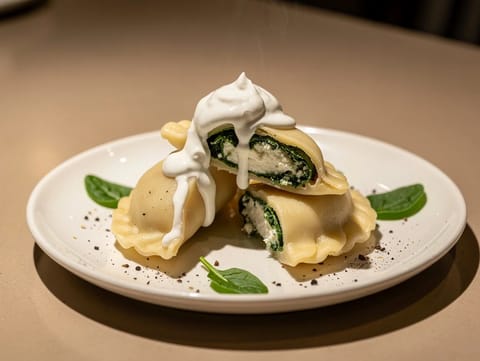
Pierogi filled with spinach and ricotta
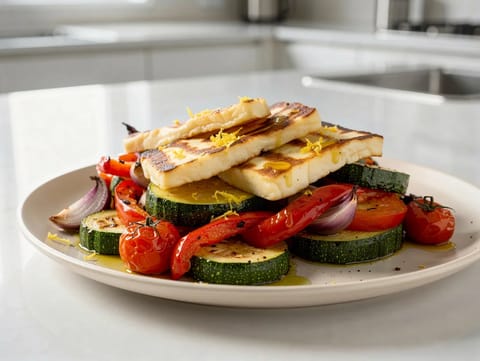
Halloumi traybake with roasted courgette, pepper and tomatoes
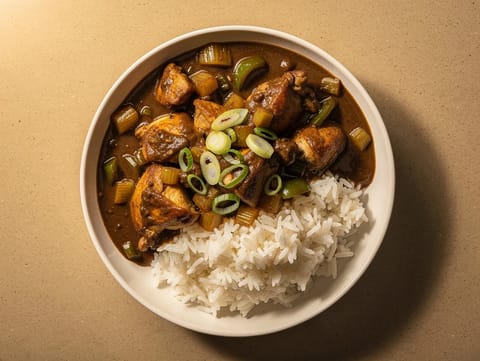
Cajun chicken étouffée with dark roux served over rice
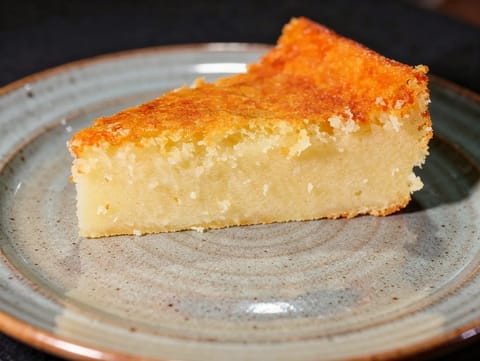
Dense Portuguese almond cake finished with icing sugar
Early morning and breakfast time tend to suit food that comes together with minimal decision-making: toastable, spoonable, or ready to eat with fruit and yoghurt-style pairings. Brunch time often sits between breakfast and lunch, where eggs, bakes and shareable plates make sense. Lunch time commonly favours packable meals, soups, salads and sandwiches-style ideas that hold up without last-minute fuss. Afternoon snack and tea time lean towards smaller portions, often with baking, biscuits, cakes or savoury nibbles. Dinner time is the broadest moment, covering everything from quick one-pan meals to longer-cooked dishes. Late-night snack is usually about something small, satisfying and low-effort, rather than a full spread.
Pierogi filled with spinach and ricotta
Cajun chicken étouffée with dark roux served over rice
Caramel chocoflan with vanilla flan and chocolate sponge
Dense Portuguese almond cake finished with icing sugar
Halloumi traybake with roasted courgette, pepper and tomatoes
Chilled German red berry pudding thickened with cornflour
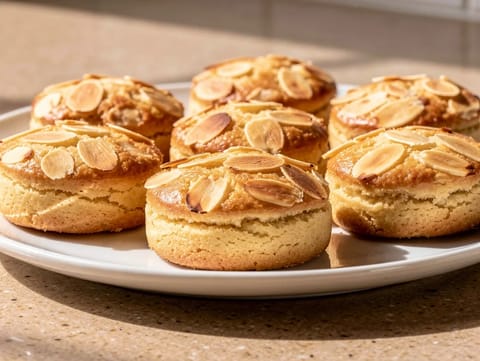
Buttery Dutch cookies with a thick almond paste filling
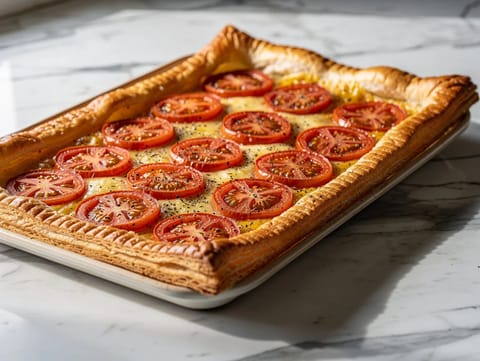
Puff pastry tart with Dijon mustard, tomatoes and Gruyère
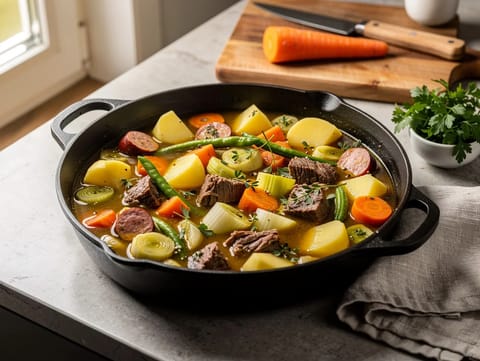
German one-pot stew with smoked sausage, beans and potatoes

Dense Breton butter cake with vanilla and egg yolks
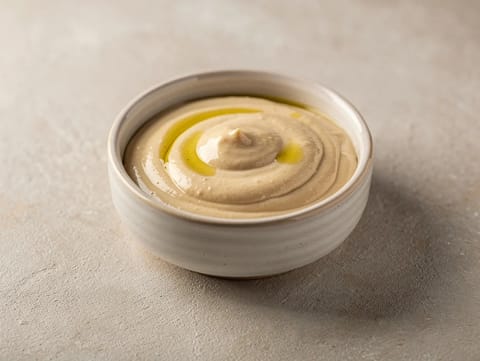
Smooth tahini sauce with lemon, garlic and water
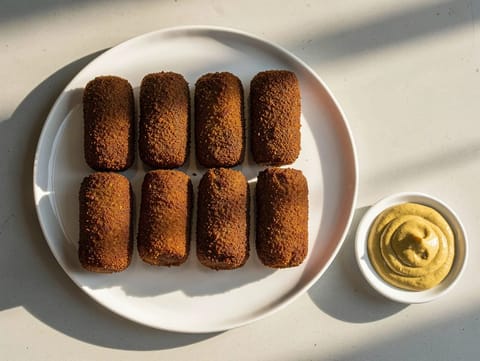
Dutch beef ragout croquettes with a crisp breadcrumb coating
Start with appetite and setting. If you need something that won’t feel heavy, look towards breakfast, afternoon snack or tea time, where smaller portions and lighter textures are common. If you need a meal that carries you through the afternoon or evening, lunch and dinner time are more likely to fit. Next, consider whether you’ll be eating at a table or on the move: lunch and snack moments often suit hand-held or easily packed food. Finally, be honest about pace. Early morning and late-night snack choices usually reward minimal prep, while brunch and dinner can be the moments where you’re more willing to cook, set out toppings, or bring a few elements together.
If you know when you’re eating but not what, browsing by Course helps you decide the role the recipe will play, such as a main, side, bake or dessert. Cooking time is the practical partner to meal time: it helps you match the recipe to the time you actually have, whether you’re squeezing in breakfast or planning a slower dinner.
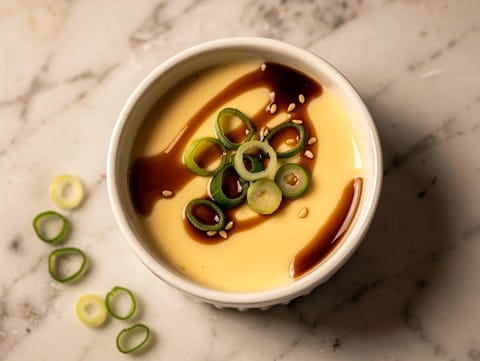
Silky steamed egg custard with soy sauce, sesame oil and spring onion
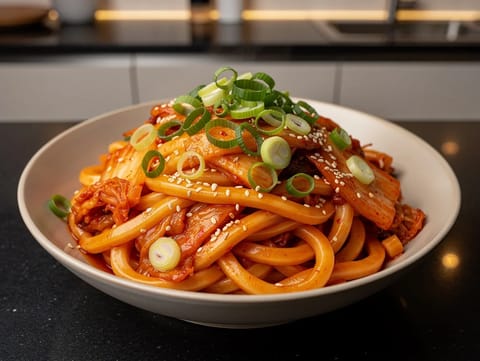
Kimchi and gochujang udon stir-fry with sesame and spring onions
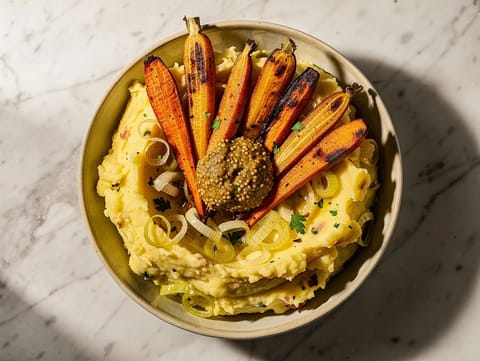
Leek mash topped with roasted carrots and parsnips
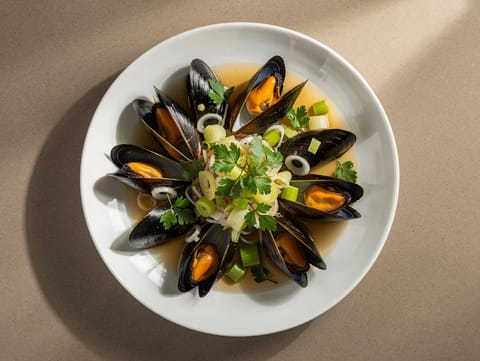
Mussels steamed in white wine with leeks and celery
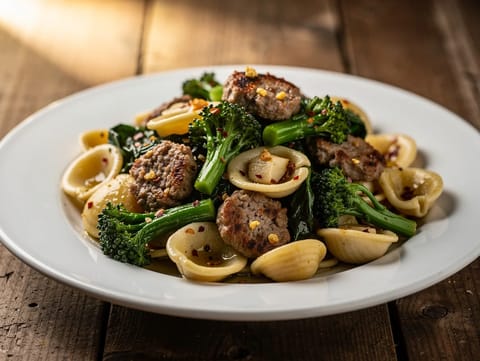
Orecchiette with broccoli rabe, sausage, garlic and chilli

Crisp fritters made with salted cod, spring onion and chilli
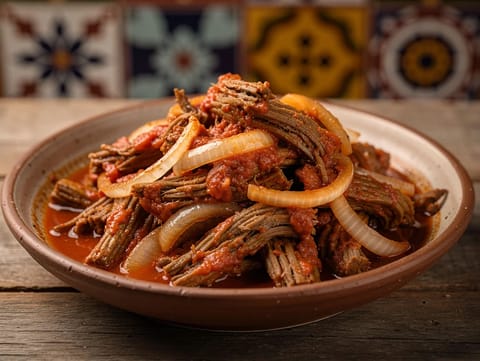
Shredded beef simmered in a smoky chipotle tomato sauce
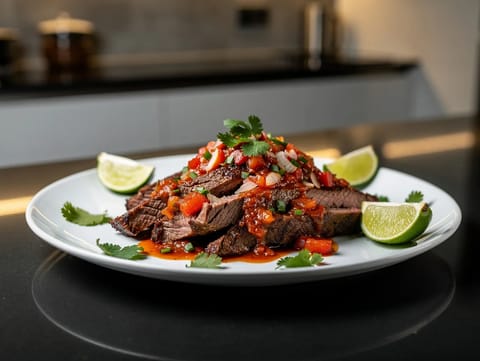
Grilled flank steak with lime and garlic, topped with salsa roja
Meal time is about when you eat; course is about the job the dish does on the table. A cake can be dessert or tea time, and soup can be a starter or a main, depending on how you serve it.
Not necessarily. Many lunch-time dishes work well for dinner, especially soups, salads and quick assembled meals. Dinner time is useful when you want ideas that naturally suit a fuller evening meal.
Afternoon snack is a broad “something small” moment, often savoury or sweet. Tea time is more tied to the idea of eating with tea, which often points you towards baking, biscuits, cakes and small sandwiches-style bites.
It can be, but brunch often allows for more cooking and more sharing. Dishes that feel too substantial for a weekday breakfast, such as egg-based plates, bakes and spread-out toppings, often sit comfortably at brunch.
No. It’s common to find quick and slow recipes in the same meal time. Use cooking time alongside meal time when your schedule is the deciding factor.
In practice, yes. Many foods are flexible across the day, and serving size and sides can shift a recipe from snack to lunch, or from lunch to dinner.
Choose a meal time first when you want ideas that match the rhythm of your day, then refine by course and cooking time to land on something that fits your appetite, your schedule and how you plan to serve it.
