

Caffè Leccese (Iced Coffee with Almond Milk)
Iced espresso with sweetened almond drink

Almonds can be a main ingredient, a quiet background note, or a finishing garnish, and the right substitute depends on which role they play. This page focuses on practical swaps for almond flour, ground almonds, almond extract and sliced or flaked almonds, alongside the label details that matter when you are avoiding almonds. Because almonds are a tree nut, it is also worth thinking about cross-contact in kitchens and factories, especially with packaged flours, chocolate and bakery-style ingredients.
Almonds turn up in several distinct forms, and they behave differently. Whole, flaked and chopped almonds are usually there for crunch and a toasted aroma. Ground almonds and almond meal add richness and moisture, and they can soften the crumb in cakes and biscuits because they contain fat and little to no gluten. Almond flour is often more finely milled, which can change how quickly it absorbs liquid. Almond extract and almond essence are flavourings rather than nuts, but they are still something to treat cautiously because ingredients and manufacturing vary. Almonds also appear indirectly in marzipan and almond paste, praline, frangipane-style fillings, and some plant-based drinks and creams used in cooking.
Iced espresso with sweetened almond drink
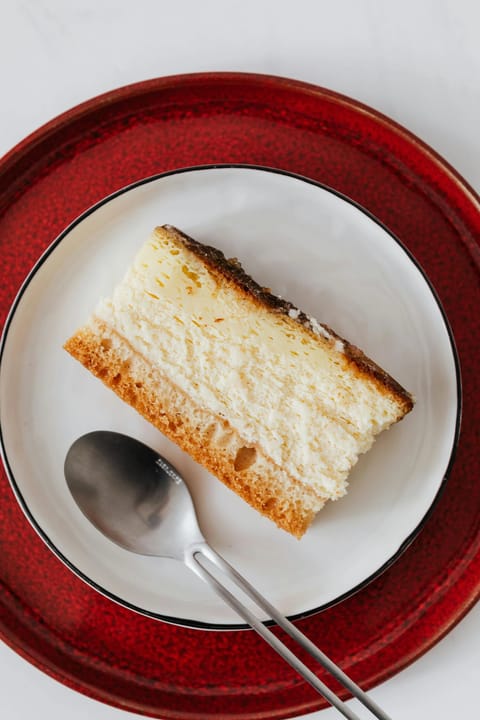
German honey almond cake filled with vanilla custard cream
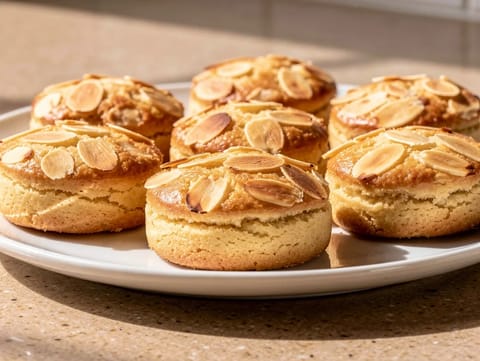
Buttery Dutch cookies with a thick almond paste filling
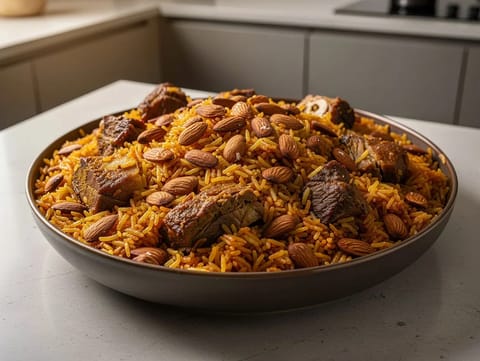
Slow-cooked lamb with spiced rice and toasted almonds
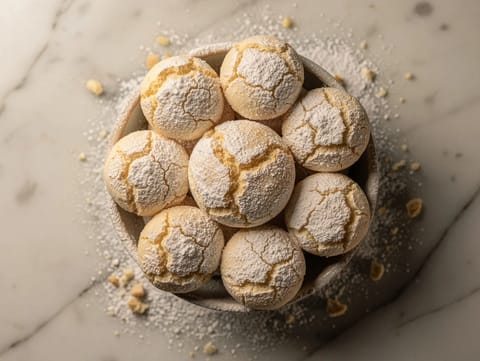
Soft almond macaroons with a crisp icing sugar crust

Slow-reduced milk dessert with cardamom, saffron, pistachios and almonds
For crunch and garnish, the simplest approach is to swap in another crisp topping that toasts well, such as seeds (pumpkin, sunflower or sesame) or toasted coconut flakes, depending on the flavour profile of the dish. For ground almonds in baking, look for an ingredient that brings body and some fat: finely ground sunflower seeds are a common stand-in, though they can sometimes shift colour in baked goods. Oat flour or plain flour can work in some recipes, but they change tenderness and structure, so they are not a like-for-like replacement.
For almond extract, think about what it is contributing: a sweet, perfumed note. Vanilla, citrus zest, or a small amount of a compatible spice can replace the aroma without imitating it exactly. If a recipe relies on marzipan or almond paste for both flavour and texture, it is usually better to choose a different filling style rather than forcing a direct swap.

Vermicelli simmered in sweetened milk with dates, raisins and nuts
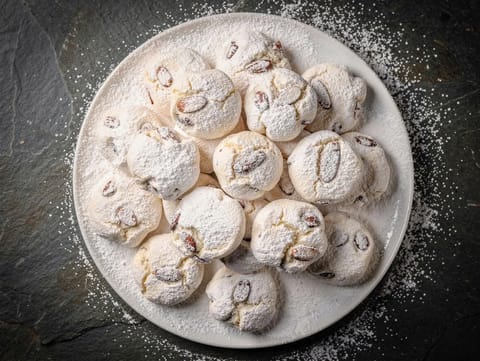
Greek almond biscuits baked crumbly and dusted with icing sugar
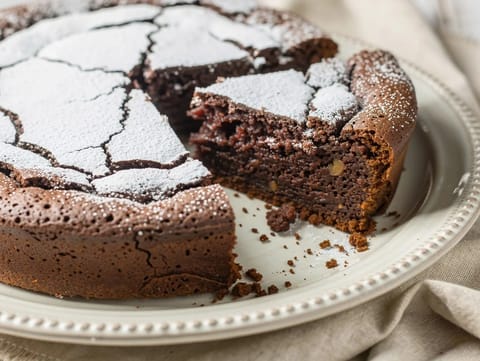
Flourless chocolate and almond cake with a fudgy centre
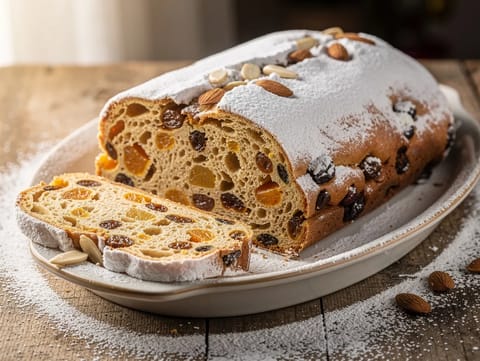
German Christmas fruit bread with raisins, peel and almonds

Pan-fried trout finished with toasted almonds, butter and lemon
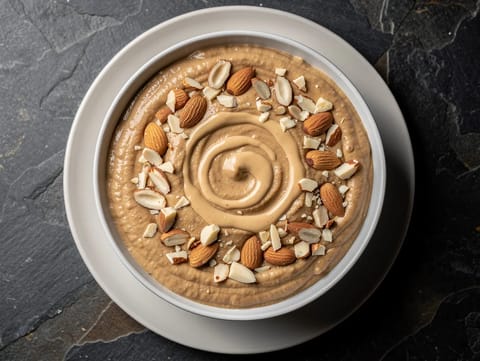
Date and tahini smoothie bowl with banana and yoghurt
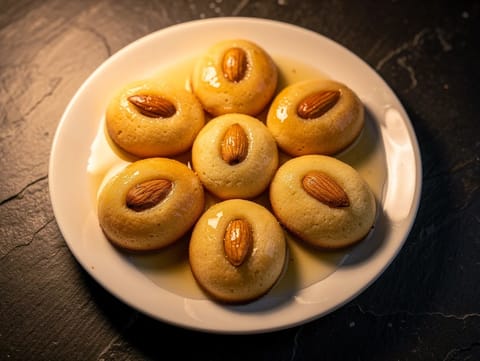
Tender semolina biscuits soaked in lemon syrup
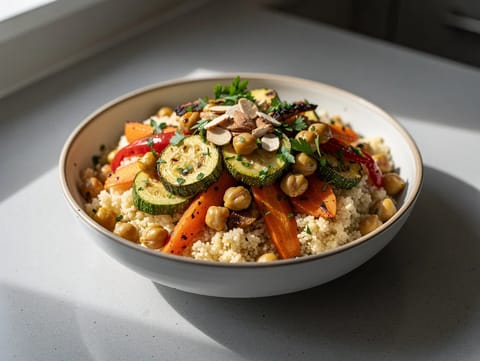
Couscous bowl with roasted vegetables, chickpeas and lemon tahini dressing
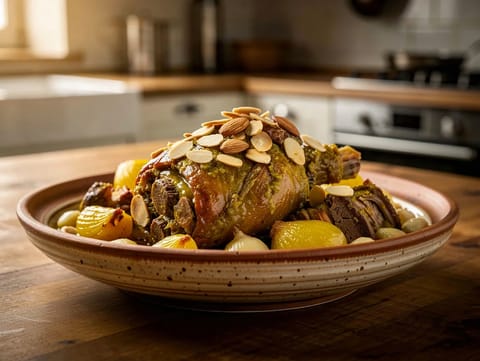
Slow-cooked lamb tagine finished with honey and almonds
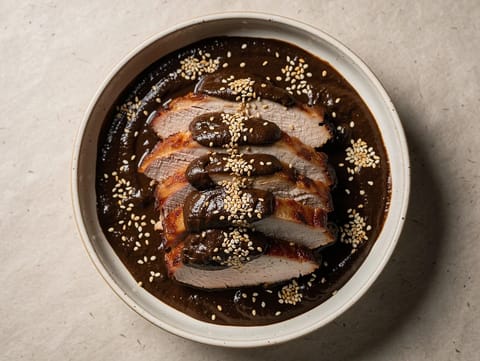
Roast turkey served with traditional mole sauce and dark chocolate
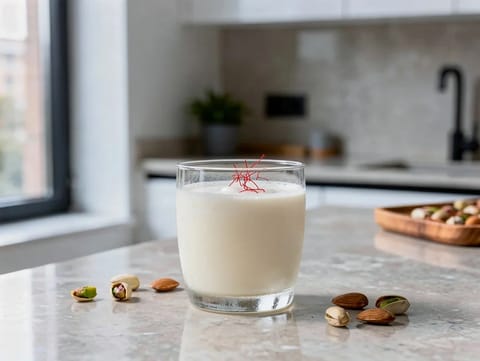
Chilled thandai made with spiced milk and blended almonds
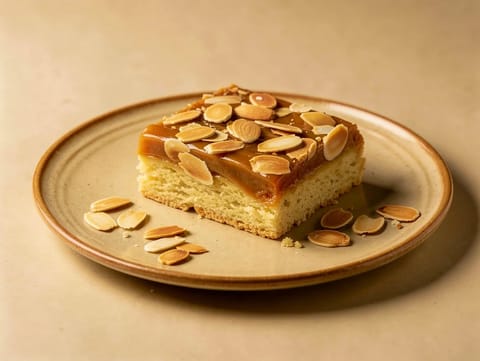
Polish shortcrust tart topped with caramel and toasted almonds
This label is a browsing aid, not a safety guarantee. If you need to avoid almonds, check ingredient lists for almond flour/meal, marzipan, praline, frangipane and nut pastes, and be alert to almond appearing in chocolates, biscuits and bakery items. With packaged ingredients, also consider advisory statements such as ‘may contain’ or ‘made in a facility’ where relevant to your needs. Cross-contact can happen easily when nuts are chopped on shared boards, blended in shared machines, or used as a garnish in the same kitchen.
If you are planning swaps, browsing by Ingredient can help you compare alternatives such as seeds, coconut, oats or different flours and see how they are used across savoury and sweet recipes. Diet categories can also be useful when almond flour is used to meet a particular eating style, so you can find recipes that reach a similar result without relying on almonds.

Chicken thighs simmered in tomato and red wine sauce
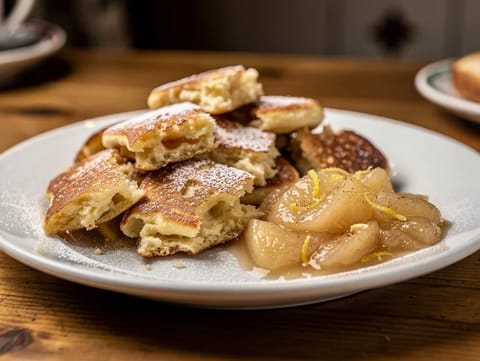
Fluffy torn pancake with raisins, icing sugar and apple compote

Dry white wine mixed with crème de cassis
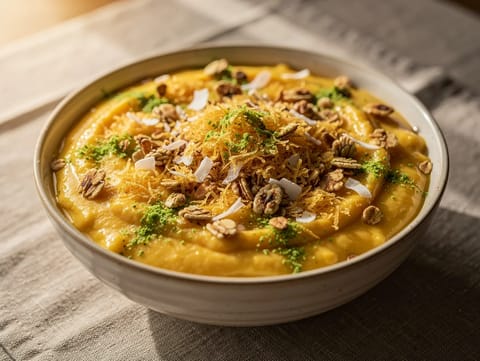
Mango and pineapple smoothie bowl with coconut yoghurt and granola.
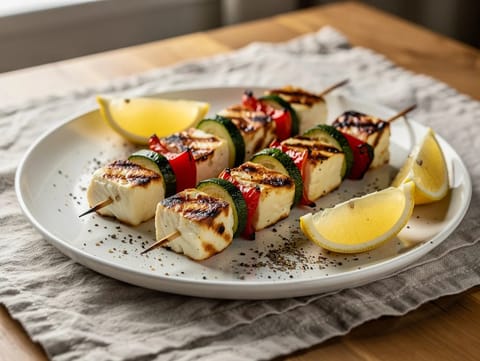
Grilled halloumi skewers with courgette, red pepper and oregano
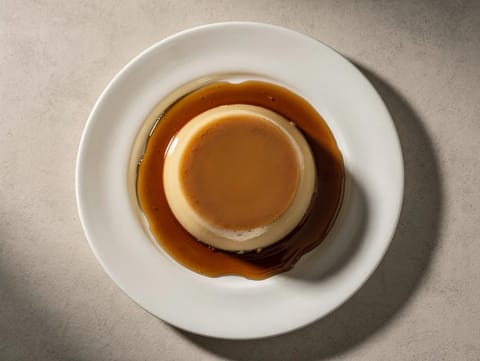
Light Spanish flan with caramel sauce
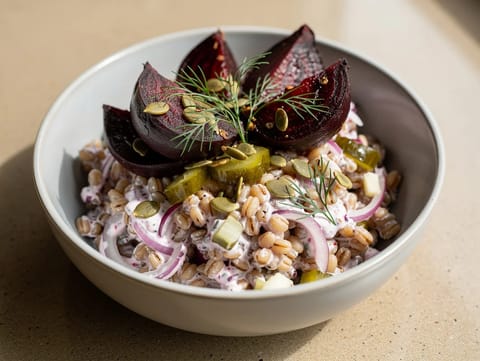
Roasted beetroot and barley bowl with horseradish dressing

Thick egg-yolk custard liqueur blended with brandy
They are closely related, but not always identical. Almond flour is often more finely milled and sometimes made from blanched almonds, while ground almonds may be coarser and include skins. That difference can affect texture and how much liquid a batter absorbs.
Choose something that toasts and stays crisp: pumpkin or sunflower seeds, sesame seeds, or coconut flakes are common options. Pick based on the flavour of the bake rather than trying to mimic almonds exactly.
If almonds are only a garnish, often yes. If they are part of the structure, such as ground almonds in a cake or a nut paste in a filling, leaving them out can make the result dry, fragile or lacking body, so a replacement is usually needed.
It depends on the product. Some flavourings are made with bitter almond oil, others are synthetic. If you are avoiding almonds, treat extracts cautiously and check the label and manufacturer information.
They are sometimes used for an almond-like flavour, but they are not a straightforward or universally appropriate substitute. For allergen avoidance, it is safer to choose a different flavour direction such as vanilla or citrus.
A few ingredients can read as almond-adjacent, especially vanilla, stone-fruit notes and certain toasted seeds. That can be useful when you want a similar impression without using almonds, but it will not replicate almond paste or marzipan texture.
Start by identifying whether almonds are providing crunch, moisture, structure or aroma, then substitute for that job. When in doubt, choose recipes that do not rely on almond flour or nut pastes for their basic shape, and always confirm packaged ingredients and kitchen practices if almond avoidance is essential.
