
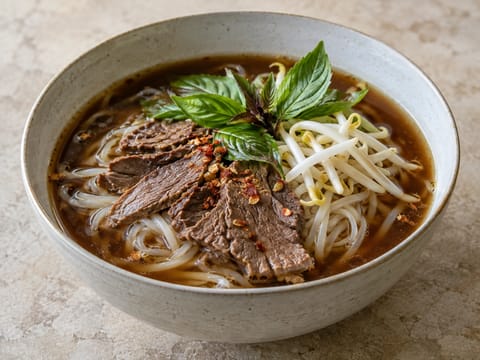
Boat Noodles (Thai Beef Noodle Soup)
Thai rice noodle soup with beef and dark broth

Soy can be straightforward when it is tofu or edamame, and surprisingly easy to miss when it is part of a sauce, a seasoning, or a cooking fat. If you are avoiding soybeans, cross-contact and label language matter as much as the recipe itself, because soy-derived ingredients are common in packaged foods. This page focuses on the practical places soy turns up, how to think about substitutions without assuming they are equivalent, and when it is safer to choose a different recipe direction.
This label indicates that soybeans or soy-derived ingredients are intentionally included. That may be obvious, such as tofu, tempeh or edamame, but it can also be indirect, such as soy sauce and other soy-based seasonings. Soy can contribute protein and texture in set products like tofu, but it can also function as a salty, savoury backbone in sauces and marinades.
Because soy appears in many processed ingredients, the boundary between “soy in the recipe” and “soy in a component” can be thin. Reading the ingredient list for every packaged element is often the deciding step.
Thai rice noodle soup with beef and dark broth
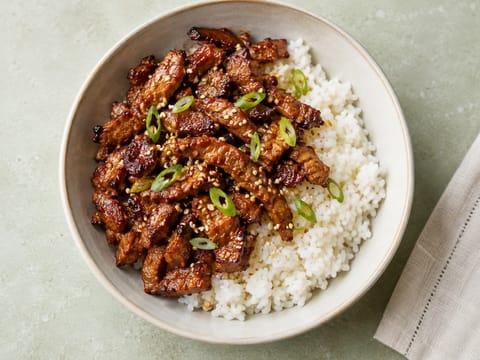
Air-fried spicy pork with gochujang, soy and garlic.
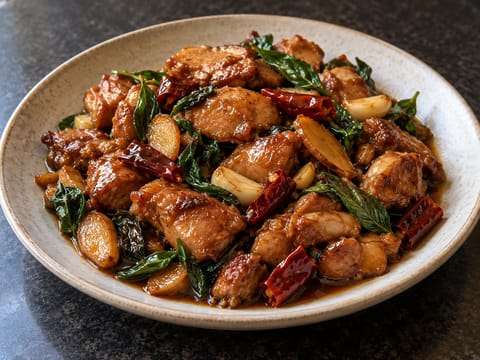
Three-cup chicken with basil, soy sauce and sesame oil
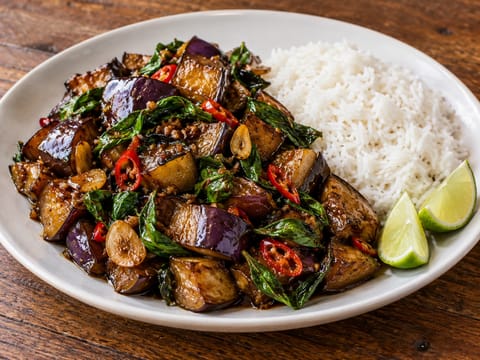
Aubergine stir-fry with Thai basil, garlic and chilli
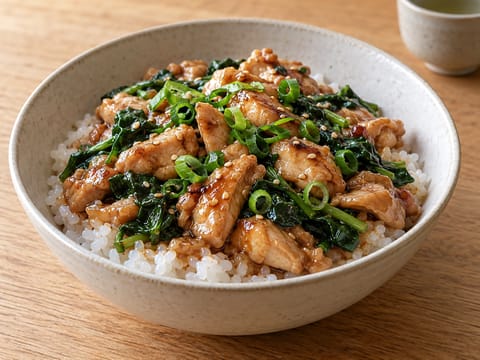
Chicken rice bowl with soy, mirin, ginger and spinach
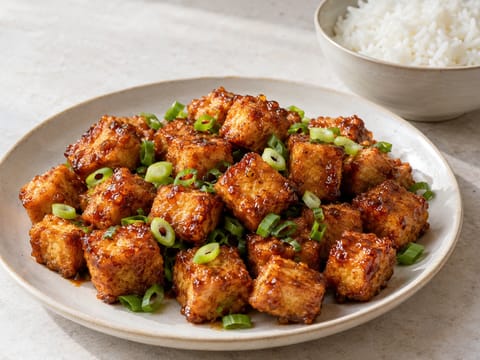
Extra-crispy tofu with a soy and hoisin glaze.
If soy is present as a main ingredient, such as tofu, substitution is usually about replacing texture and how the ingredient absorbs flavour. Other plant-based proteins may work, but they behave differently in heat and in marinades, so expect to adjust cooking method and seasoning.
If soy is present as a sauce or seasoning, you are replacing saltiness, umami and sometimes sweetness. Alternatives exist, but they vary widely in strength and ingredients, and some are fermented or aged, which changes flavour and how they perform in a glaze. Taste as you go and add gradually, rather than swapping in equal amounts.
For soy-based oils or lecithin in packaged foods, substitution is often a product-choice question rather than a cooking technique.
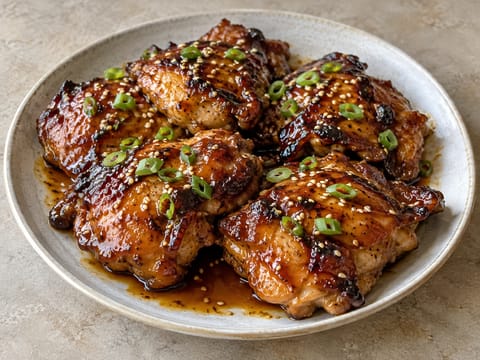
Air fryer chicken thighs in a soy and mirin teriyaki.
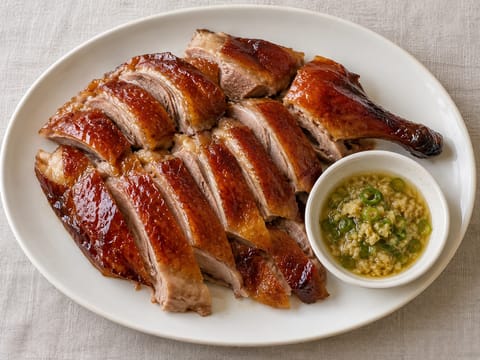
Cantonese roast duck with crisp skin and a maltose glaze
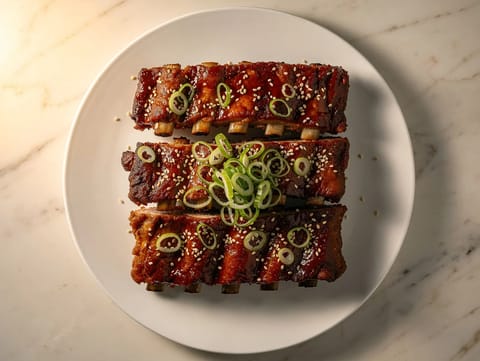
Oven-baked pork ribs with sticky gochujang glaze
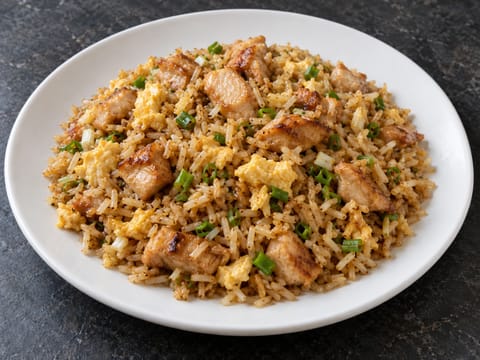
Peruvian fried rice with chicken, egg, soy sauce and sesame oil
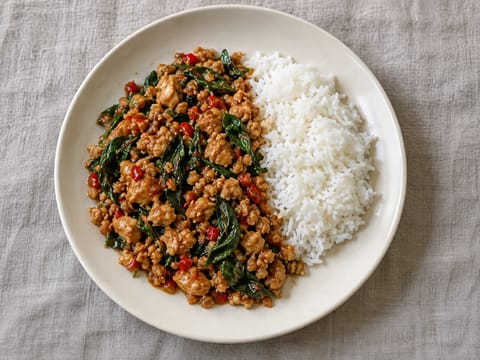
Thai basil chicken stir-fry served with steamed jasmine rice
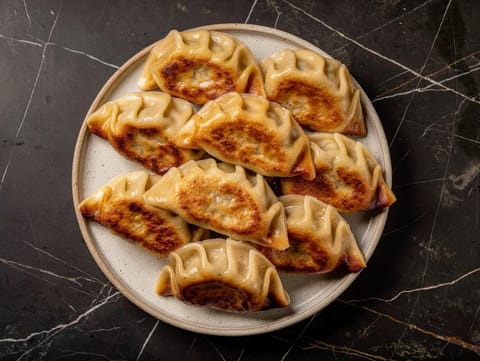
Pan-fried and steamed Korean dumplings with pork and tofu
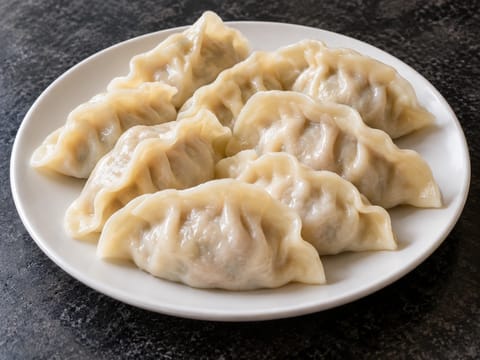
Boiled dumplings with pork and Chinese cabbage filling
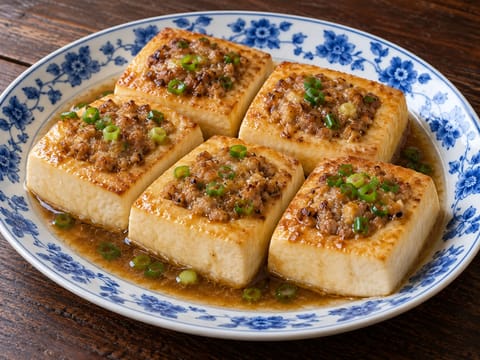
Silken tofu stuffed with minced pork in a savoury sauce
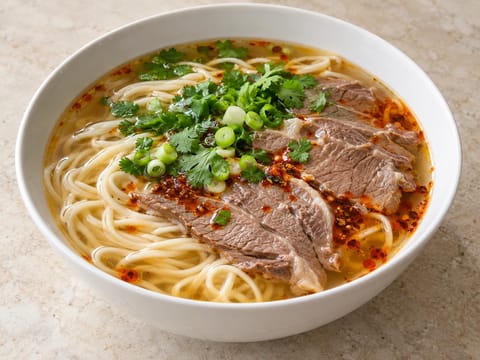
Hand-pulled noodles in clear beef broth with chilli oil
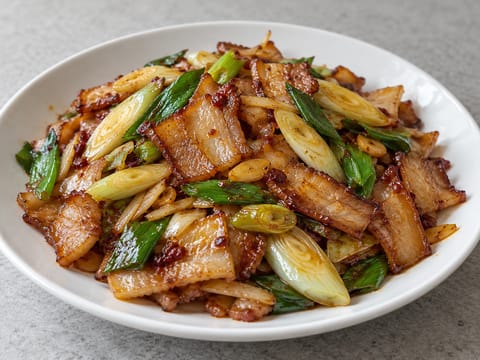
Twice-cooked pork belly stir-fried with leeks and doubanjiang
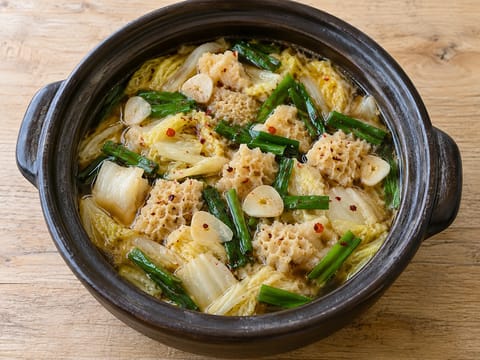
Japanese hot pot with beef tripe, garlic and napa cabbage

Banana oat pancakes blended with soy protein and cooked until golden
For soy avoidance, treat recipe labels as guidance rather than a safety guarantee. Check labels on sauces, stock cubes, spice blends, chocolate, baked goods and other packaged ingredients where soy can appear as an additive or processing aid. Cross-contact can also happen through shared fryers, grills, woks and marinades in mixed-use kitchens.
If you are cooking for someone else, confirm what forms of soy they avoid and how strict they need you to be, then plan your ingredient sourcing accordingly.
Ingredient browsing can help you find soy-free alternatives to common soy components, such as different seasonings, proteins or cooking fats. Diet categories can be helpful when soy avoidance overlaps with other requirements, but they still depend on careful label reading for packaged sauces and processed ingredients.
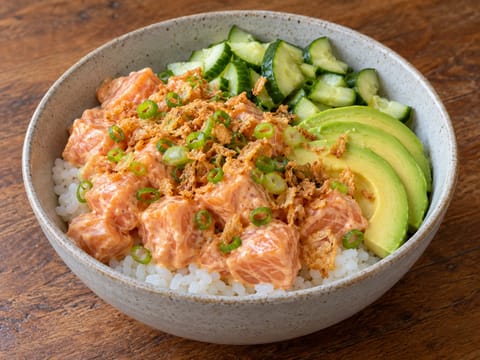
Spicy salmon poke bowl with crunchy topping, avocado and cucumber.

Mini yeast pancakes served with butter and icing sugar

Spanish brothy rice cooked in saffron stock with tomato sofrito

Dutch kale and potato mash served with smoked sausage
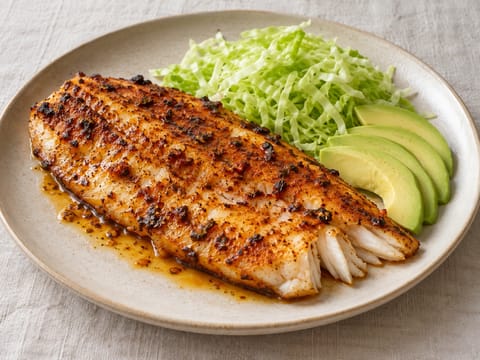
Grilled white fish with chilli, citrus, garlic and oregano

Soft orange and anise bread coated in sugar
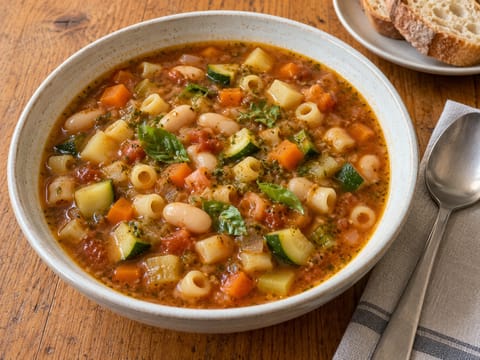
Italian vegetable soup with pasta, cannellini beans and pesto
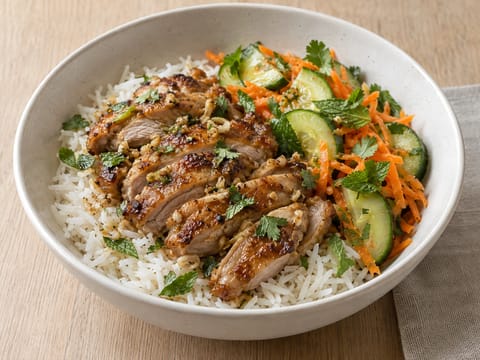
Lemongrass chicken bowl with jasmine rice and herbs
No. Soy can also appear as soy sauce and other seasonings, and it is common in packaged foods in less obvious forms. Always check labels on prepared ingredients.
Often, but alternatives vary in saltiness and flavour. Add gradually and taste, because a direct equal swap can make a dish too salty or unbalanced.
It can be, especially where equipment or marinades are shared. At home, pay attention to shared utensils and bottles; outside the home, shared fryers and grills can be a factor.
No. It indicates soy is intentionally present, but it cannot account for how packaged ingredients were produced or handled. Label checks remain essential.
Start with the obvious soy ingredients, then check every packaged component, especially sauces, seasoning blends and stocks, where soy can be included even in small amounts.
No. Some are, some are not, and ingredients vary by brand and style. Read the ingredient list rather than relying on the name alone.
Soy is easiest to manage when you cook from clearly identified ingredients and keep an eye on packaged components. If a recipe relies on several bottled sauces or blends, it may be simpler to choose a dish with fewer processed elements before you start substituting.
