
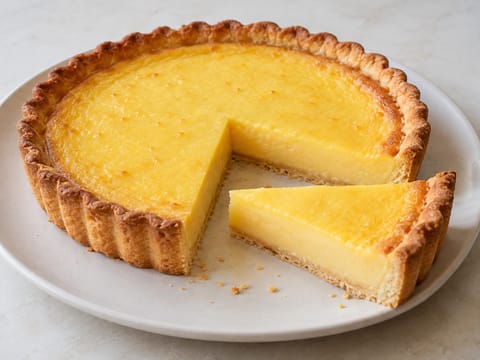
Crostata di Limone (Italian Lemon Custard Tart)
Italian lemon custard tart with a crisp shortcrust base

Wheat is one of the most common cereal ingredients in home cooking, and it turns up in more forms than flour alone. This page groups recipes that intentionally include wheat, whether as bread, pasta, couscous, bulgur, semolina, breadcrumbs, or as a component of packaged foods. If you are avoiding wheat, the practical question is not only “is there flour?”, but also whether wheat is providing structure, thickening, or simply acting as a carrier for flavour.
Wheat shows up as whole grains and cracked grains, but also as milled products with different behaviours. Plain flour is a general-purpose thickener and structure-builder; semolina is coarser and often used for pasta and certain cakes; breadcrumbs and bread are already cooked and dried, so they absorb liquid differently from flour. Wheat can also be present in less obvious places, such as in some sauces and processed foods where flour is used to thicken or stabilise.
Wheat and gluten overlap, but they are not identical categories. Avoiding wheat does not automatically remove all gluten sources, and avoiding gluten does not always mean wheat is the only grain to consider.
Italian lemon custard tart with a crisp shortcrust base
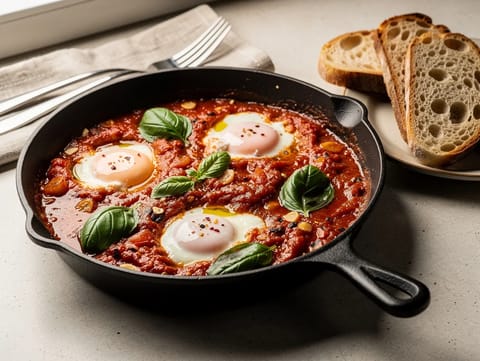
Eggs poached in garlicky tomato sauce with chilli and basil
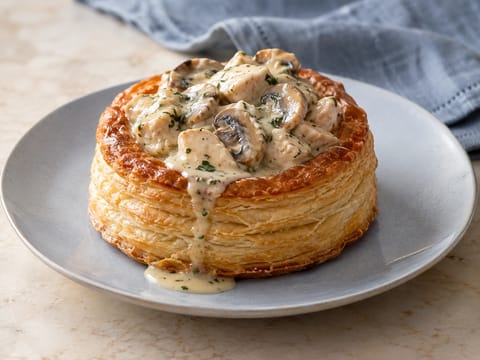
Puff pastry cases filled with creamy chicken and mushrooms
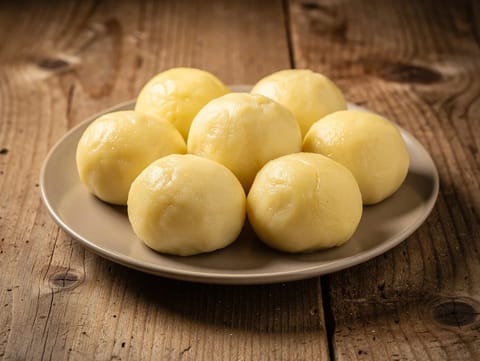
German potato dumplings gently simmered until tender
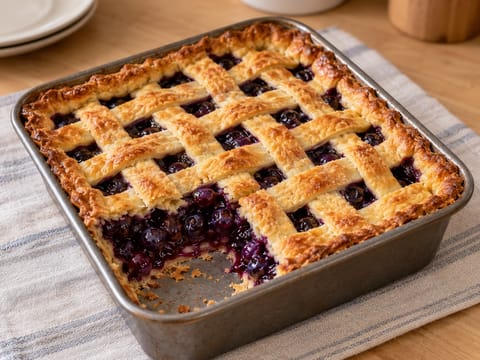
Air fryer blueberry pie with lemon and cornflour-thickened filling.
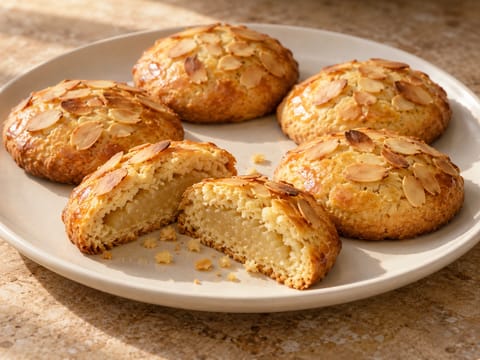
Buttery Dutch cookies with a thick almond paste filling
When wheat flour is used to thicken a sauce or stew, alternatives such as starches or non-wheat flours may work, but they can thicken differently and may need different handling to avoid lumps. In baking, wheat’s strength is often structural: it helps batters set and doughs hold together. That is why replacing wheat flour can be straightforward in some cakes and biscuits, yet more complex in breads and pastries where elasticity matters.
For coatings and crumbs, you can often swap the texture rather than the ingredient, using a crisp crumb or a non-wheat flour for dredging. If wheat is the main body of the dish, such as pasta or bread, it is usually easier to start with a recipe designed for the alternative ingredient.
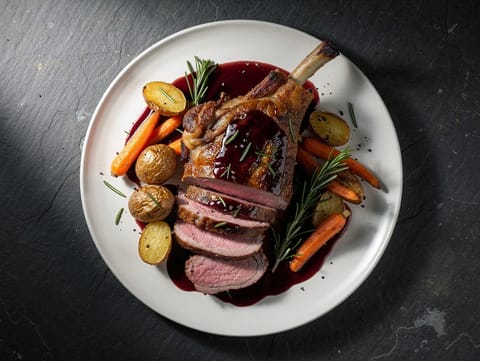
Roast spring lamb with rosemary and red wine gravy
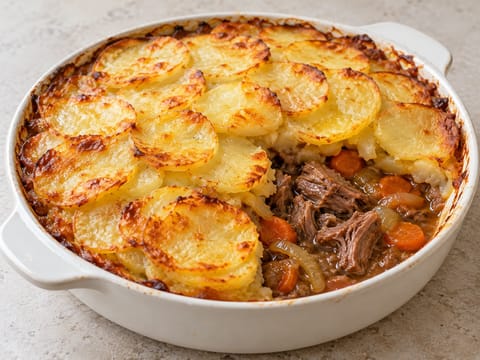
Lamb and onion hotpot with a golden sliced potato topping
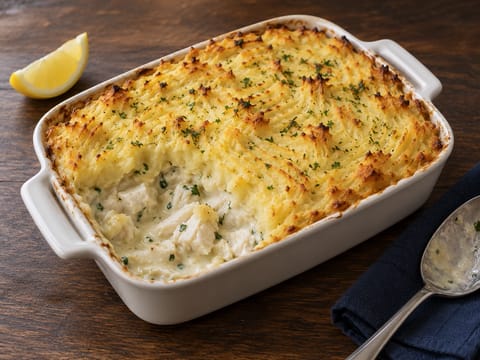
Fish pie with parsley sauce and mashed potato topping
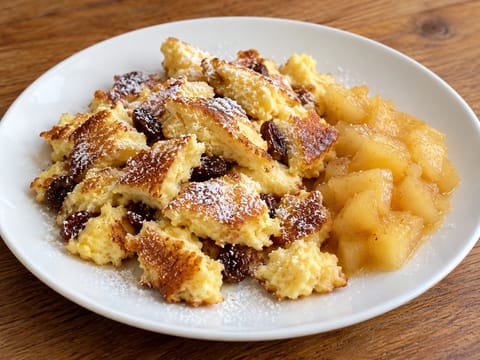
Fluffy torn pancake with raisins, icing sugar and apple compote
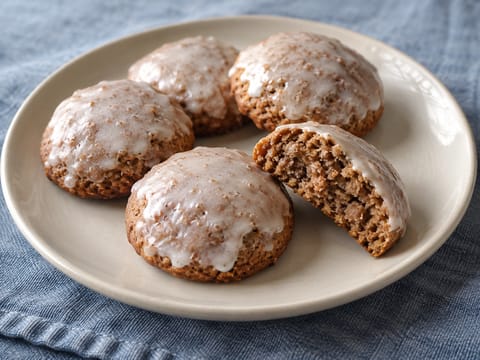
German honey biscuits with warming spices, almonds and hazelnuts
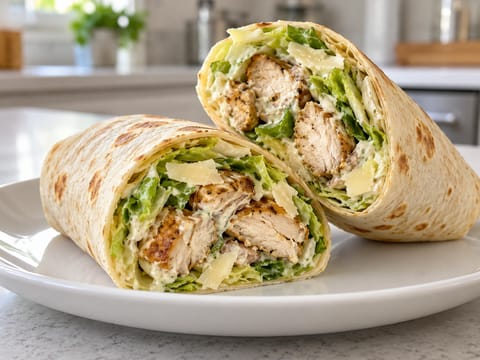
Air-fried chicken Caesar wrap with romaine and parmesan.
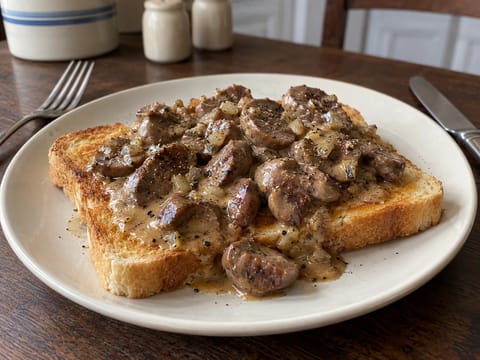
Spicy lamb kidneys in creamy sauce on buttered toast.

Crisp cannoli shells filled with sweet ricotta and chocolate chips.
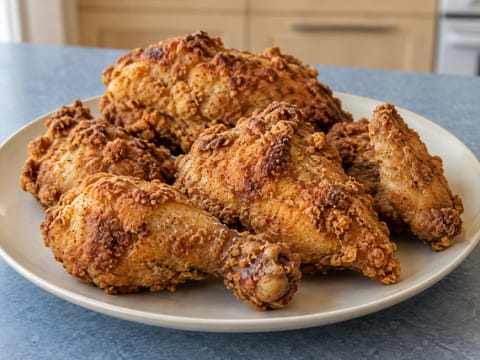
Southern-style fried chicken made crisp in the air fryer.
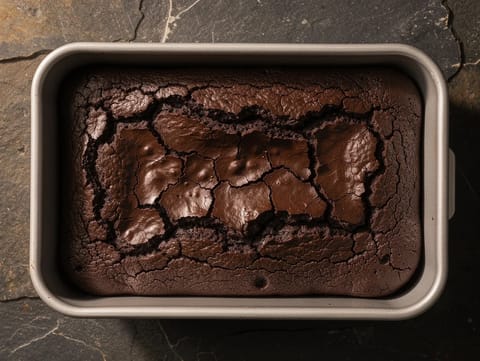
Fudgy air fryer brownie bites with cocoa and dark chocolate.
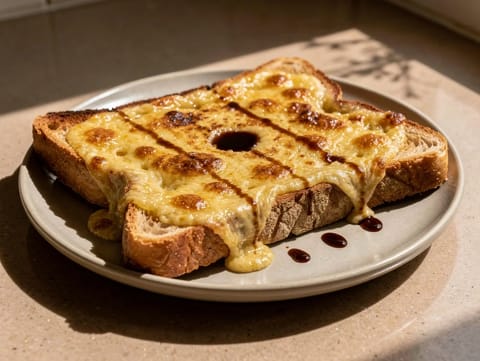
Sourdough topped with ale and mustard cheese sauce, grilled
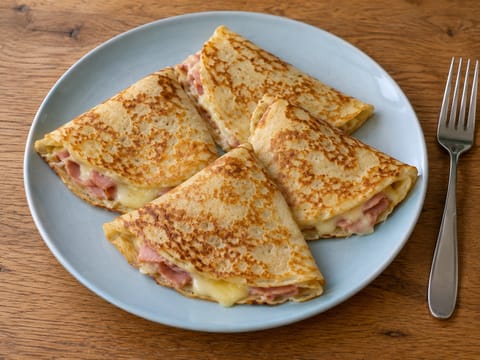
Thin crêpes filled with ham and melted grated cheese
Browsing by Ingredient is useful when you want to compare wheat alternatives, from different flours to grains and starches, and understand how they behave in sauces, batters and doughs. Diet categories can help when you are looking for recipes written to avoid wheat or gluten, while still applying your own label checks and cross-contact precautions.
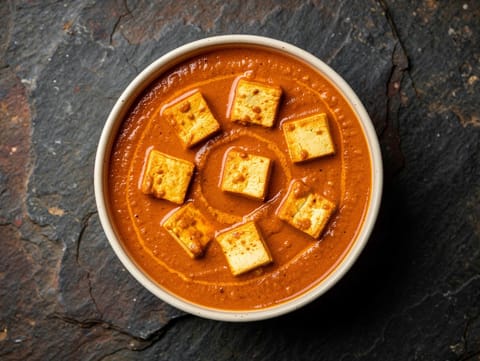
Paneer curry in a tomato and cashew sauce
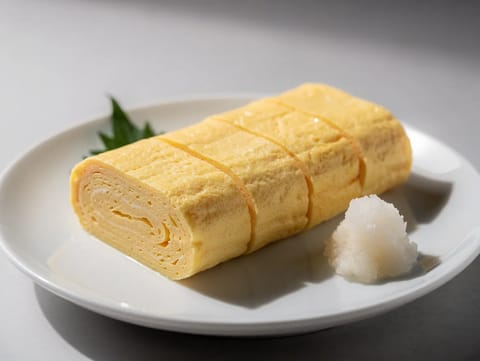
Japanese rolled omelette flavoured with dashi, soy sauce and mirin
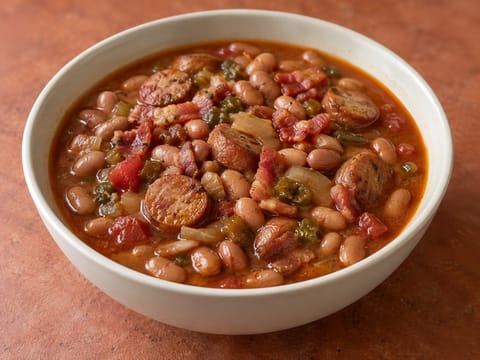
Brothy pinto beans simmered with bacon, sausage and tomatoes
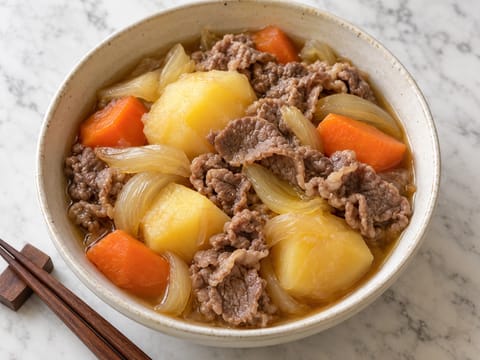
Beef and potatoes simmered in dashi with soy and mirin

Fried cannoli filled with sweet ricotta and finished with pistachios
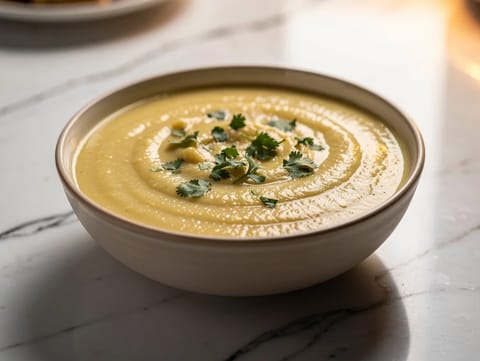
Smooth plantain soup finished with double cream and coriander
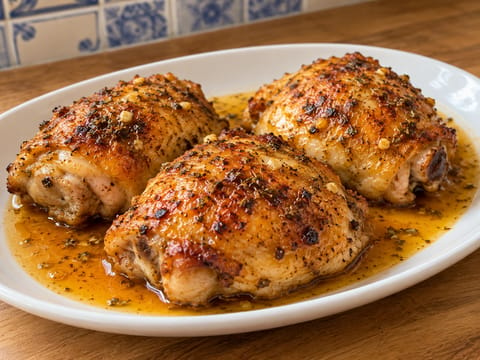
Roasted chicken thighs with orange and lemon marinade
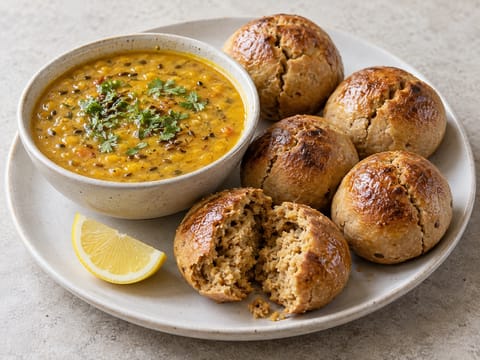
Mixed lentil dal served with baked wholemeal baati
This tag highlights intentional wheat ingredients, but it cannot account for every brand choice or kitchen environment. Wheat can appear in packaged items such as stocks, sauces and seasoning mixes, so label reading matters. If you are cooking for someone with a wheat allergy, consider cross-contact from shared boards, sieves, toasters and baking trays, and be cautious with foods prepared on shared equipment outside the home.
No. Wheat contains gluten, but gluten is also found in other grains such as barley and rye. The right approach depends on whether you are avoiding wheat specifically or gluten more broadly.
Common examples include semolina, breadcrumbs, pasta, couscous, bulgur and many breads. Wheat can also be used as a thickener in some packaged foods.
Often, yes, but different thickeners behave differently. Some starches thicken quickly and can turn glossy; some non-wheat flours can taste more pronounced. The method may need adjusting.
Bread often relies on wheat’s structure and elasticity. Many cakes and biscuits need less stretch, so alternative flours and blends can be more forgiving there.
Yes, especially when packaged ingredients are involved. Wheat can be present in sauces, stocks and seasoning blends depending on the brand, and cross-contact can also be relevant.
Wheat can be a thickener, a structure-builder, or the main ingredient. Once you know which role it plays, you can judge whether a simple swap is realistic, or whether a recipe designed around a different flour or grain will give a more predictable result.