
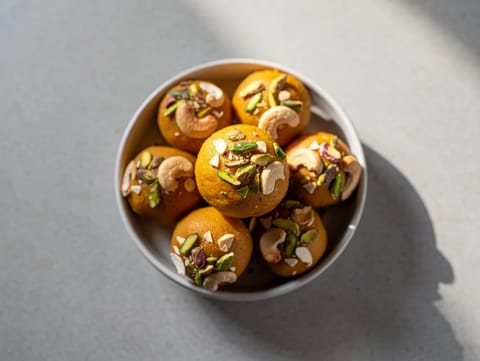
Besan Ladoo (Chickpea Flour Sweets)
Chickpea flour sweets roasted in ghee and shaped into balls

“Easy” in baking usually means fewer steps to manage and fewer moments where timing is critical, not a lack of flavour or celebration. This collection gathers bakes that suit everyday kitchens and busy schedules, including shareable cakes, traybakes, biscuits and simple breads. Expect recipes that rely on straightforward mixing methods, familiar tins and predictable oven behaviour, so you can bake for a gathering or for the tin without needing specialist kit or advanced technique.
Easy baking recipes tend to avoid techniques that demand precision under pressure, such as tempering chocolate, laminated pastry, or multi-stage meringues. Instead, they lean on reliable structures: creamed or all-in-one cakes, oil-based batters, traybakes, drop biscuits and quick breads. These methods are forgiving because the batter is mixed once, baked once, and the result is still good even if it cools on the rack a little longer than planned.
“Easy” also often means decoration is optional. A simple glaze, dusting of sugar, or spooned-on icing can finish a bake without the extra work of layering, levelling and piping. If you are baking for guests, this is a practical advantage: the bake travels and serves cleanly, and you can portion it without fuss.
Chickpea flour sweets roasted in ghee and shaped into balls
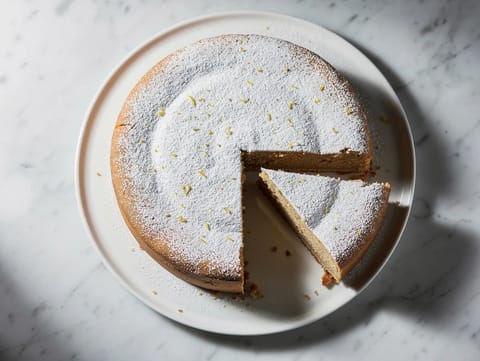
Spanish almond cake dusted with icing sugar
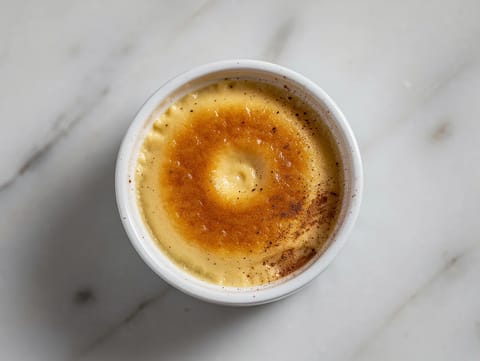
Chilean baked milk custard with a caramelised browned top
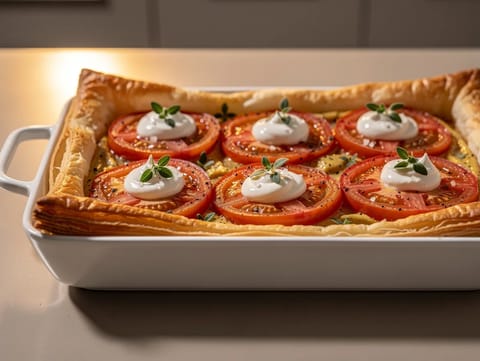
Puff pastry tart with Dijon mustard and baked tomatoes
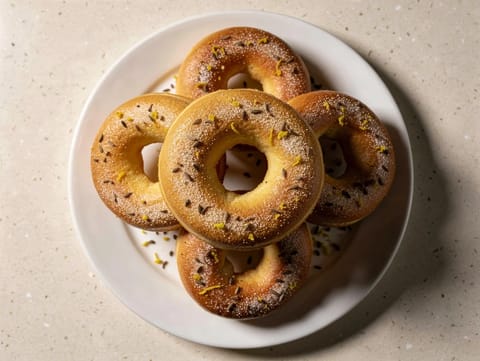
Spanish anise ring doughnuts dusted with caster sugar
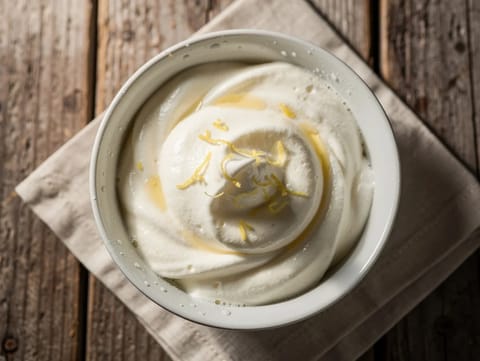
Whipped syllabub with lemon and white wine
For the quickest route from bowl to oven, look for stir-and-bake batters. These include many loaf cakes, muffins and traybakes where you combine wet and dry ingredients and stop mixing as soon as the flour disappears. If you prefer a more crumbly texture, rub-in methods are common for scones, crumbles and some biscuits; the key is keeping the fat cool so it stays in small pieces and bakes into tenderness.
If you want bread without a long learning curve, choose recipes that keep shaping simple. Minimal-knead doughs, batter breads and straightforward rolls can be easier to fit around other tasks than intricate braids or enriched doughs that require careful proving. Whatever you pick, read the recipe for “waiting time” as well as hands-on time, since baking often involves cooling before slicing or icing.
Shortcrust apple and blackberry pie with lemon-bright filling baked until golden
Roman-style ricotta tart with lemon, vanilla and a sour cherry jam layer
Golden Gâteau Basque with a set vanilla custard filling
Buttery pastry tart filled with bacon, sautéed onion and a rich egg custard
Farmhouse rye bread with pork dripping, fried onions and dried marjoram
Golden brioche French toast served with butter-caramelised peaches and icing sugar
Lombardy sbrisolona, a buttery almond cake with a crumbly texture, broken into rough pieces
Ligurian chickpea pancake baked in olive oil until crisp at the edges
Small French almond cakes with browned butter, vanilla and a tender crumb
French dacquoise with crisp almond meringue layers and smooth coffee buttercream
Classic brownies baked until just set for a fudgy texture
Warm peach cobbler baked with cinnamon and vanilla under buttery batter
For gatherings, bakes that portion neatly are your friend. Traybakes, bars and loaf cakes can be cut into small squares or slices, which makes them flexible alongside fruit, ice cream or coffee. If you are serving a dessert after a meal, consider how sweet and rich the bake is. A dense chocolate bake may need only a small portion, while a lighter sponge can be served more generously.
Think about the order of operations. Many easy bakes can be made earlier in the day and held at room temperature, while a few are best served warm. If you want something warm, choose a bake that reheats gently or one that can be served with a warm sauce rather than relying on coming straight from the oven.
Cooking time is a helpful way to narrow easy baking, because some recipes are quick to mix but need a long bake or cooling period. If you are baking to suit a particular way of eating, browsing by Diet can also help you find bakes that match your needs, while still keeping the method straightforward.
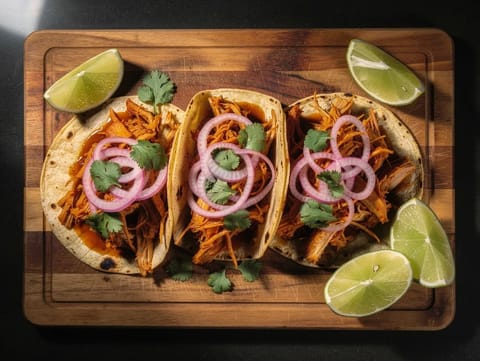
Yucatán slow-roasted pork served in corn tortillas with pickled onions
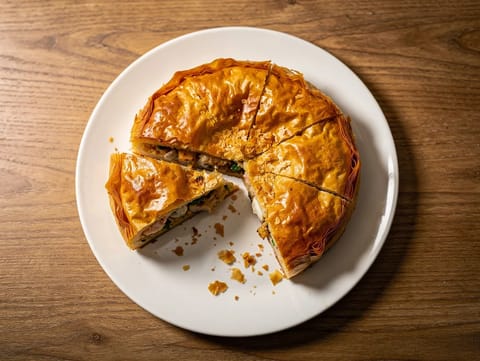
Crisp Moroccan filo pie filled with prawns and white fish
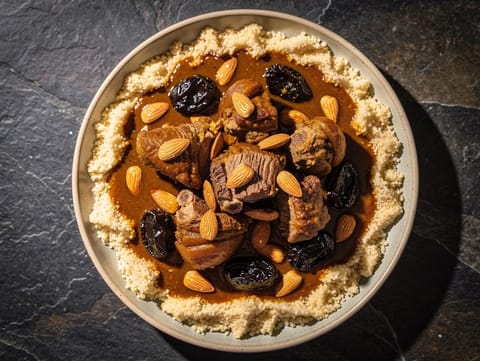
Lamb tagine with prunes and toasted almonds
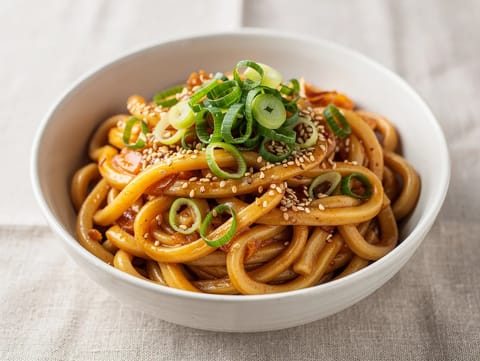
Udon noodles in a spicy miso sauce with spring onion
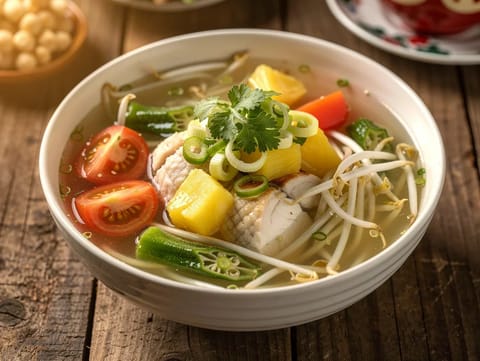
Light Vietnamese sweet and sour fish soup with tamarind
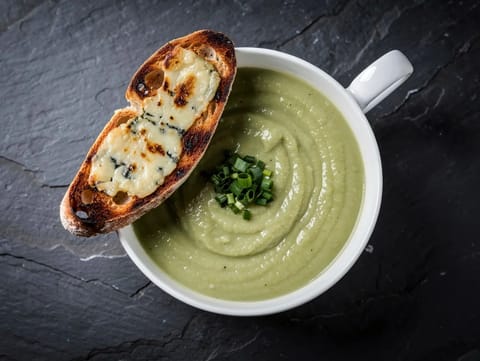
Smooth leek and potato soup with Stilton toast
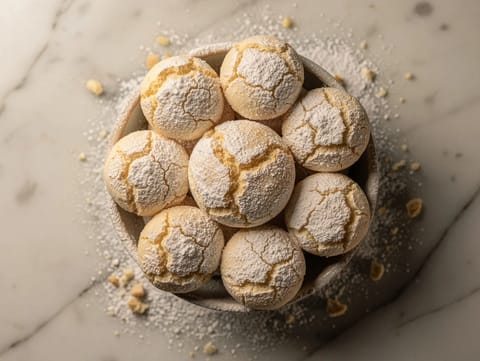
Soft almond macaroons with a crisp icing sugar crust
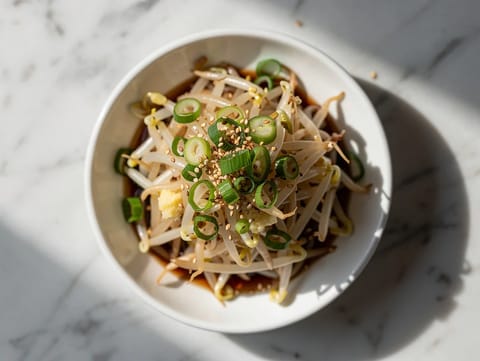
Blanched soybean sprouts tossed with soy sauce and sesame
Usually it means fewer steps, familiar equipment, and methods that are forgiving if your timing is not perfect. It does not necessarily mean the bake is fast from start to finish.
Often, yes. Traybakes avoid levelling, filling and stacking, and they tend to bake more evenly. They also portion neatly for sharing.
Not usually. Many easy bakes are designed for a bowl and spoon or a hand whisk. A mixer can speed things up, but it is rarely essential.
Hands-on work can be minimal while the oven does the rest. Cooling time can also be significant, especially if the bake needs to set before slicing or icing.
Mix only until the flour is incorporated. Overmixing can develop gluten and make cakes or muffins tougher, especially in recipes that use the stir-and-bake method.
Loaf cakes, bars, biscuits and traybakes are usually sturdy and easy to pack. Delicate frosted layer cakes and whipped-cream toppings are more prone to damage.
Decide whether you want fewer steps, less decoration, or a bake that holds well for serving later. Once you match the method to your time and confidence, easy baking becomes a dependable part of your routine.
