
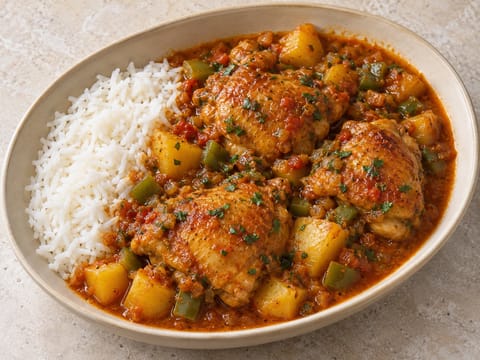
Pollo Guisado (Latin Braised Chicken Stew)
Braised chicken stew with tomatoes, peppers and potatoes
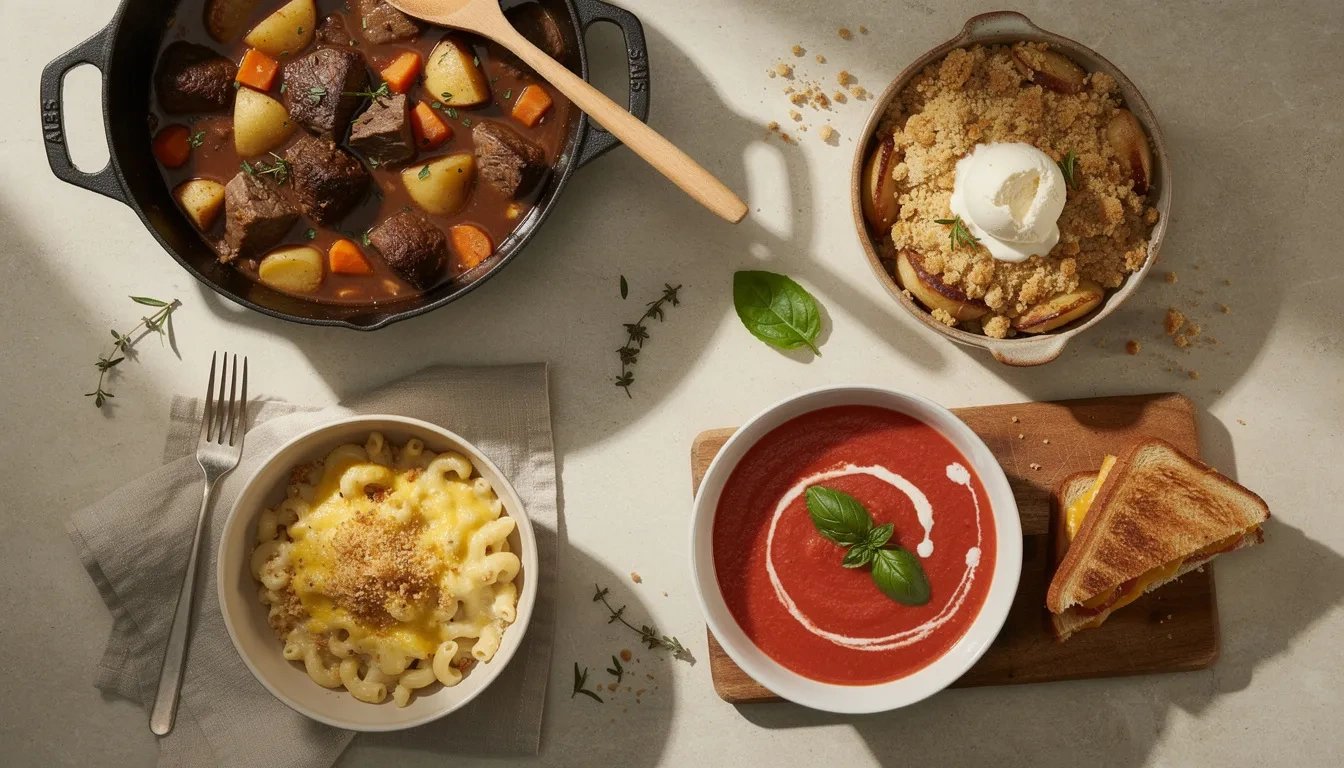
Family-friendly dinners are less a single style of food and more a way of building the plate. The recipes that work best tend to be easy to portion, forgiving if someone eats later, and flexible enough that heat, herbs or sauces can be adjusted at the table. This collection focuses on dinners you can serve to a mixed household without making separate meals. Use it to plan a main plus one or two sides that cover comfort, vegetables and something filling, while keeping the overall workflow calm.
At dinner, family-friendly often means familiar formats and clear flavours: dishes that are recognisable on sight and do not rely on a single intense note. That does not rule out spice, bitterness or strong cheeses, but it helps when those elements are optional or can be served on the side. Texture is part of the equation too. Crispy coatings, tender pasta, saucy rice dishes and roast vegetables tend to be easy to serve across ages, while very delicate fish or tightly timed dishes can be less forgiving.
It also implies practicality. Recipes that hold well for a short while, reheat without drama, or can be assembled in stages are often easier to fit around homework, shifts and staggered appetites.
Braised chicken stew with tomatoes, peppers and potatoes

Steamed suet pudding with beef, kidney and onions
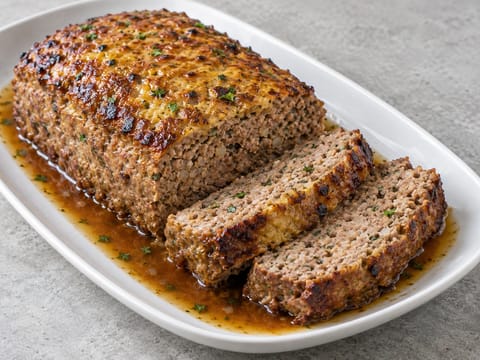
Beef and pork meatloaf with mustard crust and pan-juice gravy
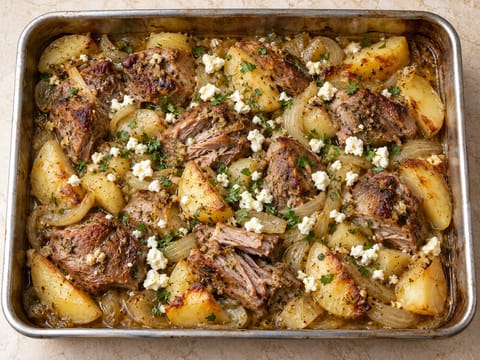
Slow-baked lamb in parchment with potatoes, lemon and oregano

Crisp beef schnitzel topped with ham and melted mozzarella

Vietnamese steamed pork sausage wrapped in banana leaves
If you are feeding different tastes, pick a build-your-own style main: tacos, bowls, baked potatoes, pasta with a sauce plus toppings, or a tray of roasted components. This keeps the cooking centralised while letting everyone finish their plate.
If you need a calmer serve, choose one-pot or oven-to-table dishes such as casseroles, baked pasta or traybakes. They portion neatly and stay warm while you get everyone seated.
For households with varied spice tolerance, look for recipes where heat is added at the end. A chilli oil, hot sauce or peppery garnish can sit alongside a mild base, so the same dinner works for everyone without compromise.
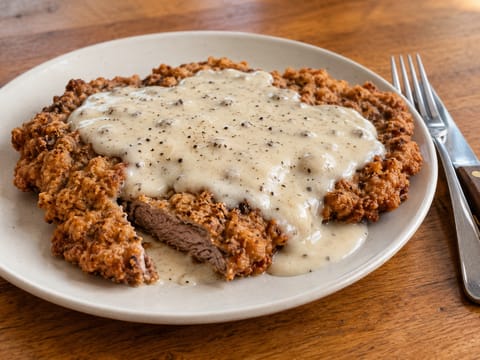
Fried beef steak with white pepper gravy
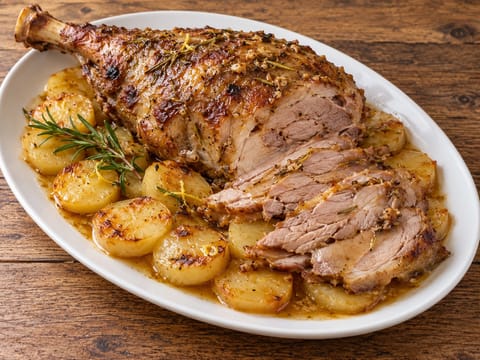
Roast lamb over potatoes with garlic, rosemary and white wine
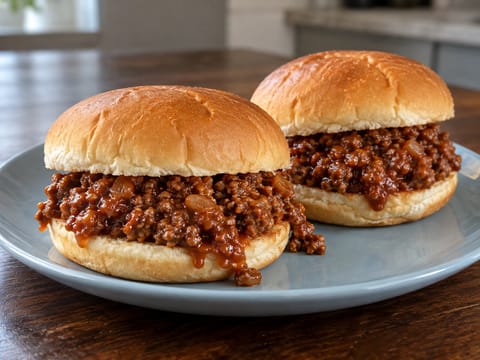
Sloppy Joes with minced beef in a tangy tomato sauce
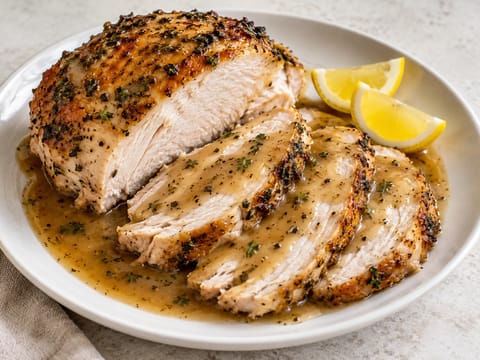
Roast turkey breast with herb butter and pan gravy
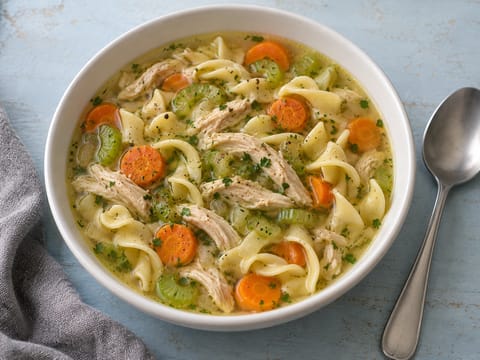
Chicken soup with egg noodles, carrot, celery and parsley
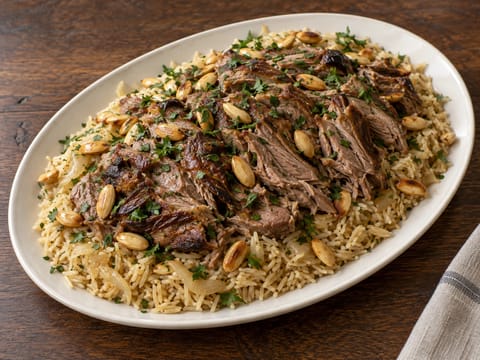
Slow-roasted spiced lamb served with fragrant basmati rice
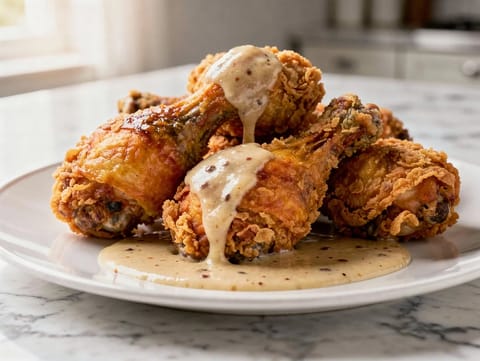
Crisp fried chicken drumsticks with peppery buttermilk gravy
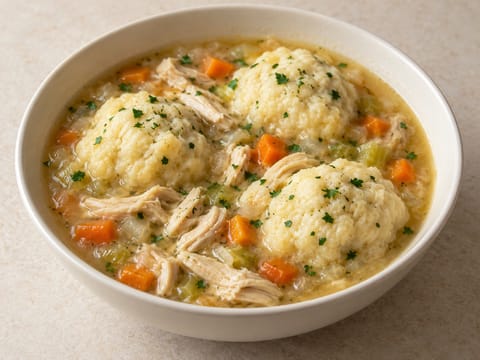
Slow cooker chicken stew topped with fluffy buttermilk dumplings
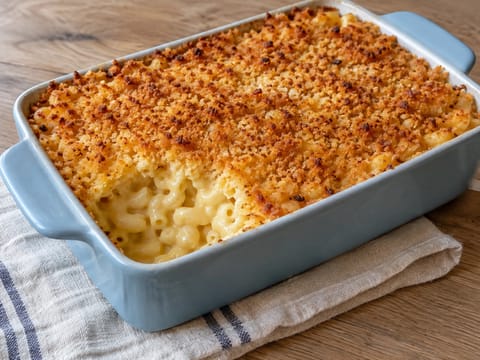
Baked macaroni cheese with a crisp breadcrumb topping
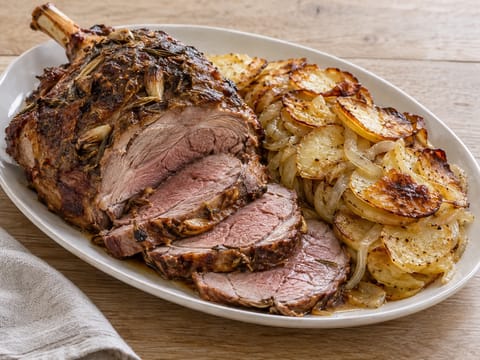
Roast leg of lamb over boulangère potatoes and onions
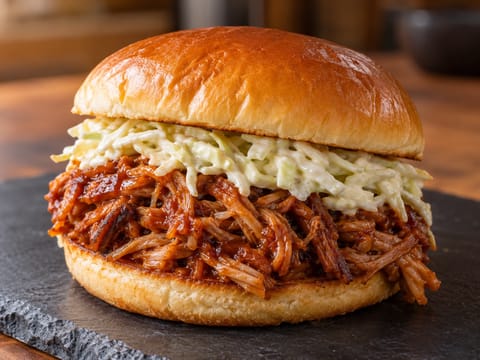
Slow cooked pulled pork in soft rolls with barbecue sauce
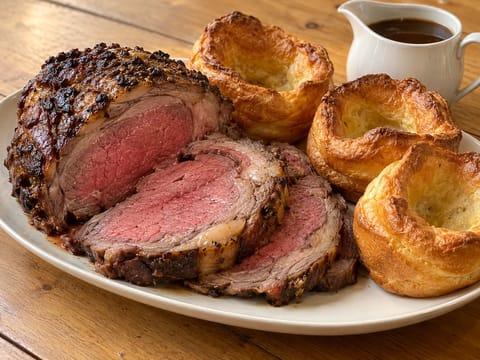
Roast rib of beef with Yorkshire puddings and gravy
Start with the main, then add two supports: a vegetable side and a filling side. The vegetable side can be as simple as a salad, steamed greens or roasted carrots, but it helps if it has a clear dressing or seasoning so it does not feel like an afterthought. The filling side might be bread, rice, potatoes or pasta, chosen to match the sauce or juices from the main.
Balance also comes from temperature and texture. If the main is soft and saucy, add crunch with a slaw, cucumber salad or toasted topping. If the main is crisp, add something creamy or brothy. Keeping sauces and garnishes separate makes serving smoother and lets each person adjust richness, acidity and heat at the table.
Cooking time is a practical companion when you need dinners that fit a specific evening window, whether that means quick assembly or hands-off oven time. Meal time can also help if you are planning for an earlier family supper versus a later, more relaxed dinner, where holding and reheating matter more.
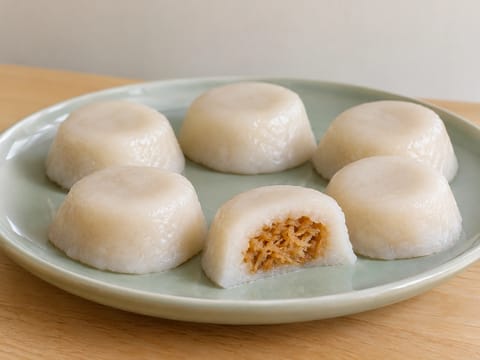
Steamed rice flour dumplings with a sweet coconut filling
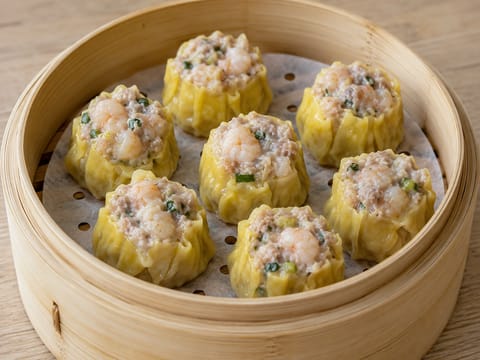
Open-topped dumplings with pork and prawn filling
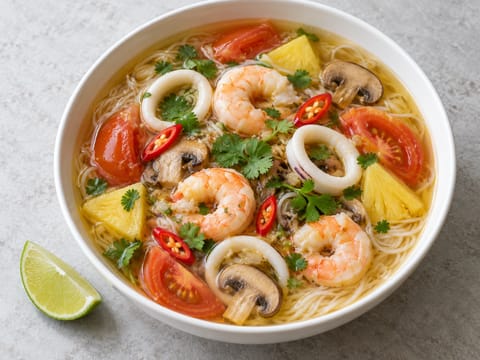
Vietnamese hot pot with lemongrass broth, seafood and mushrooms
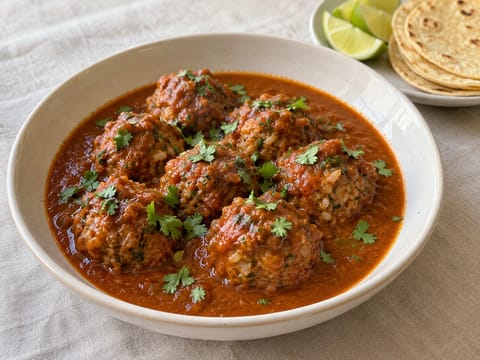
Beef meatballs simmered in smoky chipotle tomato sauce
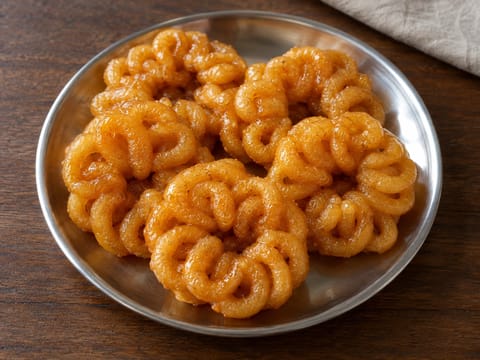
Fried urad dal spirals soaked in saffron and cardamom syrup
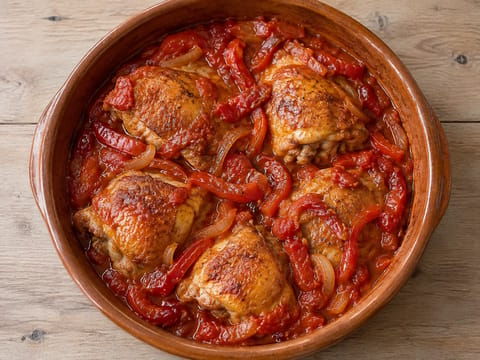
Chicken braised with peppers and a tomato-based sauce
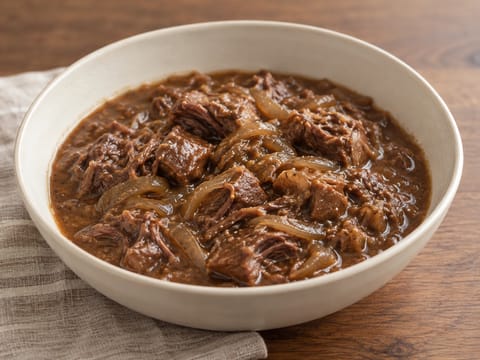
Dutch beef and onion stew slowly braised with warming spices
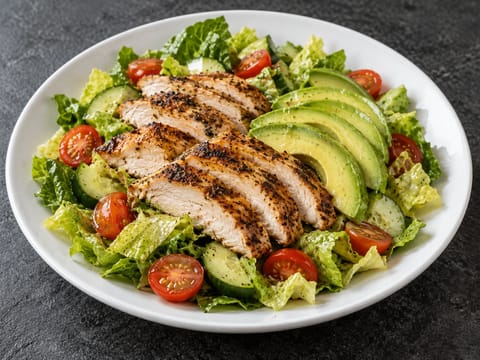
Grilled chicken salad with avocado and lime dressing
Typically, a dinner that is easy to portion, not overly dependent on one intense flavour, and flexible enough that seasoning, heat or toppings can be adjusted for different eaters.
No. It usually means flavours are clear and adjustable. You can keep the base mild and offer strong elements, such as chilli, herbs, pickles or grated cheese, at the table.
Build-your-own meals and component-style trays work well because people can choose portions and toppings. One-pot and oven dishes are also useful when you want a single serve for everyone.
Plan a vegetable side as part of the meal rather than relying on what is in the main. A dressed salad, roasted vegetables or quick-cooked greens are easy to add without changing the main recipe.
Choose dishes that hold well, such as casseroles, baked pasta, stews or traybakes, and keep sauces and toppings separate so textures stay pleasant when served later.
Pick recipes with forgiving timing and do small prep earlier: chop vegetables, mix a dressing, or set out toppings. The meal will feel calmer even if the cooking itself is simple.
A family dinner works best when the main dish is steady and the finishing touches are optional. Choose one reliable centre, then let sides and toppings provide the variety.
