
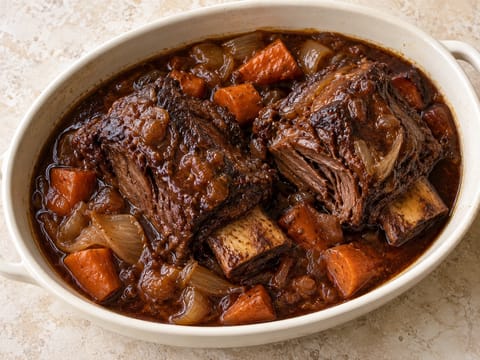
Slow Cooker Beef Short Ribs with Red Wine
Slow-cooked beef short ribs in red wine sauce
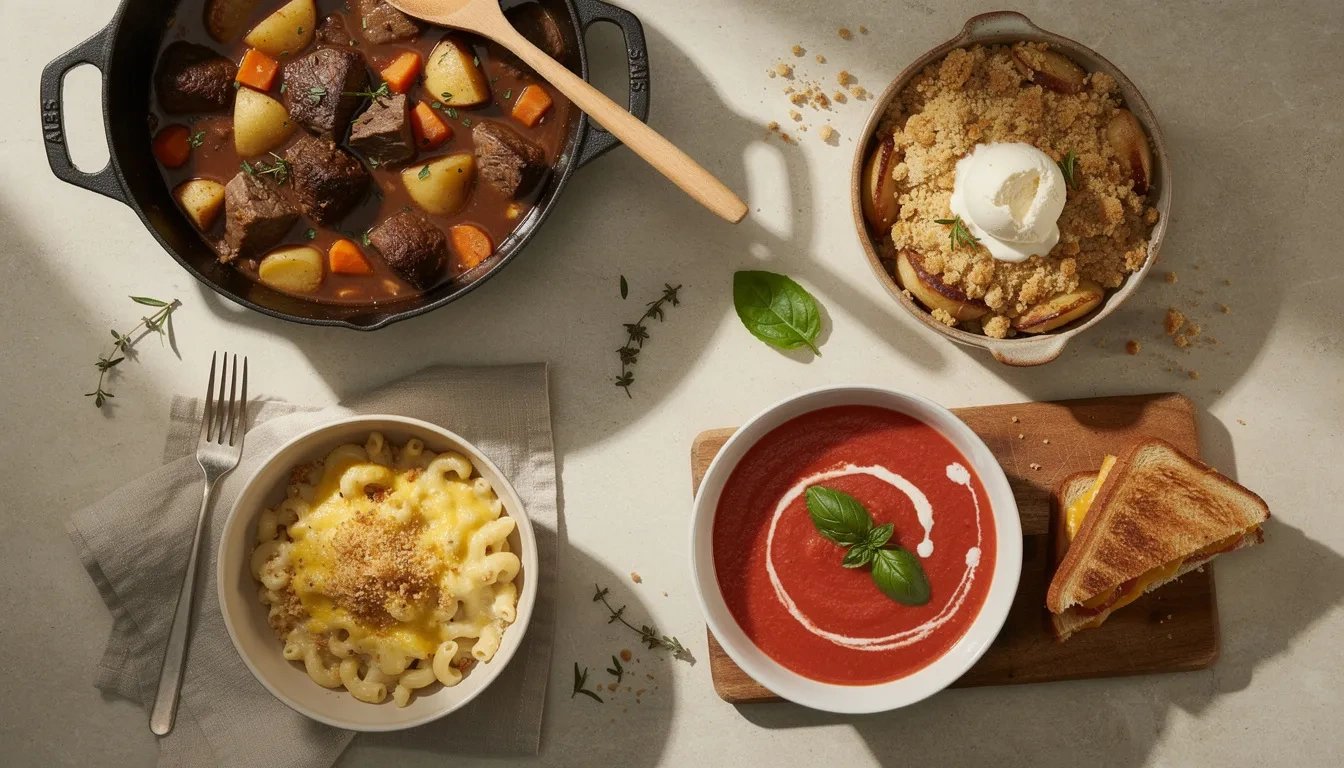
A hearty stew is comfort you can ladle. It is thicker than soup, built around ingredients that hold their shape, and cooked long enough for the sauce to taste rounded and savoury. This collection is for the mood that calls for slow warmth: a pot that perfumes the kitchen, a bowl that clings to the spoon, and a meal that feels steady on a cold day.
Stews also suit cooks who like to work ahead. Many can be made earlier in the day, or the day before, then reheated gently while you sort out something simple to serve alongside.
Stew is defined by texture and structure. The liquid is not just a broth; it becomes a sauce that coats the main ingredients. That thickness can come from reduction, from starchy vegetables, from pulses, or from a small amount of flour or other thickener, depending on the style.
Hearty stews usually include substantial pieces of vegetables and, often, meat, poultry or legumes. The goal is not delicacy but cohesion: ingredients that taste of the pot, with a sauce that carries seasoning into every bite.
Because stews are cooked for longer, they tend to reward attention to early steps such as browning and sweating aromatics. Those reactions build savoury depth that cannot be added at the end in quite the same way.
Slow-cooked beef short ribs in red wine sauce
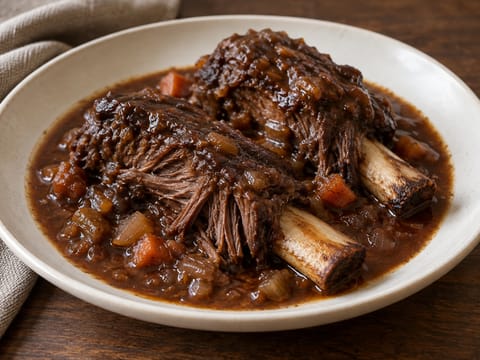
Beef short ribs braised in red wine with a glossy sauce
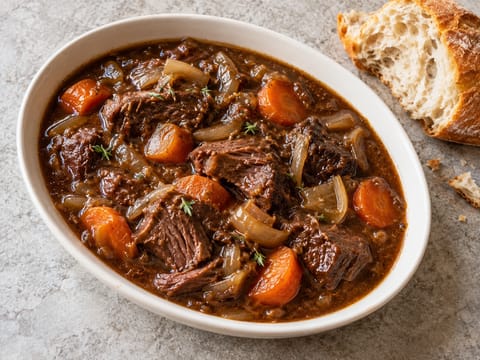
Beef and Guinness stew with carrots and crusty bread
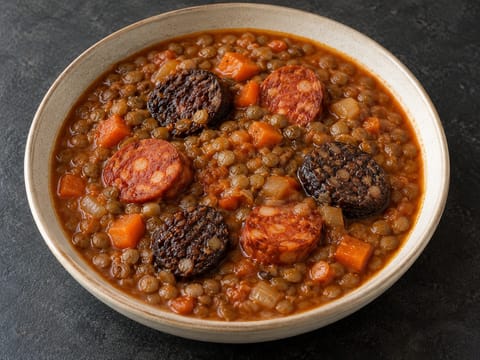
Spanish lentil stew with chorizo and morcilla
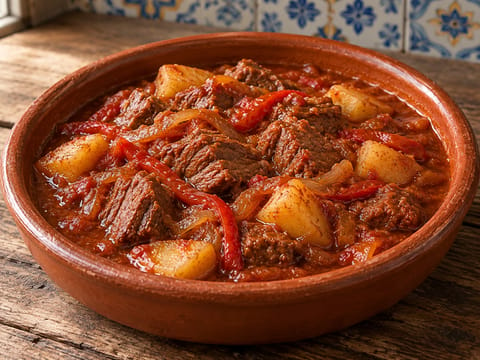
Spanish beef stew with red wine, peppers and paprika
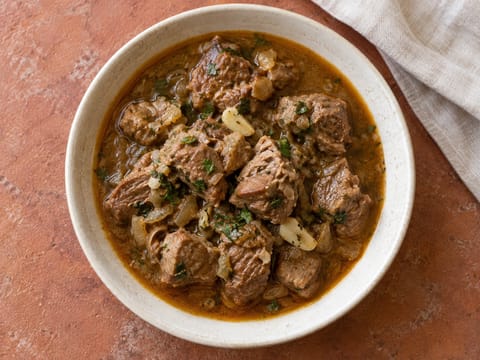
Extremaduran lamb stew with smoked paprika and white wine
For a lighter, cleaner stew, look for tomato-based or wine-leaning sauces, or stews finished with herbs and citrus. These still feel hearty, but the flavour reads brighter and less creamy.
If you want a thicker, more enveloping bowl, choose stews that use potatoes, beans or lentils to give body, or that reduce slowly until the sauce clings. These are the ones that pair naturally with mash, polenta, rice or bread.
Pay attention to the cut and size of ingredients. Larger chunks tend to keep their identity, while smaller pieces melt into the sauce and thicken it. If you are cooking ahead, stews with beans, lentils and slow-cooked meats often hold up well, while very delicate vegetables can soften into the background.
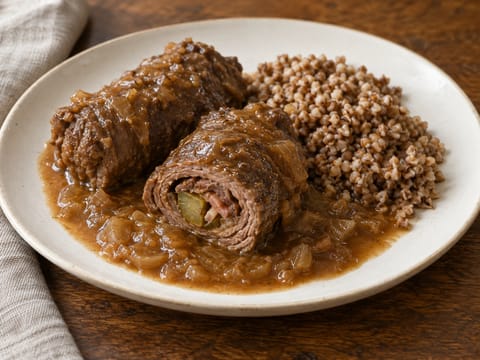
Braised Polish beef roulades served with buckwheat
Extremaduran lamb stew with smoked paprika and white wine
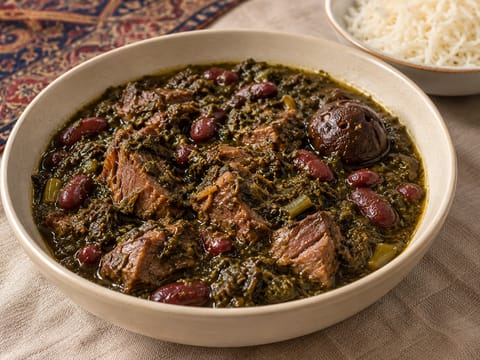
Persian herb and lamb stew with kidney beans and dried lime
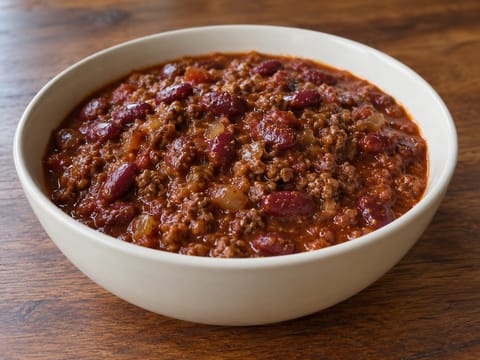
Slow-cooked beef chilli with kidney beans and tomatoes
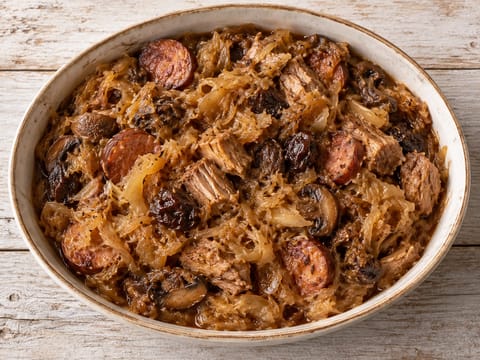
Polish stew with sauerkraut, cabbage, pork and smoked sausage
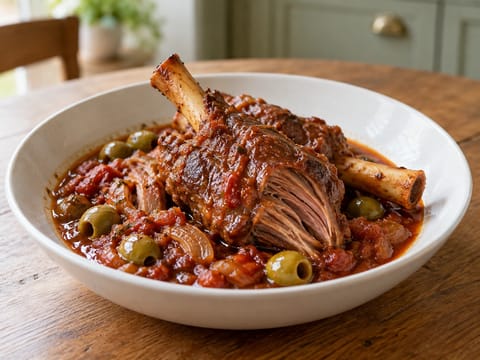
Slow-braised lamb shanks with tomatoes, rosemary and green olives
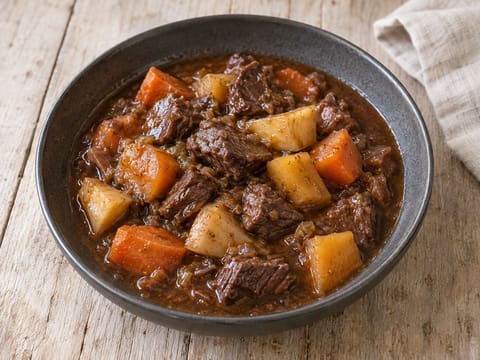
Venison casserole braised with red wine and root vegetables
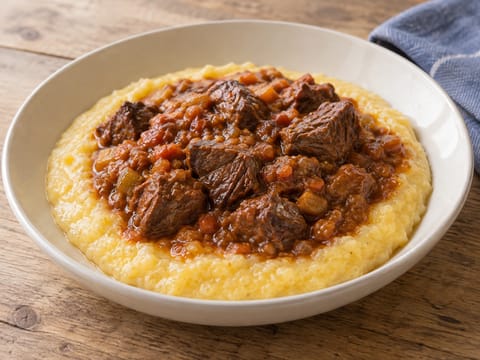
Beef stew with red wine and tomato over creamy polenta
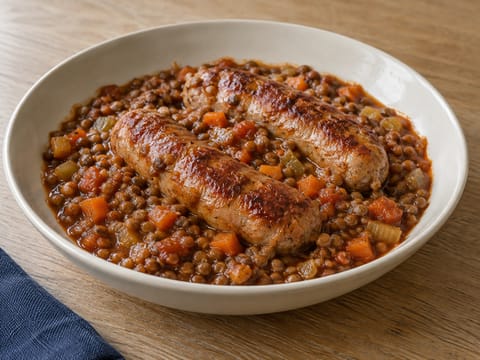
Italian sausage and lentils braised in a tomato and herb sauce
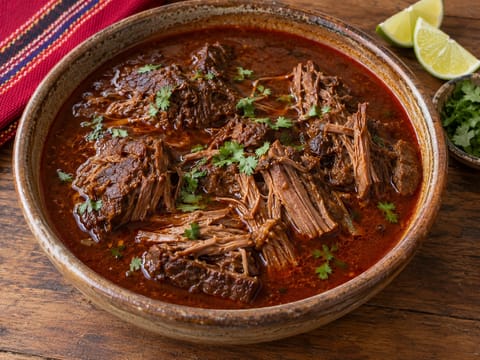
Mexican beef stew braised in chilli and tomato sauce
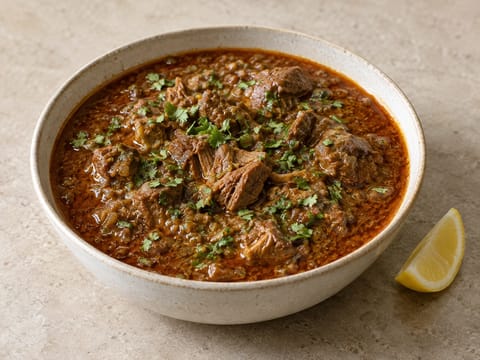
Slow-braised lamb nihari with a lightly thickened spiced gravy
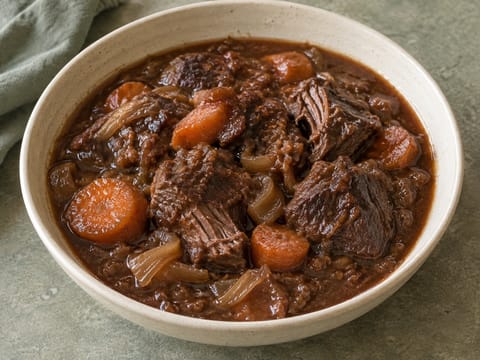
Spanish beef stew braised with red wine and smoked paprika
Across cuisines, stews often fall into a few recognisable families. Some are built on browned meat and onions, then simmered until tender. Others are vegetable- and pulse-forward, where the stew’s body comes from legumes and slow-cooked aromatics. There are also coconut- or yoghurt-leaning stews and curries, where spices and gentle simmering create a sauce that is rich without needing long reduction.
Whatever the style, a good stew usually includes a finishing note that keeps it from tasting flat. That might be fresh herbs, a spoonful of something sharp, a little heat, or a contrasting topping. These small additions matter because long cooking can soften edges as well as textures.
Cooking time is especially useful with stews, since the mood often depends on whether you want a quick simmer or a long, slow pot. If you are choosing stews around preferences such as meat-free, dairy-free or higher-protein, browsing by Diet can help you narrow the field without assuming one stew style fits all.
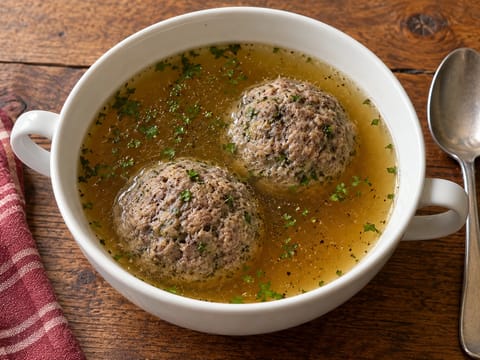
Clear beef broth with poached German liver dumplings
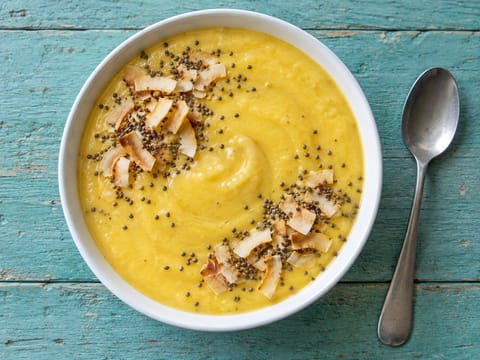
A thick pineapple and mango bowl with coconut and lime.
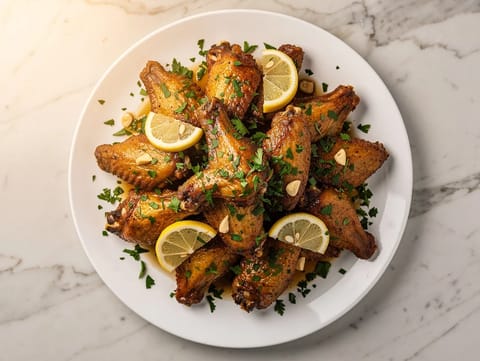
Crispy wings tossed in garlic butter with lemon and parsley.
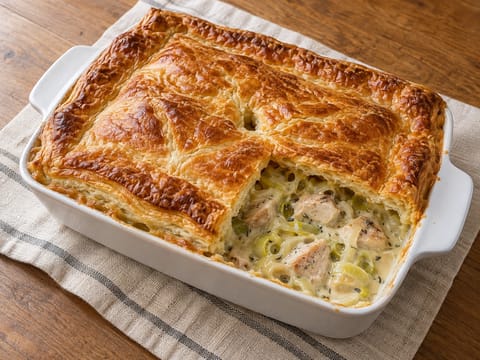
Light chicken and leek pie with golden puff pastry
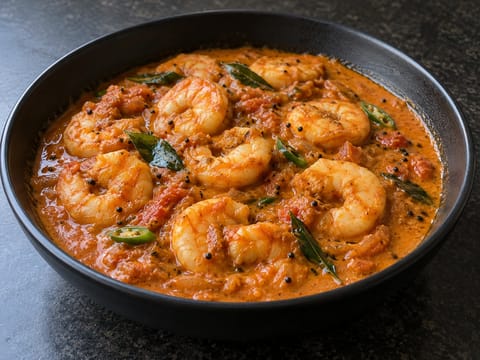
Prawn masala tempered with mustard seeds and curry leaves
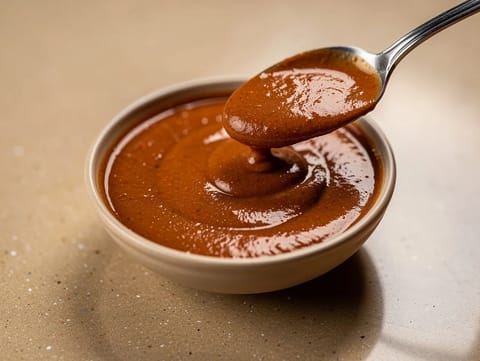
Thai-style peanut sauce with coconut milk, red curry paste and lime

Fizzy lime drink with sugar, salt and ice
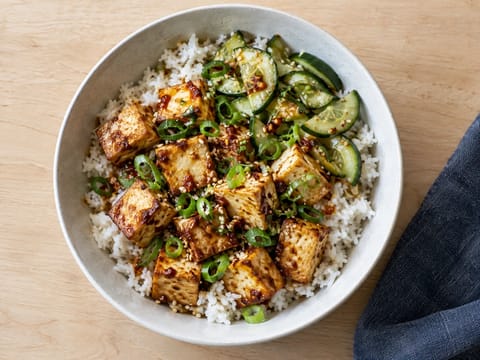
Chilli oil tofu with jasmine rice, cucumber and spring onion
A stew is usually thicker, with a sauce that coats the ingredients. Soups are typically more liquid and are often designed to be sipped or spooned without needing a side to mop up.
Not always, but many stews rely on time to tenderise ingredients and develop flavour. Some vegetable and legume stews can be hearty with shorter simmering, depending on the ingredients.
Browning meat or vegetables creates savoury depth through caramelisation and Maillard reactions. That flavour carries through the whole pot and is hard to replicate later.
Reduction, starchy vegetables, beans or lentils, blending a portion of the stew, or using a small amount of flour or another thickener are all common, depending on the cuisine and style.
Something that can catch the sauce, such as bread, rice, polenta or mash. If the stew is rich, a sharp salad or pickles can add contrast.
Often, yes. Many stews reheat well and can taste more integrated after resting, though very delicate vegetables may soften further.
When you are browsing stews, decide whether you want a bright, saucy bowl or a thick, spoon-coating one. That single choice will usually tell you what to serve alongside and how well the stew will hold if you make it ahead.
