
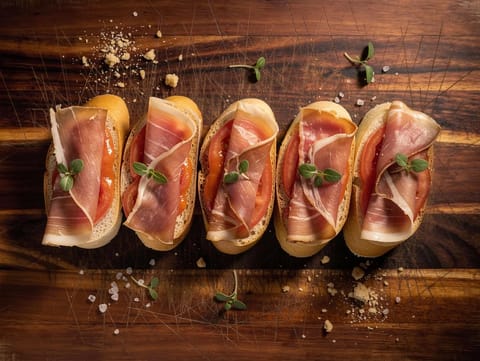
Montaditos de Jamón y Tomate (Toasted Ham and Tomato Open Sandwiches)
Toasted baguette with tomato, serrano ham and olive oil

Mediterranean diet meals tend to share a recognisable kitchen logic: plenty of vegetables, beans and lentils, olive oil, herbs, citrus, and straightforward cooking that lets ingredients taste like themselves. The result is often food that feels light on the plate but not insubstantial.
Because “Mediterranean” covers many countries and traditions, the most useful way to browse is by the kind of meal you want to cook: a quick pan dinner, a big salad-style bowl, a tray of roasted vegetables, or a pot of pulses that improves as it sits.
In recipe terms, “Mediterranean diet” commonly points towards meals that emphasise plant foods, legumes, wholegrains, fish and seafood, and olive oil, with meat used more sparingly. Flavour often comes from garlic, onions, tomatoes, lemon, vinegar, olives, capers and fresh herbs rather than heavy sauces.
It is still a broad umbrella. Some recipes lean Greek in spirit, others Italian, Spanish, Levantine or North African influenced, and many are simply Mediterranean-style. If you are following a specific set of guidelines, treat the label as a direction of travel and check details such as the type of fat used, the balance of vegetables to starch, and whether dairy or meat is a main component.
Toasted baguette with tomato, serrano ham and olive oil
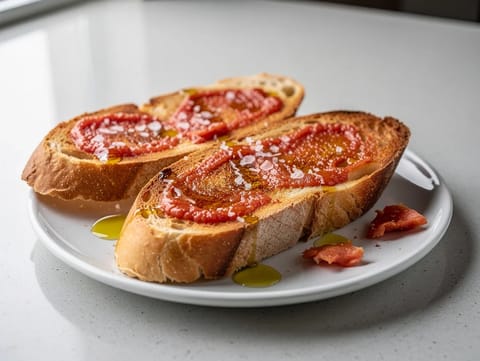
Toasted bread rubbed with garlic and ripe tomato
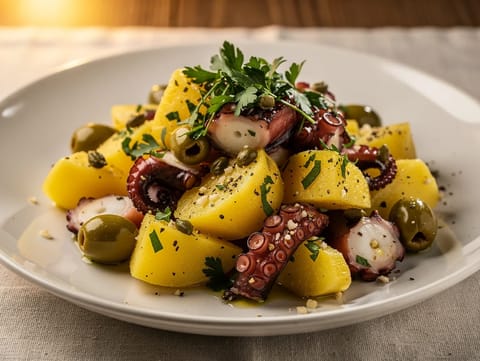
Octopus salad with potatoes, olives, capers and lemon dressing
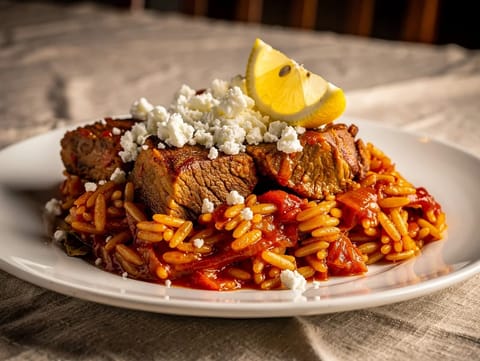
Lamb and orzo baked in tomato sauce with feta and lemon
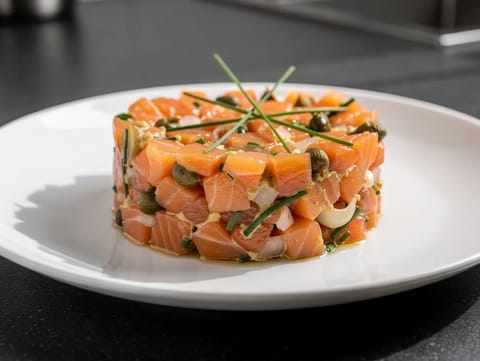
French-style salmon tartare with capers, Dijon and lemon
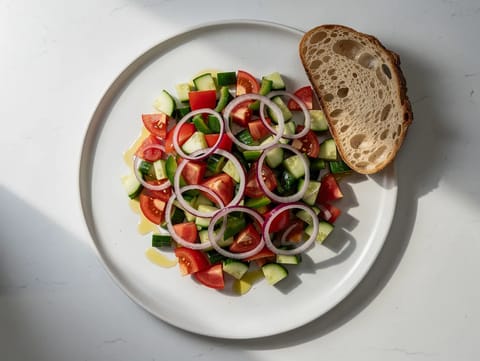
Andalusian salad with tomato, cucumber and sherry vinegar
For the quickest route to a meal, look for high-heat methods that concentrate flavour fast: sautéed greens with chickpeas, fish cooked with lemon and herbs, or vegetables roasted until their edges caramelise. These meals often rely on a good finishing touch, such as a squeeze of citrus, a drizzle of olive oil, or a spoonful of yoghurt.
If you want something that carries you through the next day, choose bean and lentil dishes, grain salads, or vegetable stews. They tend to hold their texture well and taste more integrated after a rest. For family tables, meals that let people assemble their own plates, such as bowls with toppings, can make it easier to accommodate different appetites without cooking separate food.
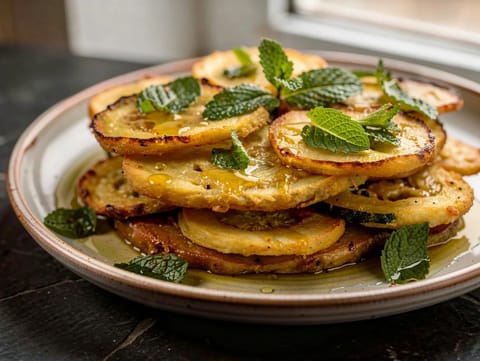
Fried courgettes dressed with mint, garlic and vinegar
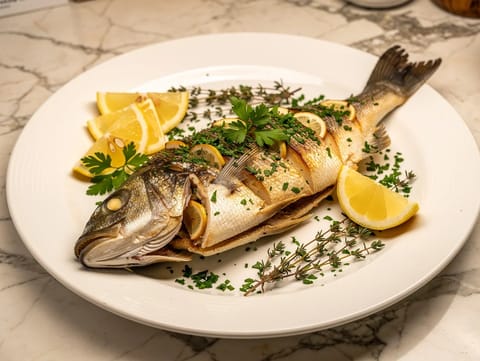
Whole baked sea bass with lemon, garlic and herbs
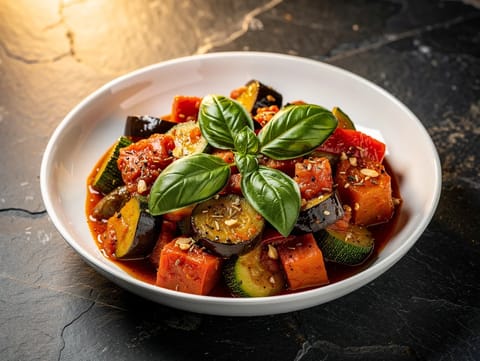
Slow-cooked ratatouille with aubergine, courgette, peppers and tomato
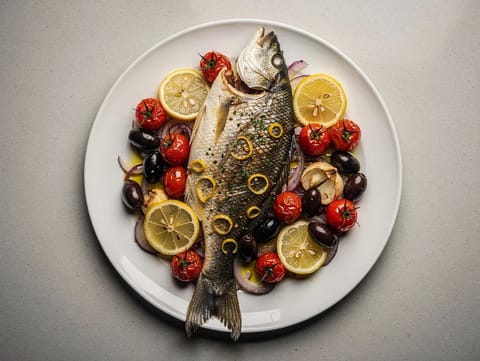
Baked sea bream with tomatoes, olives and lemon
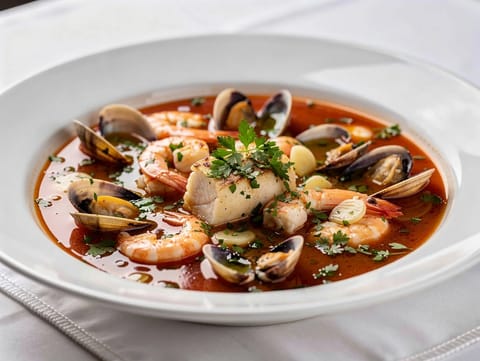
Venetian fish soup with mixed seafood in tomato and white wine

Prawns in garlicky tomato sauce topped with feta
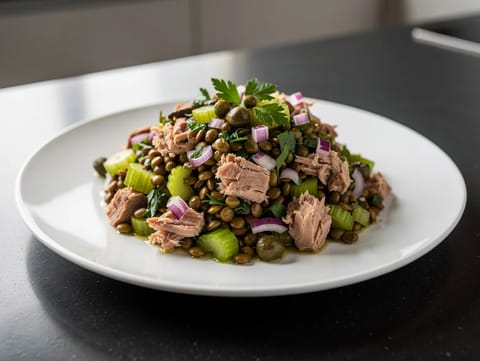
Italian lentil and tuna salad with capers and lemon
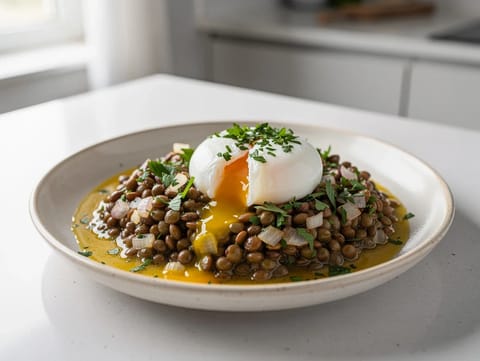
Warm Puy lentils with poached egg and Dijon dressing
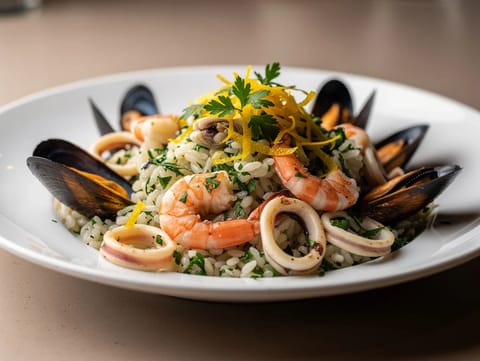
Creamy seafood risotto with prawns, mussels, squid and lemon
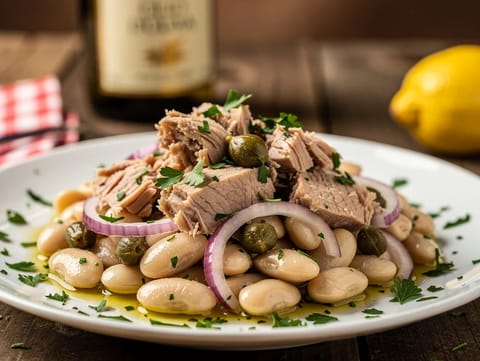
Tuna and cannellini bean salad with lemon and capers
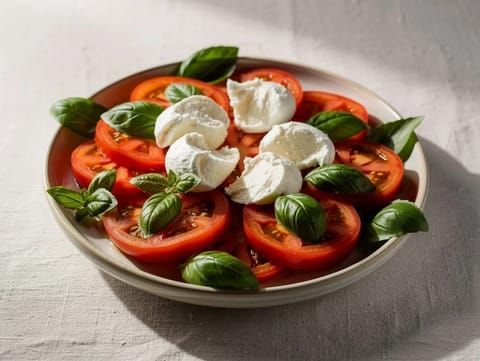
Tomato and burrata salad with basil, olive oil and balsamic
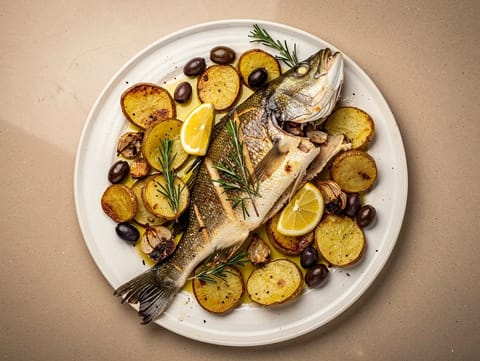
Roasted sea bass with potatoes and olives
If you want meals that align with a particular way of eating, exploring the Diet collections alongside this one can clarify boundaries and ingredient choices. Cooking time is also a practical companion: Mediterranean-style meals range from quick pan dishes to slow-simmered pulses and braises.
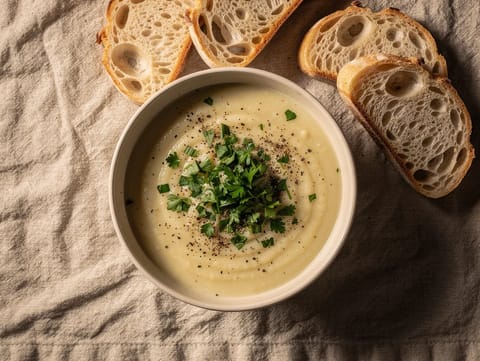
Smooth leek and potato soup finished with double cream
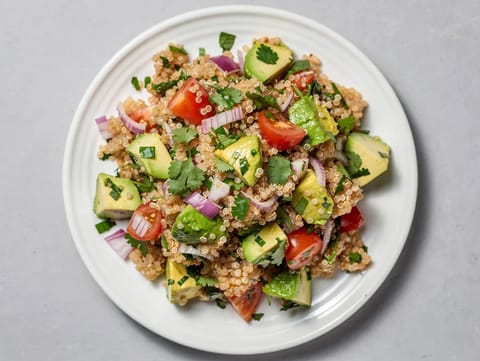
Quinoa salad with avocado, tomato, red onion and lime
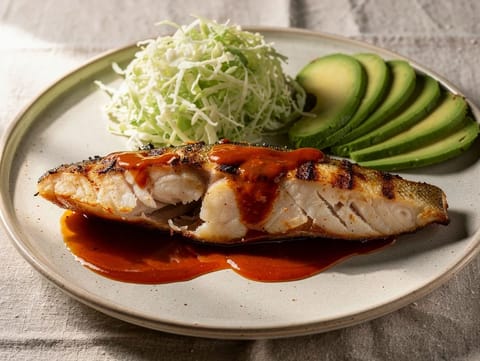
Grilled white fish with chilli, citrus, garlic and oregano
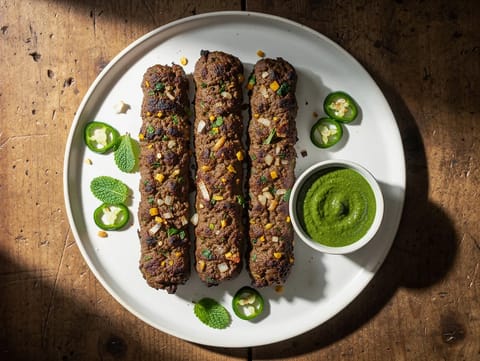
Grilled lamb seekh kebabs served with mint chutney
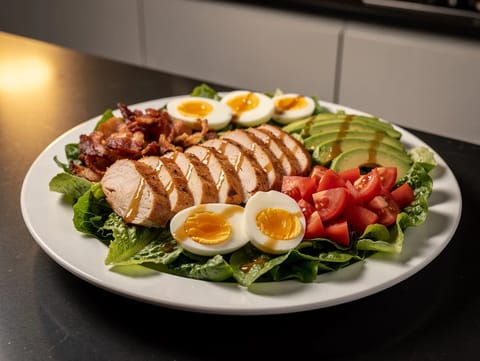
Cobb salad with chicken, avocado, bacon and hard-boiled eggs
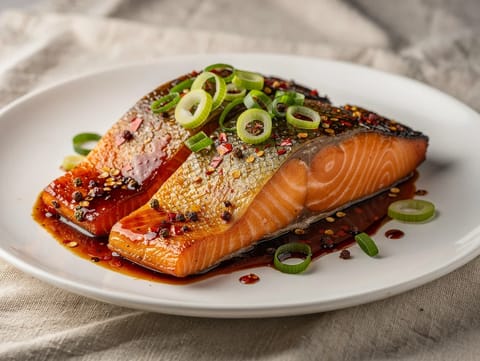
Pan-seared salmon with a sticky Sichuan-style soy glaze
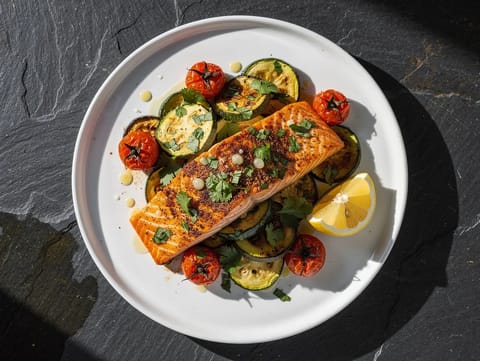
Salmon traybake with courgettes, cherry tomatoes and Moroccan spices
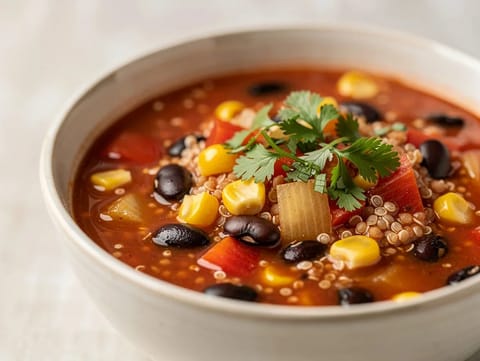
Tomato quinoa soup with black beans, sweetcorn and lime
No. It is a broad pattern associated with several Mediterranean regions, so recipes may draw on different traditions or simply use Mediterranean-style ingredients and methods.
Not always. Many include fish or seafood, and some include meat, but vegetables and plant proteins are often central.
Olive oil, tomatoes, lemon, garlic, herbs, pulses, vegetables, olives and vinegar are common building blocks, though exact combinations vary widely by region and recipe.
Usually not. A few staples such as olive oil, tinned tomatoes, beans or lentils, and dried herbs can take you a long way, with fresh herbs and citrus adding lift when you have them.
Add a pulse, a wholegrain, or a side such as roasted vegetables or a salad with beans. Many Mediterranean-style meals are designed to be balanced across the plate rather than heavy in one component.
No. Definitions vary, and ingredient choices matter, so it is best to read the recipe and adjust to your own guidelines.
When you are choosing between recipes, prioritise the cooking method you have time for, then look for a bright finishing note such as lemon, herbs or vinegar. That final contrast is often what makes Mediterranean-style meals taste vivid and complete.
